

Unequal Pupils, Droopy Eyelid, or Eye Pain: When to See a Neuro-Ophthalmologist

A neuro-ophthalmologist evaluates vision problems related to the nervous system as well as the eyes. Unequal pupils, new drooping of one eyelid, double vision, and painful vision loss should not be ignored.
Key Takeaways
- A neuro-ophthalmologist evaluates vision problems related to the nervous system as well as the eyes.
- Unequal pupils, new drooping of one eyelid, double vision, and painful vision loss should not be ignored.
- Some causes are mild, but others can involve nerve palsy, optic nerve inflammation, aneurysm, stroke, or increased pressure in the brain.
- Urgent assessment is especially important when symptoms start suddenly or come with headache, weakness, numbness, or confusion.
- Diagnosis may include a detailed eye exam, visual field testing, blood tests, and brain or orbit imaging.
Unequal pupils, a droopy eyelid, eye pain, or unexplained vision changes can sometimes signal a problem involving the eyes, optic nerves, brain, or eye muscles. A neuro-ophthalmologist helps identify whether symptoms are coming from a routine eye condition or from a neurologic cause that needs prompt attention.
Overview
A neuro-ophthalmologist is a doctor with expertise in conditions that affect both vision and the nervous system. This specialty looks at how the eyes, optic nerves, brain, eye movement nerves, and eyelids work together. People are often referred when symptoms seem more complex than a routine eye problem or when the cause is not immediately clear.
Common reasons for referral include unequal pupils, a new droopy eyelid, double vision, eye pain with vision loss, unexplained blurred vision, visual field loss, or swelling of the optic nerve. These symptoms do not always mean a serious illness. However, they can sometimes reflect a problem affecting the brain, nerves, blood vessels, or muscles around the eyes.
The main role of the neuro-ophthalmologist is to identify whether a symptom is primarily eye-related, neurologic, or both. This careful distinction is important because treatment may range from simple observation to urgent medical care. Early evaluation can help protect sight and, in some situations, support faster diagnosis of a broader health condition.
Symptoms That May Need Neuro-Ophthalmology Care
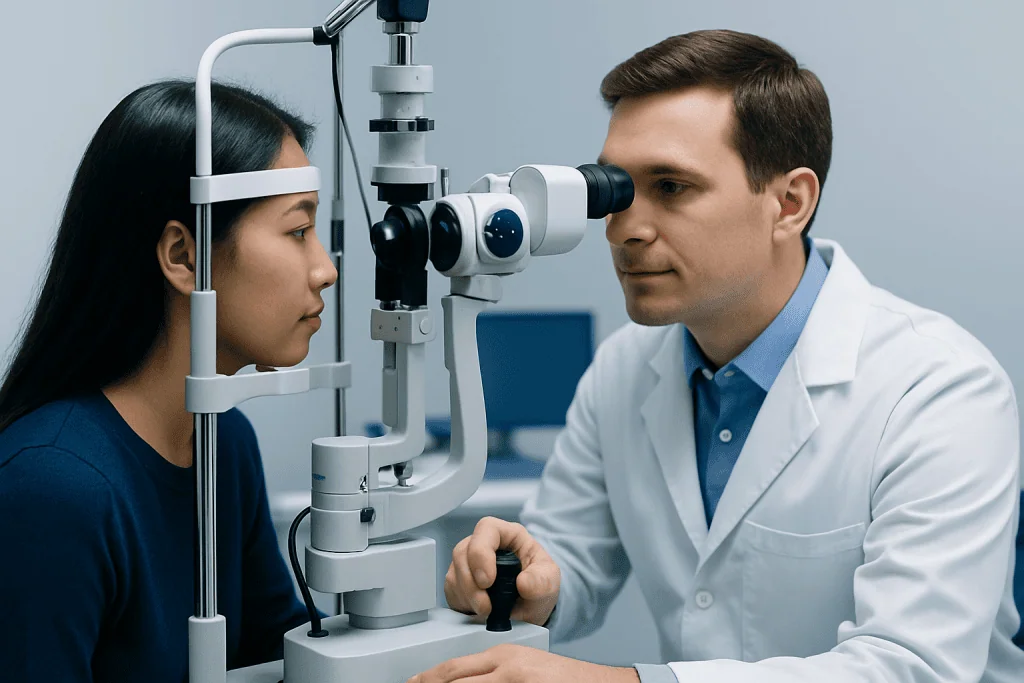
Unequal pupils, known medically as anisocoria, are common and may be harmless in some people. But a newly noticed difference in pupil size can also point to a nerve problem, medication effect, eye injury, or a disorder affecting the brain or sympathetic nerves. It deserves prompt attention if it appears suddenly, especially with eyelid drooping, double vision, headache, or neck pain.
A droopy eyelid, called ptosis, may develop from aging changes, but it can also be a sign of weakness or interruption in the nerves that lift the eyelid. When one eyelid suddenly droops, doctors may consider causes such as a third nerve palsy, Horner syndrome, or myasthenia gravis. If ptosis is new and comes with an enlarged pupil, severe headache, or eye movement problems, urgent evaluation is important.
Eye pain can arise from many conditions, including surface irritation and infection, but pain around or behind the eye together with reduced vision may suggest optic nerve inflammation or pressure-related problems. Double vision, visual dimming, brief episodes of vision blackout, color vision changes, or trouble moving the eyes are also important warning symptoms.
- Unequal pupils that are new or changing
- One eyelid suddenly drooping
- Double vision or misaligned eyes
- Eye pain with blurred or reduced vision
- Loss of part of the visual field
- Sudden vision loss in one or both eyes
Possible Causes and Risk Factors
There are many possible explanations for these symptoms. Unequal pupils may be due to a normal variation, past eye trauma, eye drops, or migraine. More concerning causes include nerve injury, Horner syndrome, and third cranial nerve palsy. A third nerve palsy may occur with diabetes or other vascular conditions, but in some cases it can be linked to compression from an aneurysm and needs urgent assessment.
A droopy eyelid may be caused by age-related stretching of eyelid tissues, but neurologic causes are also considered when it appears suddenly or is paired with other signs. Myasthenia gravis can cause fluctuating eyelid drooping and double vision. Horner syndrome can lead to mild ptosis with a smaller pupil. Problems affecting the brainstem, cranial nerves, or eye muscles may also interfere with eyelid position and eye movements.
Eye pain and vision changes can develop with optic neuritis, ischemic optic neuropathy, giant cell arteritis in older adults, orbital inflammation, or increased pressure around the optic nerve. Some patients with severe headache, transient visual obscurations, or optic nerve swelling may be evaluated for raised intracranial pressure. Other visual symptoms can be related to migraine aura, stroke, pituitary disease, or brain tumors affecting the visual pathways.
Risk factors depend on the underlying cause and may include diabetes, high blood pressure, autoimmune disease, smoking, older age, recent infection, head or neck trauma, thyroid disease, and a history of cancer or vascular disease. Still, these symptoms can also appear in people without known risk factors, which is why the pattern and timing of symptoms matter so much.
How a Neuro-Ophthalmologist Makes the Diagnosis
The consultation usually begins with a detailed history. The doctor will ask when the symptom started, whether it was sudden or gradual, and whether it is constant or fluctuating. Associated features such as headache, scalp tenderness, weakness, facial numbness, speech difficulty, fever, recent infection, trauma, or use of eye drops and other medicines can provide important clues.
The examination often includes checking visual acuity, color vision, pupils, eyelid position, eye movements, alignment, and the appearance of the optic nerve and retina. Visual field testing may be used to detect blind spots or loss of side vision. These findings help show whether the problem is located in the eye itself, the optic nerve, the eye movement nerves, or the brain’s visual pathways.
Additional tests are selected according to the suspected cause. Some patients may need blood tests for inflammation, infection, autoimmune disease, thyroid problems, or myasthenia gravis. Imaging such as MRI or CT of the brain and orbits may be ordered when a structural, inflammatory, or vascular problem is possible. In urgent cases, doctors may also consider vascular imaging to look at blood vessels in the head and neck.
Depending on the findings, the neuro-ophthalmologist may work closely with specialists in neurology care, endocrinology, rheumatology, neurosurgery, stroke medicine, or general ophthalmology. This team approach helps connect visual symptoms to the right diagnosis and treatment plan.
Treatment Options
Treatment depends entirely on the cause. Some patients have benign physiologic anisocoria or age-related eyelid changes and may only need observation or referral for routine ophthalmic care. Others may need specific treatment for inflammation, autoimmune disease, infection, muscle weakness, vascular disease, or a structural problem affecting the nerves.
For example, optic neuritis, inflammatory orbital disease, or giant cell arteritis may require urgent medical therapy to protect vision. Myasthenia gravis may be treated with medicines and careful follow-up. If testing suggests raised pressure around the brain or optic nerves, management is directed at the cause and may involve medicine, monitoring, and sometimes procedures. Patients with sudden double vision from a cranial nerve palsy may need treatment of underlying diabetes, blood pressure, or other vascular risk factors while the nerve recovers.
Some conditions need emergency intervention. A painful third nerve palsy with pupil involvement can be associated with an aneurysm and is treated as an emergency. Stroke-related visual symptoms also require urgent care. In cases involving masses or pressure on nerves, a patient may be referred for neurosurgical evaluation or advanced imaging and hospital-based treatment.
Because symptoms can overlap with other neurologic disorders, a neuro-ophthalmologist may also coordinate assessment for conditions such as brain tumor, demyelinating disease, or stroke. For international patients, Acibadem International’s multidisciplinary specialists in JCI-accredited hospitals diagnose and treat neuro-ophthalmic conditions with coordinated eye and neurologic care.
When to Seek Urgent or Emergency Care
Some symptoms should be treated as urgent because the timing can affect vision and overall health. Sudden vision loss, new double vision, a droopy eyelid with a large or uneven pupil, severe eye or head pain, or symptoms that develop together with weakness, trouble speaking, or imbalance should be assessed immediately. These features can sometimes be linked to stroke, aneurysm, optic nerve inflammation, or other time-sensitive conditions.
Older adults with new headache, scalp tenderness, jaw pain when chewing, or sudden visual symptoms should seek medical attention quickly because inflammation of the arteries, called giant cell arteritis, may threaten sight. Eye pain with reduced color vision or pain when moving the eye may also need prompt evaluation for optic neuritis or orbital disease.
Even when symptoms seem mild, it is sensible to seek care if they are new, unexplained, or recurring. A symptom that comes and goes can still be medically important. When in doubt, urgent assessment is safer than waiting, especially if there is any change in vision or a neurologic symptom.
- Go to urgent or emergency care for sudden vision loss
- Seek prompt evaluation for new anisocoria with eyelid drooping
- Do not ignore double vision, especially if it starts suddenly
- Get immediate help for symptoms with severe headache, weakness, or confusion
Prevention, Self-Care, and What to Expect at the Visit
Not all neuro-ophthalmic conditions can be prevented, but general vascular and eye health habits may reduce the risk of some causes. Managing diabetes, blood pressure, and cholesterol; avoiding smoking; attending routine eye checks; and discussing new neurologic symptoms early can all be helpful. People with autoimmune disease or thyroid disease should keep regular follow-up with their care team.
Self-care should not replace professional evaluation when warning signs are present. It is reasonable to note the exact time symptoms began, whether they are constant or fluctuating, and whether they are linked to headache, fatigue, recent illness, or medication use. If possible, bringing a list of medicines, previous scans, and old eyeglass prescriptions can make the visit more efficient.
During the appointment, the eyes may be dilated, and several measurements may be repeated under different lighting conditions. Some patients are referred for visual field testing or imaging the same day, while others can be assessed more gradually depending on the level of concern. The goal is to identify the cause clearly and to direct the person to the most appropriate next step, which may include observation, medication, or further neurologic or ophthalmic care such as comprehensive eye evaluation.
Frequently asked questions
What does a neuro-ophthalmologist do?
A neuro-ophthalmologist diagnoses vision problems that may involve the optic nerves, brain, eye movement nerves, or eyelids. This specialist helps determine whether symptoms come from an eye disease, a neurologic condition, or both.
Are unequal pupils always serious?
No. Some people naturally have slightly different pupil sizes, and this can be harmless. However, a newly noticed or changing difference should be assessed, especially if it comes with a droopy eyelid, double vision, headache, eye pain, or recent trauma.
Is a droopy eyelid an emergency?
A droopy eyelid is not always an emergency, but sudden one-sided drooping should be evaluated promptly. It can sometimes signal a nerve problem, myasthenia gravis, Horner syndrome, or another condition that needs timely treatment.
When is eye pain more concerning?
Eye pain deserves prompt attention when it occurs with blurred vision, color vision changes, double vision, or pain on eye movement. Severe pain with sudden vision loss or neurologic symptoms should be treated as urgent.
What tests might be needed?
Testing may include a full eye exam, pupil and eye movement assessment, visual field testing, blood work, and MRI or CT imaging. The exact tests depend on the symptom pattern and the conditions the doctor is trying to confirm or rule out.
Should someone go to the emergency department for sudden double vision or vision loss?
Yes, sudden vision loss or new double vision should be treated as urgent, particularly if there is headache, weakness, numbness, or trouble speaking. Rapid evaluation can be important for both sight and overall health.
References
- American Academy of Ophthalmology
- North American Neuro-Ophthalmology Society
- National Eye Institute
- National Institute of Neurological Disorders and Stroke
- Mayo Clinic
This article is for general information only and is not a substitute for professional medical advice. Please consult a qualified doctor about your individual situation.
Explore treatments in Turkey — costs, top hospitals & a free quote
JCI-accredited · board-certified surgeons · reply within 24h
Add us as a Preferred Source to see more of our trusted health content across Google Search, AI Overviews and Discover.
Check your numbers in seconds
BMI, calories, due date, blood pressure and 30+ more clinical calculators — free, instant, doctor-reviewed ranges.

More from the Health Library



Related Specialists

Prof. Dr. Can Gönen
Gastroenterology
Dr. Munara Bolatkhan
Inpatient Clinic Physicians Clinical Service
Dt. Burcu Dereli İnanç
Oral & Dental Health
Dr. Mehmet Malçok
Pediatrics