Upturned Nose — Explained by Medical Evidence, Not Myths
An upturned nose is often a natural variation in facial anatomy, not a medical problem. The appearance depends largely on nose tip rotation, cartilage support, and overall facial proportions.
Key Takeaways
- An upturned nose is often a natural variation in facial anatomy, not a medical problem.
- The appearance depends largely on nose tip rotation, cartilage support, and overall facial proportions.
- Medical evaluation is most important when the shape change follows trauma, breathing problems, or prior surgery.
- Treatment is not needed unless there are functional concerns or a person wants aesthetic correction.
- A careful assessment can distinguish normal anatomy from structural problems inside the nose.
An upturned nose is a nose shape in which the tip rotates slightly upward, making the nostrils more visible from the front. In many people, it is simply a normal inherited facial feature, though it can also result from aging, injury, or previous nasal surgery.
What an upturned nose means
An upturned nose is a nose shape in which the nasal tip points slightly upward. This makes the nostrils more visible when viewed from the front or side. In most cases, an upturned nose is simply a normal anatomical variation and reflects the way the nasal cartilage, skin, and facial bones developed.
From a medical point of view, the key feature is the degree of tip rotation rather than a value judgment about attractiveness. Different cultures and individuals may describe this shape in many ways, but medically it is best understood as one point on the wide spectrum of normal nose shapes. A naturally upturned nose does not automatically mean there is a health issue.
At the same time, the shape of the external nose can sometimes be linked to function. If the nose has become more upturned after an injury, after surgery, or together with breathing difficulty, a clinician may look for changes in cartilage support or the nasal septum. This is why the same outward shape may be entirely normal in one person and worth evaluating in another.
How nose shape is assessed
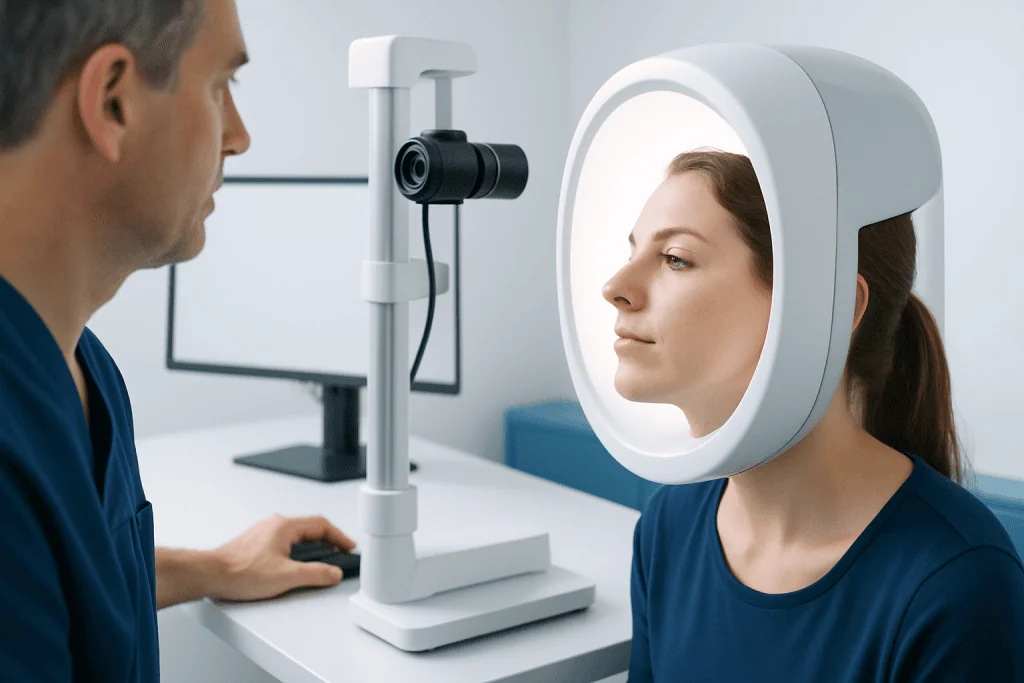
Specialists describe nose shape using facial proportions, tip support, skin thickness, and the relationship between the nose and upper lip. One commonly discussed feature is the nasolabial angle, which is the angle between the base of the nose and the upper lip. A larger angle can make the tip look more rotated upward, creating the appearance of an upturned nose.
However, no single angle defines what is normal for everyone. Ethnicity, sex, age, facial structure, and personal anatomy all influence what looks balanced. For this reason, clinicians avoid relying on myths or rigid beauty rules. Instead, they examine the whole face and ask whether the nose shape is stable, whether it causes symptoms, and whether it changed over time.
Assessment also includes the inside of the nose. A person may have an upturned tip and still have normal airflow, or they may have a separate issue such as a deviated septum that affects breathing. Looking at both form and function helps guide whether reassurance, monitoring, or treatment is most appropriate.
Common causes of an upturned nose

The most common cause of an upturned nose is genetics. Many people are born with a naturally rotated tip because of the shape and strength of the lower nasal cartilages, the support of the septum, and inherited facial proportions. In these cases, the nose shape is simply part of normal family resemblance.
Aging can also affect the tip over time, although age more often leads to tip drooping than increased rotation. Still, changes in skin, soft tissue, and cartilage support may alter how the nose appears. In some people, the tip may seem more upturned if surrounding facial tissues change.
Another important cause is trauma. An injury can weaken the support structures of the nose, change alignment, or create scarring that alters the tip position. Previous surgery is another possibility. After rhinoplasty, the tip may appear over-rotated if too much support was reduced or if healing changed the final position. Less commonly, congenital differences in nasal development can contribute to a more noticeably upturned appearance from childhood.
When an upturned nose may be a medical concern
By itself, an upturned nose usually does not need medical attention. Concern is more appropriate when the shape change is new, progressive, or accompanied by symptoms. For example, nasal obstruction, noisy breathing, crusting, dryness, or frequent nosebleeds may suggest a structural issue affecting airflow or the lining of the nose.
People who have had facial trauma should seek assessment if the nose looks different afterward, especially if there is swelling, pain, deformity, or trouble breathing through one or both nostrils. Likewise, after nasal surgery, a patient should report persistent dissatisfaction with appearance, asymmetry, or breathing problems rather than assuming these are normal or permanent.
Children deserve particular attention if there is obvious nasal deformity after injury, chronic mouth breathing, snoring, or repeated sinus complaints. In these situations, an ear, nose, and throat specialist or a facial plastic surgeon may evaluate whether the external shape is linked to an internal problem such as valve collapse, cartilage weakness, or sinusitis occurring alongside nasal blockage.
How doctors diagnose the cause
Diagnosis starts with a medical history. The doctor may ask whether the nose has always looked this way, whether the appearance changed after trauma or surgery, and whether there are symptoms such as blocked breathing, recurrent infections, snoring, or nosebleeds. This timeline is often the clearest way to separate a natural feature from an acquired problem.
A physical examination follows. The specialist inspects the nose from several angles, checks symmetry, and evaluates tip support, the bridge, nostril shape, and the relationship between the nose and upper lip. They also examine the inside of the nose to assess the septum, turbinates, and airflow. If symptoms suggest broader nasal disease, the assessment may include evaluation for nasal polyps or other obstructive conditions.
Additional tests are not always necessary. Some patients may benefit from nasal endoscopy, especially when symptoms are mainly functional. Imaging is usually reserved for trauma, suspected sinus disease, or complex revision planning. In cosmetic planning, photographs may help document the baseline appearance and support a detailed discussion of realistic outcomes.
Treatment options: reassurance, functional care, or surgery
If the upturned nose is a natural feature and there are no breathing problems, treatment is usually not needed. Reassurance is often the most appropriate medical advice. Many people seek information because of myths online that label certain nose shapes as abnormal, but medicine recognizes broad natural variation in facial anatomy.
When symptoms are present, treatment depends on the cause. If nasal blockage is related to inflammation, allergies, or sinus disease, care may focus on those issues rather than the external nose shape. If structural support is reduced, surgery may be considered to improve function and appearance together. In some cases, septoplasty helps correct internal obstruction when the septum contributes to airflow problems.
For people who want to change the nasal tip shape for aesthetic reasons, rhinoplasty may adjust tip rotation, projection, and support. Revision surgery can also address changes after a prior procedure, but it requires careful planning because scar tissue and altered anatomy can make treatment more complex. The goal should be a balanced, natural result that also protects breathing.
At centers with multidisciplinary expertise, treatment planning may involve ENT specialists and plastic surgeons working together. Acibadem International’s multidisciplinary specialists in JCI-accredited hospitals diagnose and treat nasal shape and function concerns for international patients when evaluation or surgery is appropriate.
Self-care, expectations, and when to seek medical care
Self-care begins with avoiding unnecessary pressure on the nose and protecting it from injury during sports or physical activity. Good nasal hygiene may help comfort if there is dryness or crusting, but home care cannot change the underlying anatomy of an upturned nose. It is best to be cautious with unproven online advice or non-medical devices that claim to permanently reshape the nose.
For anyone considering cosmetic correction, expectations matter. Nose shape is influenced by skin thickness, cartilage strength, facial proportions, and healing patterns. A consultation should focus on what is realistically achievable rather than copying a photo or trend. Patients should also understand that preserving or improving airflow is just as important as changing appearance.
Medical care should be sought if the shape changed after an injury, if breathing through the nose is difficult, if there are frequent nosebleeds, or if previous surgery left persistent concerns. A person should also arrange an evaluation if they notice worsening blockage, recurring sinus symptoms, or visible collapse of the nostrils when inhaling. Prompt assessment can identify whether treatment is needed and which specialty is most suitable.
Frequently asked questions
Is an upturned nose normal?
Yes. In many people, an upturned nose is a normal inherited facial feature and not a sign of disease. It only becomes a medical concern if it appears after trauma, after surgery, or together with breathing problems or other symptoms.
Can an upturned nose affect breathing?
The outward shape alone does not always affect breathing. However, if the tip position is linked to weak cartilage support, internal narrowing, or a septal problem, airflow may be reduced. A doctor can examine both the outside and inside of the nose to determine whether function is affected.
Does an upturned nose get worse with age?
Not usually in a predictable way. Aging changes the skin and cartilage of the nose, but many age-related changes cause tip drooping rather than more upward rotation. If the nose shape changes noticeably over time, especially with symptoms, medical assessment is reasonable.
Can injury cause an upturned nose?
Yes. Trauma can alter the cartilage and supporting structures of the nose, which may change the tip position. If a nose looks different after injury or breathing becomes difficult, it should be evaluated by a qualified doctor.
Is surgery the only way to change an upturned nose?
For a lasting structural change, surgery is generally the main option. The specific procedure depends on whether the goal is cosmetic improvement, better breathing, or both. A specialist can explain what changes are realistic and whether treatment is necessary at all.
How do doctors decide whether treatment is needed?
They consider when the shape appeared, whether it has changed, and whether symptoms such as obstruction or dryness are present. Examination of the external nose and the inside of the nasal passages helps identify whether the issue is purely anatomical variation or a structural problem that may benefit from treatment.
This article is for general information only and is not a substitute for professional medical advice. Please consult a qualified doctor about your individual situation.
Explore treatments in Turkey — costs, top hospitals & a free quote
JCI-accredited · board-certified surgeons · reply within 24h
Add us as a Preferred Source to see more of our trusted health content across Google Search, AI Overviews and Discover.

More from the Health Library

Magnesium Powder: An Evidence-Based Guide for Patients

Exposed Tooth Root — Explained by Medical Evidence, Not Myths

Tapeworms in Humans: What Patients Need to Know

Pollen: A Complete Medical Overview
Vulva: What Patients Need to Know

Lean Body Mass — Explained by Medical Evidence, Not Myths
Otorhinolaryngology Specialists at Acibadem

Dr. Ahmet Bülent Demirbağ
Otorhinolaryngology
Prof. Dr. Ahmet Koç
Otorhinolaryngology
Prof. Dr. Ahmet Onur Odabaşı
Ear Nose & Throat
Assoc. Prof. Dr. Akif İşlek
Ear Nose & Throat