Urothelial Carcinoma: Symptoms, Causes, and Treatment Options

Urothelial carcinoma usually begins in the lining of the bladder and can also affect other parts of the urinary tract. Blood in the urine is one of the most common warning signs and should always be evaluated by a doctor.
Key Takeaways
- Urothelial carcinoma usually begins in the lining of the bladder and can also affect other parts of the urinary tract.
- Blood in the urine is one of the most common warning signs and should always be evaluated by a doctor.
- Diagnosis often includes urine tests, imaging, and cystoscopy with biopsy to confirm the type and stage of cancer.
- Treatment may involve endoscopic procedures, surgery, intravesical therapy, chemotherapy, immunotherapy, or radiation therapy.
- Stopping smoking and following up regularly after treatment are important because this cancer can recur.
Urothelial carcinoma is a cancer that starts in the lining of the urinary tract, most commonly in the bladder but also sometimes in the ureters, renal pelvis, or urethra. Treatment depends on where the cancer is located, how deeply it has grown, and whether it has spread, with options ranging from local procedures to systemic therapies.
Overview
Urothelial carcinoma is a cancer that develops in the urothelium, the specialized lining inside the urinary tract. This lining is found in the bladder, ureters, renal pelvis, and part of the urethra. Because the bladder contains the largest area of urothelium, most urothelial carcinomas begin there, and many people first hear the term in connection with bladder cancer.
This cancer can behave in different ways. Some tumors remain on the inner surface of the bladder and are called non-muscle-invasive, while others grow deeper into the bladder wall or spread beyond it. Doctors also describe tumors by grade, which reflects how abnormal the cells look under a microscope and helps estimate how likely the cancer is to grow or return.
A clear understanding of the exact location, grade, and stage is important because urothelial carcinoma is not treated the same way in every person. In many cases, it is highly manageable, especially when found early. Even so, it often requires careful follow-up over time because recurrence can happen after initial treatment.
Symptoms and early warning signs
The most common symptom of urothelial carcinoma is blood in the urine, also called hematuria. Sometimes the blood is visible, turning the urine pink, red, or brown. In other cases, it is present only in small amounts and found on a urine test. Even one episode of unexplained blood in the urine deserves medical evaluation.
Some people notice irritation when urinating, such as burning, pain, urgency, or needing to urinate more often. These symptoms can overlap with urinary tract infections, stones, or benign bladder conditions, which is why testing is needed rather than assuming the cause. If the tumor is in the ureter or renal pelvis, there may be side or back discomfort, though many upper-tract tumors cause few symptoms at first.
Symptoms that can appear in more advanced disease include pelvic pain, lower back pain, unintentional weight loss, fatigue, or swelling related to urinary blockage. These signs do not always mean cancer, but they should prompt timely medical assessment. Because early urothelial carcinoma may cause only subtle symptoms, attention to changes in urination is important.
- Visible or microscopic blood in the urine
- Frequent urination or urgency
- Pain or burning during urination
- Pelvic, flank, or lower back discomfort
- Fatigue or weight loss in later stages
Causes and risk factors
Urothelial carcinoma develops when cells in the urinary tract lining acquire genetic changes that allow them to grow out of control. In most people, there is no single identifiable cause. Instead, the cancer is linked to a combination of environmental exposures, age-related cellular changes, and individual susceptibility.
Smoking is the best-known risk factor. Chemicals inhaled from tobacco are absorbed into the bloodstream and filtered by the kidneys into the urine, where they can damage the urothelial lining over time. The risk increases with longer or heavier exposure, but former smokers may still benefit from quitting because stopping smoking supports overall health and may lower future urinary tract cancer risk.
Other risk factors include older age, male sex, long-term exposure to certain industrial chemicals, chronic irritation of the bladder, previous radiation to the pelvis, and some medicines or chemotherapy agents. A personal history of urothelial tumors also raises the chance of recurrence or new tumors elsewhere in the urinary tract. In some settings, inherited factors may contribute, but most cases are not directly inherited.
How urothelial carcinoma is diagnosed
Evaluation usually begins with a medical history, physical examination, and urine testing. A doctor may order urinalysis, urine culture to rule out infection, and urine cytology, which looks for abnormal cells shed into the urine. These tests can provide clues, but they do not replace direct examination of the urinary tract.
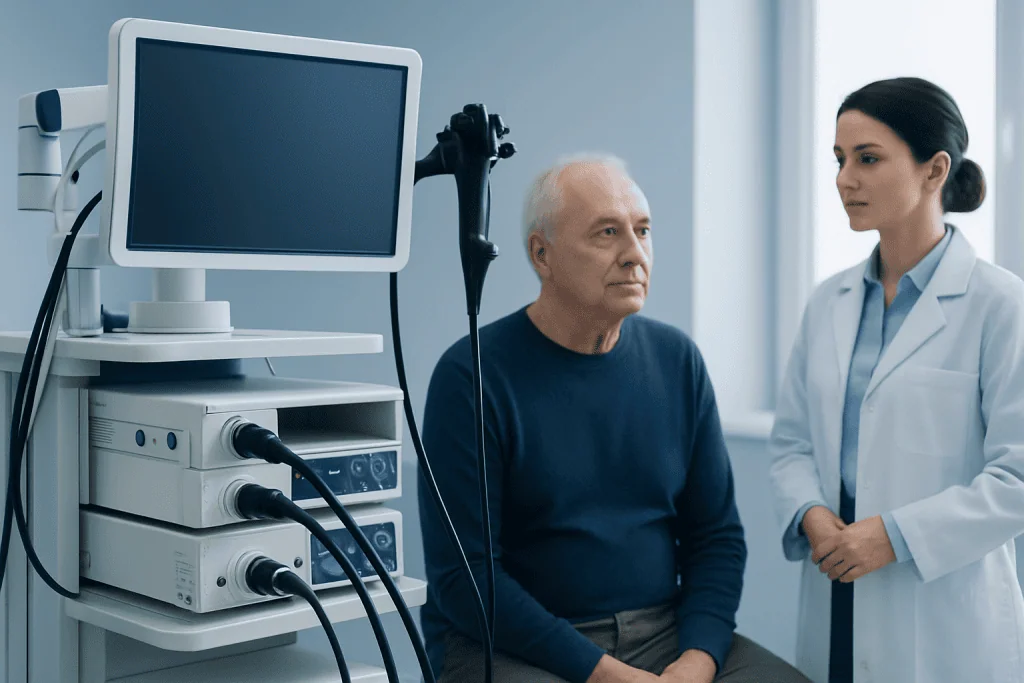
The key diagnostic test for suspected bladder urothelial carcinoma is cystoscopy, in which a thin camera is passed through the urethra to inspect the inside of the bladder. If an abnormal area is seen, a biopsy or transurethral resection can remove tissue for laboratory analysis. Pathology confirms whether the tumor is urothelial carcinoma and describes its grade and depth of invasion.
Imaging studies help define the extent of disease and look at the kidneys and ureters. Depending on the situation, doctors may use ultrasound, CT urography, MRI, or other tests. Once cancer is confirmed, staging determines whether it is limited to the lining, has invaded muscle, involves nearby lymph nodes, or has spread to distant organs. This information guides treatment planning and prognosis.
Treatment options
Treatment for urothelial carcinoma is individualized. Important factors include the tumor’s location, stage, grade, whether there are single or multiple tumors, and the person’s kidney function and general health. Many patients are treated by a multidisciplinary team that may include urologists, medical oncologists, radiation oncologists, radiologists, and pathologists.
For many non-muscle-invasive bladder tumors, treatment begins with endoscopic removal during transurethral resection of bladder tumor (TURBT). After this, some patients receive medicine placed directly into the bladder, called intravesical therapy, to reduce the risk of recurrence or progression. Depending on pathology results, follow-up cystoscopies are scheduled regularly because tumors can return.
Muscle-invasive or higher-risk disease may require more intensive treatment. Options can include bladder cancer surgery, chemotherapy, radiation therapy, or combinations of these approaches. In selected patients, bladder-preserving strategies may be possible, while others may need removal of the bladder or surgery for upper urinary tract tumors if the cancer is in the ureter or renal pelvis.
When the cancer has spread or is not suitable for local treatment alone, systemic therapy becomes important. This may include chemotherapy and, in some cases, immunotherapy that helps the immune system recognize and attack cancer cells. The most appropriate plan depends on detailed staging and discussion of benefits, risks, and goals of care.
Prevention, self-care, and follow-up
There is no guaranteed way to prevent urothelial carcinoma, but some steps can reduce risk. Avoiding tobacco is one of the most important measures. People who smoke can benefit from cessation support, and those with workplace exposure to chemicals should follow recommended safety precautions, including protective equipment and proper ventilation.
Good hydration and attention to urinary symptoms may also support urinary tract health, although they do not replace screening or medical care. Anyone with recurrent urinary irritation, visible blood in the urine, or unexplained urinary changes should seek evaluation rather than self-treating repeatedly for presumed infection.
Follow-up after treatment is a central part of care because urothelial carcinoma can recur even after successful initial therapy. Surveillance may include repeat cystoscopy, urine tests, imaging, and blood work at intervals recommended by the treating team. Near the end of the care pathway, patients seeking international care may wish to know that Acibadem International’s multidisciplinary specialists and JCI-accredited hospitals diagnose and treat urothelial cancers for international patients.
When to seek medical care
Medical care should be sought promptly for visible blood in the urine, especially if it happens without pain or keeps coming back. A person should also arrange assessment for burning with urination, urgency, frequency, pelvic discomfort, or flank pain that does not improve or that returns repeatedly. While these symptoms are often caused by less serious conditions, only proper evaluation can determine the cause.
Urgent medical attention is important if there is inability to urinate, heavy bleeding with clots, severe pain, fever with urinary symptoms, or symptoms of significant weakness or dehydration. People who have already been treated for urothelial carcinoma should report any new urinary symptoms promptly rather than waiting for the next scheduled follow-up visit.
Early evaluation can make a meaningful difference. It may identify a non-cancerous cause that can be treated simply, or it may detect urothelial carcinoma at a stage when treatment is more straightforward and organ-preserving options are more likely to be considered.
Frequently asked questions
Is urothelial carcinoma the same as bladder cancer?
Urothelial carcinoma is the most common type of bladder cancer, but the term is slightly broader. It refers to cancer arising from the lining of the urinary tract, which includes the bladder as well as the ureters, renal pelvis, and part of the urethra.
What is usually the first sign of urothelial carcinoma?
The first sign is often blood in the urine. It may be visible or found only on a urine test, and it can come and go, which is why it should not be ignored even if it seems to resolve.
Can urothelial carcinoma be cured?
Many cases can be treated effectively, and some can be cured, especially when diagnosed early. The outlook depends on the stage, grade, exact location, and how the cancer responds to treatment.
Does urothelial carcinoma always require bladder removal?
No. Many superficial or non-muscle-invasive tumors are treated with endoscopic removal and bladder-based therapies. Bladder removal is generally considered for more invasive, high-risk, or recurrent disease when it offers the best chance of control.
Is smoking linked to urothelial carcinoma?
Yes. Smoking is one of the strongest known risk factors because tobacco-related chemicals pass into the urine and can damage the urinary tract lining over time. Quitting smoking is beneficial at any stage for overall health and may reduce future risk.
Why are follow-up visits so important after treatment?
Urothelial carcinoma has a known tendency to recur, sometimes even after apparently successful treatment. Regular follow-up helps detect new or returning tumors early, when they may be easier to manage.
References
- National Cancer Institute
- American Cancer Society
- European Association of Urology
- National Comprehensive Cancer Network
- Urology Care Foundation
This article is for general information only and is not a substitute for professional medical advice. Please consult a qualified doctor about your individual situation.
Oncology care in Turkey — second opinion and treatment plan
JCI-accredited · board-certified surgeons · reply within 24h
Add us as a Preferred Source to see more of our trusted health content across Google Search, AI Overviews and Discover.