Uterine fibroids Treatment Options: From Medication to Surgery

Many fibroids do not require treatment if they cause no symptoms or only mild symptoms. Treatment decisions depend on bleeding, pain, pressure symptoms, anemia, fibroid features, and reproductive goals.
Key Takeaways
- Many fibroids do not require treatment if they cause no symptoms or only mild symptoms.
- Treatment decisions depend on bleeding, pain, pressure symptoms, anemia, fibroid features, and reproductive goals.
- Medicines can reduce bleeding or temporarily shrink fibroids, but they may not remove fibroids permanently.
- Uterine-sparing options include myomectomy and uterine artery embolization; suitability varies by fibroid type and pregnancy plans.
- Hysterectomy is the definitive treatment for fibroids when childbearing is not desired or other options are unsuitable.
Uterine fibroids treatment is tailored to a person’s symptoms, fibroid size and location, age, general health, and plans for future pregnancy. Options range from watchful waiting and medicines to uterine-sparing procedures and surgery, including myomectomy or hysterectomy.
Overview: Choosing Uterine Fibroids Treatment
Uterine fibroids treatment may involve monitoring, medication, a minimally invasive procedure, or surgery. The best approach depends on whether fibroids are causing heavy menstrual bleeding, pelvic pain or pressure, frequent urination, anemia, fertility concerns, or pregnancy complications. Treatment is not always necessary, particularly when fibroids are small and symptom-free.
Fibroids are noncancerous growths of uterine muscle. They can develop within the uterine wall, project into the uterine cavity, or grow outward from the uterus. Their position can matter as much as their size: a fibroid that changes the shape of the uterine cavity may affect bleeding or fertility even when it is not large. For broader information on the condition, see uterine fibroids.
A gynecologist will usually help a person balance symptom relief, preservation of the uterus, recovery time, and future pregnancy wishes. Fibroids often shrink after menopause, so observation can be reasonable for people with manageable symptoms who are approaching menopause.
How Treatment Is Planned
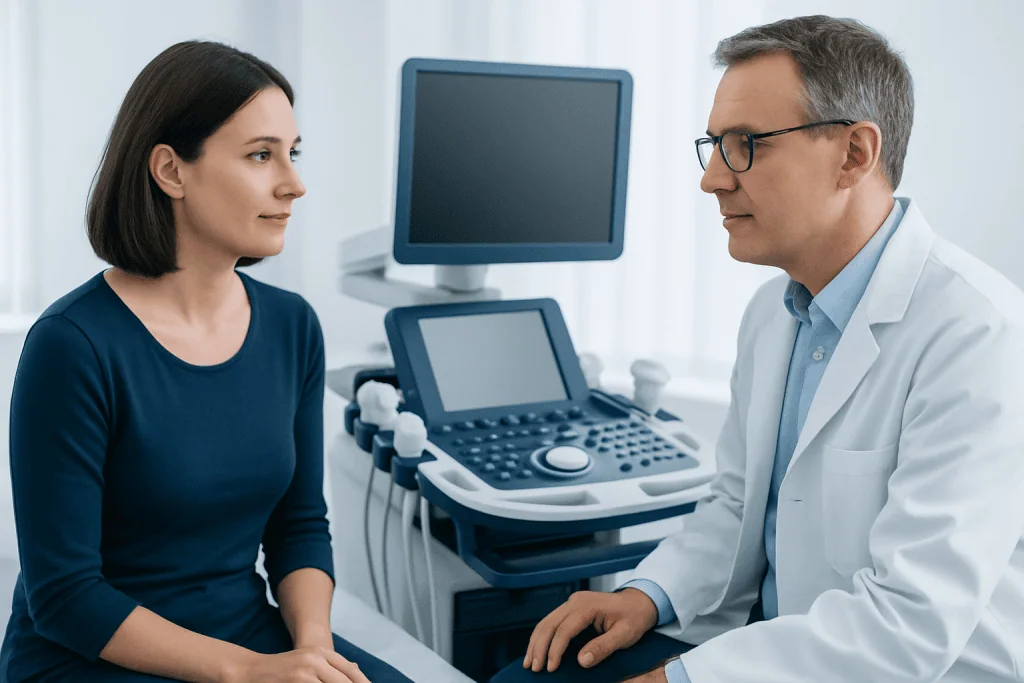
A personalized plan begins with understanding the symptoms and their impact on daily life. Heavy or prolonged periods can lead to iron-deficiency anemia, while larger fibroids may cause pelvic fullness, constipation, urinary frequency, or discomfort during sex. Not every symptom in the pelvic area is caused by fibroids, so assessment should consider other possible conditions as well.
Pelvic ultrasound is commonly used to confirm fibroids and describe their number, size, and location. Magnetic resonance imaging (MRI) may be helpful when more detailed mapping is needed before a procedure, when ultrasound findings are unclear, or when several treatment approaches are being considered. Blood tests may assess anemia when menstrual bleeding is heavy.
Important planning questions include whether pregnancy is desired now or in the future, whether the uterine cavity is affected, whether symptoms respond to medication, and how quickly relief is needed. A clinician may also review previous surgeries, other health conditions, and medications before recommending a procedure.
- Watchful waiting may be appropriate for no symptoms or mild, stable symptoms.
- Medication may control bleeding and pain without removing fibroids.
- Procedures and surgery may be considered for persistent symptoms, anemia, pressure effects, or fertility-related concerns.
Medication and Non-Surgical Options
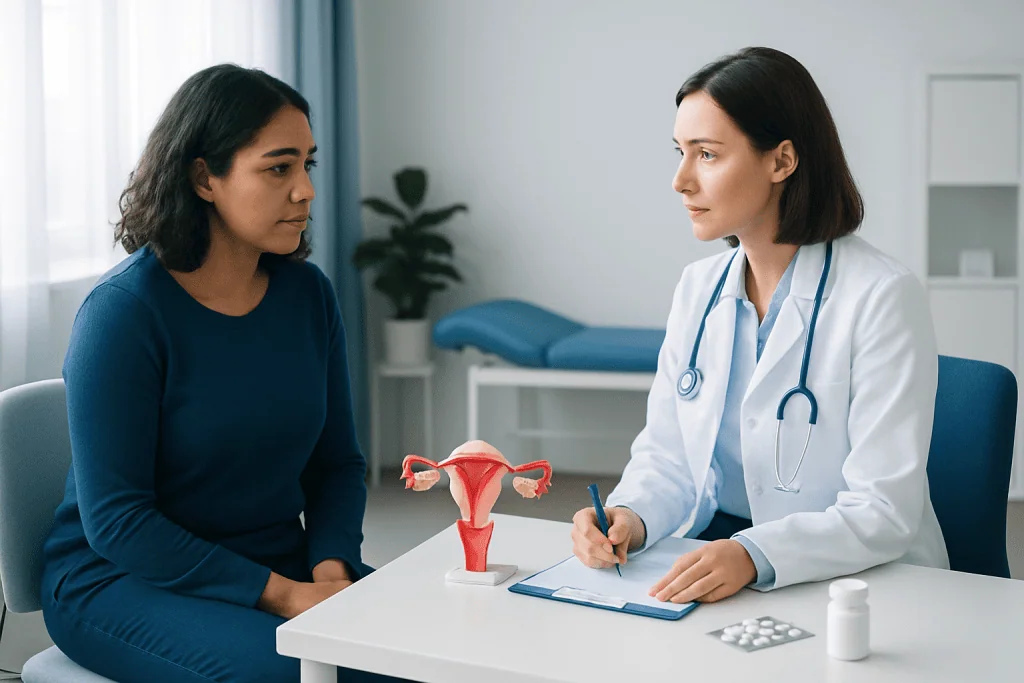
Medication can be useful for controlling symptoms, especially heavy bleeding and period-related pain. Nonsteroidal anti-inflammatory medicines may reduce menstrual cramps and bleeding for some people. Hormonal methods, including certain birth control options or a levonorgestrel-releasing intrauterine device, may reduce bleeding when the shape of the uterine cavity allows safe placement.
Other medicines can temporarily lower estrogen activity and reduce fibroid-related bleeding or fibroid size. These treatments may be used for a limited time, for example to improve anemia before surgery or to bridge symptoms until menopause. Because some can cause menopause-like side effects or bone loss with prolonged use, clinicians carefully consider duration and follow-up.
Medication generally does not permanently eliminate fibroids. Symptoms may return after treatment is stopped, and medicines may not adequately relieve pressure symptoms from large fibroids. Iron supplementation may be recommended when blood tests show iron deficiency or anemia, alongside treatment aimed at reducing the cause of bleeding.
Some people explore supplements or herbal remedies. Evidence that these shrink fibroids or reliably control symptoms is limited, and certain products can interact with medicines or be unsafe in pregnancy. Discussing any supplement with a qualified clinician is a sensible step.
Uterine-Sparing Procedures: How They Work
Several treatments can address fibroids while keeping the uterus in place. The choice depends on fibroid location, size, number, symptoms, and reproductive goals. For people hoping to become pregnant, consultation with a gynecologist or fertility specialist is particularly important because the evidence and recommendations differ among procedures.
Hysteroscopic myomectomy removes fibroids that grow into the uterine cavity. A surgeon passes a thin instrument through the vagina and cervix, so there are no abdominal incisions. The fibroid is viewed and removed in small pieces from inside the uterus. It is often considered for selected submucosal fibroids that cause heavy bleeding or may interfere with fertility.
Uterine artery embolization is performed by an interventional radiologist. Through a small catheter, tiny particles are delivered to blood vessels supplying the fibroids, reducing their blood flow so they shrink over time. It can improve bleeding and pressure symptoms, but post-procedure cramping is common. Its role for people planning a future pregnancy should be discussed individually, as pregnancy outcomes may not be equivalent to those after myomectomy.
Radiofrequency ablation uses heat to destroy fibroid tissue through a needle or device placed with imaging or surgical guidance. It may be performed through small incisions or, in selected cases, through the cervix. This option can reduce symptoms and preserve the uterus, although its suitability depends on fibroid characteristics and future fertility goals.
Myomectomy and Hysterectomy: Surgical Treatment Options
Myomectomy is surgery to remove fibroids while preserving the uterus. It may be performed hysteroscopically, laparoscopically with small abdominal incisions, robotically in selected settings, or through an open abdominal incision. The route is chosen according to the number, size, and position of fibroids as well as the surgeon’s assessment. Learn more about myomectomy for fibroid removal.
During myomectomy, the surgeon locates each planned fibroid, separates it from the surrounding uterine muscle, removes it, and repairs the uterine wall. The benefits can include meaningful improvement in bleeding, pain, and pressure while retaining the possibility of pregnancy. However, new fibroids can develop later, and scar tissue, bleeding, infection, or injury to nearby organs are uncommon but important potential risks.
Hysterectomy removes the uterus and is the only definitive treatment that prevents fibroids from returning. It may be recommended when symptoms are severe, fibroids are extensive, other treatments have not worked, or future pregnancy is not desired. Depending on individual factors, it can be performed vaginally, laparoscopically, robotically, or through an abdominal incision. Removing the uterus ends menstrual periods and pregnancy capability; the ovaries may often be retained when clinically appropriate.
All surgery involves informed consent and individualized risk assessment. The care team will discuss anesthesia, blood loss, transfusion considerations, blood clot prevention, infection prevention, the possibility of changing the surgical approach if needed, and expected recovery before the operation.
Recovery, Benefits, and Possible Risks
Recovery varies substantially by treatment. Many people return home on the day of hysteroscopic treatment or some minimally invasive procedures, although cramping, fatigue, and light bleeding or discharge can occur. Recovery after laparoscopic myomectomy or hysterectomy is often measured in a few weeks, while open abdominal surgery generally requires a longer period of reduced activity and healing.
Uterine artery embolization commonly involves pelvic pain or cramping in the first days after treatment, which is managed with a prescribed pain-control plan. Symptom improvement develops gradually as fibroids shrink. Follow-up appointments help assess recovery, bleeding patterns, and whether further treatment is needed.
Potential benefits of treatment include lighter periods, improved anemia, less pelvic pressure, and better daily comfort. Risks differ by procedure but may include pain, bleeding, infection, injury to surrounding structures, anesthesia-related complications, blood clots, scar tissue, and the need for additional treatment. A clinician can explain the risks that are most relevant to the individual procedure and medical history.
After any procedure, urgent medical advice is needed for heavy bleeding, fever, worsening abdominal pain, fainting, chest pain, shortness of breath, leg swelling, or signs of an allergic reaction. Specific discharge instructions from the treating team should always take priority.
When to Seek Medical Care
A person should arrange a medical assessment for periods that are unusually heavy, prolonged, or increasingly painful; bleeding between periods; persistent pelvic pressure or pain; difficulty emptying the bladder; or symptoms of anemia such as unusual tiredness, dizziness, or shortness of breath with activity. These symptoms can have several causes, and evaluation supports an accurate diagnosis.
Prompt medical care is appropriate for very heavy vaginal bleeding, severe sudden pelvic pain, fainting, or symptoms of significant anemia. People who are pregnant or trying to conceive should contact their obstetric or gynecology team if they have bleeding, severe pain, or concerns about known fibroids.
For international patients, Acibadem International’s multidisciplinary specialists and JCI-accredited hospitals evaluate and treat fibroids using individualized medical, interventional, and surgical approaches. A gynecology consultation can clarify whether observation, medication, a uterine-sparing procedure, or surgery is most appropriate.
Frequently asked questions
What is the best uterine fibroids treatment?
There is no single best treatment for every person. The appropriate option depends on symptoms, fibroid number and location, anemia, age, overall health, and whether future pregnancy is desired. A gynecologist can help compare observation, medicines, procedures, and surgery.
Can medication make fibroids disappear?
Medicines can reduce heavy bleeding, pain, and sometimes fibroid size temporarily. They usually do not remove fibroids permanently, and symptoms may return after treatment stops. Medication may be used alone or before a procedure or surgery.
Is myomectomy better than hysterectomy?
Myomectomy removes fibroids while preserving the uterus, so it is often considered for people who want to retain fertility or their uterus. Hysterectomy removes the uterus and is definitive because fibroids cannot return afterward. The better choice depends on personal goals, symptoms, and fibroid features.
Can fibroids return after myomectomy?
The fibroids removed during myomectomy do not grow back, but new fibroids can develop from remaining uterine muscle tissue. The chance of needing further treatment varies with age, number of fibroids, and other factors. Regular follow-up can help address recurring symptoms.
Is uterine artery embolization suitable for future pregnancy?
Some people have become pregnant after uterine artery embolization, but its effects on fertility and pregnancy outcomes require individual discussion. Myomectomy may be preferred in some people who are actively planning pregnancy, particularly when fibroids affect the uterine cavity. A gynecologist and, where appropriate, a fertility specialist can provide tailored advice.
How long does recovery take after fibroid surgery?
Recovery depends on the procedure. Hysteroscopic treatment may involve a short recovery, while laparoscopic surgery often requires several weeks and open abdominal surgery usually requires longer. The treating surgeon will give specific activity, wound-care, and follow-up guidance.
References
- American College of Obstetricians and Gynecologists
- National Institute of Child Health and Human Development
- National Institute for Health and Care Excellence
- Mayo Clinic
- World Health Organization
This article is for general information only and is not a substitute for professional medical advice. Please consult a qualified doctor about your individual situation.
Uterine Fibroids in Turkey — costs, top hospitals & a free quote
JCI-accredited · board-certified surgeons · reply within 24h
Add us as a Preferred Source to see more of our trusted health content across Google Search, AI Overviews and Discover.

Gynecology & Obstetrics
Women’s health across pregnancy, gynecologic surgery and high-risk pregnancy care.
187 specialists in this unitMore from the Health Library



Related Specialists

Prof. Dr. Bora Peynircioğlu
Interventional Radiology
Asst. Prof. Dr. Ceren Meriç Özgündüz
Psychiatry
Dr. Caner Çam
Internal Medicine
Dr. Kamran Alıyev
Thoracic Surgery