Uti Surgery: Procedure, Recovery and Results

Most urinary tract infections improve with appropriate medical treatment and do not require surgery. UTI surgery aims to correct the cause that allows infections to recur, rather than treating the infection alone.
Key Takeaways
- Most urinary tract infections improve with appropriate medical treatment and do not require surgery.
- UTI surgery aims to correct the cause that allows infections to recur, rather than treating the infection alone.
- The procedure, recovery time, and expected results depend on the affected organ and the underlying condition.
- Catheters, temporary stents, and follow-up urine tests may be part of recovery after urinary tract surgery.
- Fever, worsening pain, inability to pass urine, or signs of infection after a procedure need prompt medical advice.
UTI surgery is not a standard treatment for a simple urinary tract infection. It may be considered when recurrent or complicated infections are caused by a blockage, stone, reflux, abnormal connection, enlarged prostate, or another structural problem in the urinary tract.
Overview: What Is UTI Surgery?
UTI surgery is a broad, informal term for operations or minimally invasive procedures used to address an underlying urinary tract problem that contributes to repeated, severe, or complicated urinary tract infections (UTIs). Surgery does not usually treat an uncomplicated infection itself. Instead, it may remove or bypass an obstruction, repair an anatomical abnormality, improve urine drainage, or remove a source of infection such as a stone.
UTIs can involve the bladder, urethra, ureters, kidneys, or—in men—the prostate. Repeated infections should be assessed carefully because similar symptoms may also result from bladder pain conditions, vaginal infections, sexually transmitted infections, stones, or other urinary disorders. A clinician will usually confirm infection with urine testing before discussing UTI surgical interventions.
Examples of situations that may lead to surgery include urinary stones, scarring that narrows the urethra or ureter, an enlarged prostate that prevents bladder emptying, bladder diverticula, vesicoureteral reflux, fistulas, or complications related to previous surgery. The recommended approach is individualized and based on imaging, symptoms, general health, and the reason infections persist.
Who May Be a Candidate for a Urinary Tract Procedure?
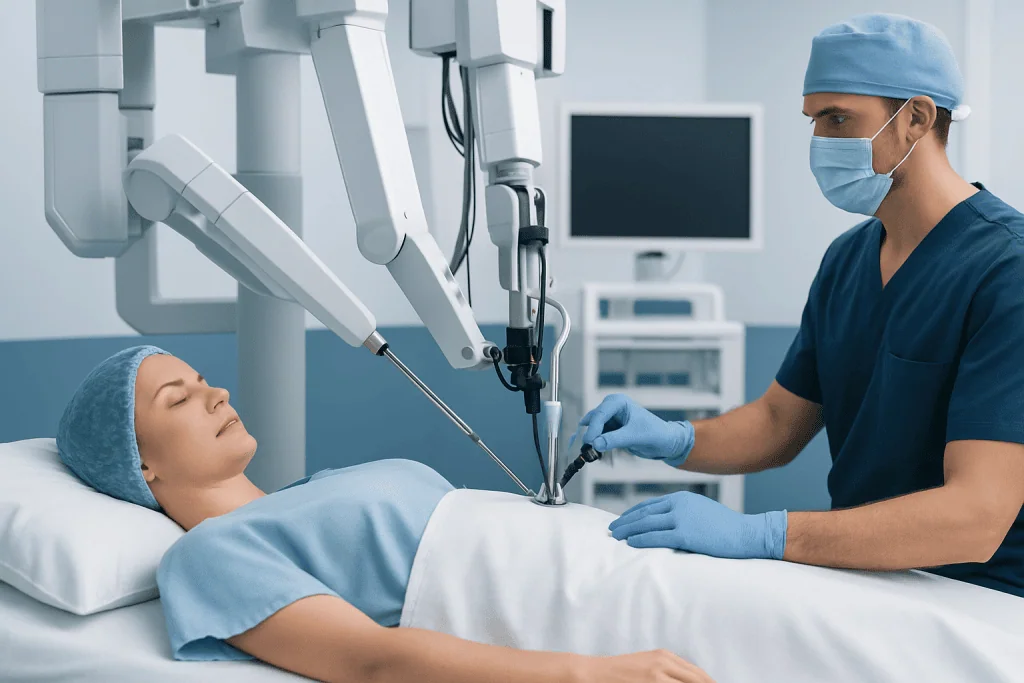
A urologist may consider a procedure when infections return despite appropriate evaluation and treatment, especially when urine cannot drain normally. Surgery may also be needed urgently if infection occurs together with an obstructed kidney, as pressure and infection can damage kidney function and may require drainage before definitive repair.
Before recommending an operation, the care team commonly reviews the pattern of infections, urine culture results, prior antibiotic use, medicines, kidney function, pregnancy status where relevant, and medical conditions such as diabetes or immune suppression. Ultrasound, CT, cystoscopy, or other tests may be used to identify stones, blockage, tumors, reflux, or structural changes.
- Kidney or bladder stones that harbor bacteria or block urine flow
- Urethral narrowing (stricture) or ureteral narrowing
- Urinary retention caused by prostate enlargement or bladder outlet obstruction
- Urinary tract abnormalities present from birth or after injury
- Fistulas or diverticula that allow urine to pool or pass abnormally
- Recurrent infection associated with an indwelling device or foreign material
Not everyone with recurrent UTIs needs surgery. Hydration, addressing bowel or bladder habits, targeted medicines, and management of underlying conditions may be sufficient. The decision should follow a clear diagnosis and a discussion of expected benefit, alternatives, and possible risks.
How the UTI Surgery Procedure Works

The UTI surgery procedure varies widely because it is directed at the specific cause. Some interventions are performed through the urethra using a camera called a cystoscope. Others use small abdominal incisions with laparoscopic or robotic techniques, while more complex reconstruction may require open surgery. General, spinal, or local anesthesia may be used depending on the procedure.
For a stone or obstruction, the first priority may be to drain infected urine. A urologist may place a ureteric stent between the kidney and bladder, or a nephrostomy tube through the skin into the kidney. Once the infection is controlled, a later procedure may remove the stone or correct the blockage. This staged approach helps reduce the risk of operating while a serious infection is active.
For example, an enlarged prostate may be treated with a transurethral procedure to improve flow, while a urethral stricture may be widened or reconstructed. A bladder stone can often be broken up and removed through a scope. When the issue is a bladder abnormality or severe bladder disease, reconstructive bladder surgery may be considered after specialist assessment.
On the day of surgery, patients usually have a preoperative review, anesthesia assessment, and instructions about fasting and regular medicines. The team then performs the planned intervention, sends removed tissue or stones for testing when appropriate, and may leave a catheter, stent, or drain temporarily to support healing.
Benefits, Risks and Expected Results
The main potential benefit of UTI surgery is to restore more normal urine flow or remove a persistent source of bacteria. Successful correction of a stone, obstruction, or structural problem can reduce infections, relieve pain or pressure, protect kidney function, and improve day-to-day urinary symptoms. Results depend on whether the identified problem is the main driver of infection and whether other risk factors are also present.
Every procedure has risks. These may include bleeding, pain, anesthesia-related complications, injury to nearby organs, blood clots, scarring, leakage of urine, temporary difficulty emptying the bladder, and the need for further treatment. Infection can occur after any urinary procedure, and a UTI after procedure may cause burning, urgency, fever, cloudy urine, or new pain.
Antibiotics may be prescribed before or around surgery when indicated, particularly if bacteria are found in the urine. However, antibiotics are not always needed for every symptom after surgery, and urine cultures can help guide treatment. Patients should use antibiotics exactly as prescribed and should not use leftover medicines.
People with complex urinary conditions may benefit from coordinated care involving urology, nephrology, infectious diseases, gynecology, oncology, or rehabilitation specialists. Acibadem International’s multidisciplinary specialists and JCI-accredited hospitals assess and treat urinary tract conditions for international patients when specialist care is needed.
UTI Surgery Recovery: Timeline and Self-Care
UTI surgery recovery depends on the operation. A simple cystoscopic procedure may allow discharge the same day and return to light activities within days. Recovery after laparoscopic, robotic, or open reconstructive surgery is usually longer and may involve a hospital stay, restricted lifting, and several weeks of gradual activity progression.
A catheter may remain in place for a short period after bladder, prostate, or urethral surgery. Some discomfort, urinary urgency, mild burning, or small amounts of blood in the urine can occur early in recovery, particularly after endoscopic procedures. The care team will explain what is expected, how to care for a catheter or stent, and when it will be removed.
Patients are commonly advised to drink fluids as directed, take prescribed pain relief, avoid strenuous activity until cleared, and attend follow-up visits. The exact advice can differ if there is heart, kidney, or fluid-balance disease, so individual instructions should take priority. A urine test, imaging scan, or cystoscopy may be arranged to confirm healing and monitor for recurrence.
Recovery can be affected by the original problem, the presence of an infection before surgery, age, nutrition, smoking, diabetes, and the type of procedure. It is reasonable to ask the surgical team about expected time away from work, driving restrictions, sexual activity, exercise, and plans for stent or catheter removal.
How Do You Pee After Bladder Surgery?
After many bladder operations, urine initially drains through a catheter placed through the urethra. The catheter collects urine in a bag while the bladder and surgical area heal. Depending on the procedure, it may remain for a day or two, or longer after major bladder repair or reconstruction.
Once the catheter is removed, some people may temporarily experience burning, urgency, frequent urination, slower flow, or difficulty starting to urinate. These symptoms should gradually improve, but the team may check that the bladder empties adequately before discharge or at follow-up.
After bladder removal surgery, urine must be diverted because the original bladder is no longer present. Options can include a urostomy, where urine drains into a pouch through an opening on the abdomen, a continent internal pouch emptied with a catheter, or a surgically created neobladder that allows urine to pass through the urethra in selected people. The most suitable method depends on the reason for surgery, anatomy, kidney function, and personal preferences.
Is Bladder Surgery a Serious Surgery?
Bladder surgery ranges from relatively minor outpatient procedures to major operations. A short procedure performed through a cystoscope is generally less invasive than surgery that removes part or all of the bladder or reconstructs the urinary tract. The seriousness of the operation depends on its purpose, the technique, anesthesia, expected blood loss, hospital stay, and the person’s overall health.
Major bladder surgery requires careful preparation and recovery because it can affect urinary control, sexual function, bowel function, kidney drainage, and body image. However, these procedures are performed when the expected benefit outweighs the risks, and patients are supported by surgeons, anesthesiologists, nurses, rehabilitation professionals, and other specialists as needed.
Patients should ask their surgeon why the procedure is recommended, what alternatives exist, which complications are most relevant to them, and what changes to expect afterward. Clear preoperative planning can help patients and families prepare practically and emotionally.
How Long Does It Take to Recover From Urinary Bladder Surgery?
Recovery from urinary bladder surgery can range from several days to several months. After a small endoscopic procedure, many people resume everyday activities within a few days to two weeks, although urinary irritation may last somewhat longer. More extensive repair or reconstruction often requires several weeks before normal strength and routines return.
After bladder removal, recovery is more substantial. Hospital recovery may take days to a few weeks depending on the operation and any complications, while adjustment to a urinary diversion can continue for months. Energy, appetite, bowel habits, sleep, and confidence with self-care commonly improve gradually rather than all at once.
Follow-up is an important part of recovery. It may include wound checks, catheter or stent removal, blood tests, kidney function monitoring, and education about urinary diversion supplies or pelvic-floor rehabilitation where appropriate. Individual recovery times should be discussed directly with the treating surgical team.
What Is Life Like After Bladder Removal Surgery?
Life after bladder removal surgery can be active and fulfilling, but it involves adapting to a new way of storing or draining urine. With a urostomy, patients learn to manage a discreet external pouch. With a continent pouch, they learn clean intermittent catheterization. With a neobladder, they may follow a timed emptying schedule and may initially experience leakage, particularly at night.
Learning these routines takes time. Specialist nurses and rehabilitation teams provide practical instruction on skin care, pouch changes, catheter use, fluid intake, and recognizing complications. Some patients also need support for changes in sexual function, fertility, body image, or emotional wellbeing.
Long-term follow-up remains important to monitor kidney function, nutritional status, infections, stones, and the function of the urinary diversion. New fever, flank pain, persistent vomiting, reduced urine output, significant bleeding, or problems with a stoma or catheter should be assessed promptly.
When to Seek Medical Care
Medical assessment is important for recurrent UTI symptoms, especially when they occur repeatedly, do not improve with treatment, or are associated with known urinary stones, urinary retention, a catheter, pregnancy, kidney disease, or immune suppression. A clinician can determine whether the symptoms represent a UTI and whether an underlying structural issue needs investigation.
Urgent medical care is needed for fever or chills with urinary symptoms, pain in the side or back, vomiting, confusion, inability to pass urine, severe lower abdominal pain, or visible blood in the urine with clots. These signs can indicate a kidney infection, obstruction, or another condition requiring prompt treatment.
After a urinary procedure, patients should contact their care team for worsening pain, persistent fever, foul-smelling urine, increasing bleeding, catheter blockage, leakage around a catheter, or inability to keep fluids down. Following the surgical team’s instructions and attending scheduled follow-up offers the best opportunity for a safe recovery and lasting improvement.
Frequently asked questions
Does a UTI usually require surgery?
No. Most UTIs are treated with appropriate medical care, often including antibiotics when a bacterial infection is confirmed. Surgery is generally considered only when a structural problem, blockage, stone, or other condition is contributing to recurrent or complicated infections.
Can surgery stop recurrent UTIs?
Surgery may reduce recurrent UTIs when it corrects the underlying cause, such as a stone, obstruction, or abnormal urinary tract connection. It may not prevent every future infection, especially if other risk factors remain. Follow-up and prevention strategies are still important.
Will I have a catheter after urinary tract surgery?
Many urinary procedures involve a temporary catheter to drain urine while tissues heal. The duration depends on the type of operation and the surgeon's assessment. The care team will show the patient how to manage the catheter and explain when it should be removed.
Is blood in the urine normal after bladder surgery?
A small amount of blood or pink urine can be expected for a short time after some urinary procedures. However, heavy bleeding, clots, worsening bleeding, severe pain, dizziness, or difficulty passing urine should be reported urgently to the surgical team or emergency services.
Can a UTI happen after a urinary procedure?
Yes. A UTI after procedure can occur, particularly when a catheter or stent is used. Symptoms such as fever, chills, increasing pain, cloudy or foul-smelling urine, or feeling unwell should be assessed by a healthcare professional rather than treated with leftover antibiotics.
How can someone prepare for UTI surgery?
Preparation may include urine testing, blood tests, imaging, medication review, and treatment of an active infection before surgery. Patients should follow instructions about fasting, smoking cessation, medicines that affect bleeding, and arranging help at home. They should also ask about recovery expectations, catheter care, and follow-up plans.
References
- National Institute of Diabetes and Digestive and Kidney Diseases
- European Association of Urology
- American Urological Association
- National Health Service
- Mayo Clinic
This article is for general information only and is not a substitute for professional medical advice. Please consult a qualified doctor about your individual situation.
Persistent digestive symptoms? Get evaluated in Turkey
JCI-accredited · board-certified surgeons · reply within 24h
Add us as a Preferred Source to see more of our trusted health content across Google Search, AI Overviews and Discover.