Uveitis: Eye Inflammation, Light Sensitivity, and Urgent Care

Uveitis is inflammation of the uvea, the middle layer of the eye, but it may also involve nearby eye tissues. Common symptoms include eye redness, pain, light sensitivity, floaters and blurred or reduced vision.
Key Takeaways
- Uveitis is inflammation of the uvea, the middle layer of the eye, but it may also involve nearby eye tissues.
- Common symptoms include eye redness, pain, light sensitivity, floaters and blurred or reduced vision.
- Causes include autoimmune diseases, infections, eye injury and, in some cases, no identifiable trigger.
- Diagnosis requires a detailed eye examination, and some patients also need blood tests or imaging to look for an underlying condition.
- Treatment depends on the cause and may include anti-inflammatory eye drops, medicines that dilate the pupil, oral medicines or targeted treatment for infection.
- A red, painful eye with light sensitivity or vision changes should be checked urgently by an eye specialist.
Uveitis is inflammation inside the eye that may affect one or both eyes and can threaten vision if not treated promptly. Because symptoms such as eye pain, redness, blurred vision and light sensitivity can develop quickly, timely assessment by an ophthalmologist is important.
Overview
Uveitis is a medical term for inflammation inside the eye. It most often involves the uvea, which is the middle layer of the eye and includes the iris, ciliary body and choroid. However, inflammation can also affect neighboring structures such as the retina, vitreous gel or optic nerve. Uveitis may occur in one eye or both eyes, and it can be sudden and short-lived or recurrent and long-lasting.
The condition is important because the inside of the eye is delicate and vision depends on clear, well-functioning tissues. Inflammation can make the eye painful and sensitive to light, and it can blur vision. With early diagnosis and appropriate treatment, many people recover well, but untreated or repeated inflammation may lead to complications such as cataract, glaucoma, macular swelling or permanent vision loss.
Doctors classify uveitis according to where inflammation is located. Anterior uveitis affects the front part of the eye and is the most common form. Intermediate uveitis involves the vitreous and middle area of the eye, posterior uveitis affects the retina or choroid at the back of the eye, and panuveitis involves several areas. This classification helps guide the examination, testing and treatment plan.
Symptoms of Uveitis
Symptoms of uveitis vary depending on the part of the eye affected and how quickly inflammation develops. Anterior uveitis often causes a red, painful eye and marked sensitivity to light. Posterior or intermediate uveitis may cause fewer surface symptoms but can lead to floaters, hazy vision or a shadow in the visual field.
Common symptoms may include:
- Eye redness, often more noticeable around the colored part of the eye
- Eye pain, aching or tenderness
- Light sensitivity, also called photophobia
- Blurred vision or reduced sharpness of vision
- Floaters, spots, cobwebs or specks moving in the vision
- Headache or discomfort around the eye
- Small or irregular pupil in some cases
Symptoms may appear suddenly over hours or days, or they may develop gradually. In children, uveitis can be harder to detect because symptoms may be mild or not clearly described. Any new eye redness with pain, light sensitivity or vision changes should be taken seriously and assessed by an eye care professional.
Causes and Risk Factors

Uveitis occurs when the immune system causes inflammation inside the eye. In some people, it is linked to an autoimmune or inflammatory condition in which the immune system mistakenly attacks healthy tissues. Examples include ankylosing spondylitis, juvenile idiopathic arthritis, inflammatory bowel disease, sarcoidosis, Behçet disease, psoriatic arthritis and certain forms of reactive arthritis.
Infections can also cause uveitis. Depending on the patient and the region, possible infectious causes may include herpes viruses, toxoplasmosis, tuberculosis, syphilis, cytomegalovirus and other bacterial, viral, fungal or parasitic infections. Eye injury, previous eye surgery or, rarely, certain medications can also trigger inflammation. In many cases, especially with a first episode of anterior uveitis, no single cause is found.
Risk factors include a personal or family history of autoimmune disease, previous episodes of uveitis, certain genetic markers such as HLA-B27, immune suppression, exposure risks for infection and some systemic inflammatory symptoms. Symptoms outside the eye, such as joint pain, back stiffness, mouth ulcers, skin rashes, digestive symptoms or unexplained fever, can provide important clues and should be shared with the doctor.
Diagnosis
Diagnosis begins with a careful history and a comprehensive eye examination by an ophthalmologist. The doctor asks about symptoms, previous episodes, general health, medication use, recent infections, injuries and any autoimmune or inflammatory conditions. Visual acuity is measured, and eye pressure may be checked because uveitis and some treatments can affect pressure inside the eye.
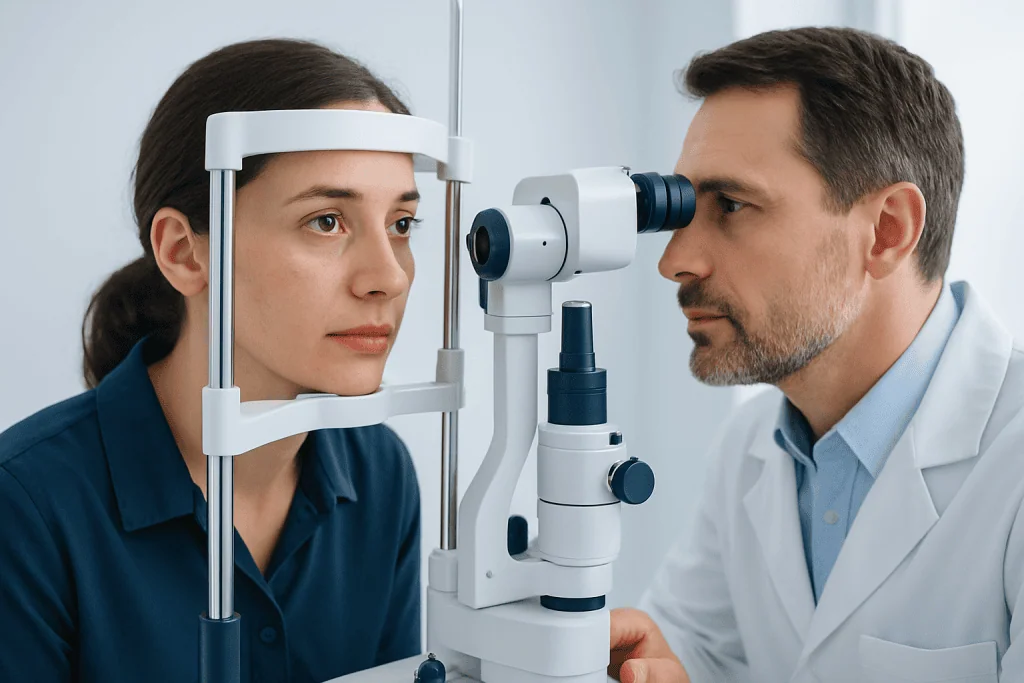
A slit-lamp examination allows the doctor to look for inflammatory cells and protein in the front chamber of the eye. The pupil may be dilated so the retina, optic nerve and vitreous can be examined. Additional tests such as optical coherence tomography, fundus photography, fluorescein angiography or ultrasound may be used when inflammation involves the back of the eye or when the view is unclear.
Not every person with uveitis needs extensive testing after a mild first episode, but blood tests, chest imaging or infectious disease tests may be recommended when inflammation is severe, recurrent, bilateral, unusual or associated with systemic symptoms. The aim is to identify treatable infections, recognize autoimmune disease and choose therapy safely.
Treatment Options
Treatment for uveitis depends on the location, severity and cause of inflammation. The main goals are to reduce inflammation, relieve pain, treat any underlying cause and prevent complications. Because different types of uveitis require different approaches, treatment should be supervised by an ophthalmologist rather than managed with over-the-counter eye drops alone.
Anterior uveitis is often treated with corticosteroid eye drops to control inflammation and cycloplegic or dilating drops to reduce pain from pupil movement and prevent the iris from sticking to the lens. The frequency and duration of drops depend on the severity of inflammation and are adjusted during follow-up visits. Stopping steroid drops suddenly or using them without monitoring can be harmful, so patients should follow the prescribed plan closely.
More severe, recurrent or posterior uveitis may require corticosteroids by injection or by mouth, immunomodulatory medicines, biologic therapy or treatment directed at a specific infection. If an infection is present, antimicrobial treatment is essential, and steroid therapy may need special timing and monitoring. When uveitis is connected to a systemic disease, care may involve both an ophthalmologist and specialists such as a rheumatologist, infectious disease physician or internist.
Possible Complications and Follow-Up
Most people with uveitis do well when inflammation is recognized and treated promptly. However, ongoing or repeated inflammation can increase the risk of complications. These may include cataract, glaucoma, swelling in the macula at the center of the retina, scar tissue, retinal damage or optic nerve involvement. The risk depends on the type of uveitis, how long it has been active and how well it responds to treatment.
Follow-up visits are a key part of care, even when symptoms improve. The ophthalmologist checks whether inflammatory cells are decreasing, whether eye pressure is safe and whether the retina remains healthy. Some complications develop silently, so a person may feel better while still needing treatment adjustment or monitoring.
Patients should not skip follow-up appointments or reuse old steroid drops without medical advice. Steroid medicines can be highly effective, but they may raise eye pressure or contribute to cataract when used inappropriately. A structured treatment plan helps balance inflammation control with medication safety.
Prevention and Self-Care
There is no guaranteed way to prevent all forms of uveitis, especially when it is related to autoimmune disease or an unknown trigger. Still, patients can reduce risk and protect eye health by managing known inflammatory conditions, attending regular medical appointments and reporting new eye symptoms early. People with recurrent uveitis should understand their personal warning signs and have a clear plan for urgent review.
Self-care should support, not replace, medical treatment. Wearing sunglasses may ease light sensitivity while inflammation is active. Resting the eyes, avoiding contact lenses until the doctor confirms they are safe, and using prescribed drops exactly as directed can help recovery. Patients should wash hands before applying eye drops and avoid sharing eye medications.
If uveitis is associated with an infection, completing the recommended treatment is important. If it is associated with an autoimmune disease, coordinated care may reduce flare-ups. Smoking cessation, good control of chronic conditions and prompt treatment of systemic infections are also sensible steps for overall health and eye protection.
When to See a Doctor
A person should seek urgent eye care if they develop a red, painful eye with light sensitivity, blurred vision, new floaters or reduced vision. These symptoms may be caused by uveitis or by other eye conditions that also require timely treatment, such as corneal infection, acute glaucoma or retinal problems. Early assessment helps identify the cause and protect vision.
Immediate medical attention is especially important if symptoms occur after eye injury or eye surgery, if both eyes are involved, if there is significant vision loss, or if the person has an immune system problem. Children with eye redness, squinting, light avoidance or unexplained visual behavior changes should also be evaluated promptly.
For international patients, Acibadem International provides access to multidisciplinary specialists and JCI-accredited hospitals that diagnose and treat eye inflammation, including uveitis. The most appropriate care plan depends on the individual examination findings, test results and overall health, so patients should consult a qualified ophthalmologist for personalized advice.
Frequently asked questions
Is uveitis an emergency?
Uveitis can be urgent, especially when there is eye pain, light sensitivity, redness or vision change. It should be assessed promptly by an ophthalmologist because early treatment helps reduce inflammation and lower the risk of complications. A red, painful eye should not be treated only with over-the-counter drops.
Can uveitis cause permanent vision loss?
Uveitis can affect vision temporarily and, if untreated or recurrent, may lead to complications that can cause lasting vision loss. These complications include glaucoma, cataract, macular swelling and retinal damage. Prompt diagnosis, correct treatment and follow-up greatly improve the chance of protecting vision.
What does uveitis pain feel like?
Many people describe uveitis pain as an ache inside or around the eye, often worse in bright light. The eye may feel tender, and focusing may be uncomfortable. Some types of uveitis, especially those affecting the back of the eye, may cause little pain but more floaters or blurred vision.
Is uveitis contagious?
Uveitis itself is inflammation inside the eye and is not contagious. However, some infections that can trigger uveitis may be contagious or may require specific antimicrobial treatment. The doctor determines whether infection is involved based on the examination and any necessary tests.
How long does uveitis treatment take?
The duration of treatment depends on the type and severity of uveitis and whether there is an underlying cause. A mild anterior episode may improve over days to weeks with prescribed drops, while recurrent or posterior uveitis may need longer treatment and specialist follow-up. Patients should not stop treatment early unless the ophthalmologist advises it.
Can uveitis come back?
Yes, uveitis can recur, particularly when it is linked to autoimmune or inflammatory disease. People who have had uveitis before should seek care quickly if familiar symptoms return. Regular follow-up and management of underlying conditions can help reduce the impact of flare-ups.
References
- American Academy of Ophthalmology
- National Eye Institute
- Mayo Clinic
- Royal College of Ophthalmologists
- World Health Organization
This article is for general information only and is not a substitute for professional medical advice. Please consult a qualified doctor about your individual situation.
Explore treatments in Turkey — costs, top hospitals & a free quote
JCI-accredited · board-certified surgeons · reply within 24h
Add us as a Preferred Source to see more of our trusted health content across Google Search, AI Overviews and Discover.