Vaccination Zoster: What Patients Need to Know
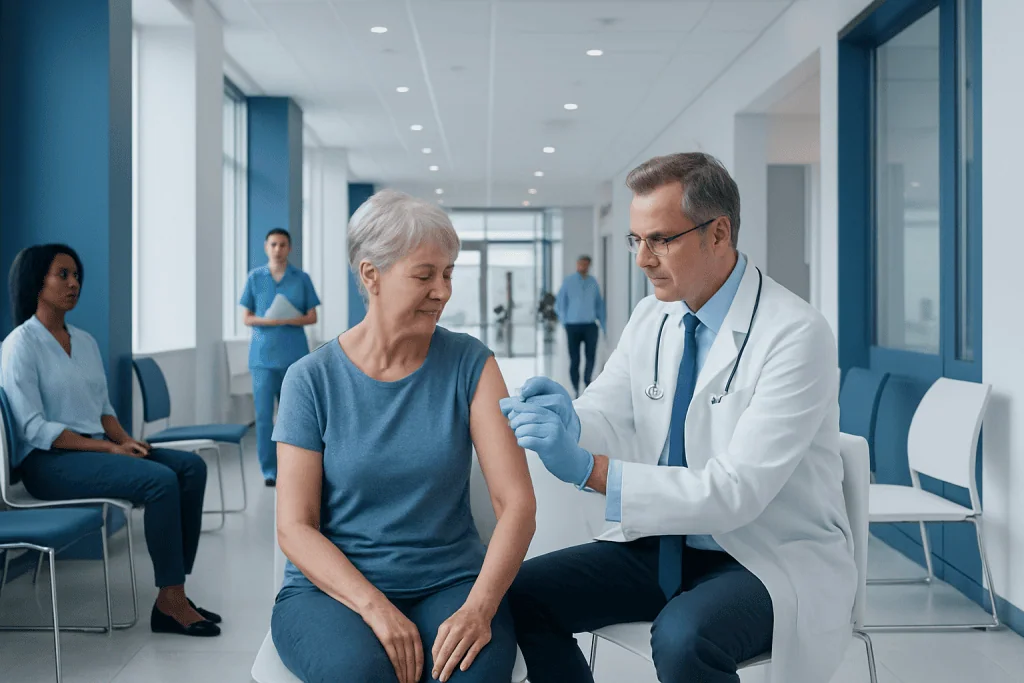
Vaccination zoster is designed to prevent shingles and lower the risk of complications such as postherpetic neuralgia. Shingles happens when the chickenpox virus reactivates later in life, often as immunity changes with age or illness.
Key Takeaways
- Vaccination zoster is designed to prevent shingles and lower the risk of complications such as postherpetic neuralgia.
- Shingles happens when the chickenpox virus reactivates later in life, often as immunity changes with age or illness.
- The shingles vaccine is commonly recommended for older adults and may also be advised for some younger adults with weakened immune systems.
- The vaccine cannot cure an active shingles rash, but it can help prevent future episodes and reduce severity.
- Temporary side effects such as arm soreness, fatigue, or mild fever are common and usually short-lived.
- A doctor can advise the right timing if a person has had shingles before, is pregnant, or is receiving immune-suppressing treatment.
Vaccination zoster refers to the shingles vaccine used to reduce the risk of herpes zoster and long-lasting nerve pain after the rash clears. For most eligible adults, it is a preventive step that lowers the chance of severe disease rather than treating an active outbreak.
Overview: What vaccination zoster means
Vaccination zoster means receiving a vaccine that helps protect against shingles, also called herpes zoster. Shingles develops when the varicella-zoster virus, the same virus that causes chickenpox, becomes active again years after the original infection. The vaccine is used to reduce the chance of this reactivation and to lower the risk of complications if shingles does occur.
For many patients, the main reason to consider vaccination zoster is prevention of severe pain and prolonged nerve symptoms. One of the best-known complications is postherpetic neuralgia, a lingering nerve pain that can continue after the skin rash has healed. The vaccine cannot treat current shingles, but it can make future illness less likely and often less severe.
Today, doctors most often discuss the newer recombinant shingles vaccine, which is not a live vaccine. This matters because it affects who can safely receive it and how well it works in different age groups. Eligibility and timing can vary by country, age, medical history, and immune status, so individual advice is important.
Who should consider the shingles vaccine
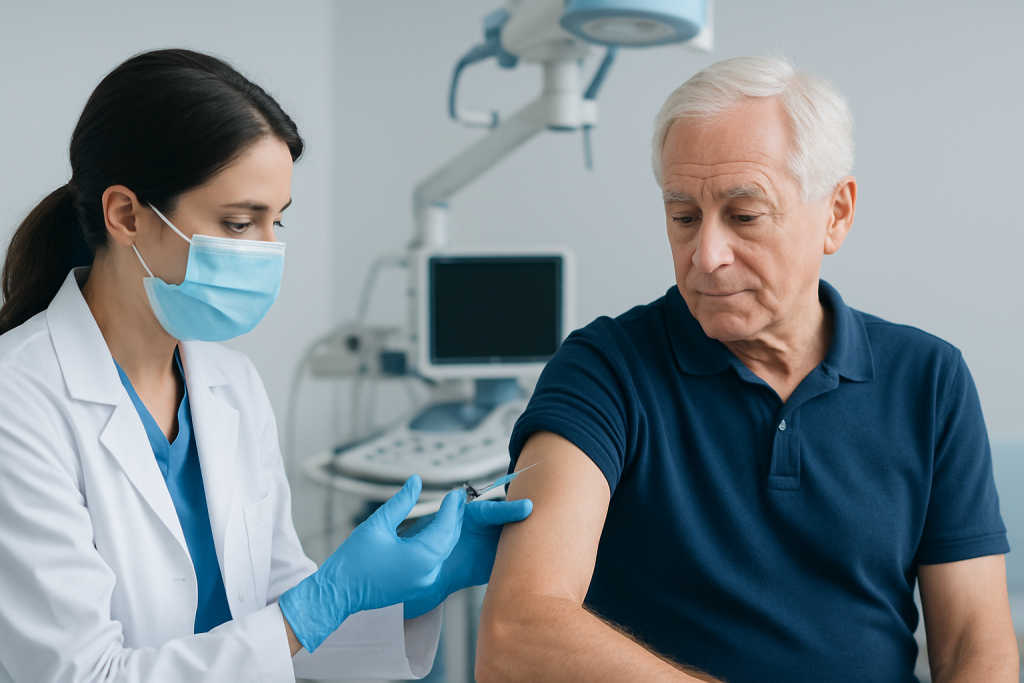
Vaccination zoster is commonly recommended for adults as they get older because the immune system naturally changes with age. Risk rises over time, and shingles can be more severe in older adults. In many settings, routine vaccination is advised starting at age 50, although local recommendations may differ.
Some adults younger than 50 may also be advised to receive the vaccine if they have conditions or treatments that weaken the immune system. This can include certain cancers, organ transplantation, immune disorders, or medicines that suppress immune function. A doctor can help weigh the potential benefit against timing and any precautions.
Patients who have had shingles before may still benefit from vaccination zoster. A past episode does not guarantee lifelong protection, and shingles can sometimes recur. People who previously received an older shingles vaccine may also be advised to get the newer vaccine, depending on current clinical guidance.
Because shingles is caused by reactivation of the chickenpox virus, the discussion is separate from routine childhood chickenpox vaccination. Patients who are unsure whether they ever had chickenpox should not guess based on memory alone. Their clinician can advise the most appropriate next step.
How shingles develops and why prevention matters

After a person recovers from chickenpox, the varicella-zoster virus does not fully leave the body. Instead, it remains inactive in nerve tissue and may reactivate years later. When this happens, it can travel along a nerve and cause a painful rash, usually on one side of the body or face.
Typical shingles symptoms include burning, tingling, sensitivity of the skin, and clusters of blisters. Some people feel unwell or develop headache and fatigue. While many cases improve within weeks, others lead to persistent nerve pain, bacterial skin infection, or eye involvement when the rash affects the forehead or around the eye.
Understanding the illness helps explain why vaccination zoster is important. Prevention is not only about avoiding a rash; it is also about reducing the risk of ongoing pain and complications that can interfere with sleep, work, mood, and daily activity. Patients wanting to learn more about the condition itself may find it helpful to read about shingles.
Preventive care is especially valuable because there is no way to completely remove the dormant virus from the body. Vaccination supports the immune system in recognizing and controlling the virus before it causes illness. This is why doctors focus on prevention even for people who otherwise feel well.
Timing, dosing, and what to expect at the appointment
The shingles vaccine is usually given as a series rather than a single lifetime injection. In many countries, the currently preferred vaccine is given in two doses spaced several months apart. Patients should follow the schedule advised by their doctor or local public health authority, since full protection depends on completing the series.
At the appointment, the vaccine is typically injected into the upper arm. Most visits are brief, and patients can usually return to normal activities the same day. As with other adult vaccinations, it is helpful to tell the care team about allergies, recent illness, pregnancy, immune-suppressing medicines, or a history of fainting with injections.
If a person currently has shingles, vaccination is generally postponed until the acute illness has resolved. Timing may also need adjustment after certain treatments such as chemotherapy or around the use of high-dose steroids. For patients receiving complex care, specialists may coordinate the safest vaccine timing alongside other services such as medical oncology or transplant follow-up.
Some people ask whether they need the vaccine if they rarely get sick or already had chickenpox decades ago. In most cases, prior chickenpox is the reason shingles can happen later, not a reason to avoid vaccination. Personal recommendations should still come from a qualified clinician who knows the patient’s overall health.
Safety, side effects, and who may need special advice
Vaccination zoster is considered safe for most eligible adults, and side effects are usually mild to moderate and temporary. The most common reactions are soreness, redness, or swelling at the injection site. Some people also feel tired, achy, develop a mild fever, or notice headache for a short time.
These reactions are signs that the immune system is responding to the vaccine, although not everyone experiences them. Rest, hydration, and routine comfort measures are often enough until symptoms pass. If side effects feel severe, last longer than expected, or raise concern, a doctor or pharmacist should be contacted for advice.
Certain situations call for individualized guidance. People who are pregnant, currently very unwell with fever, have had a severe allergic reaction to a previous dose, or are receiving specific immune-suppressing therapies may need to delay vaccination or discuss alternatives. Patients with complex skin or nerve symptoms may also need assessment to make sure the diagnosis is correct, since conditions such as herpes simplex can sometimes cause blistering rashes for different reasons.
Rarely, a painful rash near the eye or severe facial symptoms may require urgent evaluation because vision can be affected. In those situations, the issue is not the vaccine side effect itself, but the possibility of active shingles involving the eye or surrounding nerves. Prompt medical review helps protect eye health and supports early treatment.
What the vaccine does and does not do
A common misunderstanding is that vaccination zoster treats shingles once the rash appears. It does not. If a person develops a shingles rash, the goal becomes diagnosis and timely antiviral treatment, which may shorten illness and reduce complications when started early.
The vaccine is meant to lower the chance of getting shingles in the future and to reduce how serious it may be if it occurs. It also helps reduce the risk of long-lasting nerve pain after the rash heals. This distinction is important because someone with a new rash should seek medical advice rather than waiting for vaccination to solve the problem.
Another common question is whether the vaccine guarantees complete protection. No vaccine offers perfect protection for every person, and immunity can vary depending on age and health status. Even so, vaccination zoster remains an important preventive measure because it lowers risk in a meaningful way and supports healthier aging.
For patients who do develop shingles despite vaccination, medical care may still be needed to manage pain, protect the skin, and monitor for complications. Depending on symptoms, care can involve evaluation by specialists in infectious disease, dermatology, neurology, or ophthalmology. In selected cases, doctors may recommend approaches related to pain management if nerve pain is prolonged.
Everyday prevention and self-care after vaccination
Vaccination is the most direct way to reduce the risk of shingles, but general health habits still matter. Adequate sleep, balanced nutrition, physical activity suited to the individual, and good management of chronic conditions all support the immune system. These measures do not replace the vaccine, but they can contribute to overall resilience.
After receiving the vaccine, most people only need simple self-care. Wearing loose clothing around the injection site, moving the arm gently, drinking fluids, and resting if tired are often enough. Patients should keep any follow-up appointment so the vaccine series is completed on time.
If a person later develops a new painful, one-sided rash or tingling with blisters, they should not assume vaccination failed or ignore the symptoms. It is still important to have the rash assessed quickly because early treatment can matter. This is particularly true if the rash is on the face, near the eye, or accompanied by significant pain.
Near the end of the care journey, some patients seek coordinated evaluation across specialties. Acibadem International’s multidisciplinary specialists and JCI-accredited hospitals diagnose and treat shingles-related conditions for international patients when further assessment is needed.
When to seek medical care
Medical advice is appropriate before vaccination if a patient is unsure about eligibility, has a weakened immune system, is pregnant, has a history of severe allergy to vaccines, or is receiving treatment that affects immune function. A clinician can review timing, risks, and benefits in the context of the person’s full medical history.
After vaccination, urgent help is rarely needed, but prompt medical attention is important for signs of a severe allergic reaction such as difficulty breathing, swelling of the face or throat, or widespread hives. Any concerning reaction should be evaluated without delay.
Patients should also seek medical care promptly if they develop symptoms that may suggest active shingles, especially a painful blistering rash on one side of the body, facial rash, eye redness, vision changes, ear pain, weakness, or severe headache. Early evaluation allows doctors to confirm the diagnosis and begin appropriate care. If pain, numbness, or weakness raises concern about nerve involvement, further assessment by teams involved in neurology may be considered.
Frequently asked questions
What is vaccination zoster?
Vaccination zoster refers to the shingles vaccine used to help prevent herpes zoster, also called shingles. It lowers the risk of illness and can reduce the chance of complications such as long-lasting nerve pain.
Can a person get the shingles vaccine if they already had shingles?
Yes, many people can still benefit from vaccination after a previous episode of shingles. A doctor can advise when to receive it, usually after the acute illness and rash have fully settled.
Does vaccination zoster treat an active shingles rash?
No, the vaccine does not treat active shingles. A new painful rash or blisters should be assessed by a doctor because antiviral treatment may be needed.
Who should ask a doctor before getting the shingles vaccine?
People who are pregnant, immunocompromised, acutely ill, or have had a serious allergic reaction to a previous vaccine dose should seek medical advice first. Patients receiving chemotherapy, high-dose steroids, or other immune-suppressing treatment may need special timing.
What side effects are common after the shingles vaccine?
Common side effects include pain, redness, or swelling in the arm, along with tiredness, mild fever, headache, or muscle aches. These symptoms are usually temporary and improve within a few days.
Can someone get shingles even after vaccination zoster?
Yes, shingles can still occur after vaccination, but the risk is lower and the illness is often less severe. Vaccination also helps reduce the chance of complications such as postherpetic neuralgia.
This article is for general information only and is not a substitute for professional medical advice. Please consult a qualified doctor about your individual situation.
Explore treatments in Turkey — costs, top hospitals & a free quote
JCI-accredited · board-certified surgeons · reply within 24h
Add us as a Preferred Source to see more of our trusted health content across Google Search, AI Overviews and Discover.

More from the Health Library

Black Spot on Toenail: A Complete Medical Overview

Healthy Gums: An Evidence-Based Guide for Patients

Broken Jaw: A Complete Medical Overview

Piles Alcohol: An Evidence-Based Guide for Patients

Contractions — Explained by Medical Evidence, Not Myths

Renal Agenesis: What Patients Need to Know
Infectious Diseases & Clinical Microbiology Specialists at Acibadem

Prof. Dr. Kenan Hızel
Infectious Diseases & Clinical Microbiology
Dr. Krıstıne Koyunseven
Infectious Diseases & Clinical Microbiology
Dr. Meltem Hüner
Infectious Diseases & Clinical Microbiology
Dr. Nevin Sarıgüzel
Infectious Diseases & Clinical Microbiology