Vaginal Atrophy After Menopause: Symptoms, Treatments, and What Relief to Expect

Vaginal atrophy after menopause happens when lower estrogen makes vaginal and urinary tissues thinner, drier, and less elastic. Common symptoms include dryness, burning, itching, pain during sex, and sometimes urinary urgency or recurrent urinary discomfort.
Key Takeaways
- Vaginal atrophy after menopause happens when lower estrogen makes vaginal and urinary tissues thinner, drier, and less elastic.
- Common symptoms include dryness, burning, itching, pain during sex, and sometimes urinary urgency or recurrent urinary discomfort.
- Effective treatments may include vaginal moisturizers, lubricants, local estrogen therapy, and other prescription options depending on symptoms and medical history.
- Symptoms often improve with treatment, but ongoing care may be needed to maintain relief.
- A medical evaluation is important to confirm the cause and rule out infection, skin conditions, or other causes of bleeding or pain.
Vaginal atrophy after menopause is a common condition caused by lower estrogen levels, leading to dryness, irritation, and discomfort. With the right diagnosis and treatment, many women experience meaningful relief and improved comfort in daily life and intimacy.
Overview
Vaginal atrophy after menopause refers to changes in the vaginal tissues that develop when estrogen levels fall. The lining of the vagina becomes thinner, drier, and less flexible, which can lead to discomfort in everyday life as well as during sexual activity. Many clinicians now use the broader term genitourinary syndrome of menopause because the same hormonal changes can also affect the vulva, bladder, and urinary tract.
This condition is very common, but it is often under-discussed. Some women assume symptoms are simply an unavoidable part of aging, while others may feel embarrassed bringing them up. In reality, these symptoms are recognized medical concerns, and there are several ways to reduce discomfort and improve quality of life.
Unlike hot flashes, which may ease over time for many women, vaginal atrophy symptoms often continue or gradually worsen without treatment. The changes are not dangerous in most cases, but they can affect comfort, sleep, exercise, relationships, and self-confidence. A thoughtful medical assessment can help identify the most suitable treatment approach.
Symptoms of Vaginal Atrophy After Menopause
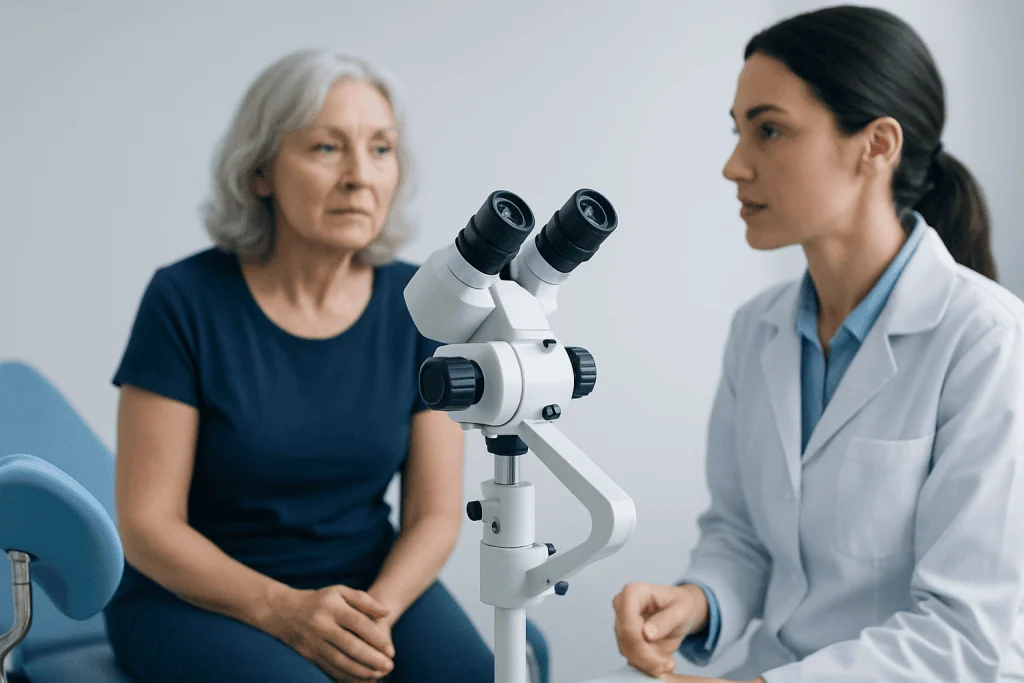
Symptoms can vary from mild to more bothersome. Some women notice mainly dryness, while others experience burning, irritation, or pain with intercourse. These changes happen because the vaginal tissue has less moisture and reduced elasticity, and the natural balance of the vaginal environment also changes.
Common symptoms include:
- Vaginal dryness
- Burning, stinging, or itching
- Discomfort or pain during sex
- Light spotting after intercourse
- Reduced natural lubrication
- A feeling of tightness or sensitivity
- Vulvar irritation
Urinary symptoms may occur at the same time. Some women develop urgency, burning with urination, frequent urination, or a tendency toward repeated urinary tract discomfort. Because these symptoms overlap with infection and other conditions, it is helpful to have them assessed rather than assuming hormones are the only cause.
The impact can be physical and emotional. Women may avoid intimacy because of pain, feel anxious about symptoms, or become frustrated when over-the-counter products do not fully help. These effects are valid and worth discussing with a healthcare professional.
Causes and Risk Factors

The main cause of vaginal atrophy after menopause is lower estrogen. Estrogen helps keep vaginal tissues thick, elastic, and well lubricated. When levels decrease during menopause, the vaginal lining produces less moisture, the tissue becomes more delicate, and the vaginal pH changes. This can contribute to irritation and sometimes increase susceptibility to infection or urinary symptoms.
Although menopause is the most common reason, similar changes can happen whenever estrogen levels drop. This may occur after surgical removal of the ovaries, during certain cancer treatments, while breastfeeding, or with some medications that reduce estrogen activity. Symptoms can also be more noticeable in women who are not sexually active, since regular vaginal activity can help maintain tissue flexibility in some cases.
Risk factors and related contributors may include:
- Natural menopause or early menopause
- Surgical menopause
- Breast cancer treatments or anti-estrogen medicines
- Smoking, which can affect blood flow and tissue health
- Lack of vaginal intercourse or penetration
- Use of perfumed soaps or irritating hygiene products
It is also important to remember that not every genital symptom after menopause is due to atrophy. Skin conditions, infections, pelvic floor tension, and other gynecologic conditions can cause similar complaints. A clear diagnosis guides safer and more effective care.
How Doctors Diagnose It
Diagnosis usually begins with a conversation about symptoms, menopause history, medications, sexual discomfort, and urinary complaints. Many women find that simply describing dryness, pain with sex, or burning gives the doctor important clues. The doctor may also ask about bleeding, discharge, prior infections, and any past history of gynecologic or cancer treatment.
A pelvic examination is often recommended. During the exam, a clinician looks for signs such as pale, thin, or fragile tissue, reduced moisture, narrowing of the vaginal opening, or tenderness. This exam is usually brief and can be adapted for comfort. If an exam feels difficult because of pain or anxiety, patients can say so; clinicians can often proceed more gently and explain each step.
Additional tests are not always needed, but they may be used in certain situations. A doctor may check for infection, evaluate urinary symptoms, or investigate bleeding to rule out other causes. When symptoms overlap with other conditions, assessment may also consider urinary tract infection, yeast infection, vulvar dermatoses, or pelvic floor dysfunction.
Any postmenopausal bleeding deserves medical review, even if atrophy is suspected. While light spotting after intercourse can happen with fragile tissue, persistent or unexplained bleeding should always be evaluated to exclude other gynecologic conditions.
Treatment Options and What Relief to Expect
Treatment depends on symptom severity, overall health, personal preference, and medical history. For many women with mild symptoms, regular use of vaginal moisturizers and lubricants can make a meaningful difference. Moisturizers help restore ongoing comfort, while lubricants reduce friction and discomfort during sexual activity. Choosing fragrance-free products is often best for sensitive tissue.
When symptoms are moderate to severe, prescription treatment may be recommended. Local vaginal estrogen is a common and effective option because it delivers estrogen directly to the affected tissue in low doses. It may come as a cream, tablet, insert, or ring. Many women notice improvement in dryness and irritation within weeks, while more complete improvement can take longer and usually continues with ongoing use. In some cases, doctors may discuss other options such as non-estrogen prescription therapies if estrogen is not suitable.
If symptoms occur alongside other gynecologic issues, treatment may be coordinated more broadly. A specialist may also evaluate for related conditions such as urinary incontinence or chronic pelvic discomfort. When needed, care can involve gynecology, urology, or pelvic floor specialists. Some women may benefit from a gynecologic assessment through gynecology care or evaluation in obstetrics and gynecology services.
Relief expectations are important. Treatment usually improves symptoms significantly, but it may not be immediate, and maintenance is often needed because the underlying hormonal changes continue. If one approach does not help enough, another may work better. Follow-up is useful to adjust treatment, review side effects, and make sure the diagnosis is correct.
Self-Care, Prevention, and Everyday Comfort
Although menopause-related hormonal changes cannot always be prevented, practical self-care can reduce irritation and support comfort. Gentle vulvar care is important. Many women do better when they avoid perfumed soaps, douches, scented wipes, and harsh detergents that can further dry or irritate the tissue. Wearing breathable cotton underwear and avoiding prolonged damp clothing may also help.
Useful self-care measures include:
- Using vaginal moisturizers regularly, not only during sex
- Using lubricants during intercourse
- Staying sexually active if comfortable, as regular vaginal activity may help maintain flexibility
- Stopping smoking if applicable
- Drinking enough fluids and following general healthy lifestyle habits
Pelvic floor relaxation or therapy may be helpful when pain leads to muscle tightening. If intercourse has become painful, a gradual, gentle return to intimacy with good lubrication and open communication can be useful. However, persistent pain should not simply be pushed through; it should be evaluated.
For women who need specialist support, Acibadem International’s multidisciplinary specialists in JCI-accredited hospitals diagnose and treat menopause-related gynecologic conditions for international patients. This can be relevant when symptoms are persistent, complex, or associated with urinary problems requiring broader evaluation, including urology input when appropriate.
When to See a Doctor
It is reasonable to seek medical advice whenever vaginal dryness, burning, urinary discomfort, or pain during sex begins affecting daily life or relationships. Early treatment can improve comfort and may prevent symptoms from becoming more disruptive. A doctor can also distinguish vaginal atrophy from infection, skin disease, or another gynecologic problem.
Medical review is especially important if there is postmenopausal bleeding, blood in the urine, unusual discharge, fever, pelvic pain, or symptoms that appear suddenly. Recurrent urinary symptoms should also be checked, because they may reflect infection or another urinary condition rather than hormonal change alone.
Women with a personal history of breast cancer, blood clots, unexplained vaginal bleeding, or other significant medical conditions should talk with their doctor before using hormonal treatments. This does not mean treatment is impossible; it means the safest option should be chosen carefully.
Open discussion can make a real difference. Vaginal symptoms after menopause are common, medically recognized, and treatable. A healthcare professional can help create a plan that fits the individual’s symptoms, goals, and medical history.
Frequently asked questions
Is vaginal atrophy after menopause the same as vaginal dryness?
Not exactly. Vaginal dryness is one common symptom, while vaginal atrophy refers to broader tissue changes caused by low estrogen, including thinning, reduced elasticity, and irritation. Doctors may also use the term genitourinary syndrome of menopause when urinary symptoms are present too.
Can vaginal atrophy go away on its own?
It usually does not fully go away without treatment because the estrogen decline of menopause continues. Some women have mild symptoms that remain stable, but many notice that discomfort persists or gradually worsens over time. Treatment often brings meaningful improvement.
How long does treatment take to work?
Relief timing depends on the treatment and symptom severity. Lubricants can help right away during sexual activity, while moisturizers and prescription therapies often take days to weeks for noticeable improvement. Doctors may recommend follow-up if symptoms are not improving as expected.
Is local vaginal estrogen safe?
For many women, local vaginal estrogen is considered an effective treatment with low overall body absorption compared with systemic hormone therapy. However, safety depends on individual medical history, including past breast cancer, unexplained bleeding, or clotting disorders. A doctor can help decide whether it is appropriate.
Can vaginal atrophy cause urinary symptoms?
Yes. Lower estrogen can affect tissues around the bladder and urethra as well as the vagina, leading to urgency, burning with urination, frequent urination, or repeated urinary discomfort. Because these symptoms can also come from infection, they should be assessed if they persist.
Does painful sex always mean vaginal atrophy after menopause?
No. Vaginal atrophy is a common cause, but pain during sex can also result from infection, pelvic floor muscle tension, skin conditions, scarring, or other gynecologic concerns. A medical evaluation helps identify the actual cause and the most suitable treatment.
References
- North American Menopause Society
- American College of Obstetricians and Gynecologists
- National Institute on Aging
- National Health Service
- International Urogynecological Association
This article is for general information only and is not a substitute for professional medical advice. Please consult a qualified doctor about your individual situation.
Explore treatments in Turkey — costs, top hospitals & a free quote
JCI-accredited · board-certified surgeons · reply within 24h
Add us as a Preferred Source to see more of our trusted health content across Google Search, AI Overviews and Discover.