Vaginismus: Why Penetration Can Be Painful or Difficult

Vaginismus involves involuntary pelvic floor muscle tightening during attempted penetration. Symptoms can affect sexual intercourse, tampon use, pelvic exams, and emotional well-being.
Key Takeaways
- Vaginismus involves involuntary pelvic floor muscle tightening during attempted penetration.
- Symptoms can affect sexual intercourse, tampon use, pelvic exams, and emotional well-being.
- Causes are often multifactorial and may include pain conditions, anxiety, past experiences, or pelvic floor dysfunction.
- Diagnosis usually involves a careful history and, when possible, a gentle physical examination to rule out other causes of pain.
- Treatment may include education, pelvic floor physical therapy, counseling, relaxation techniques, and gradual desensitization.
Vaginismus is a condition in which the muscles around the vaginal opening tighten involuntarily, making penetration painful, difficult, or sometimes impossible. Although it can feel distressing, it is a treatable condition, and many people improve with compassionate, step-by-step care.
Overview
Vaginismus is a condition where the pelvic floor muscles around the vagina tighten automatically when penetration is attempted or anticipated. This tightening is not done on purpose. It can happen during sexual intercourse, tampon insertion, gynecological exams, or any other form of vaginal penetration.
The condition may cause burning, stinging, pressure, or a feeling that the body is “blocking” entry. Some people can tolerate partial penetration, while others find any attempt too painful or impossible. Symptoms can vary from mild to severe and may be present from the first attempt at penetration or begin later in life.
Vaginismus is now often discussed within the broader group of genito-pelvic pain and penetration disorders. In practice, this means doctors look not only at muscle tightening, but also at pain, fear, anticipation, and any physical factors that may be contributing. A patient-centered evaluation is important because the experience is highly individual.
Importantly, vaginismus is treatable. Recovery does not depend on “pushing through” pain. Instead, improvement usually comes from understanding the cause, reducing fear and muscle guarding, and using a gradual treatment plan that respects the person’s comfort level.
Symptoms
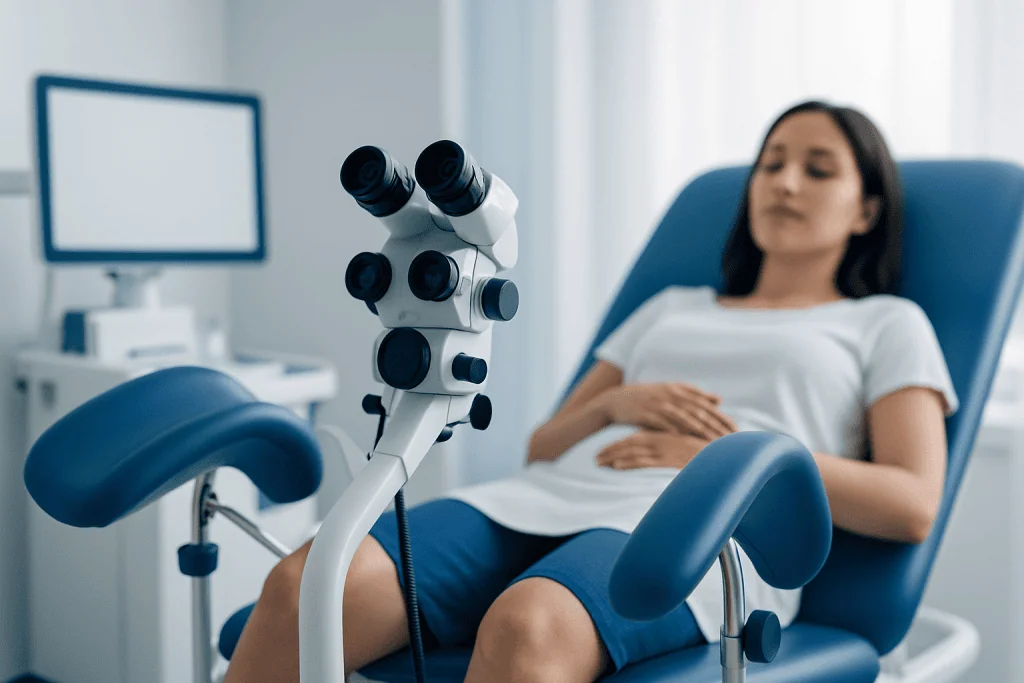
The most common symptom of vaginismus is pain or difficulty with penetration. Some people describe a sharp or burning pain at the vaginal opening. Others feel intense tightness, pressure, or the sensation that penetration is impossible even when they want it to happen.
Symptoms may occur in different situations, including sexual intercourse, inserting a tampon or menstrual cup, using vaginal medications, or having a pelvic examination. In some cases, fear or anticipation of pain begins even before penetration is attempted, leading the muscles to tighten further.
Vaginismus can also affect emotional health and relationships. People may feel embarrassment, frustration, guilt, sadness, or anxiety about intimacy. Partners may also feel confused or worried, especially if they do not understand that the reaction is involuntary and not a matter of willingness.
- Painful or impossible vaginal penetration
- Involuntary tightening or “closing” of the vaginal muscles
- Fear or anxiety before penetration
- Pain with pelvic exams or tampon insertion
- Relationship stress or avoidance of intimacy because of pain
Causes and Risk Factors

Vaginismus does not have a single cause. In many people, it develops from a combination of physical, emotional, and learned protective responses. The body may begin to associate penetration with pain, fear, or discomfort, leading the pelvic floor muscles to contract automatically.
Physical causes or contributors can include vaginal dryness, infections, inflammation, hormonal changes, pelvic floor muscle overactivity, childbirth-related pain, and skin conditions affecting the vulva. Other painful gynecologic conditions may also play a role, such as endometriosis or vulvar pain disorders such as vulvodynia. When pain is expected, the body may respond by guarding the muscles.
Emotional and psychological factors can also be important. These may include anxiety, stress, previous painful sexual experiences, relationship difficulties, negative beliefs about sex, fear of pregnancy, or a history of trauma. Not everyone with vaginismus has a trauma history, and it should not be assumed, but gentle discussion of personal context can be helpful.
Risk can be higher when pain has gone untreated for a long time, when there is significant anxiety around penetration, or when there is an underlying pelvic floor problem. Because the condition is often multifactorial, effective treatment usually addresses both physical discomfort and the body’s learned muscle response.
How Vaginismus Is Diagnosed
Diagnosis begins with a detailed medical history. A doctor will usually ask about the type of pain, when it started, whether penetration has ever been possible, and whether symptoms happen with intercourse, tampons, or pelvic exams. Questions may also cover menstrual history, previous infections, childbirth, pelvic surgery, medications, and emotional or relationship factors.
A physical examination may be recommended to look for other causes of pain, but it should be done gently and only with the patient’s consent. In some cases, the exam is postponed until the person feels ready. The goal is not to force penetration, but to identify treatable contributors such as infection, skin irritation, vaginal dryness, or pelvic floor spasm.
Doctors may also assess how the pelvic floor muscles function. If needed, referral to a pelvic floor specialist can provide more detailed evaluation. In certain cases, imaging or additional tests are used to rule out other gynecologic or urologic conditions, but many people are diagnosed based mainly on history and exam findings.
An accurate diagnosis matters because vaginismus can overlap with other causes of pelvic pain. Conditions such as infection, hormone-related dryness, pelvic floor dysfunction, or ovarian cyst-related discomfort may need separate treatment alongside care for the muscle response itself.
Treatment Options
Treatment is tailored to the individual and often works best when several approaches are combined. Education is the first step. Understanding that the muscle tightening is involuntary can reduce shame and help people approach treatment with more confidence and self-compassion.
Pelvic floor physical therapy is a common and effective option. A trained therapist can teach relaxation, breathing, muscle awareness, and gradual exercises to reduce guarding. This may be part of a broader plan for pelvic floor therapy when muscle overactivity is a major factor.
Gradual desensitization may also be recommended. This can involve step-by-step comfort work with touch, relaxation, and sometimes vaginal trainers or dilators under professional guidance. Counseling or sex therapy can be helpful when fear, anxiety, trauma, or relationship strain contribute to symptoms. When another condition is present, treatment may include managing infections, dryness, hormonal changes, or chronic pelvic pain. For some patients, broader evaluation in gynecology care is an important part of recovery.
Successful treatment does not usually mean enduring pain until it improves. The aim is to reduce pain, retrain the muscle response, and rebuild a sense of safety and control. Progress can take time, but many people improve substantially with patient, supportive care.
Prevention and Self-care
Not all cases of vaginismus can be prevented, but early attention to pain can help stop a cycle of fear and muscle tightening from becoming more established. Pain during penetration should not be ignored or accepted as normal. Addressing symptoms early often makes treatment easier.
Self-care measures may include using adequate lubrication during sexual activity, allowing more time for arousal, practicing slow breathing, and stopping any activity that causes significant pain. For some people, guided relaxation and mindfulness techniques help reduce anticipation and tension in the pelvic floor.
Open communication with a partner can also make a meaningful difference. Intimacy does not have to center on penetration, especially during treatment. Reducing pressure can help the body feel safer and may lower the reflex tightening that contributes to symptoms.
- Seek medical advice early for painful penetration
- Avoid forcing intercourse, exams, or tampon use through pain
- Use lubrication if dryness is a concern
- Practice relaxation and gentle pelvic floor awareness
- Follow treatment plans consistently and at a comfortable pace
When to See a Doctor
A doctor should be consulted whenever penetration is persistently painful, difficult, or impossible. This is especially important if symptoms are new, worsening, or causing distress in daily life, relationships, or reproductive care. Pain is a valid reason to seek help, even if it feels embarrassing to discuss.
Medical evaluation is also important if there are symptoms such as unusual discharge, bleeding, itching, burning with urination, pelvic pressure, or pain outside of attempted penetration. These symptoms may suggest another condition that should be diagnosed and treated.
If anxiety, fear, or past experiences are affecting intimacy or medical care, support from a qualified therapist can be valuable alongside gynecologic treatment. A multidisciplinary approach is often the most helpful because vaginismus may involve both physical and emotional components.
Near the end of the treatment journey, some people benefit from coordinated care across specialties. Acibadem International’s multidisciplinary specialists in JCI-accredited hospitals diagnose and treat conditions related to pelvic pain and sexual health for international patients when more comprehensive evaluation is needed.
Frequently asked questions
Is vaginismus psychological or physical?
Vaginismus can involve both physical and psychological factors. The muscle tightening is a real physical response, but it may be influenced by pain, anxiety, past experiences, or anticipation of discomfort. Many people have a combination of contributing factors.
Can vaginismus go away on its own?
In some mild cases, symptoms may improve if an underlying trigger such as dryness or infection is treated. However, many people benefit from structured care because the body can learn to keep tightening in anticipation of pain. Early treatment often helps prevent symptoms from becoming more persistent.
Does vaginismus mean a person does not want sex?
No. Vaginismus is not the same as lack of desire. A person may want intimacy but still experience involuntary muscle tightening and pain with penetration.
Can someone with vaginismus use tampons or have a pelvic exam?
Some people can, while others find these activities very painful or impossible. The level of difficulty varies from person to person. Gentle medical care and treatment can often make these experiences more comfortable over time.
What kind of doctor treats vaginismus?
A gynecologist often plays a central role in diagnosis and treatment. Pelvic floor physical therapists, pain specialists, and mental health professionals with experience in sexual health may also be part of care. Treatment is often most effective when it is multidisciplinary.
Can vaginismus affect fertility?
Vaginismus does not directly reduce fertility, but it can make vaginal intercourse difficult, which may affect attempts to conceive. If pregnancy is desired, a doctor can discuss treatment options and supportive strategies. Managing the pain and muscle response is usually the first step.
References
- American College of Obstetricians and Gynecologists
- International Society for the Study of Women's Sexual Health
- National Health Service
- Cleveland Clinic
- Merck Manual
This article is for general information only and is not a substitute for professional medical advice. Please consult a qualified doctor about your individual situation.
Explore treatments in Turkey — costs, top hospitals & a free quote
JCI-accredited · board-certified surgeons · reply within 24h
Add us as a Preferred Source to see more of our trusted health content across Google Search, AI Overviews and Discover.