Vagus Nerve Stimulator Implant: An Evidence-Based Patient Guide

Vagus nerve stimulation is an established, regulated treatment option for selected people with drug-resistant epilepsy. The system includes a small pulse generator placed under the skin of the upper chest and a lead connected to the left vagus nerve.
Key Takeaways
- Vagus nerve stimulation is an established, regulated treatment option for selected people with drug-resistant epilepsy.
- The system includes a small pulse generator placed under the skin of the upper chest and a lead connected to the left vagus nerve.
- VNS usually reduces seizure burden rather than eliminating seizures, and benefits may build gradually over months or years.
- A specialist epilepsy assessment is needed to confirm candidacy and to rule out other treatment options.
- Common side effects, such as hoarseness or throat discomfort during stimulation, are often manageable by adjusting device settings.
A vagus nerve stimulator implant is an implanted medical device used mainly as an add-on treatment for drug-resistant epilepsy. It sends controlled electrical signals to the left vagus nerve in the neck, helping some people have fewer or less severe seizures over time.
Overview: what is a vagus nerve stimulator implant?
A vagus nerve stimulator implant, often called VNS therapy, is a device placed during a surgical procedure to deliver gentle electrical stimulation to the vagus nerve. It is used most often as an additional treatment for people with epilepsy whose seizures continue despite appropriately chosen anti-seizure medicines. The device does not operate on the brain directly and does not remove the cause of epilepsy.
The system has two main parts: a small battery-powered pulse generator, usually positioned beneath the skin in the upper left chest, and a thin lead that is wrapped around the left vagus nerve in the neck. The device is programmed externally by a clinician and can be adjusted over time to balance possible benefit and side effects.
VNS is part of a broader approach to epilepsy care. It may be considered alongside medication review, lifestyle support, seizure-safety planning, dietary therapy, and other epilepsy procedures. For many people, its goal is meaningful improvement in seizure control and quality of life, rather than a guaranteed cure.
How vagus nerve stimulation works
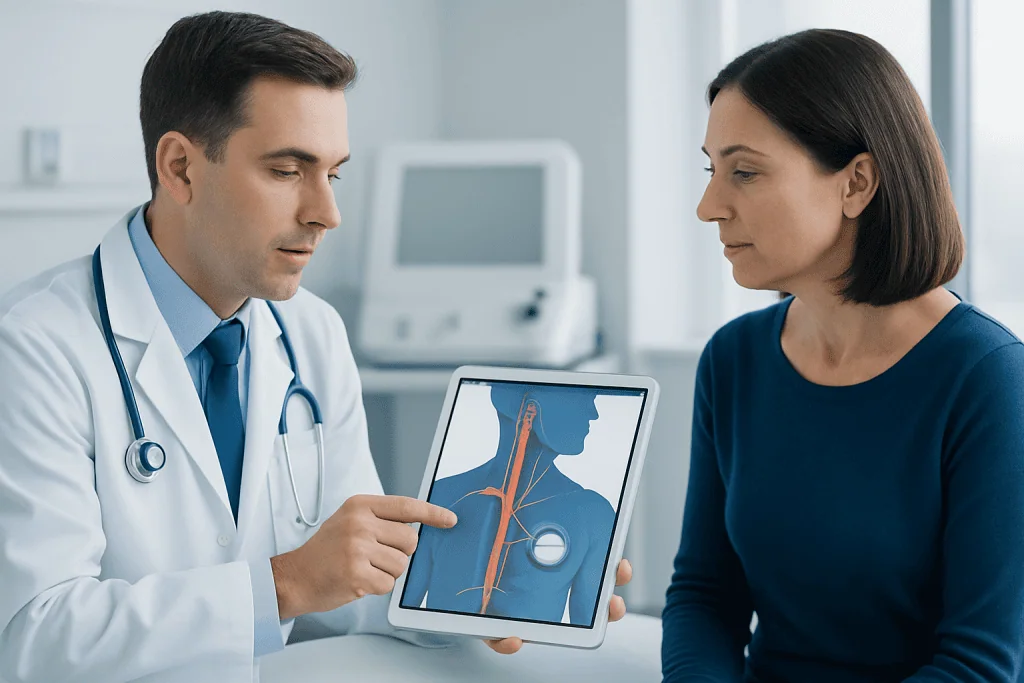
The vagus nerve is a major communication pathway between the brain and several organs. When the implanted device sends intermittent electrical pulses to its left branch in the neck, signals travel toward brain networks involved in seizure activity. The precise biological effects are complex and are still being studied, but stimulation is thought to influence networks that regulate excitability and seizure spread.
The generator is commonly programmed to provide automatic stimulation at regular intervals. Some systems can also respond to changes in heart rate that may occur with certain seizures. In addition, some people receive a hand-held magnet that can be passed over the generator to deliver an extra period of stimulation when a seizure begins or when a warning symptom is noticed.
VNS settings are individualized. Stimulation is commonly started at a low level and increased gradually during follow-up appointments. This careful adjustment helps the care team assess seizure patterns, comfort, sleep-related symptoms, and any side effects while finding settings that are appropriate for the individual.
Who may be a candidate for a VNS implant?
VNS is generally considered for people with drug-resistant epilepsy. This usually means seizures have continued after trials of at least two suitable anti-seizure medications that were appropriately selected and tolerated. It can be used for focal seizures and certain generalized or mixed epilepsy syndromes, depending on the person’s age, seizure type, medical history, and local regulatory approvals.
An epilepsy specialist will assess whether seizures have been correctly diagnosed, whether medicines have been used at suitable doses, and whether there may be a brain area that could be treated with resective surgery or another targeted procedure. A person may still be suitable for VNS if they are not a candidate for brain surgery, prefer a less invasive neuromodulation approach, or continue to have seizures after another procedure.
Evaluation may include detailed seizure history, medication review, electroencephalography (EEG), brain imaging, and sometimes video-EEG monitoring. The team also considers communication needs, mental health, sleep, heart and lung conditions, and the person’s practical ability to attend programming and follow-up visits. A comprehensive epilepsy treatment assessment helps ensure that the decision is individualized.
Who should not use a vagus nerve stimulator? A VNS implant may not be appropriate for everyone. People with a previous vagotomy, in which the vagus nerve has been surgically cut, should not receive standard cervical VNS. Clinicians use particular caution for people with certain heart rhythm problems, significant breathing or sleep-apnea concerns, swallowing difficulties, or previous neck surgery or infection. Pregnancy, an implanted cardiac device, and the need for MRI do not automatically rule out VNS, but they require specialist planning because device compatibility and safety precautions vary by model.
What happens during the VNS implant procedure?
The procedure is usually performed by a neurosurgeon or another surgeon experienced in implanted neuromodulation devices. Before surgery, the team reviews medications, allergies, relevant scans, heart and breathing history, and anesthesia considerations. Instructions about eating, drinking, and medications before surgery should come directly from the surgical and anesthesia teams.
During the operation, which is commonly done under general anesthesia, the surgeon makes a small incision in the left side of the neck to identify the vagus nerve. A second incision is made in the upper chest, where a pocket is created beneath the skin for the generator. The lead is attached to the nerve and tunneled beneath the skin to connect with the generator.
The surgeon tests the system, closes the incisions, and applies dressings. In many cases, the device is not activated at full therapeutic settings immediately. Initial programming is often arranged after early healing, then refined at follow-up visits. The procedure is not the same as deep brain stimulation, which places electrodes inside specific brain regions for selected neurological conditions.
The implanted battery does not last indefinitely. Depending on the device model and settings, the generator will eventually need replacement through a smaller procedure. The lead may remain in place unless there is a medical reason to revise or remove it.
Recovery, benefits and possible risks
Many people go home the same day or after a short hospital stay, depending on their health and local practice. Soreness, bruising, or tightness around the neck and chest incisions can occur during the first days. The surgical team will give instructions about wound care, bathing, activity, driving, lifting, work, and when to return for device activation or adjustment.
Recovery from the incisions often takes a few weeks, but treatment response develops more gradually. Some people notice improvement over several months, while others require longer and several programming changes to evaluate benefit. VNS may reduce seizure frequency, duration, severity, recovery time after seizures, or the likelihood of seizure clusters. It may also improve alertness or quality of life for some individuals. Results vary, and anti-seizure medication is often continued.
Common stimulation-related effects include temporary hoarseness, voice changes, throat tingling, cough, shortness of breath, or a pulling sensation in the neck during an active stimulation cycle. These symptoms are often most noticeable when settings are increased and may be improved through programming adjustments. Sleep-related breathing symptoms should be reported, especially if snoring, witnessed pauses in breathing, or daytime sleepiness develops.
As with any implant surgery, less common risks include bleeding, infection, pain, scarring, injury to nearby structures, device movement, lead problems, or the need for revision surgery. Very rarely, heart rhythm changes can occur during lead testing or stimulation. The treating team can explain the person’s individual surgical and medical risks before consent.
Are vagus nerve stimulators legit, and which device is best?
Are vagus nerve stimulators legit? Yes. Implantable VNS is an established form of neuromodulation with regulatory authorization for specific medical uses, including certain forms of drug-resistant epilepsy. It has been evaluated in clinical research and is included in care pathways for appropriately selected patients. However, it is not a universal treatment, and outcomes differ from person to person.
It is important to distinguish medically implanted VNS from consumer wellness devices marketed for “vagus nerve stimulation.” Devices used on the ear, neck, or other body areas without surgery may have different indications, evidence, regulation, and safety considerations. A person should not assume that a non-invasive product provides the same treatment or expected effect as a prescribed implant.
Which FDA-approved vagus nerve stimulation device is considered the best? There is no single device that is best for every person. The most suitable FDA-authorized system depends on the treatment indication, a person’s age, seizure type, anatomy, prior treatments, MRI needs, device features, and the experience of the epilepsy and surgical team. A specialist should compare currently available options and explain which device is appropriate in the individual’s country and clinical situation.
How much does a vagus nerve stimulator implant cost?
How much does a vagus nerve stimulator implant cost? The total cost varies substantially by country, hospital, device model, insurance or public-health coverage, surgical complexity, anesthesia, hospital stay, follow-up programming, and future battery replacement. For this reason, a single published figure would not be reliable or useful for most patients.
A person considering VNS can ask for an itemized estimate that distinguishes the preoperative evaluation, device, surgeon and anesthesia fees, hospital care, programming appointments, imaging requirements, and potential future generator replacement. Insurance providers or national health systems may have eligibility rules and prior-authorization processes for epilepsy devices.
For international patients, it is especially helpful to request written clarification of what is included in an estimate and what follow-up can be arranged after returning home. Cost discussions should never replace the clinical assessment of whether VNS is likely to be a suitable option.
Self-care and when to seek medical care
After implantation, people can support safe recovery by following wound-care instructions, attending programming appointments, tracking seizures and side effects, and taking anti-seizure medicines exactly as prescribed unless the clinician advises otherwise. Keeping a seizure diary can document frequency, triggers, duration, recovery, magnet use, and changes after each programming adjustment. This information helps the team make informed decisions.
People should carry device identification and tell healthcare professionals, dentists, and imaging staff that they have a VNS implant. MRI and certain procedures may be possible with specific precautions, but requirements depend on the exact device model. The treating team can provide written device guidance, including any restrictions related to procedures that use electrical energy.
When to seek medical care: Contact the surgical or epilepsy team promptly for increasing redness, warmth, swelling, discharge, fever, worsening incision pain, a new neck swelling, persistent breathing difficulty, severe swallowing problems, or unexpected device-related symptoms. Emergency care is appropriate for a seizure lasting longer than the person’s prescribed emergency threshold, repeated seizures without recovery, serious injury, difficulty breathing, or any situation that feels immediately unsafe.
Acibadem International’s multidisciplinary neurology, neurosurgery, anesthesia, and epilepsy specialists can assess and treat selected international patients at JCI-accredited hospitals, including discussion of vagus nerve stimulation treatment when clinically appropriate.
Frequently asked questions
Does a vagus nerve stimulator cure epilepsy?
VNS does not usually cure epilepsy or remove its underlying cause. Its purpose is to reduce seizure burden for selected people whose seizures have not responded adequately to medication. Some people have substantial improvement, while others have more modest or no benefit.
Can a person feel the VNS device working?
Some people notice hoarseness, throat tingling, a mild cough, or a change in voice while stimulation is on. These sensations are often brief and may become less noticeable over time. If they are bothersome, the clinician can often adjust the programming.
Will anti-seizure medicines still be needed after VNS implantation?
Many people continue anti-seizure medicines after VNS implantation, particularly during the early months. Any medication reduction should be considered only with the epilepsy specialist and based on seizure control and individual safety factors. Medicines should not be stopped suddenly.
Can someone have an MRI with a vagus nerve stimulator implant?
Some VNS systems are MRI-conditional, meaning MRI may be possible when exact device-specific conditions are followed. The scanner type, body region, device model, and programming requirements matter. The imaging center and VNS team should confirm safety before an MRI is scheduled.
Can the vagus nerve stimulator be turned off or removed?
A clinician can adjust the stimulation settings and can turn the device off when medically appropriate. Removal is possible but requires surgery, and the decision depends on the reason for removal, the condition of the lead, and individual risks. A person should discuss this with the implanting surgeon and epilepsy team.
How soon after the operation does VNS start helping seizures?
The device may be activated after initial wound healing, and settings are usually increased gradually. Benefits often build over months rather than appearing immediately. Regular follow-up and seizure tracking are important for assessing the response.
References
- U.S. Food and Drug Administration
- National Institute for Health and Care Excellence
- Epilepsy Foundation
- American Academy of Neurology
- International League Against Epilepsy
This article is for general information only and is not a substitute for professional medical advice. Please consult a qualified doctor about your individual situation.
Explore treatments in Turkey — costs, top hospitals & a free quote
JCI-accredited · board-certified surgeons · reply within 24h
Add us as a Preferred Source to see more of our trusted health content across Google Search, AI Overviews and Discover.
Check your numbers in seconds
BMI, calories, due date, blood pressure and 30+ more clinical calculators — free, instant, doctor-reviewed ranges.

More from the Health Library
Related Specialists
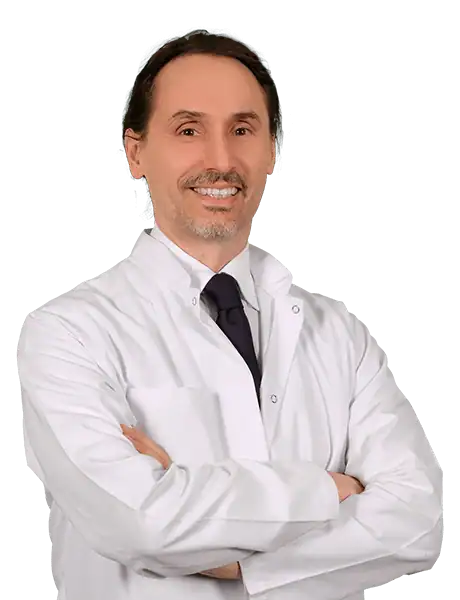
Prof. Dr. Mefkür Bakan
Anesthesiology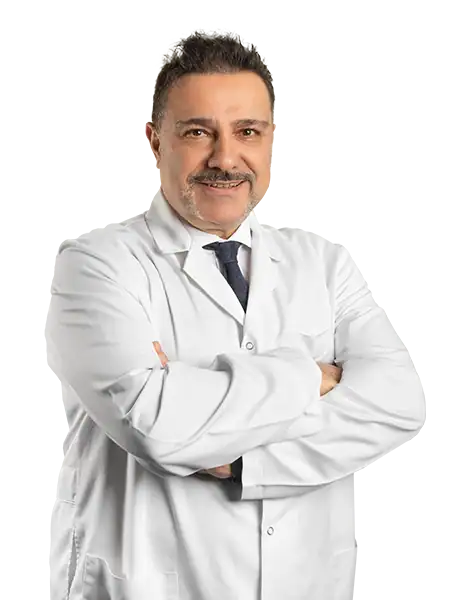
Dr. Civan Kalafat
Gynecology & Obstetrics
Assoc. Prof. Dr. Ahmet Özveren
Medical Oncology
Dr. Tuğba Emüroğlu
Internal Medicine