Viral vs bacterial pneumonia: Common Causes, Warning Signs, and When to Worry
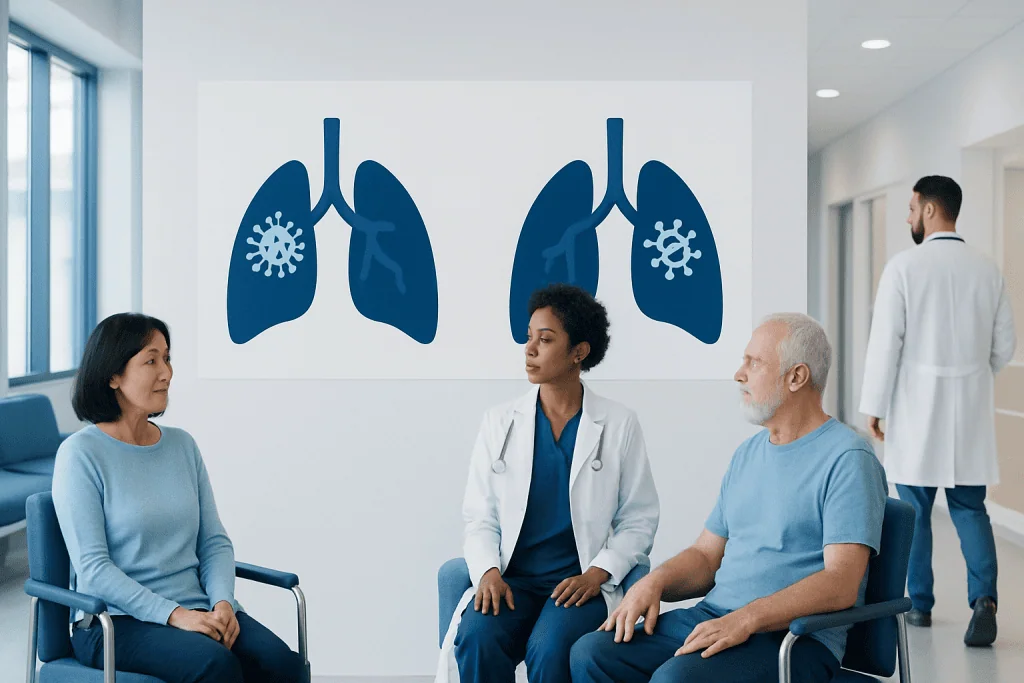
Viral and bacterial pneumonia both inflame the lungs and can cause cough, fever, shortness of breath, and fatigue. Viral pneumonia often starts more gradually after a cold or flu, while bacterial pneumonia may begin suddenly or worsen quickly after a viral illness.
Key Takeaways
- Viral and bacterial pneumonia both inflame the lungs and can cause cough, fever, shortness of breath, and fatigue.
- Viral pneumonia often starts more gradually after a cold or flu, while bacterial pneumonia may begin suddenly or worsen quickly after a viral illness.
- Symptoms alone are not always enough to tell the difference; doctors may use an exam, pulse oximetry, chest imaging, and lab tests.
- Bacterial pneumonia may need antibiotics, but antibiotics do not treat viral pneumonia.
- Urgent medical care is important for trouble breathing, blue lips, confusion, chest pain, or low oxygen levels.
Viral vs bacterial pneumonia can look similar at first, but they differ in their usual causes, how symptoms develop, and how they are treated. Viral pneumonia often follows a cold or flu-like illness, while bacterial pneumonia is more likely to cause higher fever, chest pain, and a sudden worsening of symptoms—though only a medical assessment can tell the difference reliably.
Overview: how viral and bacterial pneumonia differ
Viral vs bacterial pneumonia is a common question because both infections affect the lungs and often cause similar symptoms. The key difference is the type of germ involved: viruses cause viral pneumonia, while bacteria cause bacterial pneumonia. That difference matters because it influences how symptoms may unfold, which tests are useful, and whether antibiotics are likely to help.
In viral pneumonia, the infection often begins in the upper airways and then spreads into the lungs. People may notice several days of cold, flu-like, or COVID-like symptoms before a worsening cough, fever, or shortness of breath appears. Bacterial pneumonia can also follow a viral infection, but it is more likely to cause a sudden high fever, chills, chest discomfort, and a productive cough.
Even so, these patterns are not absolute. A viral infection can sometimes be severe, and bacterial pneumonia can occasionally begin more gradually. Some people may also have a mixed infection, where a virus and bacteria are both involved. For that reason, self-diagnosis is unreliable, especially if breathing symptoms are getting worse.
Pneumonia ranges from mild to serious. Older adults, babies, pregnant people, and those with chronic illnesses or weakened immune systems may become unwell more quickly. Prompt medical assessment helps clarify the cause and the safest next steps.
Common causes and who is at higher risk
Viral pneumonia is commonly linked to viruses that infect the respiratory tract. These may include influenza viruses, respiratory syncytial virus (RSV), SARS-CoV-2, and other cold viruses. In many cases, the lungs become inflamed as part of a broader viral illness, which is why symptoms may start with sore throat, runny nose, body aches, or fatigue.
Bacterial pneumonia is often caused by bacteria such as Streptococcus pneumoniae, but other bacteria can also be responsible. It may develop on its own or appear after a viral infection has weakened the lungs’ normal defenses. This “secondary bacterial pneumonia” can explain why someone seems to be recovering from the flu and then suddenly develops a higher fever, worsening cough, or new chest pain.
Risk is higher in people with asthma, chronic obstructive pulmonary disease, heart disease, diabetes, kidney disease, or conditions that affect immunity. Smoking, heavy alcohol use, recent hospitalization, swallowing problems, and reduced mobility can also increase the chance of pneumonia. In children and older adults, symptoms may be less typical, so changes in feeding, energy, or alertness can be important clues.
People with recurrent respiratory infections may benefit from broader evaluation, especially if there is an underlying lung condition. In some cases, clinicians also assess whether another lung problem, such as lung cancer, could be contributing to persistent symptoms or repeated infections.
Symptoms and warning signs to watch for
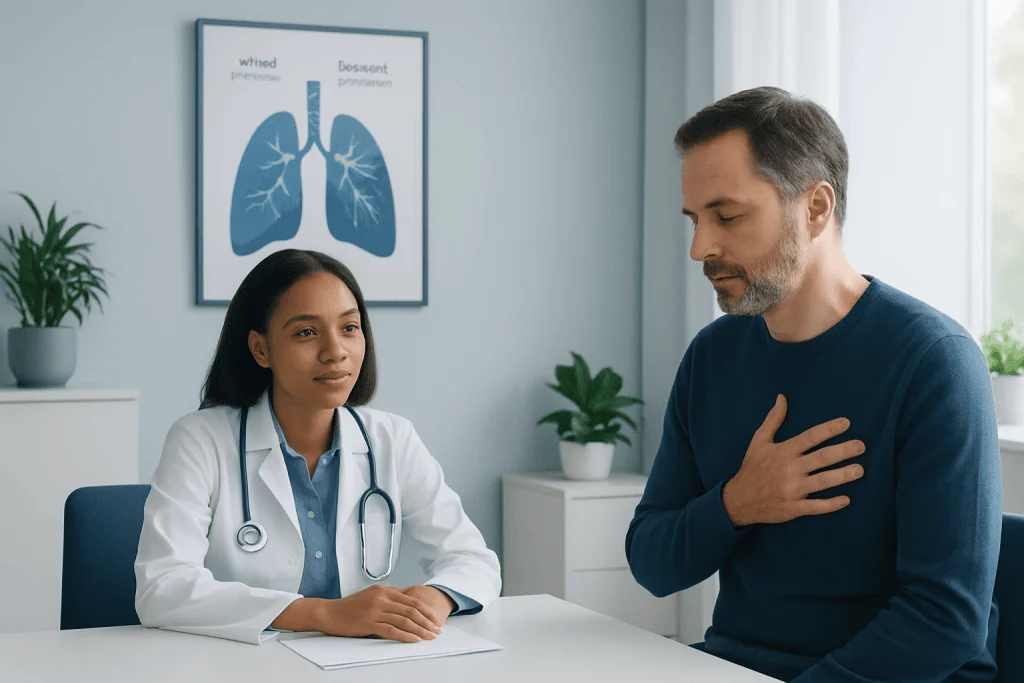
Both viral and bacterial pneumonia can cause cough, fever, chills, shortness of breath, fatigue, and reduced exercise tolerance. Many people also notice rapid breathing, sweating, muscle aches, poor appetite, and discomfort when taking a deep breath. In older adults, confusion or unusual sleepiness may be more noticeable than cough or fever.
Viral pneumonia often develops more gradually. A person may first have a sore throat, nasal congestion, hoarseness, headache, or body aches, followed by a dry cough that later becomes more troublesome. Fever may be mild or moderate, although some viral infections can cause high fever and significant breathlessness.
Bacterial pneumonia more often causes a sudden feeling of being acutely unwell. Typical features can include a higher fever, shaking chills, cough with yellow, green, or rust-colored mucus, and pleuritic chest pain, meaning pain that worsens with deep breathing or coughing. However, sputum color alone cannot confirm a bacterial infection, and not everyone with bacterial pneumonia produces mucus.
There are also warning signs that should never be ignored. These include severe shortness of breath, lips or fingertips turning blue, confusion, fainting, chest pain, a fever that will not settle, inability to drink enough fluids, or symptoms that are clearly worsening instead of improving. These signs may suggest low oxygen levels or a more serious lung infection.
Why symptoms alone cannot confirm the cause
Many articles suggest that viral pneumonia is always mild and bacterial pneumonia is always severe, but real-life cases are often more mixed. Influenza, COVID-19, and RSV can all cause serious viral pneumonia, while some bacterial cases may begin subtly. That is why the most useful question is not only “Is it viral or bacterial?” but also “How sick is the person, and how well is the body getting oxygen?”
Doctors look at the whole picture: the timing of symptoms, recent sick contacts, whether the illness followed flu-like symptoms, the presence of chest pain, the person’s age and health conditions, and how they appear on examination. Crackles on listening to the lungs, fast breathing, and low oxygen saturation can all support the diagnosis of pneumonia but do not by themselves identify the exact cause.
Another reason symptoms can overlap is that viral infections may damage the airways and make it easier for bacteria to infect the lungs. This can create a second wave of illness after initial improvement. If someone had a cold or flu, began to feel better, and then worsened with new fever, increasing cough, or breathing difficulty, clinicians often consider a bacterial complication.
Because of this overlap, it is safest to avoid making treatment decisions based on symptoms alone. Unnecessary antibiotics can cause side effects and do not help viral infections, while delayed treatment for bacterial pneumonia may allow the illness to progress.
How doctors diagnose pneumonia
Diagnosis usually begins with a medical history and physical examination. A clinician asks when symptoms started, whether they began after a viral illness, whether there is chest pain, and whether there are underlying conditions such as asthma, COPD, or heart disease. Oxygen levels are often checked with a fingertip monitor called pulse oximetry, since low oxygen can indicate more severe lung involvement.
Chest imaging may help confirm pneumonia and assess how much of the lung is affected. A chest X-ray is commonly used, while a chest CT may be recommended in selected cases, especially if symptoms are severe, persistent, or unclear. Imaging can also help evaluate other possibilities when cough or breathlessness does not improve as expected.
Lab tests may include blood tests and, in some cases, tests for viral infections such as influenza or COVID-19. Sputum samples or blood cultures may be considered in more serious cases or when hospitalization is needed. These tests help guide treatment, but not every person with pneumonia needs all of them.
If symptoms are significant, doctors may also assess the lungs with specialized respiratory evaluation and imaging. Depending on the situation, related services may include chest diseases care, a comprehensive check-up, or radiology assessment to help clarify the diagnosis and severity.
Treatment options and recovery
Treatment depends on the likely cause, the severity of illness, oxygen levels, age, and general health. Viral pneumonia is usually managed with supportive care such as rest, fluids, fever control, and monitoring for worsening symptoms. In some situations, antiviral treatment may be appropriate, especially when influenza is diagnosed early or in high-risk patients.
Bacterial pneumonia is typically treated with antibiotics chosen by a clinician based on the person’s age, health conditions, where the infection was acquired, and how severe it appears. Antibiotics should be taken exactly as prescribed, and they should not be started without medical advice simply because the cough is severe or mucus is colored. If a person is not improving as expected, follow-up is important because the diagnosis or treatment may need adjustment.
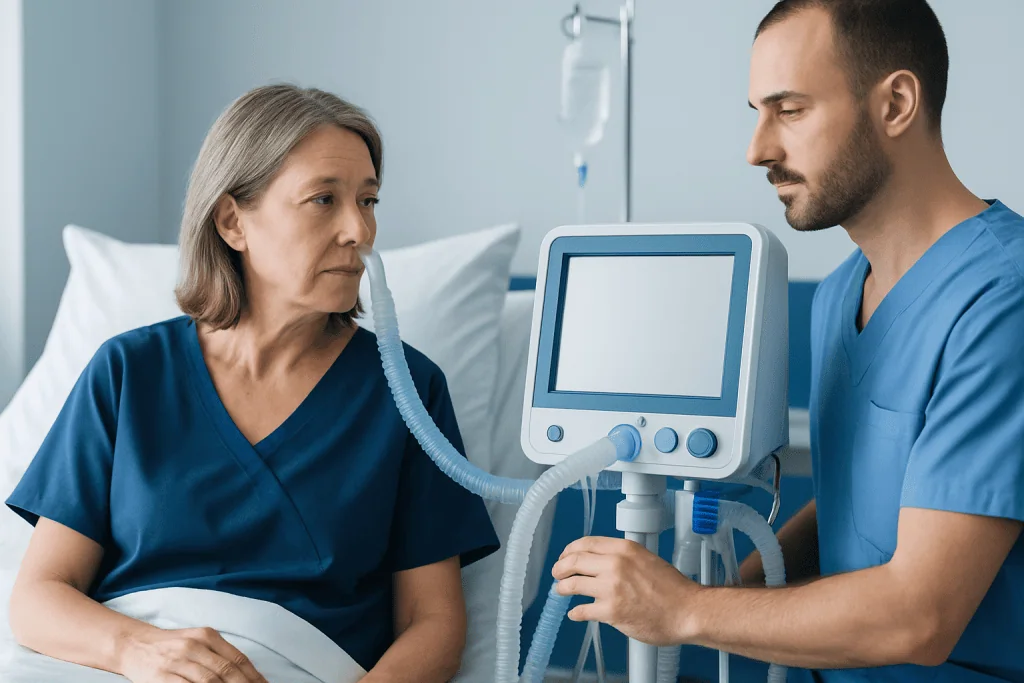
Some people can recover at home, but others need hospital care. Hospital treatment may include oxygen, intravenous fluids, and close monitoring. In more severe cases, breathing support or care in a higher-acuity setting may be needed. People with significant airway symptoms or repeated infections may also be evaluated with bronchoscopy if a specialist needs a closer look inside the airways.
Recovery time varies. Fever may improve within days, but fatigue and cough can last longer, even after the infection is under control. Returning to normal activity too quickly can slow recovery, so gradual rest and follow-up with a healthcare professional are sensible, especially if symptoms linger.
Prevention and self-care at home
Prevention begins with reducing the chance of respiratory infections. Vaccination against influenza, COVID-19, and pneumococcal disease can lower the risk of some forms of pneumonia or make illness less severe. Handwashing, covering coughs, improving indoor ventilation, and avoiding close contact when sick are also practical ways to reduce spread.
General lung health matters too. Not smoking is one of the most important steps a person can take, and stopping smoking can help the lungs clear infections more effectively over time. Good control of chronic illnesses such as asthma, diabetes, and heart disease may also reduce the risk of complications.
At home, self-care focuses on hydration, rest, and symptom relief. People should drink enough fluids, eat light meals as tolerated, and use fever medicines only as directed by a clinician or product label. It is best to avoid smoking, vaping, and strenuous activity until breathing is more comfortable.
Monitoring symptoms is just as important as comfort measures. If cough, fever, or shortness of breath is getting worse rather than better, or if recovery stalls after a few days, medical review is recommended. International patients who need respiratory assessment can also be seen by Acibadem International, where multidisciplinary specialists in JCI-accredited hospitals diagnose and treat pneumonia and related lung conditions.
When to seek medical care
Medical care is recommended if a person has symptoms of pneumonia such as cough with fever, shortness of breath, chest discomfort, or unusual fatigue that is more intense than a typical cold. Evaluation is especially important for infants, older adults, pregnant people, and anyone with chronic lung disease, heart disease, diabetes, cancer, or a weakened immune system.
Urgent assessment is needed if breathing becomes difficult, oxygen levels are low if measured at home, lips or fingertips look blue, the person seems confused, or chest pain is severe. Dehydration, repeated vomiting, inability to keep fluids down, or extreme drowsiness are also reasons to seek prompt medical help. In children, fast breathing, grunting, poor feeding, or reduced responsiveness should be treated as warning signs.
Another reason to contact a doctor is a “double worsening” pattern: a viral illness seems to improve, then new fever, productive cough, or worsening breathlessness appears. That pattern can suggest a bacterial infection after a virus. Persistent symptoms beyond the expected recovery period also deserve review so a clinician can rule out complications or another diagnosis.
Prompt care does not always mean hospitalization, but it does help determine whether home treatment is enough or whether oxygen, imaging, or closer observation is needed. Early evaluation is often the safest way to prevent a manageable infection from becoming more serious.
Frequently asked questions
Can a person tell viral vs bacterial pneumonia by symptoms alone?
Not reliably. Some symptom patterns can suggest one cause more than the other, but there is a lot of overlap. A medical evaluation may include oxygen measurement, examination, imaging, and sometimes lab tests to make the distinction more accurately.
Is viral pneumonia less serious than bacterial pneumonia?
Not always. Viral pneumonia can be mild, but some viral infections can cause severe lung inflammation and low oxygen levels. The severity depends on the virus, the person's age and health, and how much of the lungs are affected.
Do antibiotics help viral pneumonia?
No, antibiotics do not treat viruses. They are used when bacterial pneumonia is suspected or confirmed, or when a bacterial infection develops after a viral illness. Taking antibiotics unnecessarily can cause side effects and does not speed recovery from a viral infection.
How long does pneumonia recovery usually take?
Recovery varies from person to person. Fever may improve within several days, but cough and tiredness can last for weeks, especially after a significant lung infection. If symptoms are worsening or not gradually improving, a doctor should reassess the situation.
When should someone worry that a cold might actually be pneumonia?
Concern is higher when a cold-like illness is followed by worsening cough, fever, shortness of breath, chest pain, or unusual weakness. Trouble breathing, confusion, bluish lips, or low oxygen levels are urgent warning signs. These symptoms deserve prompt medical attention.
Can viral pneumonia turn into bacterial pneumonia?
A virus does not literally change into bacteria, but a viral infection can weaken the lungs and make a secondary bacterial infection more likely. This often appears as an initial illness that starts to improve, followed by a new wave of fever, worsening cough, or breathing difficulty. That pattern should be evaluated by a doctor.
References
- Centers for Disease Control and Prevention
- World Health Organization
- National Heart, Lung, and Blood Institute
- American Lung Association
- Infectious Diseases Society of America
This article is for general information only and is not a substitute for professional medical advice. Please consult a qualified doctor about your individual situation.
Pneumonia in Turkey — costs, top hospitals & a free quote
JCI-accredited · board-certified surgeons · reply within 24h
Add us as a Preferred Source to see more of our trusted health content across Google Search, AI Overviews and Discover.