Vision Therapy and Dyslexia: How It Works, Results and What to Expect

Dyslexia primarily affects language processing, including accurate and fluent word reading and spelling. Vision therapy does not remediate dyslexia, but may be appropriate when a separate binocular vision or focusing disorder is present.
Key Takeaways
- Dyslexia primarily affects language processing, including accurate and fluent word reading and spelling.
- Vision therapy does not remediate dyslexia, but may be appropriate when a separate binocular vision or focusing disorder is present.
- A comprehensive assessment may involve an eye specialist, reading or learning professional, and other child-development specialists.
- Progress from vision therapy is measured through visual function and daily symptoms, not by assuming reading difficulties will resolve.
- Persistent reading concerns benefit from early, structured literacy assessment and support.
Vision therapy can improve certain diagnosed visual skills, such as eye teaming or focusing, that may make reading less comfortable. However, dyslexia is a language-based learning difference and is best addressed with evidence-based, structured literacy instruction rather than vision therapy alone.
Overview: vision therapy and dyslexia
Vision therapy and dyslexia are often discussed together because reading is visually demanding. A child or adult may lose their place, experience headaches, see print blur intermittently, or avoid close work. These symptoms can occur with certain eye coordination or focusing conditions, and treating those conditions may make reading more comfortable.
However, dyslexia is not caused by an eye problem. It is a language-based learning difference that affects skills such as recognizing words accurately, connecting letters with speech sounds, spelling, and reading fluency. Current evidence does not support vision therapy as a treatment for dyslexia itself. Effective dyslexia support centers on structured, explicit teaching of reading and language skills.
A balanced approach is important. An eye examination can identify treatable vision concerns, while an educational or developmental assessment can clarify whether dyslexia or another learning difficulty is affecting reading. Addressing both types of need, when present, can reduce avoidable barriers to learning.
How vision therapy works and what it targets

Vision therapy is a supervised program of individualized activities designed to improve specific visual functions. Depending on the diagnosis, sessions may work on eye alignment, eye movements, focusing, depth perception, or the ability to keep both eyes working together comfortably during near tasks. It is usually directed by an eye-care professional with relevant training and may combine office-based activities with home practice.
The treatment is most appropriate when testing identifies a specific functional vision condition, such as convergence insufficiency. In this condition, the eyes have difficulty turning inward together for close tasks, which can lead to eyestrain, double vision, headaches, or reduced reading stamina. These symptoms may interfere with schoolwork but are distinct from the core language-processing features of dyslexia.
Activities are selected according to the person’s findings and goals. They may involve near and distance targets, controlled changes in focus, eye-movement tasks, or computer-supported exercises. The purpose is to improve measured visual function and reduce symptoms, not to teach phonics, spelling, reading comprehension, or other language skills.
Is vision therapy good for dyslexia?
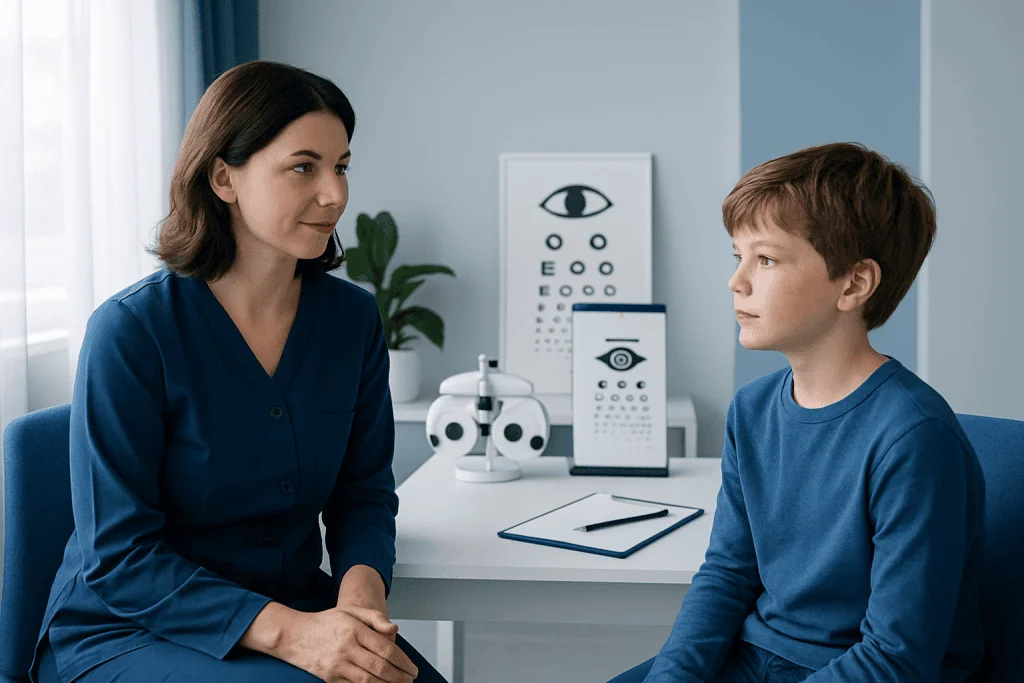
Vision therapy is not considered a treatment for dyslexia. Major pediatric, ophthalmology, and learning-disability organizations state that dyslexia is language based and that eye exercises, colored lenses, or visual training have not been shown to correct the underlying reading disorder. A program presented as a stand-alone cure for dyslexia should therefore be approached with caution.
Vision therapy may still be useful for a person with dyslexia who also has a separately diagnosed visual disorder. For example, improving convergence insufficiency can lessen near-work discomfort and help a person sustain visual attention to a page. That improvement may support participation in reading instruction, but it does not replace specialized literacy intervention.
Reading progress is usually strongest when support is coordinated. Structured literacy approaches explicitly teach sound-symbol relationships, decoding, spelling, vocabulary, and comprehension in a systematic way. Accommodations such as additional time, audiobooks, text-to-speech tools, and appropriately adjusted school materials may also help individuals access learning while reading skills develop.
Candidacy and assessment before treatment
Before beginning vision therapy, the person should have a comprehensive eye assessment. This evaluates visual acuity, refraction, eye health, eye alignment, focusing ability, and binocular vision. Glasses or contact lenses may be needed first if refractive error is contributing to blurred vision or visual fatigue.
Referral for vision therapy is generally based on documented findings and symptoms, rather than reading difficulty alone. Symptoms that may justify further binocular vision evaluation include double vision, eye strain, headaches during close work, print that appears to move or blur, frequent loss of place, closing one eye, or difficulty shifting focus between near and far tasks. These symptoms can have several causes, so professional assessment is important.
For suspected dyslexia, a qualified educational psychologist, learning specialist, speech-language professional, or appropriately trained school team may assess reading, spelling, language, and learning profile. A clinician may also consider attention, hearing, emotional wellbeing, sleep, and developmental history, because these factors can influence learning and concentration.
- Vision testing identifies eye and visual-function problems.
- Literacy assessment identifies language-based reading needs.
- Both assessments can be valuable when symptoms overlap.
What happens during vision therapy and how long it takes
After an assessment, the clinician explains the identified visual problem, treatment goals, likely schedule, and ways to track change. A typical program includes regular supervised appointments and simple exercises to complete between visits. The exact content and frequency vary according to the diagnosis, age, symptoms, response to treatment, and the person’s ability to practice consistently.
At each stage, the clinician may repeat targeted measurements, such as near point of convergence, focusing ability, eye alignment, or symptom questionnaires. Activities can become more complex as visual control improves. A parent or caregiver may be asked to support home practice for children, while teachers can be informed about helpful classroom strategies when appropriate.
Vision therapy is non-surgical and generally does not require physical recovery time. A person can usually return to school, work, and routine activities after sessions. Some temporary visual tiredness, mild headache, or brief discomfort can occur when exercises challenge the visual system; these symptoms should be discussed with the treating clinician rather than pushed through.
How long does it take to see results from vision therapy?
The timing of improvement depends on the specific diagnosis, symptom severity, attendance, and home practice. Some people notice reduced eye strain or improved comfort with close work within weeks, while measurable changes in visual skills may take longer. A clinician should set realistic, individualized review points rather than promise a fixed timeline.
Results should be judged against the original goals. For a diagnosed eye-teaming or focusing disorder, useful indicators may include less double vision, fewer headaches with reading, improved ability to maintain near focus, and better findings on repeat clinical testing. Improved reading comfort can be meaningful, but it should not be mistaken for resolution of dyslexia.
If symptoms do not improve as expected, the care team may reassess the diagnosis, check whether corrective lenses are needed or up to date, review home practice, or consider other contributing factors. A persistent reading difficulty also warrants ongoing evidence-based literacy support, even when a visual problem is successfully treated.
How long does it take to remediate dyslexia?
Dyslexia is a lifelong neurodevelopmental difference, so it is more accurate to discuss support and skill development than a quick remediation timeline. With early, systematic, individualized instruction, many children make important gains in decoding, spelling, fluency, and confidence. The pace of progress differs substantially from person to person.
Support often continues over months or longer and is adjusted using regular measures of reading accuracy, fluency, comprehension, and spelling. Older students and adults can also improve their reading skills, although they may benefit from accommodations and assistive technology alongside instruction. Continued support can help people use their strengths and participate fully in education and work.
Families should ask providers how they will monitor progress, what teaching methods are used, and how plans will change if progress slows. Clear communication among family members, educators, and healthcare professionals can ensure that visual symptoms, learning needs, and emotional wellbeing are all addressed appropriately.
How to tell if vision therapy is working and when to seek medical care
Vision therapy is working when there is objective and practical improvement in the diagnosed visual condition. The clinician may document better eye coordination or focusing measurements, while the person may report less discomfort, fewer headaches, less double vision, or greater tolerance for close tasks. A symptom diary can help identify patterns, particularly for children who may find it difficult to describe visual discomfort clearly.
It is important to keep expectations specific. A reduction in eyestrain does not necessarily mean reading decoding, spelling, or comprehension problems have resolved. Reading progress should be monitored separately through educational assessments and classroom performance. If a program claims to cure dyslexia without structured reading intervention, a second professional opinion may be helpful.
Medical assessment should be sought promptly for sudden vision loss, persistent or new double vision, a painful red eye, severe headache with visual symptoms, eye injury, or a new drooping eyelid. A routine eye examination is also advisable for ongoing headaches during close work, squinting, repeated loss of place while reading, or concerns about eye alignment. Acibadem International’s multidisciplinary specialists and JCI-accredited hospitals can assess visual symptoms and coordinate appropriate eye and learning-related care for international patients.
Frequently asked questions
Can vision problems cause dyslexia?
Vision problems do not cause dyslexia. Dyslexia is primarily related to how the brain processes language, especially speech sounds and written words. A visual condition can coexist with dyslexia and may make reading physically uncomfortable, so both should be assessed when symptoms suggest this.
Can glasses cure dyslexia?
Glasses can correct refractive errors such as nearsightedness, farsightedness, or astigmatism when prescribed after an eye examination. They do not treat the language-processing differences that cause dyslexia. Clear, comfortable vision can still support learning and reduce unnecessary strain.
What type of professional diagnoses dyslexia?
Dyslexia is commonly identified through a comprehensive educational or psychological assessment by a qualified professional or school-based multidisciplinary team. Assessment usually examines reading, spelling, language skills, learning history, and factors that may affect academic performance. An eye examination is separate and evaluates vision rather than dyslexia.
What is convergence insufficiency, and is it linked with dyslexia?
Convergence insufficiency is a binocular vision condition in which the eyes have difficulty working together at close range. It may cause eyestrain, headaches, double vision, or difficulty maintaining place on a page. It can coexist with dyslexia but does not cause it, and treating it does not replace reading intervention.
Should a child stop reading if they have headaches during homework?
A child with repeated headaches during reading or close work should have an eye examination and a general health review when needed. Short breaks, good lighting, and appropriate reading distance may help while assessment is arranged. Sudden severe headache, vision loss, eye pain, or persistent double vision requires prompt medical attention.
Can adults benefit from dyslexia support?
Yes. Adults can benefit from tailored literacy instruction, workplace or educational accommodations, and assistive technology such as text-to-speech tools. If they also experience visual discomfort with close work, an eye examination can identify whether a treatable visual condition is contributing.
References
- American Academy of Pediatrics
- American Academy of Ophthalmology
- American Association for Pediatric Ophthalmology and Strabismus
- International Dyslexia Association
- National Institute of Child Health and Human Development
This article is for general information only and is not a substitute for professional medical advice. Please consult a qualified doctor about your individual situation.
Explore treatments in Turkey — costs, top hospitals & a free quote
JCI-accredited · board-certified surgeons · reply within 24h
Add us as a Preferred Source to see more of our trusted health content across Google Search, AI Overviews and Discover.