Vitamin K Foods: What the Clinical Research Actually Says
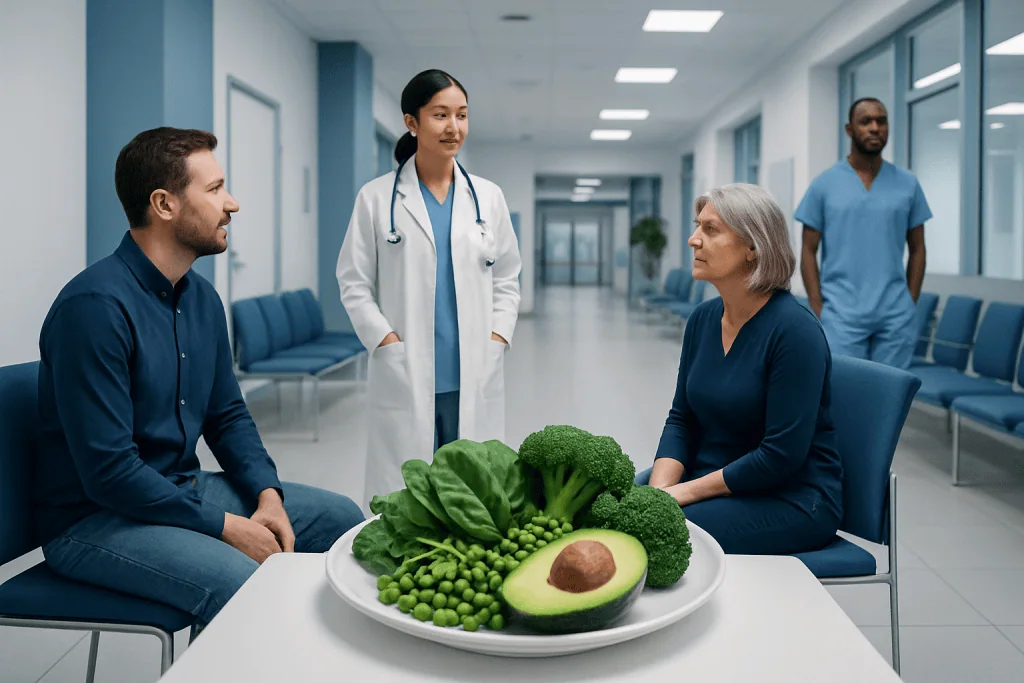
Vitamin K is essential for normal blood clotting and helps activate proteins involved in bone health. Leafy green vegetables are the main food sources of vitamin K1, while some fermented foods and animal products contain vitamin K2.
Key Takeaways
- Vitamin K is essential for normal blood clotting and helps activate proteins involved in bone health.
- Leafy green vegetables are the main food sources of vitamin K1, while some fermented foods and animal products contain vitamin K2.
- Research clearly supports vitamin K for deficiency prevention; evidence for heart, cancer, or longevity benefits is less certain.
- People taking warfarin should keep vitamin K intake consistent rather than avoiding vitamin K foods altogether.
- Deficiency is uncommon in healthy adults but can occur with malabsorption, liver disease, or certain medicines.
- Any unexplained bleeding, easy bruising, or concerns about drug interactions should be discussed with a doctor.
Vitamin K foods are best known for supporting normal blood clotting and contributing to bone health. Clinical research strongly supports their role in preventing deficiency, but evidence for wider health claims is more limited and depends on the person, diet, and medical context.
Overview: What vitamin K foods are and what research supports
Vitamin K foods are foods that naturally provide vitamin K, a fat-soluble nutrient the body needs to make proteins involved in normal blood clotting and bone metabolism. In practical terms, the most established reason to eat vitamin K foods is to help maintain adequate vitamin K status, especially through a balanced diet that includes vegetables, healthy fats, and other whole foods.
Clinical research supports vitamin K most strongly in two areas: preventing or correcting deficiency and supporting the body’s normal clotting processes. There is also meaningful evidence linking adequate vitamin K intake with bone health, although diet is only one part of bone protection and should be considered alongside calcium, vitamin D, physical activity, age, hormone status, and overall medical history.
Claims that vitamin K foods can directly prevent heart disease, cancer, or many chronic illnesses are less certain. Some observational studies find associations between higher vitamin K intake and better health outcomes, but association does not prove cause. This matters because people who eat more leafy greens often also have other habits that support health.
For most people, the practical message is simple: vitamin K foods are a valuable part of a nutritious eating pattern, but they are not a cure-all. Their role is best understood in the context of deficiency prevention, healthy eating, medication safety, and individualized medical advice.
Types of vitamin K and the main food sources

Vitamin K includes a group of related compounds. Vitamin K1, also called phylloquinone, is found mainly in plant foods and is the largest source in most diets. Vitamin K2, a group of compounds called menaquinones, is found in smaller amounts in certain fermented foods and animal-derived foods. Both forms contribute to vitamin K status, although they are absorbed and handled somewhat differently in the body.
The richest vitamin K1 foods are usually leafy green vegetables. Common examples include kale, spinach, collard greens, Swiss chard, turnip greens, romaine lettuce, parsley, broccoli, Brussels sprouts, and cabbage. Because vitamin K is fat-soluble, eating these foods with a source of fat, such as olive oil, yogurt, nuts, seeds, avocado, or fish, may help absorption.
Vitamin K2 is present in foods such as natto, some cheeses, egg yolks, and certain meats. Natto, a fermented soybean food, is especially rich in vitamin K2, but it is not commonly eaten in every region. The body can also convert some forms of vitamin K and may produce limited amounts through gut bacteria, though diet remains important.
- Higher in vitamin K1: kale, spinach, collards, broccoli, Brussels sprouts, cabbage
- Contains vitamin K2: natto, some aged cheeses, egg yolks, liver, certain fermented foods
- Moderate sources: green beans, peas, kiwi, avocado, soybean oil, canola oil
It is helpful to remember that vitamin K foods do not need to come from a single “superfood.” A varied diet with regular servings of green vegetables is often enough for healthy adults unless a medical condition or medication changes their needs.
Symptoms and deficiency: when vitamin K becomes a clinical issue
In healthy adults, vitamin K deficiency is relatively uncommon because the nutrient is present in many foods and the body stores some of it. When deficiency does occur, the main concern is impaired clotting. Symptoms can include easy bruising, frequent nosebleeds, bleeding gums, unusually heavy menstrual bleeding, or bleeding that lasts longer than expected after a cut or procedure.
More serious deficiency may contribute to internal bleeding or abnormal laboratory clotting results. In infants, vitamin K deficiency is a well-recognized medical issue, which is why newborn vitamin K prophylaxis is standard in many countries. In adults, deficiency is more likely to be linked to another underlying problem than to low vegetable intake alone.
Conditions that reduce fat absorption can raise the risk because vitamin K is fat-soluble. Examples include some liver and biliary disorders, pancreatic disease, celiac disease, inflammatory bowel disease, and other causes of malabsorption. People with digestive illnesses may also be evaluated for related conditions such as Crohn’s disease when symptoms suggest poor nutrient absorption.
Certain medicines can also affect vitamin K status or how the body uses it. Long courses of some antibiotics, bile acid sequestrants, or other treatments that interfere with fat absorption may contribute. If deficiency is suspected, it should be assessed medically rather than self-diagnosed, since bleeding symptoms can have many causes.
What the clinical evidence says about benefits and limits
The strongest evidence for vitamin K relates to normal physiology: it is necessary for activation of clotting factors and several proteins involved in bone metabolism. This is not speculative; it is a well-established function. If the question is whether vitamin K foods are important, the answer is yes. If the question is whether they act like a stand-alone treatment for broad health problems, the answer is usually more cautious.
For bone health, studies suggest that adequate vitamin K intake is associated with better bone outcomes, but results vary depending on the population studied, whether the focus is dietary intake or supplements, and whether calcium and vitamin D intake are also adequate. Vitamin K foods should be viewed as one part of a bone-supportive diet rather than a replacement for full evaluation of osteoporosis risk or osteoporosis treatment when needed.
Research on cardiovascular health often centers on whether vitamin K may influence vascular calcification. This is an active area of study, especially for vitamin K2, but current evidence does not support overstated claims that eating vitamin K foods alone can prevent heart disease. People with established heart or vascular concerns may need broader assessment and, in some cases, cardiology care based on their overall risk profile.
There is also ongoing interest in vitamin K and metabolic health, cognition, and cancer outcomes. At present, these links are not strong enough to justify sweeping conclusions. The most evidence-based message remains that vitamin K foods are a healthy dietary component with clear biological importance, but they should not be marketed as a guaranteed strategy for disease prevention.
Who should be careful: interactions, side effects, and who may need medical advice
Vitamin K from foods is generally safe for most people when eaten as part of a normal diet. The main area where caution is needed is medication interaction, especially with warfarin. Warfarin works by affecting vitamin K–dependent clotting pathways, so large swings in vitamin K intake can change how the medicine performs. The usual advice is not to avoid vitamin K foods completely, but to keep intake steady from week to week.
Other blood thinners, such as direct oral anticoagulants, do not interact with vitamin K in the same way, but medication questions should still be reviewed with a doctor or pharmacist. Anyone under evaluation for clotting disorders, easy bruising, or abnormal bleeding may also require individualized guidance. In some cases, specialists may assess related concerns through hematology care.
People with malabsorption disorders, liver disease, a history of bariatric surgery, prolonged antibiotic use, or unexplained weight loss may need closer attention to vitamin status. Those using supplements should also be cautious: high-dose supplements are not automatically better, and they can complicate medical management if taken without professional advice.
Food-based vitamin K does not usually cause side effects on its own. The larger safety issue is context: a food that is healthy for one person may require planning for another, especially when chronic illness, digestive disease, or anticoagulant treatment is involved.
How to include vitamin K foods in a balanced diet
For most adults, the best approach is regular, moderate intake rather than extreme changes. Adding a serving of leafy greens to lunch or dinner, rotating broccoli or Brussels sprouts into meals, and using herbs such as parsley can raise vitamin K intake naturally. Combining vegetables with a source of healthy fat can also support absorption.
People often ask whether raw or cooked vegetables are better. Both can contribute. Cooking may reduce food volume and make it easier to eat larger amounts of some greens, while raw salads offer variety and convenience. Frozen vegetables can also be useful and are nutritionally appropriate for many households.
Examples of practical choices include spinach with olive oil, a kale soup, steamed broccoli with salmon, cabbage slaw, or eggs with sautéed greens. Fermented foods and dairy may contribute some vitamin K2, but there is no need to force highly specific foods into the diet if they are unfamiliar or unsuitable.
If a person is taking warfarin, consistency matters more than perfection. A sudden shift from very low vegetable intake to large daily green smoothies, for example, can be more problematic than a steady pattern of moderate green vegetable intake. Any major dietary change should be discussed with the prescribing clinician.
When to seek medical care
Medical advice is important if there are signs of abnormal bleeding, such as frequent nosebleeds, bleeding gums, black stools, blood in urine, heavy menstrual bleeding, or bruising without clear injury. These symptoms are not specific to vitamin K deficiency and should not be treated at home by diet changes alone.
A doctor should also be consulted if a person takes warfarin and plans to make major diet changes, start supplements, or has unstable blood test results. People with chronic digestive symptoms, persistent diarrhea, fatty stools, unexplained weight loss, or liver disease may need assessment for malabsorption or another underlying problem rather than simply adding more vitamin K foods.
Bone health concerns also deserve proper evaluation, particularly after a fracture, with long-term steroid use, or after menopause. Diet can help, but it may need to be combined with imaging, lab tests, and targeted treatment. If symptoms suggest digestive causes of poor nutrient absorption, a doctor may consider related evaluation for conditions such as celiac disease.
Near the end of the care pathway, specialist input can be valuable. Acibadem International’s multidisciplinary specialists and JCI-accredited hospitals diagnose and treat nutrition-related and underlying medical conditions for international patients when further evaluation is needed.
Frequently asked questions
What foods are highest in vitamin K?
Leafy green vegetables are usually the richest sources of vitamin K, especially kale, spinach, collard greens, and Swiss chard. Broccoli, Brussels sprouts, cabbage, and some vegetable oils also contribute meaningful amounts.
Is vitamin K1 the same as vitamin K2?
They are related but not identical forms of vitamin K. Vitamin K1 is found mainly in plants, while vitamin K2 is found in some fermented foods and animal products, and both can contribute to the body’s vitamin K needs.
Do vitamin K foods improve bone health?
Adequate vitamin K intake supports proteins involved in bone metabolism, so it is considered one part of a bone-healthy diet. However, bone health also depends on calcium, vitamin D, exercise, age, hormone status, and overall medical risk.
Should people on warfarin avoid vitamin K foods?
Usually no. The goal is typically to keep vitamin K intake consistent rather than avoiding it completely, because sudden large changes can affect how warfarin works. A doctor or anticoagulation clinic can provide individualized advice.
Can someone be deficient in vitamin K even with a healthy diet?
Yes, but in adults this is more often related to an underlying issue such as malabsorption, liver disease, or medication effects than to diet alone. If symptoms such as easy bruising or abnormal bleeding occur, medical assessment is important.
Are vitamin K supplements better than getting vitamin K from food?
Not necessarily. For most people, food is an appropriate and safe source of vitamin K, while supplements may be considered only in specific medical situations and should be discussed with a healthcare professional.
This article is for general information only and is not a substitute for professional medical advice. Please consult a qualified doctor about your individual situation.
Explore treatments in Turkey — costs, top hospitals & a free quote
JCI-accredited · board-certified surgeons · reply within 24h
Add us as a Preferred Source to see more of our trusted health content across Google Search, AI Overviews and Discover.

More from the Health Library

Hormone Balance Supplements: Benefits, Risks, and Safe Use

7 Signs of Low Vitamin D and When to See a Doctor

Calories in Cherry Tomatoes: What the Clinical Research Actually Says

Top 5 Prostate Supplements: Evidence-Based Benefits, Risks, and Practical Guidance

Insulin Resistance Diet: Benefits, Risks, and Safe Use