Walk-In Diagnostic Testing: When You Can Skip an Appointment

Walk-in testing is often appropriate for simple, non-emergency lab tests and some routine imaging studies. Many diagnostic tests still require a doctor’s referral, preparation instructions, or scheduled time slots.
Key Takeaways
- Walk-in testing is often appropriate for simple, non-emergency lab tests and some routine imaging studies.
- Many diagnostic tests still require a doctor’s referral, preparation instructions, or scheduled time slots.
- Symptoms such as chest pain, severe shortness of breath, weakness on one side, or major bleeding should be treated as urgent, not handled through walk-in testing.
- Checking preparation rules in advance helps avoid delayed or inaccurate results.
- Test results are most useful when they are interpreted in the context of symptoms, medications, and medical history.
Walk-in diagnostic testing can save time for straightforward health checks, follow-up studies, and selected screening tests. However, not every test is suitable for walk-in access, and some situations still need medical review, preparation, or urgent care.
Overview: What Walk-In Diagnostic Testing Means
Walk-in diagnostic testing refers to medical tests that can be arranged without a long wait for a separate clinic appointment. Depending on the healthcare facility, this may include blood tests, urine tests, X-rays, electrocardiograms, ultrasound studies, or certain screening services offered on the same day. For many people, this approach is a practical way to complete a recommended test more quickly and with less disruption to daily life.
Even so, “walk-in” does not always mean “no medical guidance needed.” Some tests can be performed directly, while others still need a doctor’s referral, a safety review, or preparation steps such as fasting. In addition, some imaging tests depend on equipment availability, radiology scheduling, or the need for contrast material, which may make an appointment necessary.
The most helpful way to think about walk-in diagnostic testing is as a convenience option for selected situations, not as a replacement for medical assessment. It can work well for routine testing, follow-up checks, and non-urgent concerns. It is less appropriate when symptoms are severe, complex, or potentially dangerous.
When It May Be Reasonable to Skip an Appointment
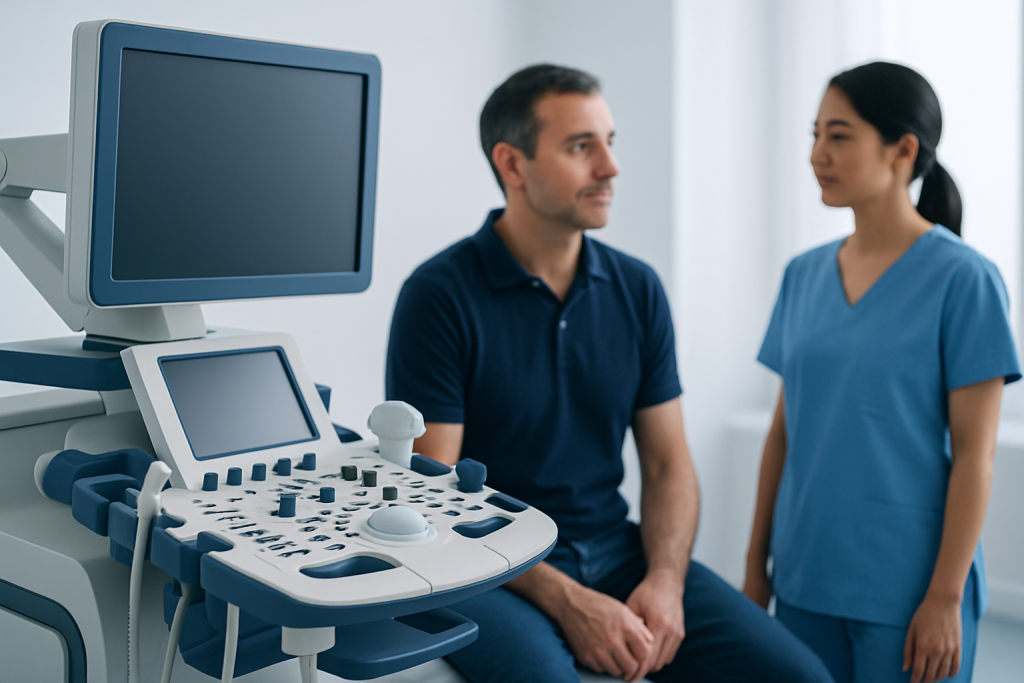
Skipping a separate appointment may be reasonable when the test is straightforward, low risk, and clearly matched to the person’s needs. Common examples include routine blood work ordered during a previous visit, repeat tests to monitor a known condition, a basic chest or limb X-ray after medical advice, or a simple urine test. Some health systems also allow self-requested wellness panels or screening tests, although availability varies by country and provider.
Walk-in access may also be useful when the person already has a referral and simply wants the earliest possible testing slot. In this situation, there is no need for another consultation to explain the same issue. A same-day test can speed up diagnosis and help treatment planning move forward more efficiently.
Another good use of walk-in testing is follow-up. For example, a person with stable thyroid disease, diabetes, high cholesterol, or a past infection may need periodic lab monitoring. If the test has already been decided by a clinician and the person understands any preparation requirements, a walk-in visit is often appropriate.
- Routine blood and urine tests
- Follow-up monitoring for an existing condition
- Basic imaging already advised by a clinician
- Non-urgent screening or wellness checks, where available
When an Appointment or Doctor Review Is Still Important

Some tests should not be arranged casually because they need clinical judgment first. Advanced imaging such as CT, MRI, or specialized ultrasound may be necessary only after a doctor has reviewed symptoms and examined the patient. The same is true for tests that may expose a person to radiation, involve contrast dye, require sedation, or need a detailed explanation of possible findings.
An appointment is also important when symptoms could reflect more than one cause. For example, abdominal pain, persistent headaches, unexplained weight loss, fainting, or ongoing bleeding may need a targeted medical assessment rather than a single test chosen without context. In these cases, the right test depends on age, medical history, medications, pregnancy status, and physical examination findings.
Walk-in testing is not the right choice for emergencies. Sudden chest pain, severe trouble breathing, confusion, signs of stroke, seizures, major injuries, or heavy bleeding need urgent medical attention. Delaying care in order to arrange outpatient testing can be unsafe.
It is also wise to seek guidance when a person has kidney disease, allergy concerns, pregnancy, implanted medical devices, or difficulty lying flat or still. These factors can affect whether a test is safe, useful, or technically possible.
What Types of Tests Are Commonly Available on a Walk-In Basis
The tests most often offered without a full appointment are basic laboratory studies and selected simple imaging examinations. Typical examples include complete blood counts, blood sugar, cholesterol panels, urine analysis, pregnancy testing, and some infection-related tests. These studies are commonly used to support diagnosis, monitor health conditions, or assess general wellness.
In imaging, plain X-rays are among the most common walk-in options because they are relatively quick and often do not require extensive preparation. Depending on local practice, some centers may also offer same-day ultrasound examinations or electrocardiogram testing for non-urgent concerns. More complex studies such as MRI scans or CT usually need scheduling, referral review, or specific safety checks.
Availability differs between hospitals, outpatient diagnostic centers, and private laboratories. A center may advertise walk-in testing but still limit certain studies to selected hours, referral types, or patient groups. It is therefore helpful to confirm whether the exact test is available, whether a request form is needed, and how results will be delivered.
- Common walk-in options: basic blood tests, urine tests, plain X-rays, ECG
- Sometimes available same day: selected ultrasound studies
- Usually scheduled: CT, MRI, contrast studies, endoscopy-based tests
Preparation, Safety, and Practical Points to Check
Before arriving for a walk-in test, it is important to understand whether any preparation is needed. Some blood tests require fasting, avoiding strenuous exercise, or timing around medications. Certain imaging tests may require a full bladder, no food for several hours, or removal of metal items. If instructions are not followed, the test may need to be repeated or the results may be harder to interpret.
People should also bring relevant documents and information, such as an identity document, referral form if one exists, a medication list, allergy history, prior imaging reports, and insurance or payment details. This helps the team confirm that the correct test is being performed and reduces delays.
Safety questions matter even in walk-in settings. Pregnancy should be mentioned before any test involving radiation. Kidney problems, allergies to contrast material, implanted devices, claustrophobia, and anticoagulant use may affect how a test is planned. Good diagnostic care is not only about convenience but also about choosing the right test in the safest way.
Finally, a walk-in service may still involve waiting time. Patients are often seen based on urgency, test complexity, and department flow. Calling ahead can help confirm the best time to attend and whether a quieter period is available.
Understanding Results and Next Steps
Diagnostic tests provide information, but they do not always give a complete answer on their own. A normal result can be reassuring, yet it may not fully explain persistent symptoms. An abnormal result may need repeat testing, comparison with previous reports, or interpretation by a specialist. This is why results are most valuable when reviewed alongside a person’s symptoms, medical background, and examination findings.
Some walk-in centers provide results directly to the patient, while others send them to the referring doctor. Turnaround time varies depending on the test. Basic blood work may return the same day or next day, while microbiology, pathology, or advanced imaging reports can take longer. Patients should ask who will explain the findings and what to do if symptoms change before results are available.
There are also times when test results suggest the need for more specialized assessment. A suspicious X-ray finding may lead to further CT imaging, while ongoing urinary symptoms may point toward evaluation for kidney stones or other urinary tract problems. Good follow-up helps ensure that an isolated test becomes part of a clear care plan rather than a stand-alone report.
When to Seek Medical Advice Instead of Walk-In Testing
Walk-in testing is best for non-urgent situations. If symptoms are severe, rapidly worsening, or unusual, direct medical assessment should come first. This includes chest pain, sudden shortness of breath, signs of stroke, loss of consciousness, severe dehydration, high fever with confusion, serious injury, or uncontrolled bleeding. In these cases, emergency care is more appropriate than a routine diagnostic center visit.
Medical advice is also important when symptoms have lasted for some time without a clear explanation. Fatigue, persistent cough, unexplained weight loss, recurrent abdominal pain, swelling, or ongoing changes in bowel or bladder habits may require careful evaluation before selecting tests. This helps avoid unnecessary testing and improves the chance of identifying the true cause.
Children, older adults, pregnant individuals, and people with multiple chronic conditions may benefit especially from clinician guidance before testing. Their symptoms can be less typical, and the safest or most useful investigation may differ from standard adult pathways. If there is uncertainty, contacting a doctor or qualified healthcare provider is the safest next step.
For international patients who need coordinated diagnostic care, Acibadem International’s multidisciplinary specialists and JCI-accredited hospitals provide evaluation and testing pathways designed around the patient’s clinical needs.
Frequently asked questions
Can anyone use walk-in diagnostic testing?
Many adults can use walk-in services for simple, non-urgent tests, but access depends on local rules and the specific test. Some studies still require a doctor’s referral, safety review, or appointment.
Do walk-in tests always give same-day results?
Not always. Some basic blood tests or X-rays may be reported quickly, while microbiology, pathology, and advanced imaging often take longer. The timing depends on the type of test and how the facility handles reporting.
Is walk-in imaging available for CT or MRI?
CT and MRI are less commonly handled as simple walk-in tests because they often need referral review, safety screening, and scheduled scanner time. In some centers, same-day slots may be possible, but they are usually not guaranteed.
Should a person fast before a walk-in blood test?
Some blood tests require fasting, but many do not. It is best to check the test instructions in advance, because eating, drinking, exercise, or medications can affect certain results.
Can walk-in testing replace a doctor visit?
It can sometimes reduce the need for a separate appointment when the test is routine and already clearly indicated. However, it does not replace medical assessment for complex, persistent, or urgent symptoms.
What symptoms should never be handled through routine walk-in testing?
Chest pain, severe breathing difficulty, stroke-like symptoms, fainting, major bleeding, and serious injuries need urgent medical care. In those situations, emergency evaluation is safer than waiting for outpatient testing.
References
- World Health Organization
- Centers for Disease Control and Prevention
- American College of Radiology
- National Health Service
- MedlinePlus
This article is for general information only and is not a substitute for professional medical advice. Please consult a qualified doctor about your individual situation.
Explore treatments in Turkey — costs, top hospitals & a free quote
JCI-accredited · board-certified surgeons · reply within 24h
Add us as a Preferred Source to see more of our trusted health content across Google Search, AI Overviews and Discover.
Check your numbers in seconds
BMI, calories, due date, blood pressure and 30+ more clinical calculators — free, instant, doctor-reviewed ranges.

More from the Health Library



Related Specialists

Prof. Dr. Ercan Karaarslan
Radiology
Prof. Dr. Bora Peynircioğlu
Interventional Radiology
Prof. Dr. Koray Güven
Interventional Radiology
Assoc. Prof. Dr. Deniz Can Aliş
Radiology