Wearable Blood Pressure Monitors: How Accurate Are They and Who Should Use Them?
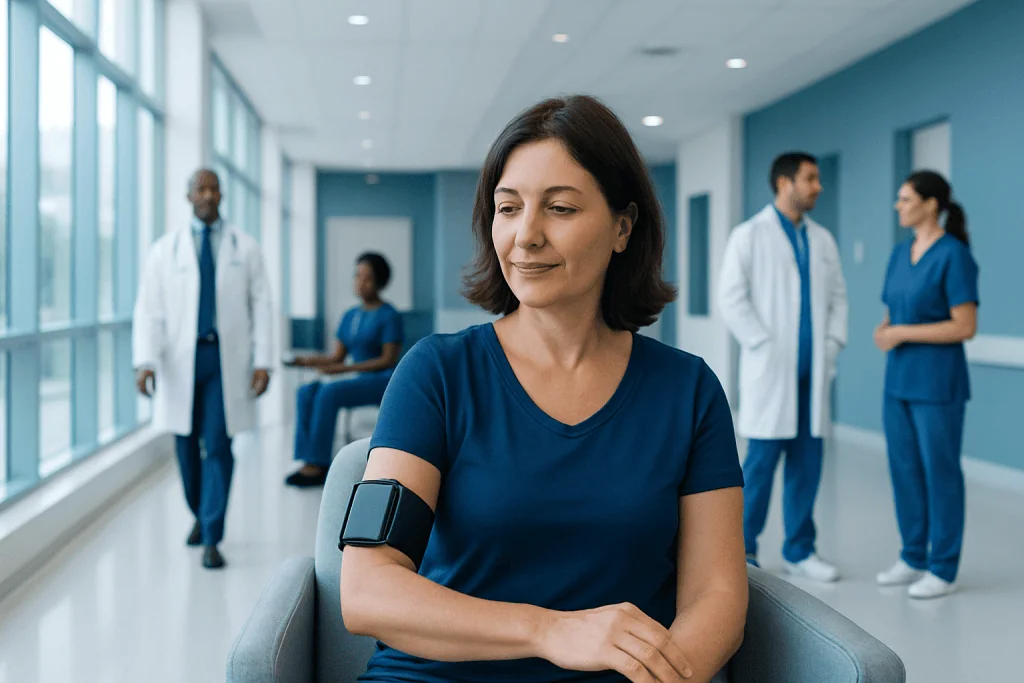
Wearable blood pressure monitors can help track patterns, but they are not all equally accurate. Validated upper-arm blood pressure cuffs remain the preferred method for diagnosis and medication decisions.
Key Takeaways
- Wearable blood pressure monitors can help track patterns, but they are not all equally accurate.
- Validated upper-arm blood pressure cuffs remain the preferred method for diagnosis and medication decisions.
- Proper fit, body position, motion, and regular calibration can strongly affect smartwatch blood pressure readings.
- These devices may be most useful for people already monitoring hypertension, especially between clinic visits.
- Anyone with concerning symptoms or very high or low readings should seek medical advice rather than relying on a wearable alone.
Wearable blood pressure monitors offer convenient, on-the-go tracking, but accuracy depends on the device, how it is used, and the person wearing it. They may help some people follow blood pressure trends, yet validated upper-arm cuff measurements remain the standard for diagnosis and treatment decisions.
Overview: What wearable blood pressure monitors do
Wearable blood pressure monitors are devices designed to estimate blood pressure outside a clinic. They may be built into a smartwatch, wrist-worn device, finger sensor, patch, or another portable form. Their main appeal is convenience: they can be worn during daily life and may allow frequent readings without carrying a standard cuff.
Blood pressure is not a fixed number. It changes through the day with activity, stress, sleep, posture, meals, caffeine, and medications. Because of this, some people are interested in wearables that can show trends over time rather than only a single reading at a doctor’s office. For people who are monitoring possible high blood pressure, this kind of ongoing data may seem especially helpful.
However, convenience is not the same as medical accuracy. Wearable devices use different technologies from traditional blood pressure cuffs, and not all are clinically validated. Some can provide useful estimates under the right conditions, while others may be less reliable in real-world settings. Understanding this difference is important before using a wearable to make health decisions.
How accurate are wearable blood pressure monitors?
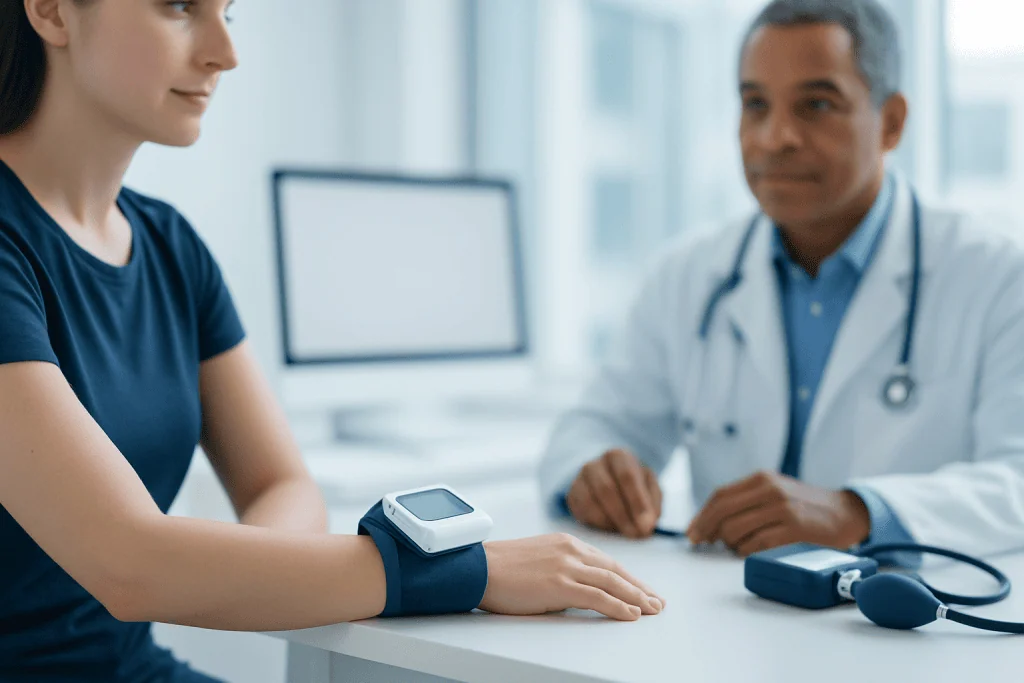
The short answer is that wearable blood pressure monitors can be reasonably useful for trend tracking, but their accuracy varies widely. A validated upper-arm cuff remains the reference standard for routine home monitoring, and office or ambulatory monitoring may still be needed to confirm a diagnosis. Many wearables perform best when the user is still, the device is positioned correctly, and the readings are checked against a standard cuff from time to time.
Some smartwatches and wrist devices estimate blood pressure using optical sensors, pulse transit time, or algorithms based on pulse waves. These approaches can be affected by movement, skin contact, temperature, heart rhythm changes, and differences between users. A device may work fairly well for one person but less well for another. Even a small inaccuracy can matter if blood pressure is near a treatment threshold.
Accuracy also depends on whether a device has undergone formal validation against accepted medical standards. A product may be popular or easy to use but still not be validated for clinical use. Patients should look for clear information that the device has been tested in recognized protocols and should ask a doctor whether the results are suitable for personal monitoring.
In practice, many specialists recommend using wearable readings as supporting information rather than as the only source of truth. If a wearable repeatedly shows high numbers, confirmation with a standard home monitor or a clinic measurement is important. This is especially true before changing medications or assuming blood pressure is well controlled.
Why readings can differ from a standard cuff
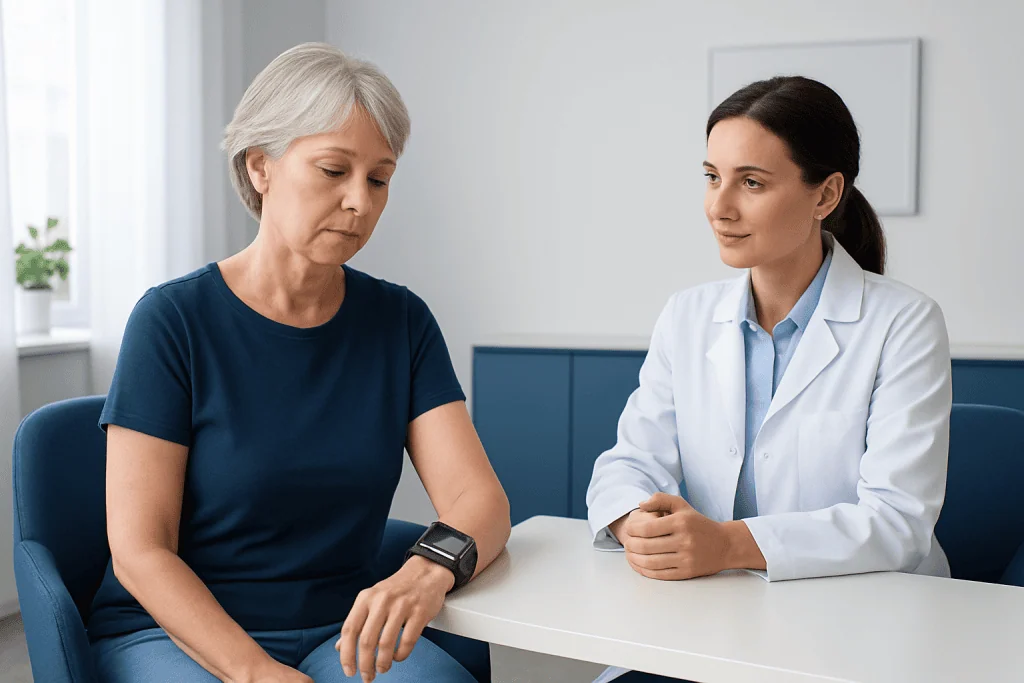
Traditional blood pressure cuffs measure pressure by inflating around the upper arm and detecting blood flow changes in an artery. Wearables often estimate blood pressure indirectly, which introduces more potential for error. The farther the measurement site is from the upper arm, such as the wrist or finger, the more sensitive the reading can be to body position and circulation changes.
Several common factors can affect a wearable reading:
- Moving, talking, or tensing the arm during measurement
- Incorrect strap tightness or poor sensor contact with the skin
- Holding the wrist above or below heart level
- Irregular heart rhythms, such as atrial fibrillation
- Cold hands, dehydration, or poor circulation
- Failure to calibrate when the device requires it
Wrist-based monitors deserve special attention. While some can be accurate, they usually require careful positioning at heart level and may be more sensitive to technique than upper-arm cuffs. If used casually while walking, typing, or changing position, they can give misleading readings. This does not necessarily mean the device is faulty; it may simply mean the conditions were not suitable for a dependable measurement.
People should also remember that blood pressure normally changes minute to minute. A difference between a wearable and a cuff does not always mean one is wrong. The best comparison is usually made when both are used close together, under calm conditions, following the same preparation steps.
Who may benefit from using one
Wearable blood pressure monitors may be most helpful for adults who want to follow general patterns between regular checkups. They can support self-awareness and may encourage better habits, such as taking measurements at consistent times, noticing how stress affects readings, or remembering to discuss trends with a doctor. For some people, seeing changes over time can make blood pressure management feel more understandable and less abstract.
They may be useful for people who already have diagnosed hypertension and are also using a validated home cuff. In this setting, the wearable can act as an additional tool to flag patterns that deserve closer review. A doctor may also advise more structured monitoring through ambulatory blood pressure monitoring or standard home measurements if clinic readings and wearable readings do not match.
Some users appreciate wearable devices because they are discreet and easy to carry. This may help people who travel often, work irregular hours, or are building a routine around lifestyle changes such as exercise, weight management, or improved sleep. In certain cases, a clinician may recommend broader heart rhythm or blood pressure tracking alongside tests such as Holter monitoring to better understand symptoms or cardiovascular patterns.
Even so, a wearable is not equally appropriate for everyone. People with arrhythmias, vascular disease, significant swelling, tremor, or conditions affecting circulation may get less reliable readings. Pregnant patients, older adults with complex medical conditions, and anyone with a history of very high blood pressure should ask their doctor which monitoring method is most appropriate.
Who should be cautious about relying on them
Wearable blood pressure monitors should not be used as the only basis for diagnosis. If someone is being evaluated for high blood pressure, low blood pressure, dizziness, fainting, chest discomfort, or medication adjustment, a validated upper-arm monitor and formal medical assessment are usually more appropriate. Diagnosis often depends on repeated measurements taken in a standardized way, not on occasional smartwatch readings alone.
Caution is also important for people who may need very accurate readings for treatment decisions. This includes those with kidney disease, diabetes, heart disease, pregnancy-related blood pressure concerns, or a prior stroke. Small differences in readings may influence care, so clinicians usually prefer established methods for these situations. When needed, a specialist may combine blood pressure tracking with other cardiovascular evaluation such as ECG testing.
Anyone who becomes anxious from frequent checking should also be careful. Repeated measurements taken many times a day can increase stress, which may itself raise blood pressure temporarily. In those cases, it may be more helpful to use a clear monitoring plan agreed with a clinician rather than reacting to every isolated number.
How to use wearable blood pressure monitors more effectively
To get the most useful information from a wearable, it helps to use it under consistent conditions. Readings are often more dependable when the person is seated, relaxed for several minutes, and not speaking. The arm or wrist should be supported and kept at heart level if the manufacturer recommends it. Taking measurements at the same times each day can make trends easier to interpret.
Users should carefully follow the device instructions, including calibration if required. Calibration usually means comparing the wearable with a validated cuff-based measurement. If the wearable repeatedly differs from a standard home cuff, it is sensible to trust the validated cuff and discuss the discrepancy with a doctor.
Good measurement habits include:
- Avoiding caffeine, smoking, and exercise shortly before readings when possible
- Sitting quietly for about 5 minutes before measuring
- Using the device on clean, dry skin with proper fit
- Recording readings with the time of day and any symptoms
- Comparing wearable results with a validated upper-arm monitor periodically
It is also useful to focus on patterns, not single numbers. A wearable may show whether readings are consistently higher in the morning, after poor sleep, or during stress. That type of information can help guide a conversation with a healthcare professional, even if the exact number still needs confirmation by a cuff.
When to seek medical advice
A wearable blood pressure monitor should not delay medical care. If a person has symptoms such as chest pain, shortness of breath, weakness on one side, confusion, severe headache, fainting, or sudden vision changes, urgent medical evaluation is needed regardless of what the wearable shows. In these situations, symptoms matter more than the device reading.
Medical advice is also important if home or wearable readings are repeatedly high, repeatedly very low, or very different from clinic measurements. A doctor can review the device being used, the measurement technique, medical history, and any medicines that may affect blood pressure. Additional testing may be recommended to confirm whether there is true hypertension, white coat hypertension, or another cause for abnormal readings.
People who are starting or changing blood pressure treatment should ask which device to use at home and how often to measure. For many patients, a validated upper-arm cuff will remain the main tool, with the wearable used only as a supplement. Near the end of the care pathway, international patients may also wish to know that Acibadem International’s multidisciplinary specialists in JCI-accredited hospitals evaluate and treat blood pressure-related conditions when more detailed assessment is needed.
Frequently asked questions
Are smartwatch blood pressure readings as accurate as a regular cuff?
Usually not. Some smartwatches can provide useful estimates or trend information, but validated upper-arm cuff monitors are generally more accurate for diagnosis and treatment decisions. Accuracy depends on the device, its validation, and how carefully it is used.
Can a wearable blood pressure monitor diagnose hypertension?
A wearable alone should not be used to diagnose hypertension. Doctors usually base diagnosis on repeated measurements taken with validated equipment, often at home, in the clinic, or sometimes over 24 hours. Wearables may help identify patterns that need formal confirmation.
Why does my wearable show a different reading from my doctor’s office?
Blood pressure changes through the day, so some variation is normal. Differences can also happen because of movement, posture, stress, cuff technique, calibration issues, or the technology used by the wearable. Comparing readings under calm, similar conditions can give a fairer result.
Who should use a wearable blood pressure monitor?
These devices may be helpful for adults who want to follow trends between appointments, especially if they already use a validated home monitor. They can support awareness and routine tracking. They are best seen as an extra tool rather than a replacement for standard measurement.
Are wrist blood pressure devices reliable?
Some wrist devices can be reliable if they are properly validated and used exactly as instructed. However, they are often more sensitive to arm position and technique than upper-arm cuffs. Holding the wrist at heart level is especially important.
What should someone do if a wearable shows a very high reading?
The first step is to sit quietly and recheck according to the device instructions, ideally confirming with a validated upper-arm monitor if available. If readings remain high or the person has symptoms such as chest pain, shortness of breath, severe headache, weakness, or confusion, they should seek prompt medical care. A wearable reading should not be used to self-adjust medication without medical advice.
References
- World Health Organization
- American Heart Association
- European Society of Hypertension
- Centers for Disease Control and Prevention
- National Heart, Lung, and Blood Institute
This article is for general information only and is not a substitute for professional medical advice. Please consult a qualified doctor about your individual situation.
Explore treatments in Turkey — costs, top hospitals & a free quote
JCI-accredited · board-certified surgeons · reply within 24h
Add us as a Preferred Source to see more of our trusted health content across Google Search, AI Overviews and Discover.
Check your numbers in seconds
BMI, calories, due date, blood pressure and 30+ more clinical calculators — free, instant, doctor-reviewed ranges.

More from the Health Library



Related Specialists

Selvî Yüce
Physical Medicine & Rehabilitation
Dr. Selin Alponat
Breast Clinic Clinical Service
Prof. Dr. Fatih Oğuz Önder
Gastroenterology
Dr. Fuad Alakbarli
Orthopedic Surgery & Traumatology