Wearable Heart Monitors: How Long-Term Rhythm Tracking Works

Wearable heart monitors can help identify intermittent rhythm changes, especially palpitations, fast heartbeats, slow heartbeats, and possible atrial fibrillation. Different devices collect different types of data, from pulse trends to medical-grade ECG recordings.
Key Takeaways
- Wearable heart monitors can help identify intermittent rhythm changes, especially palpitations, fast heartbeats, slow heartbeats, and possible atrial fibrillation.
- Different devices collect different types of data, from pulse trends to medical-grade ECG recordings.
- Consumer wearables can be useful screening tools, but they do not replace a diagnosis from a qualified clinician.
- Long-term monitoring may be recommended when symptoms are brief, unpredictable, or not captured during a standard ECG.
- Results should be interpreted in the context of symptoms, medical history, medications, and other tests.
Wearable heart monitors can record heart rhythm information over days, weeks, or longer, helping doctors detect intermittent rhythm problems that may not appear during a short clinic visit. Understanding how these devices work, their limitations, and when to seek medical advice can help patients use them safely and confidently.
Overview
Wearable heart monitors are devices that track heart rate, heart rhythm, or electrical heart activity over time. They range from smartwatches and fitness bands to prescription medical patches, Holter monitors, and event recorders. Their main purpose is to capture information during everyday life, when a person is walking, sleeping, working, exercising, or experiencing symptoms.
Long-term rhythm tracking is especially helpful because many heart rhythm problems are intermittent. A standard electrocardiogram, often called an ECG or EKG, records only a brief moment in time. If the rhythm disturbance is not happening during the test, the ECG may appear normal even when the patient has real symptoms at other times.
These devices are most often used to evaluate palpitations, dizziness, fainting, unexplained rapid heartbeats, very slow heartbeats, or suspected atrial fibrillation. They may also be used after certain heart procedures, after a stroke in selected patients, or to monitor people with known arrhythmias under medical supervision.
How Long-Term Rhythm Tracking Works
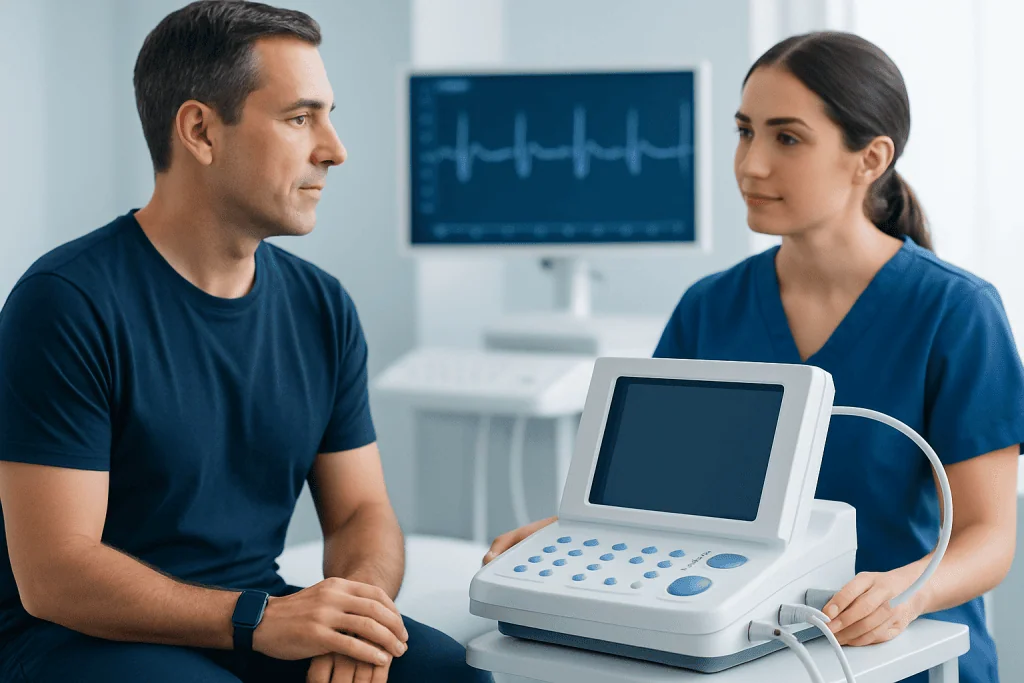
The heart has an electrical system that coordinates each heartbeat. A medical ECG records this electrical activity using electrodes on the skin. Some wearable medical devices use similar principles, collecting a continuous or intermittent ECG tracing that a clinician can review. Other wearables use optical sensors to estimate pulse rate by measuring changes in blood flow under the skin.
Long-term monitoring works by increasing the chance of recording an abnormal rhythm when it occurs. The device may store data continuously, record automatically when it detects an irregular pattern, or allow the user to start a recording when symptoms begin. Many modern devices time-stamp events so symptoms can be compared with rhythm data.
The information is usually analyzed by software first and then reviewed by trained healthcare professionals when the device is prescribed as a medical monitor. A report may describe the average heart rate, the lowest and highest heart rates, pauses, extra beats, episodes of fast rhythm, or possible atrial fibrillation. The doctor then interprets these findings alongside the patient’s history and symptoms.
Types of Wearable Heart Monitors
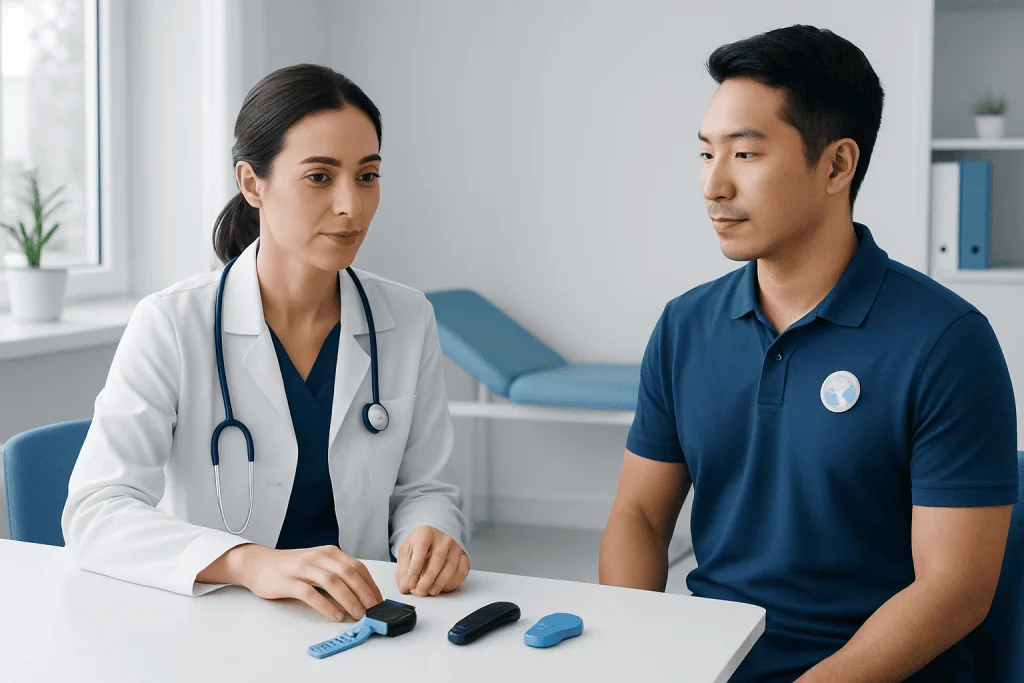
There is no single wearable heart monitor that is best for everyone. The right option depends on the symptoms, how often they happen, the patient’s risk factors, and what the doctor needs to find out. Some monitors are designed for general wellness tracking, while others are regulated medical devices used for diagnosis.
Common types include:
- Fitness trackers and smartwatches: These often estimate heart rate using optical sensors. Some models can record a single-lead ECG when the user touches the device and may alert for an irregular pulse pattern.
- Holter monitors: These prescription devices usually record continuous ECG data for 24 to 48 hours, and in some cases longer.
- Patch monitors: Adhesive ECG patches can be worn for several days to a few weeks, providing longer continuous rhythm information with fewer wires.
- Event monitors: These are activated by the patient or automatically triggered by the device when symptoms or abnormal rhythms occur.
- Mobile cardiac telemetry: These systems transmit rhythm data to a monitoring center and may be used for higher-risk situations when near real-time review is needed.
- Implantable loop recorders: These are not external wearables, but they provide very long-term rhythm tracking under the skin for selected patients with infrequent but concerning symptoms.
Consumer devices can support awareness and may prompt medical evaluation, but they are not always equivalent to clinical-grade monitoring. A cardiologist may recommend a medical monitor if the goal is to confirm a diagnosis, guide treatment, or investigate symptoms that could have several causes.
What Wearable Monitors Can and Cannot Detect
Wearable heart monitors can detect or suggest several rhythm patterns, depending on the device. Medical ECG monitors may identify atrial fibrillation, atrial flutter, supraventricular tachycardia, ventricular ectopic beats, pauses, bradycardia, and some forms of tachycardia. Smartwatches and fitness trackers may detect irregular pulse patterns or provide a single-lead ECG tracing that can suggest atrial fibrillation in certain circumstances.
However, wearable devices have limits. Optical pulse sensors can be affected by movement, poor skin contact, tattoos, cold hands, loose straps, and certain exercise conditions. A single-lead ECG may not provide as much information as a standard 12-lead ECG performed in a clinic or hospital. Some rhythm problems can look similar on limited recordings, so interpretation requires medical training.
False alarms and missed episodes can occur. An alert does not always mean a dangerous rhythm is present, and the absence of an alert does not guarantee that the heart rhythm is normal. For this reason, wearable data should be considered a useful piece of information rather than a complete diagnosis.
Who May Benefit from Long-Term Monitoring
Long-term rhythm monitoring may be useful for people whose symptoms are brief, unpredictable, or not captured during a routine ECG. Symptoms that commonly lead to monitoring include palpitations, fluttering sensations, skipped beats, unexplained shortness of breath, lightheadedness, fainting, chest discomfort with a racing heartbeat, or episodes of unusual fatigue.
Doctors may also recommend monitoring for people with known or suspected atrial fibrillation, especially when episodes come and go. In some patients who have had a stroke or transient ischemic attack, longer rhythm monitoring may be considered to look for silent atrial fibrillation. Monitoring can also help assess the effectiveness of certain treatments, such as medications or ablation procedures, when clinically appropriate.
Not everyone needs a wearable heart monitor. A healthy person with no symptoms may receive limited benefit from frequent rhythm checking, and constant alerts can sometimes create unnecessary worry. The most helpful approach is to match the device and monitoring period to a clear medical question.
What to Expect During Monitoring
If a doctor prescribes a wearable heart monitor, the patient will receive instructions on how to wear it, how long to use it, and what activities to avoid. Some monitors can be worn during normal daily activities, while others must be kept dry or removed in specific situations. Good skin contact is important for accurate recording, especially with ECG patches and electrode-based devices.
Patients may be asked to keep a symptom diary or press an event button when symptoms occur. Notes such as time, activity, symptoms, and any triggers can help the doctor compare the rhythm recording with how the patient felt. This is important because palpitations may sometimes occur with a normal rhythm, while some abnormal rhythms may cause few or no symptoms.
After the monitoring period, the device data are reviewed and a report is sent to the doctor. The results may be normal, may show benign extra beats, or may identify an arrhythmia that needs further evaluation. The next steps may include reassurance, lifestyle advice, blood tests, an echocardiogram, medication review, additional monitoring, or referral to an electrophysiologist, depending on the findings.
Safety, Privacy, and When to See a Doctor
Most external wearable heart monitors are noninvasive and generally safe. Mild skin irritation can occur with adhesive patches or electrodes, and patients should inform their care team if redness, itching, blistering, or discomfort develops. People with implanted cardiac devices, such as pacemakers or defibrillators, should ask their cardiologist which consumer devices are appropriate and how to interpret any alerts.
Data privacy is also important. Consumer wearables may store health information in apps or cloud-based accounts. Patients should review privacy settings, understand who can access their data, and avoid sharing medical information publicly. Prescription medical monitors are handled through healthcare systems, but patients can still ask how their data are stored and reported.
Medical advice should be sought promptly if palpitations are accompanied by fainting, severe dizziness, chest pain, shortness of breath, weakness on one side of the body, or symptoms that feel intense or unusual. A wearable alert for possible atrial fibrillation, very high heart rate, very low heart rate, or repeated irregular rhythm should be discussed with a qualified doctor, especially if the person has heart disease, high blood pressure, diabetes, a prior stroke, or is taking heart medications.
For international patients who need evaluation of rhythm symptoms, Acibadem International offers access to multidisciplinary cardiology teams and JCI-accredited hospitals where wearable monitoring, advanced diagnostics, and treatment planning can be coordinated when clinically appropriate.
Frequently asked questions
Is a smartwatch ECG the same as a hospital ECG?
No. Many smartwatch ECG features record a single-lead tracing, while a standard hospital or clinic ECG usually records 12 leads from different angles. A smartwatch ECG may help identify certain rhythm patterns, such as possible atrial fibrillation, but it cannot replace a full medical ECG or clinical evaluation.
How long should a person wear a heart monitor?
The duration depends on how often symptoms occur and what the doctor is investigating. Some monitors are worn for 24 to 48 hours, while patch monitors may be used for days to weeks. In selected cases with rare symptoms, longer-term options may be considered.
Can wearable heart monitors detect a heart attack?
Wearable rhythm monitors are mainly designed to track heart rate and rhythm, not to diagnose a heart attack. Some ECG changes related to heart attacks require a full clinical assessment, blood tests, and a 12-lead ECG. Anyone with chest pain, shortness of breath, sweating, nausea, or pain spreading to the arm, jaw, or back should seek urgent medical care.
What does an irregular rhythm alert mean?
An irregular rhythm alert means the device detected a pattern that may need attention, but it is not always a confirmed diagnosis. Movement, sensor contact, and other factors can affect readings. The result should be shared with a doctor, especially if symptoms are present or the alert happens repeatedly.
Can anxiety cause palpitations even if the heart rhythm is normal?
Yes. Stress, anxiety, caffeine, poor sleep, dehydration, and some medications can cause a person to feel their heartbeat more strongly or rapidly. Monitoring can help determine whether symptoms occur during a normal rhythm or during an arrhythmia. A doctor can then recommend the most appropriate next steps.
Are wearable heart monitors useful for athletes?
They can be useful for tracking training heart rate and identifying unusual patterns, but athletes can also have normal rhythm variations that may look unfamiliar. Persistent palpitations, fainting during exercise, chest discomfort, or a sudden change in exercise tolerance should be assessed by a sports cardiology or cardiology specialist.
References
- American Heart Association
- European Society of Cardiology
- U.S. Food and Drug Administration
- National Institute for Health and Care Excellence
- Heart Rhythm Society
This article is for general information only and is not a substitute for professional medical advice. Please consult a qualified doctor about your individual situation.
Heart care in Turkey — expert evaluation and treatment
JCI-accredited · board-certified surgeons · reply within 24h
Add us as a Preferred Source to see more of our trusted health content across Google Search, AI Overviews and Discover.
Check your numbers in seconds
BMI, calories, due date, blood pressure and 30+ more clinical calculators — free, instant, doctor-reviewed ranges.