Weight Loss Running Machine: An Evidence-Based Guide for Patients
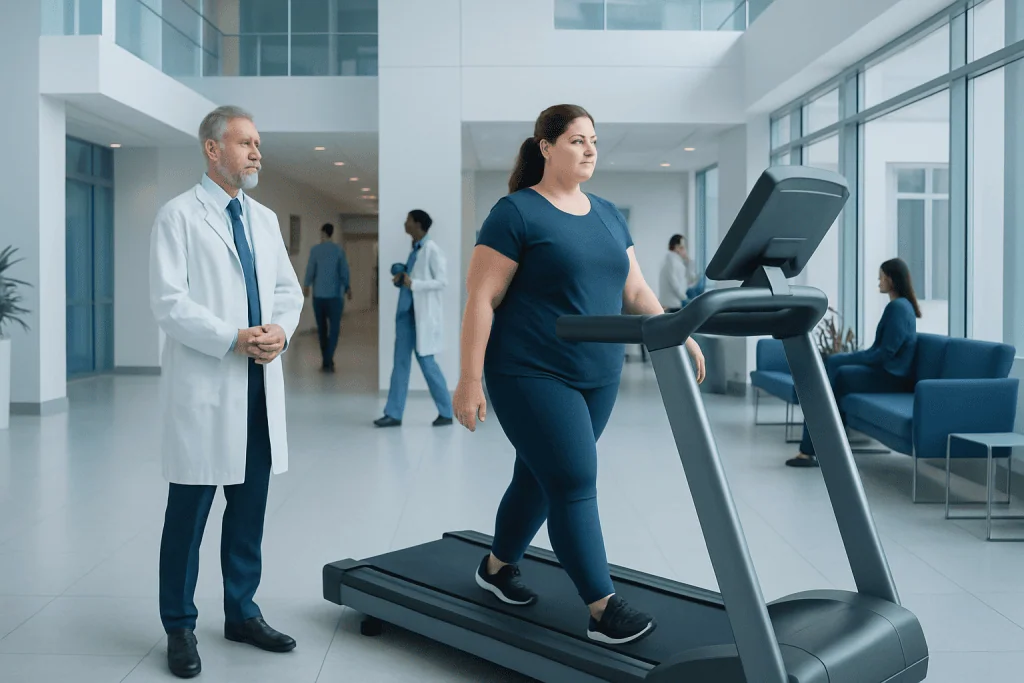
A treadmill can help with weight loss, but long-term results usually depend on both physical activity and nutrition. Walking, incline walking, and interval training can all be effective; running is not required for everyone.
Key Takeaways
- A treadmill can help with weight loss, but long-term results usually depend on both physical activity and nutrition.
- Walking, incline walking, and interval training can all be effective; running is not required for everyone.
- Safety matters, especially for people with obesity, joint pain, heart disease risk, or diabetes.
- Gradual progression reduces the risk of injury and makes a routine easier to maintain.
- Medical advice is important if symptoms such as chest pain, dizziness, or severe shortness of breath occur during exercise.
A weight loss running machine can support fat loss by helping a person burn energy consistently, improve fitness, and build an exercise routine that is easier to track indoors. The best results usually come from combining treadmill sessions with strength training, sleep, and a sustainable eating pattern rather than relying on exercise alone.
Overview: Can a Weight Loss Running Machine Really Help?
A weight loss running machine, usually a treadmill, can be an effective tool for people who want to lose weight in a structured and measurable way. It helps increase daily energy expenditure, supports cardiovascular fitness, and allows exercise to continue regardless of weather or daylight. For many people, this consistency is one of its greatest advantages.
However, no machine causes weight loss on its own. Weight loss happens when the body uses more energy than it takes in over time. A treadmill may help create part of that energy gap, but eating patterns, sleep, medications, stress, and medical conditions also influence progress.
It is also important to know that running is not the only useful option. Brisk walking, incline walking, and walk-run intervals can all support fat loss. For someone with joint pain, deconditioning, or a higher body weight, walking may be more realistic and safer than running at the start.
Used correctly, a treadmill can become part of a broader health plan. For people with excess weight and weight-related health concerns, medical assessment may also be helpful, especially when there are signs of obesity or difficulty losing weight despite consistent lifestyle efforts.
How a Treadmill Supports Weight Loss
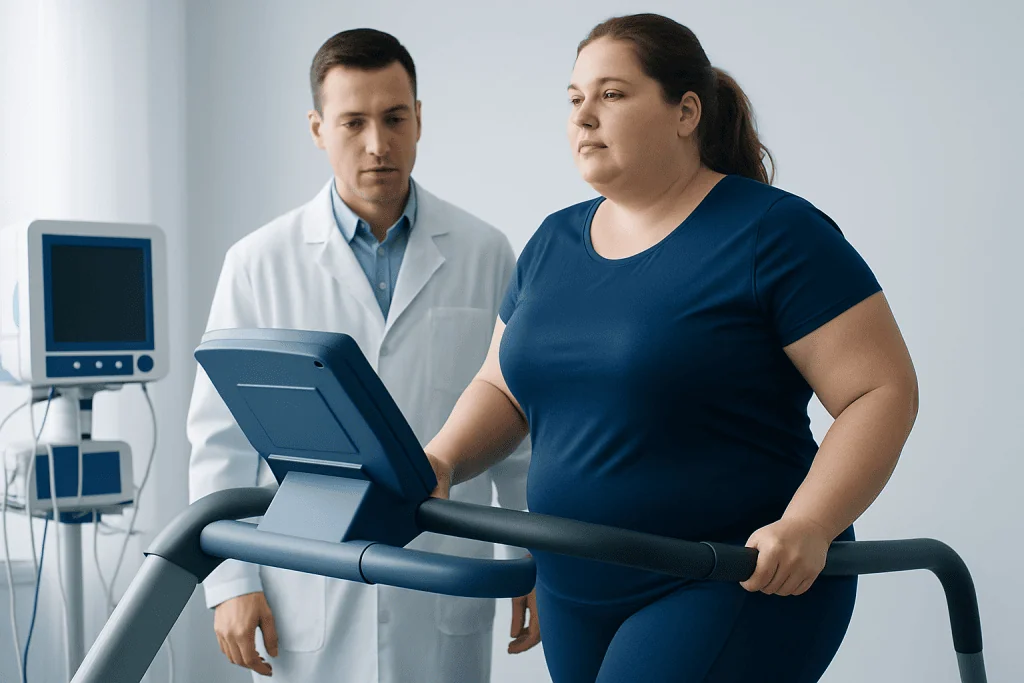
A treadmill supports weight loss mainly by increasing physical activity. During walking or running, muscles use stored and circulating fuel to produce movement. Over repeated sessions, this can contribute to a calorie deficit and improve the body’s ability to use glucose and fat efficiently.
Regular treadmill exercise may also improve endurance, heart health, and metabolic markers. Some people notice better stamina, lower resting heart rate, and improved mood before they see major changes on the scale. These changes are meaningful because better fitness often makes it easier to stay active in daily life.
Another benefit is control. A treadmill allows a person to set speed, incline, duration, and sometimes heart-rate targets. This can make progress easier to monitor than outdoor exercise, where terrain and weather vary. Many users also find it easier to follow a routine when exercise happens at home or in a gym at predictable times.
Still, machine displays should be interpreted cautiously. Calorie readings are estimates, not exact measurements. It is usually more helpful to focus on weekly consistency, gradually increasing activity, and how the body feels and functions rather than chasing a specific number shown on the console.
Best Treadmill Strategies: Walking, Running, and Intervals
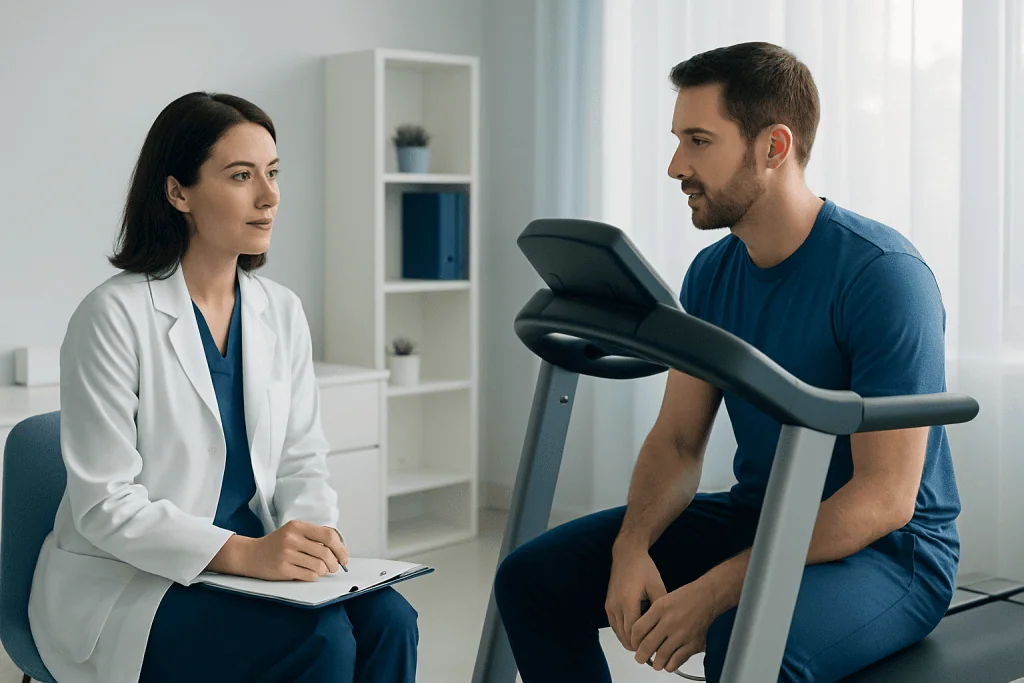
The best treadmill approach depends on current fitness, body weight, joint health, and personal preference. For beginners, brisk walking is often enough to improve health and support weight loss. A moderate pace that raises breathing but still allows short conversation is a practical starting point.
Incline walking can increase effort without the impact of faster running. This may be especially useful for people who want a challenging workout while reducing stress on the knees compared with high-speed running. Short interval sessions, such as alternating easier and harder periods, can also improve fitness efficiently when introduced gradually.
Running can burn more energy per minute than walking, but it is not automatically better for every person. Higher impact may increase injury risk in those with poor conditioning, arthritis, foot problems, or recent weight gain. In these cases, a walk-run plan may be safer and more sustainable than trying to run continuously.
Many patients do well with a balanced weekly pattern such as:
- 2 to 4 steady walking or jogging sessions
- 1 to 2 interval or incline sessions
- 2 strength-training sessions on separate or combined days
- At least 1 easier recovery day
This mix supports calorie use, muscle preservation, and long-term adherence better than doing the same hard workout every day.
How to Use a Weight Loss Running Machine Safely
Safe treadmill use begins with realistic pacing. Starting too fast or exercising too long can lead to muscle strain, shin pain, foot discomfort, or discouragement. A better strategy is to begin at a manageable level and increase only one variable at a time, such as speed, incline, or duration.
Proper footwear is also important. Supportive athletic shoes may reduce impact stress and improve comfort. Good posture matters as well: looking forward, keeping shoulders relaxed, and avoiding gripping the handrails unnecessarily can help maintain natural movement and reduce strain.
Warm-up and cool-down periods are often overlooked. A few minutes of slower walking before and after the main workout helps the body adjust and may reduce dizziness or sudden fatigue. Hydration, room temperature, and medication timing can also affect exercise tolerance, especially in older adults or people with diabetes.
People with severe obesity, known joint disease, prior heart problems, or balance concerns may benefit from medical guidance before beginning a more intense routine. In some cases, structured support such as physical therapy and rehabilitation can help improve mobility, gait, and exercise confidence before advancing to higher-intensity treadmill work.
Why Exercise Alone May Not Be Enough
One of the most common frustrations is exercising regularly without seeing much weight change. This does not always mean the effort is failing. Exercise improves health in many ways even when scale changes are slow, but body weight is still strongly influenced by food intake, appetite regulation, sleep, stress, and hormones.
After starting exercise, some people become hungrier or less active during the rest of the day, which can offset part of the calorie burn. Others gain a small amount of muscle while losing fat, making body composition improve before body weight changes clearly. Measuring waist size, stamina, and daily function can give a broader picture than the scale alone.
For many patients, the most effective plan combines treadmill exercise with a sustainable nutrition approach, strength training, and behavior changes that can be maintained for months and years. If excess weight is significant or related to conditions such as high blood pressure, sleep apnea, or insulin resistance, a clinician may discuss broader options including obesity surgery in carefully selected cases.
Medical review is also useful when a person gains weight rapidly, experiences marked fatigue, or has symptoms suggesting an underlying endocrine or metabolic issue. A treadmill is a tool, but treatment may need to address the whole medical picture.
Building a Sustainable Routine at Home or in the Gym
The most effective treadmill plan is usually the one a person can repeat comfortably over time. Rather than aiming for very intense sessions from the beginning, it is often better to set a regular schedule, such as 20 to 40 minutes on most days of the week, and gradually progress. Consistency generally matters more than perfection.
Tracking can help. Some people use time, distance, step count, or perceived effort. Others prefer heart-rate zones or simple weekly goals. Keeping a brief log may reveal patterns, such as better energy in the morning, slower recovery after poor sleep, or improved endurance after several weeks.
Variety can reduce boredom. Music, podcasts, interval programming, incline changes, or alternating treadmill days with cycling or swimming may make the plan easier to maintain. Strength exercises for the legs, hips, and core are also important because they support posture, preserve muscle, and can lower injury risk.
People who have difficulty with appetite control, emotional eating, or weight regain may benefit from expert support beyond exercise alone. In some situations, comprehensive weight loss treatment can provide a medically guided plan that includes nutrition, movement, and evaluation for conditions that interfere with progress.
When to Seek Medical Care
Most healthy adults can begin light to moderate treadmill walking safely, but medical advice is wise before starting if there is known heart disease, uncontrolled high blood pressure, severe obesity, significant joint disease, diabetes complications, or a long period of inactivity. A clinician can help determine a safe starting level and whether further evaluation is needed.
A person should stop exercising and seek prompt medical care if treadmill use causes chest pain, severe shortness of breath, fainting, marked dizziness, new irregular heartbeat, or pain spreading to the arm, jaw, or back. Sudden calf swelling, severe leg pain, or a major fall also needs medical attention.
Medical review is also important when pain persists after exercise, weight does not respond despite sustained efforts, or there are symptoms such as snoring, daytime sleepiness, menstrual changes, or unusual fatigue. These can point to conditions that may affect weight and exercise tolerance.
Near the end of a broader care pathway, some patients may need assessment by specialists in nutrition, endocrinology, cardiology, orthopedics, or rehabilitation. Acibadem International’s multidisciplinary specialists and JCI-accredited hospitals diagnose and treat weight-related conditions for international patients when more detailed evaluation is needed.
Frequently asked questions
Is a treadmill good for losing belly fat?
A treadmill can help reduce overall body fat, which may include abdominal fat over time. It is not possible to choose where the body loses fat first, so results vary from person to person. Regular exercise combined with a sustainable eating pattern usually works better than exercise alone.
Is walking on a weight loss running machine enough, or is running necessary?
Walking can be enough for many people, especially beginners or those with joint pain. Brisk walking and incline walking can provide a strong training effect with lower impact than running. Running is optional, not essential, for weight loss.
How often should a person use a treadmill for weight loss?
Many people aim for most days of the week, with a mix of moderate sessions and easier recovery days. The exact plan depends on age, fitness, weight, medical history, and goals. Starting with manageable sessions and increasing gradually is usually safer than doing too much too soon.
Why is there no weight loss even after regular treadmill exercise?
Weight can stay the same for several reasons, including increased appetite, fluid shifts, muscle gain, or calorie intake that matches calorie use. Some people improve fitness and body composition before seeing scale changes. If progress remains unclear, a doctor or dietitian can help review nutrition, sleep, medications, and underlying medical issues.
Can a person with obesity or knee pain use a treadmill safely?
Often yes, but the approach may need modification. Slower walking, shorter sessions, careful incline use, supportive footwear, and medical guidance can make exercise safer and more comfortable. If pain is significant or worsening, a clinician should assess the cause before activity increases.
Are treadmill calorie numbers accurate?
They are useful estimates, but they are not exact. Actual calorie use depends on body size, fitness level, speed, incline, and individual metabolism. It is usually better to use the display for tracking trends rather than treating the number as precise.
This article is for general information only and is not a substitute for professional medical advice. Please consult a qualified doctor about your individual situation.
Medical weight-loss options in Turkey — costs & eligibility
JCI-accredited · board-certified surgeons · reply within 24h
Add us as a Preferred Source to see more of our trusted health content across Google Search, AI Overviews and Discover.
Check your numbers in seconds
BMI, calories, due date, blood pressure and 30+ more clinical calculators — free, instant, doctor-reviewed ranges.

More from the Health Library

Facetite: A Complete Medical Overview

Tragus Piercing: An Evidence-Based Guide for Patients

Index Fingertip: A Complete Medical Overview

Grey Color Discharge: What Patients Need to Know

PTSD: A Complete Medical Overview