What Are the Side Effects of a Female Taking Testosterone? Here Is What the Evidence Says

At appropriately monitored doses, testosterone side effects in women are often mild and may include acne, oily skin, and increased hair growth. Higher-than-needed doses increase the chance of more noticeable androgenic effects, including scalp hair thinning, clitoral enlargement, and voice changes.
Key Takeaways
- At appropriately monitored doses, testosterone side effects in women are often mild and may include acne, oily skin, and increased hair growth.
- Higher-than-needed doses increase the chance of more noticeable androgenic effects, including scalp hair thinning, clitoral enlargement, and voice changes.
- The strongest evidence for testosterone therapy in women is for hypoactive sexual desire disorder after menopause, not for general energy, mood, weight loss, or muscle gain.
- Regular clinical follow-up and blood testing can help ensure testosterone levels do not rise above the usual female range.
- Testosterone should not be used during pregnancy or while trying to conceive unless a specialist has provided specific advice.
Testosterone can be prescribed for selected women, most often after menopause for low sexual desire, and many side effects are mild, reversible, and related to an excessive dose. However, new voice deepening, increased facial or body hair, scalp hair thinning, severe acne, or unexpected vaginal bleeding should be reviewed by a clinician promptly.
Overview: What Side Effects Can Testosterone Cause in Women?
When prescribed at a low dose and monitored appropriately, testosterone is often well tolerated by women. The most common effects are usually mild and related to androgen activity: acne, oilier skin, and increased growth of facial or body hair. These effects may improve when the dose is adjusted or treatment is stopped.
More significant effects are less common but deserve medical review. They include deepening of the voice, scalp hair thinning, enlargement of the clitoris, marked mood changes, or changes in menstrual bleeding. Some changes, especially voice deepening and clitoral enlargement, may not fully reverse after stopping treatment, which is why avoiding excessive doses and attending follow-up appointments are important.
Testosterone is naturally produced in the ovaries, adrenal glands, and other body tissues. Levels are lower in women than in men, but the hormone still contributes to sexual function, bone and muscle health, and overall wellbeing. A clinician considers both symptoms and the person’s health history rather than using a testosterone blood result alone to diagnose a problem.
Why a Woman May Be Prescribed Testosterone
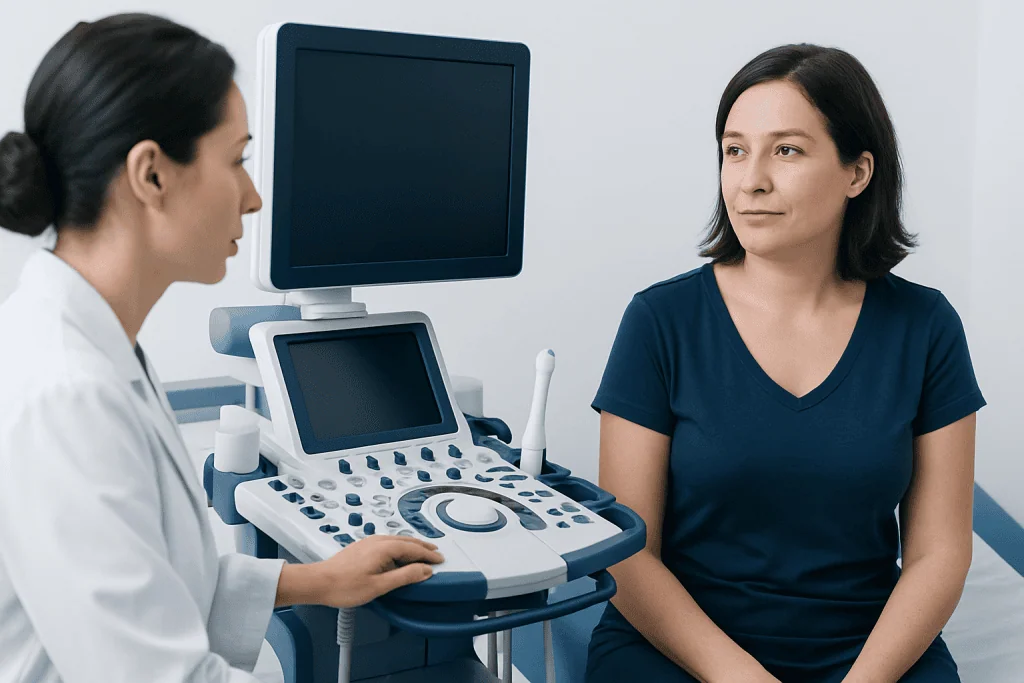
The best-supported use of systemic testosterone therapy in women is the treatment of hypoactive sexual desire disorder (HSDD) in postmenopausal women. HSDD means persistently low sexual desire that causes personal distress and is not better explained by relationship difficulties, another health condition, medication effects, or untreated mood symptoms.
Testosterone is sometimes discussed after natural or surgical menopause because hormone changes can contribute to reduced desire. Depending on the country, clinicians may use a carefully adjusted product originally made for men when no appropriately dosed female product is available. This should only be done under medical supervision, because products designed for men can deliver too much testosterone if used incorrectly.
Current evidence does not support routine testosterone use in women for fatigue, low mood, improved concentration, weight loss, athletic performance, or general anti-aging purposes. These concerns can have many possible causes, including sleep problems, thyroid disorders, anemia, depression, medication effects, and menopause-related symptoms. Identifying the underlying cause is safer and more likely to provide useful treatment.
Common and Less Common Side Effects

Side effects depend on the formulation, dose, duration of use, and individual sensitivity. Skin and hair changes are among the most frequently reported effects. Mild acne, oily skin, and extra hair growth on the face, chest, abdomen, or limbs can occur, particularly when testosterone levels become higher than the usual range for women.
Possible effects that should be discussed with a clinician include:
- Scalp hair shedding or a receding hairline pattern
- Changes in mood, irritability, or sleep
- Increased sweating or body odor
- Weight changes or fluid retention, although these are not specific to testosterone
- Changes in menstrual timing in women who still have periods
- Breast tenderness or changes in sexual response
At doses that produce testosterone levels within the normal female range, available research has not shown consistent severe short-term effects on blood pressure, blood sugar, or liver function in healthy postmenopausal women. However, long-term safety information remains limited, especially for people with cardiovascular disease, liver disease, a history of hormone-sensitive cancer, or other complex health conditions. A clinician can weigh potential benefits and uncertainties in the context of the individual’s medical history.
Red Flags That Need Medical Review
Most mild skin or hair changes are not an emergency, but they should not be ignored. Contact the prescribing clinician if acne becomes troublesome, hair growth increases quickly, periods become irregular, or any new symptom begins after starting or changing testosterone. A lower dose, a pause in treatment, or assessment for another cause may be appropriate.
More urgent review is needed for voice deepening, clitoral enlargement, rapidly progressing scalp hair loss, substantial facial hair growth, severe mood changes, yellowing of the skin or eyes, chest pain, shortness of breath, or one-sided leg swelling. These symptoms may relate to testosterone, another medication, or an unrelated medical condition, and should be assessed rather than self-managed.
Unexpected vaginal bleeding after menopause always requires medical evaluation, whether or not a person is using testosterone. Bleeding can have many causes and should not automatically be attributed to hormones. Women who are pregnant, could be pregnant, or are trying to conceive should avoid testosterone unless a specialist has explicitly advised otherwise, because exposure can affect fetal development.
How Doctors Assess Symptoms and Monitor Treatment
Before prescribing testosterone, a doctor usually asks about sexual wellbeing, menopause status, menstrual history, medications, mental health, sleep, relationship context, and other symptoms. This broader assessment helps distinguish HSDD from low desire related to pain during sex, vaginal dryness, depression, stress, relationship concerns, or another health condition.
A physical examination may be recommended, particularly if there are signs of excess androgen such as new coarse hair growth, acne, irregular periods, or scalp hair thinning. Blood tests may include total testosterone and, where appropriate, tests for thyroid function, blood count, glucose, lipids, prolactin, or other hormones. A blood testosterone result does not by itself diagnose low desire, but it can help establish a baseline and identify excessive treatment levels.
During treatment, clinicians generally reassess symptoms, side effects, and testosterone levels after starting therapy and periodically thereafter. The aim is not to raise levels above the typical female range. If there is no meaningful improvement after an adequate monitored trial, continuing testosterone is usually reconsidered. This approach reduces unnecessary exposure and keeps treatment focused on a clear goal.
Safe Use and Practical Self-Care
Testosterone should be used exactly as prescribed. A person should not increase the amount because benefits seem slow to appear, and should not use injections, pellets, supplements, or online products without medical oversight. These approaches may lead to unusually high hormone levels, and products sold as “natural” or “bioidentical” are not automatically safer or reliably dosed.
Transdermal preparations, such as a gel or cream, may be used in some settings because they can provide relatively steady absorption. If a topical product is prescribed, hands should be washed after application and the site should be covered as advised to avoid transferring testosterone to children, partners, or pets. The exact instructions depend on the product and should come from the prescriber or pharmacist.
For acne or unwanted hair growth, gentle skin care, non-comedogenic products, and standard hair-removal options may help while the cause is assessed. It is important not to stop or change prescribed hormones abruptly without discussing it with a clinician, unless urgent medical advice has been given. Any other medicines, supplements, or hormone products should also be reviewed for possible interactions or overlapping effects.
When to Seek Medical Care
A routine appointment is appropriate for low sexual desire that persists for several months, distressing menopause symptoms, new acne or hair changes, irregular periods, or concerns about a current testosterone prescription. A clinician can assess whether symptoms may be related to testosterone or whether another explanation, such as thyroid disease, polycystic ovary syndrome, medication effects, or menopause, should be considered.
Seek prompt medical care for rapid virilization, including sudden voice changes, rapid facial hair growth, or clitoral enlargement. These changes can occur with excessive hormone exposure but can also rarely suggest an ovarian or adrenal hormone-producing condition. New severe pelvic pain, postmenopausal bleeding, or symptoms of a blood clot or heart problem also require timely assessment.
Acibadem International’s multidisciplinary specialists and JCI-accredited hospitals can assess hormone-related symptoms and provide individualized treatment planning for international patients. The most suitable care plan is based on symptoms, examination findings, laboratory results, personal goals, and safety considerations rather than on testosterone level alone.
Frequently asked questions
Are testosterone side effects in women permanent?
Many effects, such as acne, oily skin, and mild excess hair growth, may improve after the dose is lowered or treatment is stopped. However, voice deepening and clitoral enlargement may be difficult to reverse completely. New androgenic changes should therefore be reported early.
Can testosterone cause weight gain in women?
Weight gain is not a specific or predictable effect of appropriately prescribed testosterone therapy. Weight can change for many reasons, including menopause, diet, activity, sleep, stress, and other medicines. A clinician can help assess persistent or rapid weight change.
Does testosterone cause hair loss in women?
Testosterone can contribute to scalp hair thinning in some women, especially at higher doses or in people with a family tendency toward androgen-related hair loss. It may also increase body or facial hair growth at the same time. A doctor can review the dose and assess other possible causes of hair loss.
Who should not take testosterone therapy?
Testosterone is generally avoided during pregnancy and in people who are trying to conceive or breastfeeding unless a specialist advises otherwise. Caution is also needed for people with liver disease, unexplained vaginal bleeding, certain cancers, or significant cardiovascular risk. Individual suitability should be assessed by a qualified clinician.
How quickly do testosterone side effects appear in women?
Skin changes such as acne or increased oiliness may appear within weeks, while hair and voice changes can develop more gradually. The timing varies with the dose, formulation, and individual sensitivity. Follow-up testing and symptom review help detect excessive exposure early.
Can women take testosterone for tiredness or low mood?
Testosterone is not routinely recommended solely for fatigue, low mood, concentration problems, or weight management. These symptoms are common and can result from many medical, psychological, and lifestyle factors. A clinician can investigate likely causes and recommend appropriate treatment.
References
- International Society for the Study of Women's Sexual Health
- The Menopause Society
- Endocrine Society
- U.S. Food and Drug Administration
- National Institute for Health and Care Excellence
This article is for general information only and is not a substitute for professional medical advice. Please consult a qualified doctor about your individual situation.
Hair transplant in Turkey — costs, graft counts & a free assessment
JCI-accredited · board-certified surgeons · reply within 24h
Add us as a Preferred Source to see more of our trusted health content across Google Search, AI Overviews and Discover.
Check your numbers in seconds
BMI, calories, due date, blood pressure and 30+ more clinical calculators — free, instant, doctor-reviewed ranges.