What Causes Brain Tumors? Causes, Explanations, and Next Steps

Most brain tumors develop because of genetic changes in cells that occur over time, often without a clear single cause. A small number are linked to inherited genetic syndromes or past exposure to ionizing radiation.
Key Takeaways
- Most brain tumors develop because of genetic changes in cells that occur over time, often without a clear single cause.
- A small number are linked to inherited genetic syndromes or past exposure to ionizing radiation.
- Common symptoms like headache are usually caused by something other than a brain tumor, but certain red flags deserve medical review.
- Doctors diagnose suspected brain tumors with a history, neurological exam, and imaging such as MRI, sometimes followed by biopsy or surgery.
- Treatment depends on the tumor type, size, location, and whether it is benign or malignant.
Most brain tumors are not caused by anything a person did, and many symptoms that people worry about are more often due to harmless, treatable problems such as tension headaches, migraines, sinus issues, or inner ear conditions. When symptoms are persistent, worsening, or accompanied by red flags such as seizures, new weakness, vision changes, or major changes in thinking, a doctor can evaluate the cause and arrange the right tests.
Overview: what causes brain tumors?
When people ask what causes brain tumors, the short answer is that most brain tumors happen because certain brain or surrounding cells develop changes in their DNA over time. These genetic changes can make cells grow, divide, and survive when they should not. In many cases, there is no single identifiable trigger, and the tumor is not something the person could have prevented.
It is also important to know that many symptoms people fear might mean a brain tumor are much more commonly caused by non-cancerous conditions. Headaches, dizziness, nausea, trouble concentrating, or vision strain often come from migraines, tension headaches, sleep problems, medication effects, sinus disease, anxiety, or routine eye issues. That is reassuring, but symptoms that are new, persistent, or progressive still deserve proper medical attention.
Brain tumors can be primary, meaning they start in the brain or nearby tissues, or secondary, meaning cancer has spread to the brain from somewhere else in the body. Primary tumors include non-cancerous and cancerous types. Because the term “brain tumor” covers many different conditions, the cause, behavior, and treatment can vary widely from one person to another.
How brain tumors develop
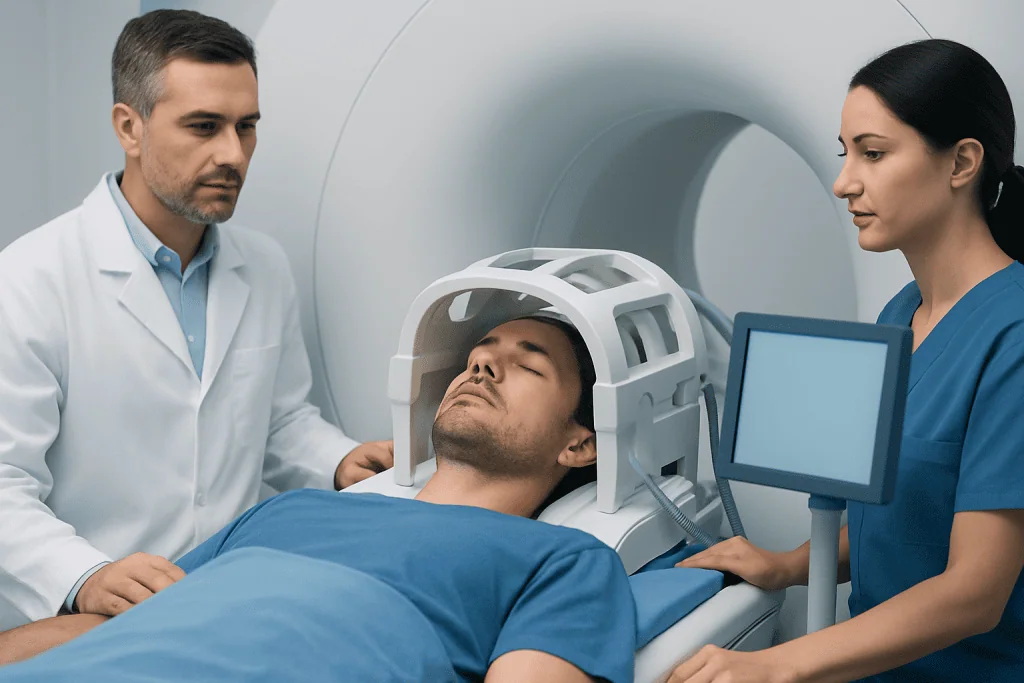
A brain tumor begins when cells acquire DNA changes that affect normal growth control. These changes may activate genes that promote cell growth or switch off genes that normally suppress abnormal cell division. Over time, a group of cells can form a mass that presses on nearby brain tissue or disrupts the way the brain works.
Some tumors arise from the brain itself, while others begin in nearby structures such as the meninges, pituitary gland, cranial nerves, or skull base tissues. For example, tumors may develop from glial cells, which support nerve cells, or from the membranes that cover the brain. This is why symptoms can differ so much depending on the tumor’s location rather than its size alone.
Doctors also distinguish between benign and malignant tumors. A benign tumor is not the same as harmless, because even a non-cancerous growth can cause problems if it affects important brain areas. If a person is learning more about brain tumors, it helps to understand that diagnosis and treatment depend on the exact tumor type, not just the word “tumor.”
Known causes and risk factors
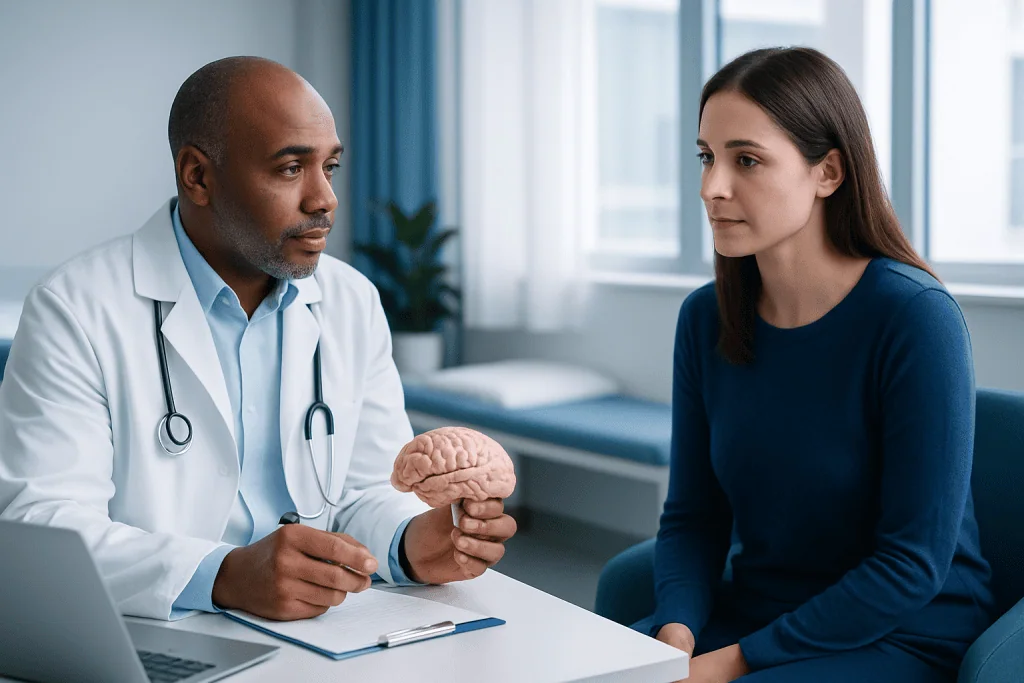
For most people, there is no clear explanation for why a brain tumor developed. Researchers know that the final pathway involves DNA changes in cells, but they often cannot identify a single event that started the process. This uncertainty is common and does not mean anything was missed by the patient or family.
One established risk factor is exposure to ionizing radiation, especially radiation therapy previously given to the head for another medical condition. The risk from everyday electronics, routine phone use, or standard household exposures has not been shown to be a clear direct cause of brain tumors in the way many people fear. Ongoing research continues, but current evidence supports ionizing radiation as the better-established environmental risk.
A small number of brain tumors are associated with inherited genetic conditions that increase tumor risk. Examples include neurofibromatosis, Li-Fraumeni syndrome, von Hippel-Lindau disease, tuberous sclerosis complex, and Turcot syndrome. Having one of these syndromes does not guarantee a brain tumor, but it may lead doctors to recommend closer monitoring if symptoms arise.
Age can influence which tumor types are more likely, and some tumor categories are more common in children while others are more often seen in adults. A personal history of another cancer can also matter, because tumors found in the brain may sometimes be metastases rather than tumors that started there. For a broader cancer-related context, some patients also explore information on brain cancer when discussing test results with their doctor.
Symptoms that may need evaluation
Symptoms of a brain tumor depend mostly on where the tumor is and how it affects nearby tissue. Possible symptoms include persistent headaches, nausea or vomiting, seizures, weakness or numbness on one side of the body, speech difficulty, balance problems, personality or behavior changes, confusion, memory problems, and changes in vision or hearing. Symptoms may begin gradually and become more noticeable over time.
Headache alone is usually not a sign of a brain tumor. Most headaches come from migraine, tension-type headache, neck strain, poor sleep, dehydration, medication overuse, or other common causes. What matters more is the overall pattern: headaches that are new, worsening, associated with vomiting, wake someone from sleep, or occur with neurological symptoms should be assessed.
Seizures are one of the more important red flags, especially a first-time seizure in an adult. Other warning signs include new weakness, a drooping face, trouble speaking, sudden major vision changes, difficulty walking, increasing confusion, or a strong change in personality or function. These symptoms do not always mean a tumor, but they should not be ignored.
- New or progressive neurological symptoms
- A first seizure or unexplained fainting episode
- Persistent morning vomiting or severe worsening headaches
- Changes in speech, strength, sensation, balance, or vision
- Behavior, memory, or personality changes noticed by others
How doctors investigate suspected brain tumors
If a doctor suspects a brain tumor, the evaluation usually starts with a careful medical history and neurological examination. The doctor will ask when symptoms began, whether they are worsening, and whether there are any seizures, vision changes, headaches, weakness, or cognitive changes. Past radiation exposure, family history, and any previous cancer history are also relevant.
The main imaging test for suspected brain tumors is usually an MRI of the brain, often with contrast if appropriate. MRI gives detailed pictures of the brain and can show the size, location, and pattern of the lesion. In some situations, a CT scan may be used first, especially in urgent settings, but MRI is commonly the more informative test for planned assessment. Patients may be referred for MRI imaging as part of this workup.
If imaging shows a tumor, doctors may order additional tests to better understand what it is and how it is affecting the brain. Depending on the case, this can include advanced imaging, blood tests, eye examination, or scans of other body areas if spread from another cancer is a concern. In many cases, the exact diagnosis is confirmed by examining tumor tissue obtained through biopsy or surgery, which helps guide brain tumor treatment.
Treatment options and what happens next
Treatment depends on several factors: the tumor type, whether it is benign or malignant, its size, its location, the person’s age and general health, and the severity of symptoms. Some tumors are managed urgently, while others can be monitored and planned carefully. The goal may be cure, control of growth, symptom relief, or a combination of these.
Common treatment options include surgery, radiation therapy, chemotherapy, targeted therapies, and supportive treatments for symptoms such as seizures or swelling around the tumor. Surgery may be recommended to remove all or part of the tumor, relieve pressure, and obtain tissue for diagnosis. When surgery is not the best first option, doctors may consider radiation therapy or systemic treatments depending on the tumor type.
Some small, slow-growing tumors may be followed with repeat scans rather than treated immediately, especially if they are causing few symptoms. In other cases, rehabilitation, seizure management, speech therapy, or physical therapy are important parts of care. Because treatment plans can be complex, patients often benefit from a multidisciplinary team that includes neurologists, neurosurgeons, neuroradiologists, radiation oncologists, and other specialists. Where surgery is appropriate, a doctor may discuss neurosurgical care in more detail.
When to seek medical care
Most people with a headache or brief spell of dizziness do not have a brain tumor. However, medical review is sensible when symptoms persist, keep returning, or are getting worse without a clear explanation. Seeing a doctor early can help identify common, treatable causes and, when needed, speed up testing for more serious conditions.
Urgent medical attention is important for a first seizure, sudden weakness or numbness, trouble speaking, severe confusion, fainting, a severe or rapidly worsening headache, or sudden major vision changes. These symptoms can be caused by several neurological emergencies, not only tumors, so prompt assessment matters. A child with repeated vomiting, new coordination problems, or developmental regression should also be seen promptly.
Near the end of the diagnostic pathway, some patients may seek care in centers with coordinated neurology, oncology, and neurosurgery services. Acibadem International’s multidisciplinary specialists and JCI-accredited hospitals diagnose and treat brain tumors for international patients when further assessment or treatment planning is needed.
Frequently asked questions
Do doctors know exactly what causes brain tumors in most people?
Usually not. Most brain tumors are linked to genetic changes in cells that develop over time, but doctors often cannot identify a single clear cause. This is common and does not mean the person did something wrong.
Can stress cause a brain tumor?
There is no good evidence that stress directly causes a brain tumor. Stress can worsen headaches, sleep, concentration, and general wellbeing, which may make symptoms feel more noticeable. Persistent or changing symptoms should still be assessed by a doctor.
Are headaches usually caused by brain tumors?
No. Most headaches are caused by common conditions such as migraine, tension-type headache, dehydration, poor sleep, sinus problems, or medication effects. A headache is more concerning when it is new, progressive, associated with vomiting, or happens with seizures, weakness, or vision changes.
Can cell phones cause brain tumors?
Current evidence has not established routine cell phone use as a clear direct cause of brain tumors. Research continues, but ionizing radiation is the better-established exposure linked to increased risk. People with symptoms should focus on medical evaluation rather than assuming a single lifestyle cause.
Are brain tumors hereditary?
Most are not inherited. However, a small number are associated with inherited syndromes such as neurofibromatosis or Li-Fraumeni syndrome. If several relatives have had related tumors or cancers, a doctor may consider genetic counseling.
How is a brain tumor confirmed?
Doctors usually begin with a neurological exam and brain imaging, most often MRI. If a tumor is seen, the exact diagnosis often requires tissue analysis from a biopsy or surgery. That information helps determine the safest and most effective treatment plan.
References
- National Cancer Institute
- American Cancer Society
- National Institute of Neurological Disorders and Stroke
- World Health Organization
- National Comprehensive Cancer Network
This article is for general information only and is not a substitute for professional medical advice. Please consult a qualified doctor about your individual situation.
Brain Tumors in Turkey — costs, top hospitals & a free quote
JCI-accredited · board-certified surgeons · reply within 24h
Add us as a Preferred Source to see more of our trusted health content across Google Search, AI Overviews and Discover.

Medical Oncology Department
Medical treatment of cancer with chemotherapy, immunotherapy and targeted therapies under a multidisciplinary tumor board.
60 specialists in this unitMore from the Health Library



Related Specialists

Assoc. Prof. Dr. Nurcan Kızılcık
Anesthesiology
Asst. Prof. Dr. Berkhan Yilmaz
Aesthetic Plastic & Reconstructive Surgery
Psk. Oğuzhan Gürdoğan
Psychology
Prof. Dr. Ozan Kocakaya
Internal Medicine