What Causes Breathing Difficulties? Common Lung and Airway Reasons

Breathing difficulties may be caused by asthma, infections, allergies, COPD, or irritation in the airways. Symptoms such as wheezing, chest tightness, cough, or rapid breathing can help point to the cause.
Key Takeaways
- Breathing difficulties may be caused by asthma, infections, allergies, COPD, or irritation in the airways.
- Symptoms such as wheezing, chest tightness, cough, or rapid breathing can help point to the cause.
- Diagnosis may involve a physical exam, oxygen measurement, breathing tests, and imaging when needed.
- Treatment depends on the cause and may include inhalers, medications, oxygen support, or treatment of an infection.
- Urgent medical care is needed for severe shortness of breath, bluish lips, chest pain, or confusion.
Breathing difficulties are a common symptom with many possible causes, ranging from temporary airway irritation to long-term lung conditions. Understanding the common lung and airway reasons can help people recognize when symptoms may improve with self-care and when medical evaluation is important.
Overview of Breathing Difficulties
Breathing difficulties describe a feeling that breathing is harder, faster, shallower, or less comfortable than usual. Some people describe it as shortness of breath, air hunger, chest tightness, or a sense that they cannot get enough air. This symptom can come on suddenly or develop slowly over time, and it may happen during rest, exercise, sleep, or exposure to irritants.
The lungs and airways work together to bring oxygen into the body and remove carbon dioxide. When the airways become narrowed, inflamed, blocked, or irritated, breathing can feel more difficult. Problems in the lungs themselves, such as infection or chronic lung disease, can also affect how efficiently oxygen moves into the bloodstream.
Not all breathing difficulties come from the lungs, but lung and airway causes are among the most common. These include asthma, bronchitis, pneumonia, chronic obstructive pulmonary disease (COPD), allergic reactions, and upper airway conditions. A careful assessment helps identify the cause and guides the right treatment.
Common Symptoms That May Occur With Breathing Problems

Breathing difficulties can feel different from person to person. Some notice mild breathlessness when climbing stairs, while others may feel sudden tightness in the chest or noisy breathing. The pattern, timing, and accompanying symptoms often give useful clues about what is happening in the airways or lungs.
Common symptoms that may occur along with breathing difficulties include:
- Shortness of breath during activity or at rest
- Wheezing or whistling sounds when breathing
- Cough, with or without mucus
- Chest tightness or heaviness
- Rapid breathing
- Difficulty taking a deep breath
- Sore throat, nasal congestion, or hoarseness
- Fever, chills, or fatigue if infection is present
Symptoms that worsen at night, with exercise, during cold weather, or after contact with smoke, pollen, or pets may suggest airway sensitivity such as asthma. A productive cough and fever may point more toward a chest infection, while long-term breathlessness in a smoker or former smoker can raise concern for COPD.
The severity of symptoms matters. Mild temporary breathlessness may improve once the trigger is removed, but severe breathlessness, inability to speak full sentences, bluish lips, or confusion should be treated as a medical emergency.
Common Lung and Airway Causes
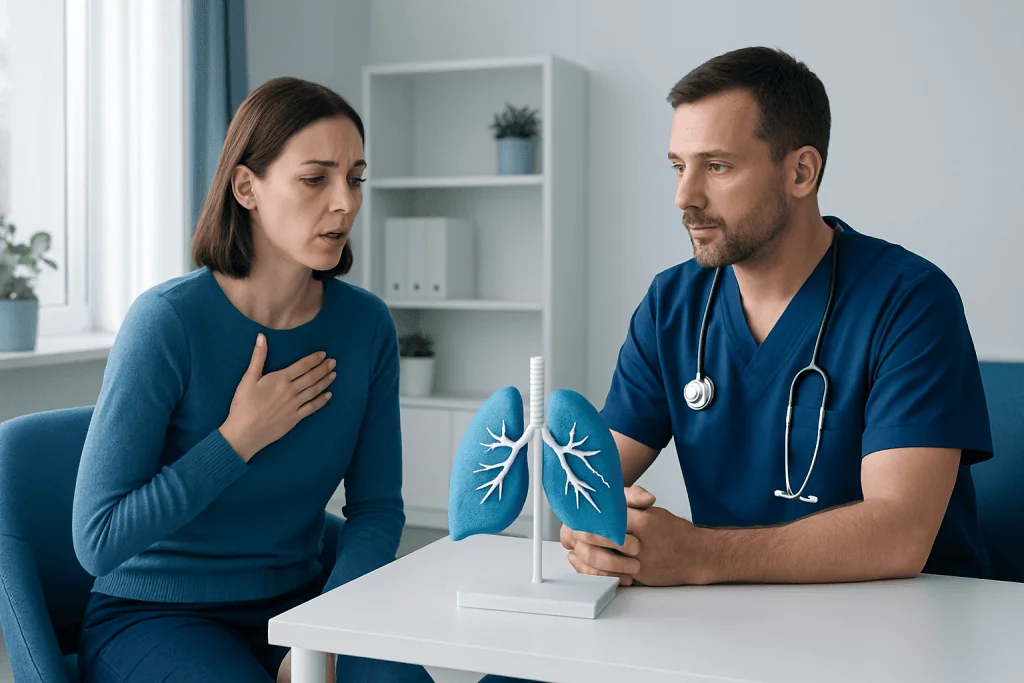
One of the most common causes of breathing difficulties is asthma. In asthma, the airways become inflamed and overly sensitive, narrowing in response to triggers such as dust, pollen, exercise, cold air, infections, or smoke. This can lead to wheezing, coughing, and chest tightness that may come and go.
Respiratory infections are another frequent cause. Viral infections such as colds and flu can irritate the airways and increase mucus production, while bacterial infections such as pneumonia can affect the lung tissue more deeply. Acute bronchitis may cause cough and shortness of breath for days or weeks, especially after an upper respiratory infection.
Chronic obstructive pulmonary disease, including emphysema and chronic bronchitis, usually develops over time and is often linked to smoking or long-term exposure to air pollutants. People may notice a chronic cough, mucus, reduced exercise tolerance, and gradually worsening breathlessness. Allergies can also trigger airway swelling or worsen existing asthma, especially in people with seasonal or indoor allergen exposure.
Other lung and airway reasons include inhalation of smoke or chemicals, upper airway obstruction, vocal cord dysfunction, and conditions such as pneumonia. In some cases, breathing problems are caused by a combination of factors, such as an infection occurring in someone who already has asthma or COPD.
Risk Factors and Triggers
Several factors increase the likelihood of developing breathing difficulties related to the lungs and airways. Smoking remains one of the strongest risk factors for chronic airway disease. Secondhand smoke, occupational dust, chemical fumes, air pollution, and poorly ventilated environments can also irritate the lungs and worsen symptoms over time.
Allergies, a family history of asthma, and previous respiratory illnesses may make the airways more reactive. Young children, older adults, and people with weakened immune systems can be more vulnerable to breathing problems during infections. Seasonal changes and cold weather may also trigger symptoms in susceptible individuals.
Common triggers include:
- Tobacco smoke and vaping products
- Dust, mold, pollen, and pet dander
- Cold air or sudden weather changes
- Exercise, especially in dry or cold conditions
- Respiratory viruses
- Strong odors, perfumes, or cleaning chemicals
- Workplace exposures such as fumes or fine particles
Identifying patterns can be helpful. For example, symptoms that repeatedly appear after exercise or at certain times of year may suggest reactive airways, while symptoms that slowly worsen over months may need evaluation for chronic lung disease.
How Doctors Diagnose the Cause
Diagnosis begins with a detailed medical history and physical examination. A doctor will ask when the breathing difficulties started, whether they are sudden or ongoing, what makes them worse or better, and whether symptoms such as cough, fever, wheezing, or chest pain are present. Past smoking history, allergies, workplace exposures, and previous lung conditions are also important.
Simple tests may help assess how well the lungs are working. Oxygen levels can be measured with pulse oximetry, and lung function can be checked with spirometry or other breathing tests. These tests can help identify airway narrowing and are commonly used when asthma or COPD is suspected. In some cases, a chest X-ray or CT scan may be recommended to look for infection, inflammation, or other structural problems.
Blood tests, sputum tests, allergy evaluation, and infection testing may also be used depending on the situation. If upper airway or voice-related causes are suspected, examination by an ear, nose, and throat specialist may be helpful. Some people may need specialist assessment in a respiratory clinic and structured pulmonary rehabilitation support if breathing problems are linked to a chronic lung condition.
Treatment Options for Breathing Difficulties
Treatment depends on the underlying cause. When asthma is responsible, doctors often recommend a personalized asthma management plan and may prescribe asthma treatment such as inhaled medications to open and calm the airways. Learning correct inhaler technique and avoiding known triggers are important parts of care.
If infection is the cause, treatment may include rest, fluids, fever control, and medications based on whether the infection is likely viral or bacterial. More serious infections may require hospital-based care, especially if oxygen levels are low or breathing is labored. People with COPD treatment needs may benefit from inhaled therapies, breathing exercises, vaccinations, and support to stop smoking.
Additional care can include oxygen therapy when necessary, airway clearance techniques, allergy management, and treatment for inflammation or bronchospasm. In selected cases, doctors may recommend bronchoscopy to help evaluate the airways or investigate blockages, inflammation, or other abnormalities.
For international patients, Acibadem International’s multidisciplinary specialists and JCI-accredited hospitals evaluate and treat respiratory conditions using coordinated care plans tailored to the individual diagnosis.
Prevention and Self-Care
Many breathing difficulties can be reduced by protecting the lungs and recognizing personal triggers. Avoiding smoking and secondhand smoke is one of the most important steps. People with chronic respiratory conditions often benefit from keeping indoor air as clean as possible, reducing dust and mold exposure, and following treatment plans consistently.
General self-care measures include staying well hydrated, resting during respiratory infections, and using medications exactly as prescribed. Vaccinations, including those recommended by a doctor for influenza and other respiratory infections, can help lower the risk of illnesses that may worsen breathing problems. Regular physical activity within a person’s comfort and medical advice can support lung function and overall fitness.
People with known asthma or COPD should keep rescue and maintenance medicines available as advised and know how to respond if symptoms worsen. It can also help to monitor symptoms over time, note what triggers episodes, and seek review if current treatment no longer seems effective.
When to See a Doctor
Medical advice is important whenever breathing difficulties are new, persistent, or getting worse. A doctor should assess symptoms that interfere with sleep, walking, exercise, or daily routines, especially if they are associated with wheezing, a lingering cough, chest tightness, or recurrent respiratory infections.
Urgent medical care is needed for severe shortness of breath, lips or fingertips turning blue, chest pain, fainting, confusion, or difficulty speaking because of breathlessness. Sudden breathing difficulty after allergen exposure, choking, or inhaling smoke or chemicals also needs immediate evaluation.
Early assessment can help identify treatable causes before symptoms become more disruptive. Even when the cause is not serious, professional guidance can provide reassurance and a clear plan for monitoring, treatment, and prevention.
Frequently asked questions
What are the most common lung-related causes of breathing difficulties?
Common lung-related causes include asthma, bronchitis, pneumonia, allergies affecting the airways, and chronic obstructive pulmonary disease. Airway irritation from smoke, pollution, or chemicals can also make breathing feel difficult.
Can anxiety cause breathing difficulties too?
Yes, anxiety can cause a sensation of shortness of breath or rapid breathing. However, because breathing difficulties can also have lung or airway causes, new or concerning symptoms should still be assessed by a doctor.
How can someone tell if breathing difficulty may be asthma?
Asthma often causes episodes of wheezing, chest tightness, cough, and shortness of breath that vary over time. Symptoms may be triggered by exercise, allergens, cold air, respiratory infections, or smoke.
When is shortness of breath an emergency?
Shortness of breath needs urgent medical attention if it is severe, starts suddenly, or comes with chest pain, bluish lips, confusion, fainting, or inability to speak normally. These signs may indicate a serious breathing or circulation problem.
What tests are used to find the cause of breathing difficulties?
Doctors may use a physical exam, pulse oximetry, spirometry, chest imaging, and sometimes blood or infection tests. The exact tests depend on whether the symptoms suggest asthma, infection, chronic lung disease, or another cause.
Can breathing difficulties improve with self-care?
Mild symptoms caused by temporary irritation or a simple viral illness may improve with rest, hydration, and avoiding triggers. Persistent, recurrent, or worsening symptoms should not be managed with self-care alone and need medical review.
References
- World Health Organization
- American Lung Association
- Global Initiative for Asthma
- Global Initiative for Chronic Obstructive Lung Disease
- National Heart, Lung, and Blood Institute
This article is for general information only and is not a substitute for professional medical advice. Please consult a qualified doctor about your individual situation.
Explore treatments in Turkey — costs, top hospitals & a free quote
JCI-accredited · board-certified surgeons · reply within 24h
Add us as a Preferred Source to see more of our trusted health content across Google Search, AI Overviews and Discover.