What Do Kidney Stones Look Like and When Should You Save One?
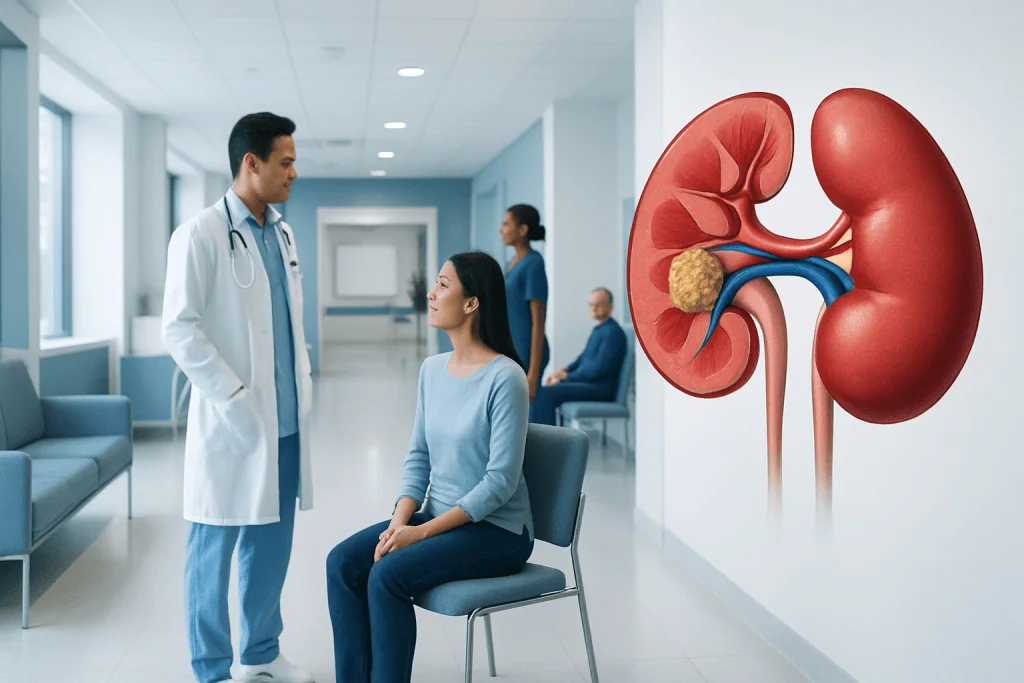
Kidney stones may look like grains of sand, tiny pebbles, or irregular sharp fragments. Their color can range from yellow or brown to tan, orange, or even nearly white.
Key Takeaways
- Kidney stones may look like grains of sand, tiny pebbles, or irregular sharp fragments.
- Their color can range from yellow or brown to tan, orange, or even nearly white.
- Saving a passed stone is often useful because stone analysis can guide treatment and prevention.
- Urgent medical attention is needed for severe pain with fever, vomiting, or trouble passing urine.
- Hydration, dietary changes, and treating underlying risk factors can help reduce recurrence.
Kidney stones can vary in size, color, and shape, from sand-like grains to small pebbles or sharp fragments. When a stone passes, saving it can be helpful because laboratory analysis may show what it is made of and support the best plan to prevent future stones.
Overview: What kidney stones look like
Kidney stones are hard deposits that form when certain minerals and salts in the urine become concentrated and crystallize. They may begin very small and grow over time inside the kidney. Some stay in the kidney without causing symptoms, while others move into the ureter, the tube that carries urine from the kidney to the bladder.
What a kidney stone looks like depends on its size and composition. A very small stone may resemble a grain of sand or coarse salt. Larger stones may look like tiny pebbles. Some are smooth and rounded, while others are rough, jagged, or irregular. Their surface can appear crystalline, chalky, or slightly waxy.
Color also varies. Stones may be yellow, tan, brown, orange, gray, or off-white. A stone that has passed in urine may be stained by blood, making it look darker or reddish-brown. Appearance alone cannot reliably identify the stone type, so a laboratory analysis is usually needed if one is collected.
Common symptoms and what passing a stone feels like

Many people first learn they have kidney stones because of sudden pain. The classic symptom is intense pain in the side or back, often below the ribs, that may move toward the lower abdomen or groin as the stone travels. The pain may come in waves and change in intensity.
Other common symptoms include pain or burning during urination, needing to urinate more often, nausea, vomiting, cloudy urine, or urine that looks pink, red, or brown from blood. Some people notice tiny particles or gritty material in the urine, especially when a small stone is passing.
Not all stones cause dramatic symptoms. Very small stones may pass with mild discomfort or no clear signs at all. Larger stones or stones that block urine flow can cause more severe symptoms and may require prompt evaluation. In some cases, a stone is found during imaging done for another reason, such as an ultrasound or CT scan used in kidney-related evaluations.
Why stones form: causes and risk factors
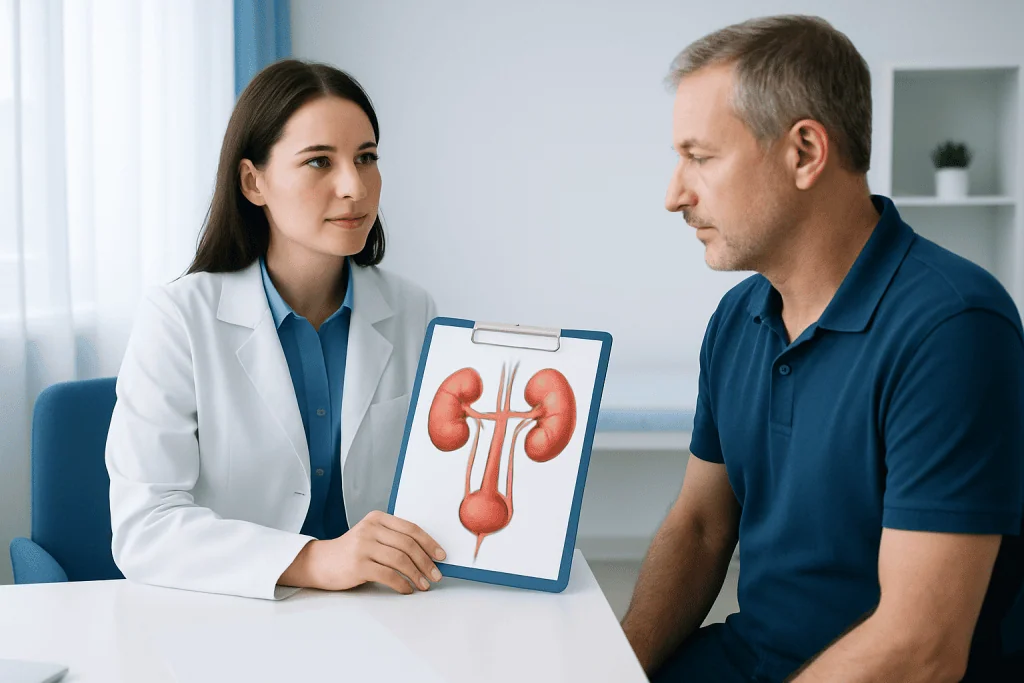
Kidney stones form when the balance of water, minerals, and other substances in urine changes. If urine becomes too concentrated, crystals can form and stick together. Several stone types exist, including calcium oxalate, calcium phosphate, uric acid, struvite, and cystine stones. Each has different triggers and prevention strategies.
Common risk factors include not drinking enough fluids, living in a hot climate, losing fluid through heavy sweating, and having a diet high in salt or certain stone-forming compounds. A personal or family history of stones also increases the chance of developing them again.
Some medical conditions can raise risk, such as recurrent urinary tract infections, gout, digestive disorders that affect absorption, obesity, and certain inherited conditions. Some people develop stones after metabolic changes or due to medications and supplements. Stone risk can also be affected by urinary obstruction or other urologic conditions that change normal urine flow.
- Calcium oxalate stones are the most common type.
- Uric acid stones are more likely when urine is persistently acidic.
- Struvite stones are often linked with urinary infections.
- Cystine stones are uncommon and related to a hereditary disorder.
When should a person save a passed kidney stone?
In general, it is helpful to save a stone if one is passed. This is especially important after a first stone episode, recurrent stones, a stone treated in hospital, or a stone passed after a procedure. Stone analysis can identify what it is made of, which helps guide prevention. For example, advice for calcium oxalate stones may differ from advice for uric acid or cystine stones.
A stone can be collected by urinating through a fine strainer provided by a clinic or pharmacy. Once found, the stone should be allowed to dry and placed in a clean container. It can then be brought to the doctor or laboratory as instructed. It is best not to store it in tissue or cotton, where it can be lost or contaminated.
Saving a stone may be less practical if it is extremely tiny or if a person does not realize it has passed. Even then, doctors can often use urine tests, blood tests, and imaging to estimate the likely stone type. Still, a retrieved stone offers the most direct information and can be very valuable for long-term prevention.
How doctors diagnose kidney stones
Diagnosis usually begins with symptoms, a medical history, and a physical examination. A doctor may ask about the pattern of pain, prior stone episodes, fluid intake, family history, diet, and any medications or supplements. Urine tests can show blood, signs of infection, or crystals that may suggest a particular stone type.
Imaging is often used to confirm the diagnosis and determine the stone’s size and location. A non-contrast CT scan is commonly used because it can detect most stones clearly. Ultrasound may be preferred in some situations, including pregnancy or follow-up. X-rays can sometimes help, though not all stones are visible on standard X-ray images.
Additional evaluation may include blood tests to check kidney function and levels of minerals or uric acid. If stones recur, a doctor may recommend a 24-hour urine collection to look for factors that promote stone formation. This more detailed workup helps tailor prevention and identify whether specialist care, such as urology evaluation and treatment, is needed.
Treatment options and what happens if a stone does not pass
Treatment depends mainly on the stone’s size, location, symptoms, and whether it is causing blockage or infection. Many small stones pass on their own with time, fluids, pain control, and close follow-up. A doctor may also recommend medicines that help relax the ureter in selected cases.
If a stone is too large to pass, causes severe ongoing pain, damages kidney function, or is associated with infection, a procedure may be needed. Common options include shock wave therapy to break the stone, ureteroscopy to remove or fragment it, or in more complex cases, procedures performed through a small tract into the kidney. These approaches are chosen based on the stone’s size and position and may be part of broader kidney stone treatment.
When urinary blockage is severe or infection is present, urgent drainage may be necessary before definitive stone treatment. In rare situations, stones may contribute to repeated infections or affect kidney health over time. If a stone problem is part of a broader structural issue or advanced kidney disease, coordinated care involving imaging, laboratory testing, and sometimes kidney care services may be appropriate.
Prevention and self-care after a stone episode
Preventing another stone starts with understanding why the first one formed. Drinking enough fluid is one of the most effective general steps because it dilutes the urine. The exact amount varies by person, climate, and activity level, so a doctor may give individualized guidance. Urine that stays pale in color often suggests better hydration, though color alone is not a full measure.
Dietary changes depend on the stone type and a person’s overall health. For some people, reducing salt intake is especially important. Others may need to moderate foods high in oxalate, avoid excess animal protein, or address high uric acid levels. Calcium in food is usually still important, and people should avoid making major restrictions without medical advice because improper changes can sometimes increase stone risk.
Doctors may also recommend medicines if stones keep returning or if testing shows a specific metabolic cause. Follow-up can include repeat imaging, urine testing, and discussion of habits that support kidney health. Near the end of the care pathway, some international patients choose centers such as Acibadem International, where multidisciplinary specialists in JCI-accredited hospitals diagnose and treat kidney stone disease with individualized plans.
When to see a doctor urgently
A person should seek urgent medical care for severe pain that does not improve, pain with fever or chills, repeated vomiting, inability to pass urine, or signs of dehydration. These symptoms can suggest a blocked urinary tract, infection, or another problem that needs quick treatment.
Medical evaluation is also important if blood in the urine is new or persistent, if there is pain in only one kidney in someone with a single functioning kidney, or if symptoms occur during pregnancy. Older adults and people with chronic kidney disease may need faster assessment because complications can develop more easily.
Even when symptoms settle, follow-up is worthwhile after a suspected stone episode. Confirming the diagnosis, checking kidney function, and discussing prevention can reduce the chance of recurrence. If a stone has been saved, bringing it to the appointment can make the evaluation more precise and more useful for future care.
Frequently asked questions
Do all kidney stones look the same?
No. Kidney stones can differ in size, color, shape, and texture. Some look like grains of sand, while others resemble small pebbles or rough, jagged fragments.
Should a person always save a kidney stone if it passes?
If possible, yes. Saving a passed stone can help a doctor arrange laboratory analysis to learn what it is made of. That information can be very useful for choosing the best prevention plan.
How can a passed kidney stone be collected safely?
A person can urinate through a fine mesh strainer or a stone-catching filter provided by a clinic or pharmacy. The stone should be allowed to dry and then placed in a clean container to bring to the doctor.
Can appearance alone tell what type of stone it is?
Usually not. Although some stones have typical features, many look similar after passing in urine. A laboratory stone analysis is the most reliable way to identify composition.
What size kidney stone usually passes on its own?
Smaller stones are more likely to pass without a procedure, but the outcome depends on both size and location. A doctor can use imaging to estimate whether a stone is likely to pass and how long that may take.
When is a kidney stone an emergency?
A kidney stone needs urgent assessment if there is fever, chills, severe uncontrolled pain, vomiting, inability to urinate, or signs of dehydration. These symptoms can point to infection or blockage and should not be ignored.
References
- National Institute of Diabetes and Digestive and Kidney Diseases
- American Urological Association
- European Association of Urology
- Mayo Clinic
- National Kidney Foundation
This article is for general information only and is not a substitute for professional medical advice. Please consult a qualified doctor about your individual situation.
Explore treatments in Turkey — costs, top hospitals & a free quote
JCI-accredited · board-certified surgeons · reply within 24h
Add us as a Preferred Source to see more of our trusted health content across Google Search, AI Overviews and Discover.