

What Does a Hernia Look Like? Here Is What the Evidence Says

A hernia often appears as a visible or palpable bulge in the groin, belly button, or abdominal wall. The bulge may come and go, especially early on, and can become more noticeable with coughing or lifting.
Key Takeaways
- A hernia often appears as a visible or palpable bulge in the groin, belly button, or abdominal wall.
- The bulge may come and go, especially early on, and can become more noticeable with coughing or lifting.
- Pain is not always present; some hernias cause pressure, heaviness, or mild discomfort rather than sharp pain.
- Red flags include severe pain, a bulge that cannot be pushed back in, vomiting, fever, or skin color changes over the lump.
- Doctors usually diagnose a hernia with a physical exam and sometimes ultrasound or CT imaging.
What does a hernia look like? In many people, it looks like a soft or firm bulge under the skin that becomes more visible when standing, coughing, or straining and may seem smaller when lying down. Hernias are often not dangerous at first, but a painful, hard, discolored, or suddenly enlarging bulge needs prompt medical review.
Overview: what a hernia usually looks and feels like
For many people, a hernia looks like a small bulge or swelling under the skin. It is often most noticeable when standing upright, coughing, laughing, straining during a bowel movement, or lifting something heavy. In the early stages, the bulge may disappear when the person lies down or gently presses on the area.
The appearance depends on where the hernia is located. A groin hernia may show as a lump near the crease of the thigh or scrotum. An umbilical hernia may appear as a swelling at or around the belly button. An incisional hernia can appear near a previous surgical scar on the abdomen.
Not every hernia is obvious from the outside. Some are felt more than seen, causing a sense of pressure, pulling, heaviness, or weakness in the abdominal wall. Others are only found during a medical exam or imaging test. Although many hernias start out harmless and manageable, a change in pain, size, firmness, or skin color should be taken seriously.
How the appearance can vary by hernia type
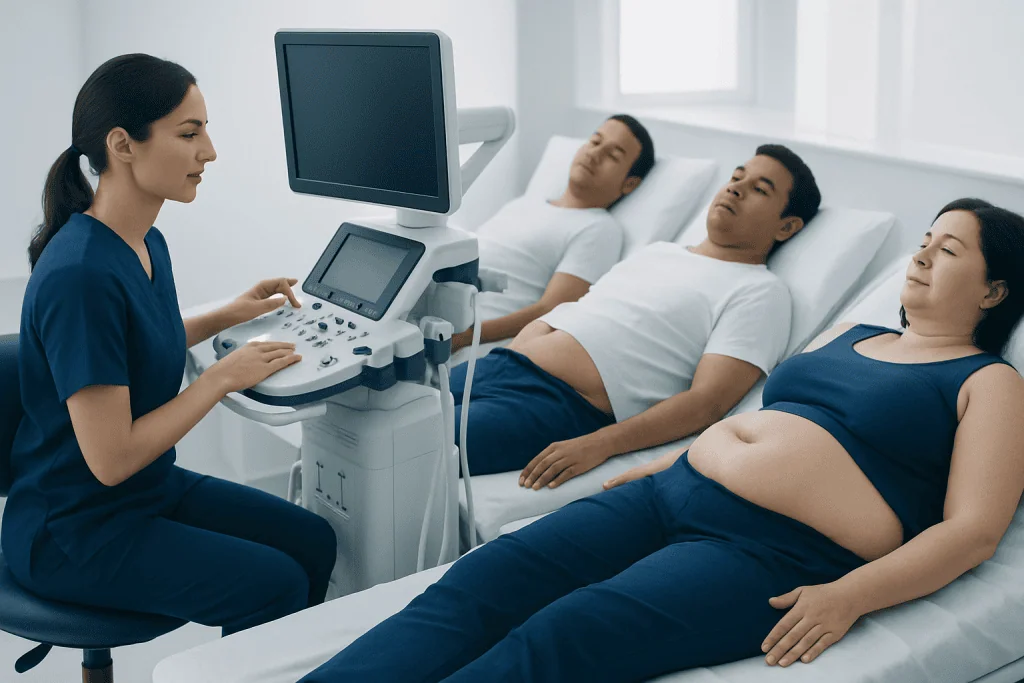
Different hernias can look slightly different because they occur in different parts of the body. The most common type is an inguinal hernia, which develops in the groin. It often looks like a small or medium-sized bulge on one side of the groin and may extend into the scrotum in men. This area can look fuller at the end of the day or after physical activity.
A femoral hernia also affects the groin but sits lower, closer to the upper thigh. It may be less obvious on casual inspection. An umbilical hernia tends to form a rounded bulge at the belly button, while an epigastric hernia may create a small bump between the breastbone and the navel. Incisional hernias can appear at the site of a previous operation, especially when the person coughs or strains.
Hiatal hernias are different because they occur inside the body, where part of the stomach moves upward through the diaphragm. They do not usually cause an external lump. Instead, they may be linked with symptoms such as heartburn, regurgitation, or chest discomfort. People who want to understand related digestive symptoms may also read about hiatal hernia.
Because different types can overlap in symptoms, it is not always possible to identify the exact kind by appearance alone. A medical assessment helps confirm the location and whether treatment is needed.
What symptoms can happen along with the bulge

A visible lump is the sign people notice most, but hernias can cause other symptoms too. Some people feel pressure, dragging, or heaviness in the groin or abdomen. Others describe a dull ache that worsens with standing for a long time, exercise, coughing, or lifting. In many cases, the discomfort improves with rest.
The bulge itself may be soft and movable at first. It may become more obvious after meals, at the end of the day, or during activities that increase pressure inside the abdomen. Some people can gently push the lump back in, especially when lying flat. This does not confirm that the hernia is harmless, but it is common in reducible hernias.
Symptoms can be milder or more noticeable depending on the person and the size of the defect in the abdominal wall. In children, an umbilical hernia may stand out when crying. In adults, symptoms may be subtle, especially in the beginning. A doctor may compare the symptoms with those of other conditions that can cause swelling or discomfort in the groin or abdomen, including inguinal hernia and other abdominal wall problems.
Common causes and risk factors
A hernia develops when tissue, such as fat or part of the intestine, pushes through a weak area in muscle or connective tissue. Some people are born with a natural weakness in the abdominal wall. In others, the weakness develops over time due to aging, surgery, repeated strain, or injury.
Factors that raise the chance of a hernia include heavy lifting, chronic coughing, constipation with straining, pregnancy, obesity, and fluid buildup in the abdomen. Previous abdominal surgery increases the risk of an incisional hernia. Smoking may also contribute because it can weaken tissue healing and cause chronic cough.
Hernias can happen in people who are otherwise healthy, and having one does not necessarily mean a person has done something wrong. Still, knowing the risk factors can help explain why a bulge appears and support a plan for prevention or treatment.
How doctors confirm whether it is a hernia
Diagnosis usually starts with a medical history and physical examination. The doctor asks when the lump appears, whether it changes with coughing or activity, and whether there is pain, nausea, or bowel symptoms. During the exam, the person may be asked to stand, cough, or strain gently so the area becomes easier to assess.
Many hernias can be diagnosed in the clinic without complicated testing. The doctor checks the size, location, tenderness, and whether the bulge is reducible. They also look for signs that another condition could be causing the swelling, such as an enlarged lymph node, a lipoma, fluid collection, or a muscle injury.
If the diagnosis is uncertain or if internal complications are suspected, imaging may be useful. Ultrasound is often used for groin or abdominal wall hernias. CT or MRI may be ordered when the anatomy is less clear, symptoms are out of proportion to the exam, or surgery is being planned. If repair is needed, options may include hernia repair surgery after specialist assessment.
When to seek medical care
Medical care is recommended if a new lump appears in the groin, belly button, or abdomen and does not go away, keeps returning, or causes discomfort. Even when symptoms are mild, evaluation helps confirm whether it is truly a hernia and whether watchful waiting or repair is the better option.
Urgent medical review is important if the bulge becomes very painful, hard, stuck, or suddenly larger, or if the skin over it turns red, purple, or dark. Nausea, vomiting, fever, bloating, or inability to pass gas or stool can suggest that the hernia is trapped or affecting the intestine. These symptoms need prompt attention.
People who are uncertain whether the swelling is a hernia should not try to diagnose it alone, especially if the symptoms are changing. A timely evaluation can prevent complications and provide reassurance when the cause is less serious than expected.
Treatment, self-care, and prevention
Treatment depends on the type of hernia, the symptoms, and the risk of complications. Some small, minimally symptomatic hernias can be monitored with regular medical follow-up. Others are more likely to need repair, especially if they cause pain, restrict daily activities, or are increasing in size.
When surgery is recommended, the goal is to return the tissue to its proper place and strengthen the weak area. Depending on the case, this may be done through open or minimally invasive techniques such as laparoscopic surgery. The right approach depends on the hernia location, previous operations, general health, and surgeon expertise.
Self-care focuses on reducing strain while waiting for review or after treatment. Helpful steps may include avoiding heavy lifting, treating constipation, managing a chronic cough, maintaining a healthy weight, and stopping smoking. Support garments are sometimes discussed, but they do not fix the underlying defect and should not replace medical advice.
For international patients who need assessment or treatment, Acibadem International’s multidisciplinary specialists in JCI-accredited hospitals evaluate hernias and related abdominal wall conditions with individualized care planning.
Frequently asked questions
Can a hernia look like a swollen muscle or a lump of fat?
Yes. A hernia can resemble a pulled muscle, a swollen area, or a soft fatty lump, especially early on. That is one reason a physical examination is important if a new bulge appears or keeps returning.
Does a hernia always hurt?
No. Some hernias cause no pain at all and are noticed only as a bulge. Others cause pressure, heaviness, or mild aching rather than severe pain.
Can a hernia come and go?
Yes. Many early hernias are more visible when standing, coughing, or straining and may flatten when lying down. Even if the bulge disappears at times, it should still be assessed if it keeps recurring.
What color is a hernia lump usually?
Most uncomplicated hernias do not change the skin color and look like normal skin over a swelling. Red, purple, or dark discoloration over the lump is not typical and needs urgent medical attention.
How can someone tell if a hernia is serious?
Warning signs include sudden or severe pain, a hard bulge, a lump that cannot be pushed back in, nausea, vomiting, fever, or abdominal bloating. These symptoms can suggest a trapped or strangulated hernia and require prompt care.
Can someone have a hernia without seeing a bulge?
Yes. Some hernias are small, deep, or internal and may not create a clear visible lump. In these cases, symptoms and a doctor’s examination, sometimes supported by imaging, help make the diagnosis.
References
- National Institute of Diabetes and Digestive and Kidney Diseases
- American College of Surgeons
- National Health Service
- Mayo Clinic
- Society of American Gastrointestinal and Endoscopic Surgeons
This article is for general information only and is not a substitute for professional medical advice. Please consult a qualified doctor about your individual situation.
Persistent digestive symptoms? Get evaluated in Turkey
JCI-accredited · board-certified surgeons · reply within 24h
Add us as a Preferred Source to see more of our trusted health content across Google Search, AI Overviews and Discover.

More from the Health Library



Related Specialists

Prof. Dr. Murat Kemal Atahan
General Surgery
Asst. Prof. Dr. Zeynep Tuğçe Sarıkaya
Intensive Care
Dr. Cihan Deniz Keleş
Gynecology & Obstetrics
Dr. Sinem Keskin Kayalar
Anesthesiology