What Does a Pediatric Nurse Do?

A pediatric nurse cares for infants, children, and teenagers with age-appropriate medical and emotional support. Their work includes monitoring symptoms, giving medicines, assisting with tests and treatments, and educating families.
Key Takeaways
- A pediatric nurse cares for infants, children, and teenagers with age-appropriate medical and emotional support.
- Their work includes monitoring symptoms, giving medicines, assisting with tests and treatments, and educating families.
- Pediatric nurses work closely with pediatricians and other specialists as part of a team.
- Communication with both children and caregivers is a central part of pediatric nursing.
- Training includes nursing education, licensure, and often additional experience or certification in child health.
A pediatric nurse is a registered nurse who cares for babies, children, and adolescents in clinics, hospitals, schools, and community settings. Their role combines clinical care, child development knowledge, and family support to help young patients stay healthy and recover safely.
Overview
A pediatric nurse is a registered nurse who specializes in caring for children from birth through adolescence. This role is different from general nursing because children have unique physical, emotional, and developmental needs. Pediatric nurses understand how illnesses, treatments, and communication strategies should be adapted for each age group.
These nurses may work in hospitals, outpatient clinics, neonatal and pediatric intensive care units, emergency departments, schools, community programs, and primary care offices. Some care for children with short-term illnesses, while others help manage long-term conditions such as asthma, diabetes, epilepsy, or congenital disorders.
Pediatric nursing is also family-centered. A child’s parents or caregivers are an essential part of care, so pediatric nurses often explain symptoms, treatments, medicines, nutrition, and follow-up steps in clear, practical language. Their goal is not only to treat illness, but also to help children feel safe and supported during medical care.
What a Pediatric Nurse Does Day to Day
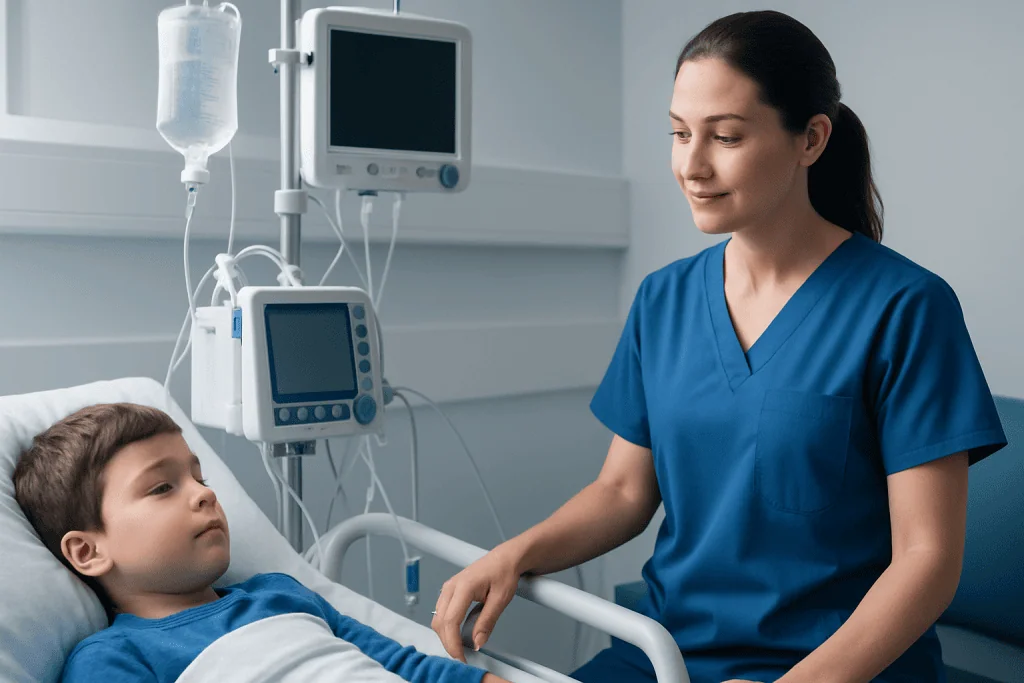
The daily work of a pediatric nurse depends on the setting, but it usually includes direct patient care, monitoring, documentation, and education. They check vital signs, assess symptoms, observe changes in a child’s condition, and report concerns to the medical team. They may also prepare children for tests or procedures and help reduce fear in unfamiliar healthcare environments.
Pediatric nurses give medications, start or monitor intravenous fluids when needed, collect samples, dress wounds, and assist with treatments ordered by a doctor. They also track growth, hydration, feeding, sleep, pain, and overall development. Because children may not always be able to describe what they feel, observation skills are especially important.
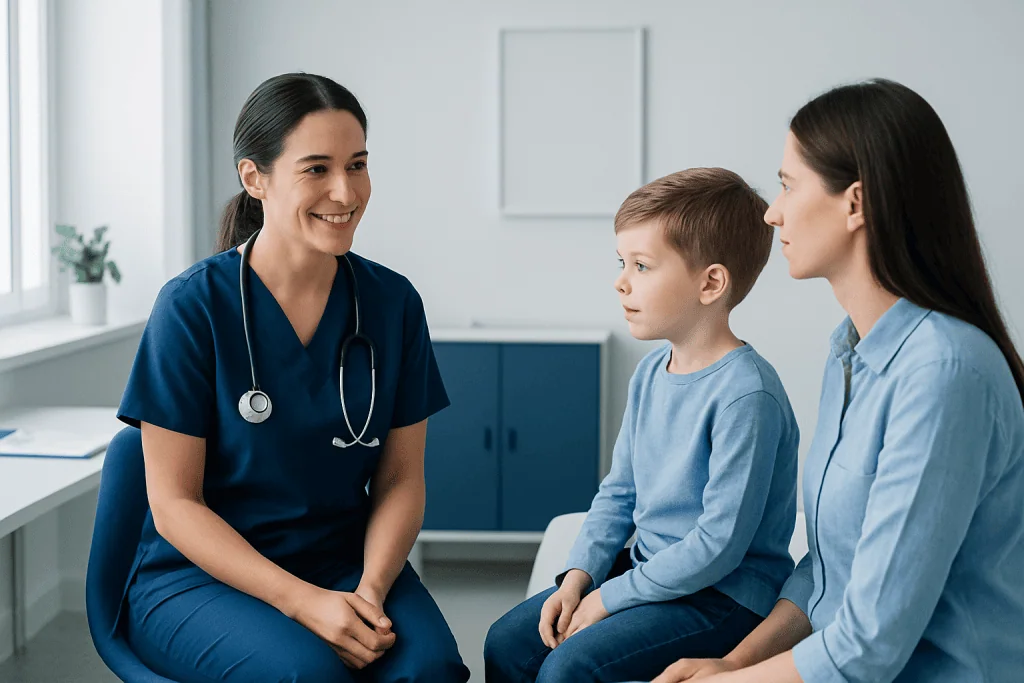
Communication is a major part of the job. Nurses explain medical information in ways children and families can understand, answer questions, and teach caregivers how to continue care at home. This may include guidance on fever management, inhaler use, nutrition, skin care, or warning signs that need urgent medical attention.
- Assessing symptoms and checking vital signs
- Administering medicines and treatments
- Supporting tests, procedures, and recovery
- Teaching parents and caregivers home care steps
- Providing comfort, reassurance, and emotional support
Where Pediatric Nurses Work
Pediatric nurses work in many healthcare settings, and their responsibilities can differ from one place to another. In a children’s hospital, they may care for children recovering from surgery, serious infections, injuries, or complex medical conditions. In a primary care clinic, they often focus on routine checkups, vaccinations, developmental screening, and common childhood illnesses.
Some pediatric nurses work in specialty areas. Examples include neonatal care for newborns, oncology care for children with cancer, intensive care for critically ill patients, and emergency care for sudden illness or trauma. Others support children with chronic conditions that need ongoing follow-up, such as asthma or type 1 diabetes.
Outside hospitals and clinics, pediatric nurses may work in schools, rehabilitation centers, community health services, or home-care programs. In these roles, they may help children manage health needs during daily life, support safe participation in school, and coordinate care between families, teachers, and doctors.
Skills and Qualities That Matter in Pediatric Nursing
Pediatric nursing requires a balance of technical knowledge and personal skills. Nurses need strong clinical judgment to recognize when a child’s condition is stable and when it is changing quickly. Because infants and young children may show illness differently than adults, pediatric nurses are trained to notice subtle signs such as changes in feeding, breathing, energy, or behavior.
Patience, empathy, and communication are equally important. A frightened toddler, a school-age child with pain, and a teenager with privacy concerns each need a different approach. Pediatric nurses often use play, distraction, simple explanations, and calm body language to build trust and make care less stressful.
They also need teamwork and organization. Pediatric care often involves pediatricians, surgeons, dietitians, respiratory therapists, psychologists, and other professionals. A pediatric nurse helps coordinate this care, keeps accurate records, and makes sure families understand the plan. In settings where children need specialized procedures, the nurse may support services such as pediatric surgery or neonatal intensive care as part of the wider treatment pathway.
Education, Training, and Career Path
To become a pediatric nurse, a person first completes nursing education and qualifies as a registered nurse according to the rules of their country or region. After licensure, many nurses gain experience in general nursing before moving into pediatric care. Others begin their careers in children’s hospitals or pediatric clinics with structured orientation and supervision.
Additional training in child health is often important. Pediatric nurses learn about growth and development, childhood diseases, medication safety in children, emergency response, nutrition, and family-centered care. Some go on to earn professional certification in pediatric nursing or advanced practice qualifications.
Career opportunities can include bedside nursing, outpatient care, school health, intensive care, neonatal care, emergency nursing, nurse education, care coordination, and leadership roles. Some nurses also continue their studies to become nurse practitioners or specialists with greater responsibility for assessment and long-term management.
How Pediatric Nurses Support Children and Families
One of the most valuable parts of pediatric nursing is the support provided to families. A child’s illness can be stressful, especially when symptoms are new or treatment is unfamiliar. Pediatric nurses help by explaining what is happening, what parents can expect, and how to care for the child during and after treatment.
They often teach practical skills, such as checking temperature, giving medicine safely, managing hydration, or recognizing signs that need a call to the doctor. When a child has an ongoing condition, the nurse may help the family build routines around school, sleep, nutrition, exercise, and follow-up appointments. This education can improve confidence and day-to-day care at home.
Pediatric nurses also advocate for the child’s comfort and dignity. They may suggest pain-relief strategies, encourage age-appropriate involvement in decisions, and support emotional well-being during hospital stays or repeated visits. In multidisciplinary centers, including Acibadem International, pediatric specialists and nurses in JCI-accredited hospitals work together to diagnose and treat children who need coordinated care, including services such as pediatric oncology when medically appropriate.
When a Child May Need Pediatric Nursing Care
Children may need care from a pediatric nurse for many reasons, from routine wellness visits to more complex medical treatment. Common examples include vaccinations, fever, infections, breathing problems, digestive symptoms, injuries, recovery after procedures, and monitoring of chronic conditions. Pediatric nurses are often one of the first professionals families meet during a child’s healthcare visit.
A child may also need pediatric nursing support during hospitalization, after surgery, or when living with a long-term illness that needs regular follow-up. In these situations, the nurse helps track progress, notices warning signs, and makes sure treatment plans are followed safely. They also provide emotional reassurance, which can make medical care less overwhelming for both child and family.
Parents should seek medical advice if a child has concerning symptoms such as breathing difficulty, dehydration, a high or persistent fever, unusual sleepiness, severe pain, seizures, worsening rash, or symptoms that do not improve. A qualified healthcare professional can decide whether a pediatric nurse, pediatrician, or specialist team is needed for further evaluation and care.
Frequently asked questions
What is a pediatric nurse?
A pediatric nurse is a registered nurse who cares for infants, children, and adolescents. They provide medical care, monitor symptoms, give treatments, and help families understand how to care for a child at home.
What does a pediatric nurse do in a hospital?
In a hospital, a pediatric nurse checks vital signs, gives medicines, helps with tests and procedures, and watches for changes in a child’s condition. They also support parents and explain the care plan in clear, practical terms.
Do pediatric nurses only work with sick children?
No. Pediatric nurses also support healthy growth and prevention through routine checkups, vaccinations, developmental screening, and health education. Their work includes both treating illness and promoting overall child well-being.
How is pediatric nursing different from adult nursing?
Pediatric nursing is tailored to children’s bodies, development, and communication needs. Nurses must adjust care based on age, size, emotional maturity, and the important role of parents or caregivers in decision-making and daily care.
What qualifications does a pediatric nurse need?
A pediatric nurse usually needs formal nursing education and registration or licensure as a nurse. Many also receive additional pediatric training, clinical experience with children, or specialty certification in pediatric nursing.
Can a pediatric nurse help with long-term conditions?
Yes. Pediatric nurses often help children with chronic conditions such as asthma, diabetes, neurological disorders, or recovery needs after major treatment. They support symptom monitoring, treatment routines, family education, and follow-up care.
References
- World Health Organization
- American Academy of Pediatrics
- Centers for Disease Control and Prevention
- UNICEF
- MedlinePlus
This article is for general information only and is not a substitute for professional medical advice. Please consult a qualified doctor about your individual situation.
Explore treatments in Turkey — costs, top hospitals & a free quote
JCI-accredited · board-certified surgeons · reply within 24h
Add us as a Preferred Source to see more of our trusted health content across Google Search, AI Overviews and Discover.

Pediatrics
Complete healthcare for infants, children and adolescents across all sub-specialties.
232 specialists in this unit