What Happens During Egg Retrieval in IVF?

Egg retrieval in IVF is usually a short outpatient procedure performed with ultrasound guidance. Most patients receive light sedation or anesthesia, so they feel little or no pain during the procedure.
Key Takeaways
- Egg retrieval in IVF is usually a short outpatient procedure performed with ultrasound guidance.
- Most patients receive light sedation or anesthesia, so they feel little or no pain during the procedure.
- Mild cramping, bloating, and light spotting are common for a day or two afterward.
- The eggs collected are assessed in the laboratory and may be fertilized the same day.
- Serious complications are uncommon, but severe pain, heavy bleeding, or breathing problems need urgent medical attention.
Egg retrieval in IVF is a planned, minimally invasive procedure used to collect mature eggs from the ovaries after stimulation treatment. Knowing how it is prepared for, performed, and followed by recovery can help patients feel more informed and reassured.
Overview: What Egg Retrieval in IVF Means
Egg retrieval in IVF is the step in in vitro fertilization where mature eggs are collected from the ovaries. It takes place after a person has used hormone medications to stimulate the ovaries to develop multiple follicles, which are small fluid-filled sacs that may contain eggs. The aim is to gather the eggs at the right time, before natural ovulation happens.
This procedure is an important part of IVF treatment and is usually done in a fertility clinic or hospital as a day procedure. It does not involve large incisions. Instead, the doctor uses a thin needle guided by ultrasound to reach the follicles through the vaginal wall and remove the follicular fluid that contains the eggs.
For many patients, egg retrieval sounds more intimidating than it feels in practice. The procedure is generally brief, and sedation or anesthesia is commonly used to keep the patient comfortable. Afterward, most people go home the same day and rest for the remainder of the day.
How to Prepare Before the Procedure
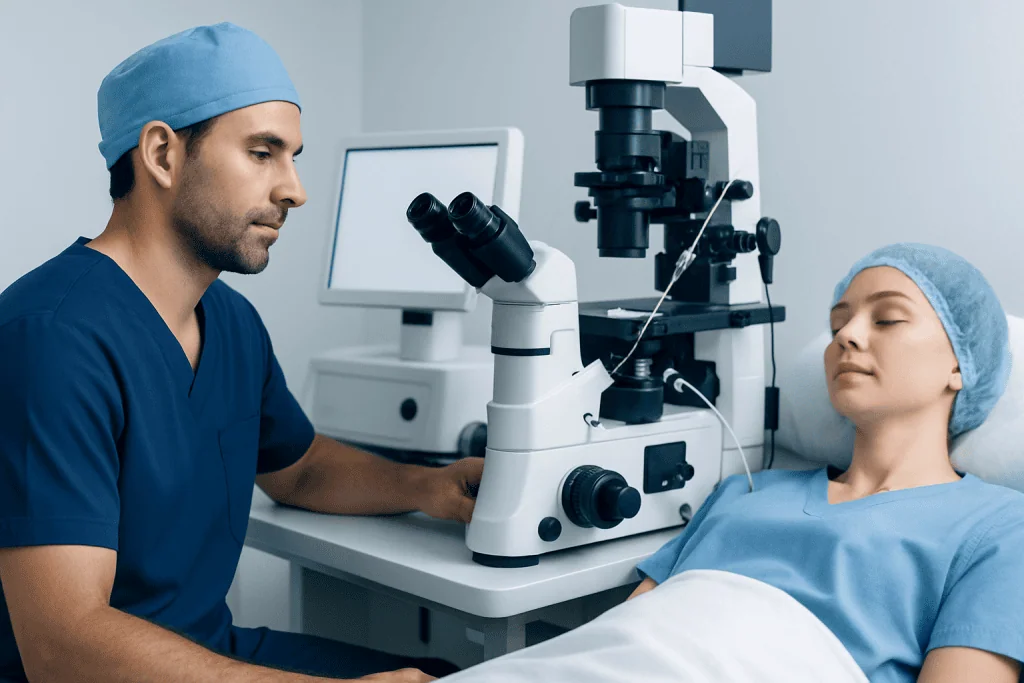
Preparation for egg retrieval begins several days earlier during ovarian stimulation. The fertility team monitors follicle growth with blood tests and ultrasound scans. When the follicles reach the expected size, a final “trigger” injection is given to help the eggs complete their maturation. Timing matters, because retrieval is usually scheduled about 34 to 36 hours after this injection.
Patients are often asked not to eat or drink for a number of hours before the procedure, especially if sedation or anesthesia will be used. The care team will explain which regular medications can be taken and which should be paused. It is also important to arrange for someone to accompany the patient home afterward, since driving is usually not advised on the same day.
Before the procedure, the medical team confirms identity, reviews allergies and medications, and answers any last questions. People being treated for female infertility or related conditions such as ovarian cysts may have individualized planning based on their ovarian response, hormone levels, and overall health.
What Happens During Egg Retrieval

Egg retrieval is usually performed in a procedure room or operating suite. After the patient changes into a gown, an intravenous line may be placed for fluids and sedation. Most clinics use light sedation or short anesthesia so the patient remains sleepy and comfortable. The exact method depends on the clinic, the patient’s health, and the treatment plan.
During the procedure, the doctor places an ultrasound probe into the vagina to see the ovaries and follicles clearly. A fine needle attached to the probe is then guided through the vaginal wall into each follicle. The follicular fluid is gently suctioned into sterile tubes and immediately passed to the embryology laboratory, where specialists look for eggs under a microscope.
The retrieval itself often takes around 15 to 30 minutes, although timing varies with the number of follicles. The patient does not usually feel the needle punctures because of sedation. Once enough follicles have been aspirated, the procedure ends and the patient is moved to a recovery area for monitoring.
On the same day, the laboratory team checks how many eggs were retrieved and whether they appear mature. Depending on the fertility plan, the eggs may be fertilized through standard IVF or with ICSI if this is considered the most suitable option.
What the Patient May Feel During Recovery
After egg retrieval, patients usually rest in recovery until the sedation wears off. It is common to feel sleepy, slightly groggy, or emotionally relieved once the procedure is over. Nurses monitor blood pressure, pulse, and general comfort before discharge.
Mild pelvic cramping, abdominal bloating, a sense of fullness, and light vaginal spotting are common in the first day or two. These symptoms happen because the ovaries are enlarged from stimulation and because the needle passes through the vaginal wall to collect the eggs. Many people can return to light daily activities the next day, although strenuous exercise and heavy lifting are usually avoided for a short period.
Clear aftercare instructions are usually provided. These may include advice on fluids, rest, pain relief, and warning signs to watch for. Because enlarged ovaries can remain sensitive, patients are often told to avoid intense activity or sexual intercourse until their fertility team says it is safe.
- Common short-term symptoms: mild cramping, bloating, fatigue, light spotting
- Typical recovery: same-day discharge and rest at home
- Usual activity advice: avoid driving immediately after sedation and avoid vigorous exercise for several days
Possible Risks and Complications
Egg retrieval in IVF is generally considered safe, but like any medical procedure it carries some risks. Minor discomfort and temporary bloating are expected, while serious problems are uncommon. The fertility team takes steps to reduce risk through careful monitoring, sterile technique, and individualized treatment planning.
Possible complications include bleeding, infection, injury to nearby structures, or reactions to sedation or anesthesia. Another concern is ovarian hyperstimulation syndrome, or OHSS, which is linked more to the stimulation phase than to the retrieval itself. OHSS can cause increasing bloating, nausea, rapid weight gain, shortness of breath, or reduced urination and needs prompt medical advice.
Very rarely, the enlarged ovary can twist on itself, a condition called ovarian torsion, which causes sudden severe pelvic pain and requires urgent evaluation. Patients who have underlying fertility conditions such as polycystic ovary syndrome may need especially careful monitoring because ovarian response can be stronger and the risk of OHSS may be higher.
What Happens to the Eggs After Retrieval
Once the eggs are collected, the embryology laboratory evaluates them for maturity and quality. Not every follicle contains an egg, and not every egg will be mature enough for fertilization. This is a normal part of the process and does not necessarily mean anything went wrong.
If sperm has already been provided or prepared, fertilization may be attempted on the same day. This can be done with conventional IVF, where eggs and sperm are placed together in the lab, or through specific techniques chosen by the fertility team. Over the next few days, embryos are monitored as they divide and develop.
Depending on the treatment plan, one embryo may later be transferred to the uterus, or embryos may be frozen for future use. Patients undergoing broader care for infertility may also discuss genetic testing, embryo freezing, and the timing of transfer based on their age, health, and reproductive history, including conditions such as recurrent pregnancy loss when relevant.
When to Call the Doctor After Egg Retrieval
Most symptoms after egg retrieval are mild and settle within a short time, but some signs should not be ignored. Patients should contact their fertility team if pain becomes severe, bloating rapidly increases, or bleeding seems heavy rather than light spotting. Fever, fainting, vomiting, chest symptoms, or trouble passing urine also need prompt medical advice.
It is especially important to speak to a doctor if symptoms worsen instead of gradually improving. Although uncommon, heavy bleeding, infection, or OHSS can become serious without timely care. Trusting the body’s warning signs and asking early questions can help problems be recognized and treated sooner.
Near the end of the IVF process, clear communication remains essential. Acibadem International’s multidisciplinary specialists and JCI-accredited hospitals diagnose and treat fertility conditions for international patients, with care plans tailored to individual medical needs.
Frequently asked questions
Is egg retrieval in IVF painful?
Most patients feel little or no pain during egg retrieval because sedation or anesthesia is commonly used. Afterward, mild cramping, bloating, or tenderness can occur for a short time. The fertility team usually provides guidance on safe pain relief and recovery.
How long does egg retrieval take?
The actual procedure often takes about 15 to 30 minutes, although this can vary depending on how many follicles are present. Patients usually stay longer for preparation and recovery. In many cases, the full visit lasts a few hours.
How many eggs are usually collected?
The number of eggs collected varies from person to person and depends on age, ovarian reserve, response to stimulation medication, and other fertility factors. Some follicles may not contain an egg, and some eggs may not be mature. The fertility team will explain the results after the procedure.
Can someone go back to work the next day?
Many people feel well enough to return to light work or routine activities the next day. However, this depends on how they respond to sedation, the degree of bloating, and their overall comfort. Strenuous exercise and heavy lifting are usually postponed for several days.
What should not be done after egg retrieval?
Patients are usually advised not to drive on the same day because of sedation. They may also be asked to avoid vigorous exercise, heavy lifting, and sexual intercourse for a short time while the ovaries remain enlarged and sensitive. Following the clinic’s instructions is the safest approach.
What are warning signs after egg retrieval?
Severe abdominal pain, heavy vaginal bleeding, fever, increasing shortness of breath, vomiting, fainting, or rapidly worsening bloating should be reported urgently. These symptoms may point to a complication such as infection, bleeding, or ovarian hyperstimulation syndrome. Prompt medical review is important.
References
- American Society for Reproductive Medicine
- European Society of Human Reproduction and Embryology
- National Health Service
- Centers for Disease Control and Prevention
- World Health Organization
This article is for general information only and is not a substitute for professional medical advice. Please consult a qualified doctor about your individual situation.
Hair transplant in Turkey — costs, graft counts & a free assessment
JCI-accredited · board-certified surgeons · reply within 24h
Add us as a Preferred Source to see more of our trusted health content across Google Search, AI Overviews and Discover.
Check your numbers in seconds
BMI, calories, due date, blood pressure and 30+ more clinical calculators — free, instant, doctor-reviewed ranges.

Related Treatments
Related Conditions
More from the Health Library



Related Specialists

Prof. Dr. Bülent Tıraş
Gynecology & Obstetrics
Prof. Dr. Mete Güngör
Gynecology & Obstetrics
Prof. Dr. Faruk Suat Dede
Gynecology & Obstetrics
Prof. Dr. Tansu Küçük
Gynecology & Obstetrics