What Is a Communicable Disease? Examples, Spread, and Everyday Risks

Communicable diseases are caused by bacteria, viruses, fungi, or parasites that can spread between people or through food, water, animals, insects, or the environment. Common routes of spread include respiratory droplets, direct contact, contaminated surfaces, sexual contact, blood exposure, and insect bites.
Key Takeaways
- Communicable diseases are caused by bacteria, viruses, fungi, or parasites that can spread between people or through food, water, animals, insects, or the environment.
- Common routes of spread include respiratory droplets, direct contact, contaminated surfaces, sexual contact, blood exposure, and insect bites.
- Prevention often includes hand hygiene, vaccination, safe food and water practices, good ventilation, and staying home when ill.
- Symptoms vary widely, from mild fever and cough to diarrhea, rash, or fatigue, depending on the germ and the body system affected.
- Early diagnosis and appropriate treatment can reduce complications and help prevent further spread.
A communicable disease is an illness caused by infectious organisms that can spread from one source to another. Understanding how these diseases are transmitted helps people reduce risk, recognize symptoms, and know when to seek medical care.
Overview
A communicable disease is an illness caused by a germ that can be passed from one person, animal, insect, food source, water source, or contaminated object to another. The germs involved are usually viruses, bacteria, fungi, or parasites. Some communicable diseases are mild and short-lived, while others may require close medical follow-up and treatment.
The term is often used alongside “infectious disease,” but communicable disease specifically emphasizes the ability to spread. Not every infection spreads easily from person to person. For example, some infections are mainly acquired from contaminated food, mosquito bites, or contact with animals rather than from casual human contact.
Communicable diseases remain part of everyday life because germs circulate in homes, schools, workplaces, public transport, healthcare settings, and shared spaces. The good news is that many can be prevented or their spread reduced through practical steps such as vaccination, handwashing, safe hygiene habits, and timely medical care.
Examples and How They Spread
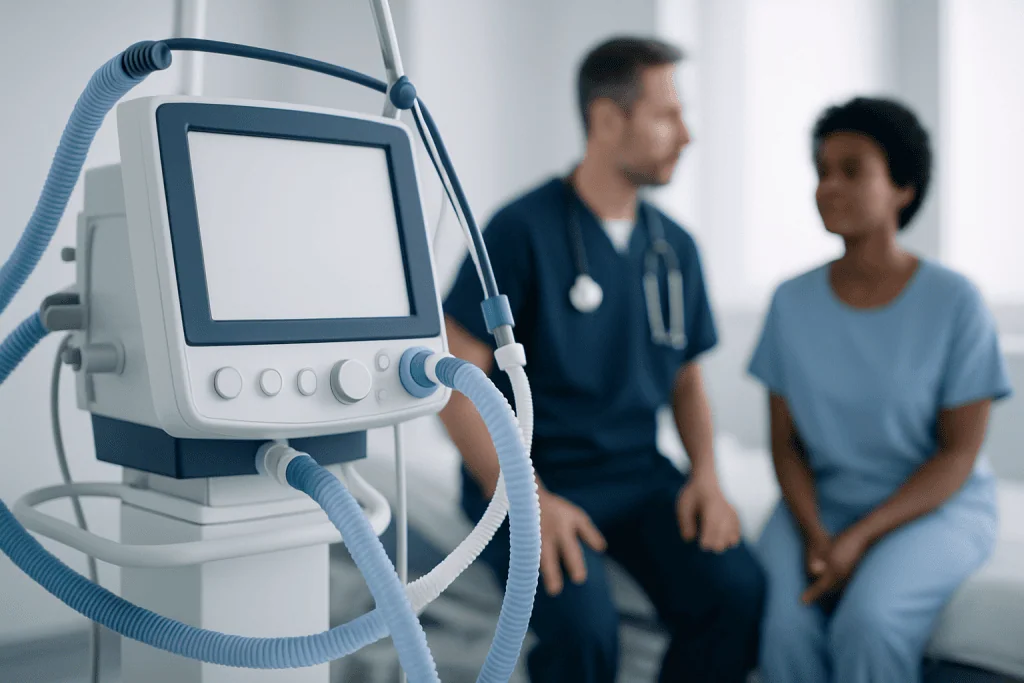
There are many types of communicable diseases, and they do not all spread in the same way. Respiratory infections such as colds, influenza, COVID-19, and some types of pneumonia often spread through droplets or tiny particles released when an infected person coughs, sneezes, talks, or breathes in close contact with others. These illnesses may also spread through contaminated hands or surfaces, although this is not the main route for every virus.
Digestive infections can spread through unsafe food, contaminated water, or poor hand hygiene. Examples include norovirus, salmonella infection, and some forms of hepatitis. Skin and contact-related infections, including impetigo or fungal infections, can spread through direct skin contact or shared personal items such as towels, razors, or sports equipment.
Some communicable diseases spread through blood or sexual contact, including HIV and certain forms of viral hepatitis. Others are vector-borne, meaning they are carried by insects such as mosquitoes or ticks. A mosquito-borne illness such as malaria is communicable in a broader public health sense, even though it does not usually spread through everyday casual contact between people.
- Respiratory spread: coughing, sneezing, close face-to-face contact
- Contact spread: touching infected skin, bodily fluids, or contaminated objects
- Food and water spread: eating or drinking contaminated items
- Blood and sexual spread: unprotected sexual contact, shared needles, blood exposure
- Vector spread: bites from infected mosquitoes, ticks, or other insects
Symptoms of Communicable Diseases
Symptoms depend on the type of germ, the organ system involved, and the person’s age and general health. Many communicable diseases cause general symptoms such as fever, chills, tiredness, muscle aches, headache, and reduced appetite. These signs suggest the immune system is reacting to an infection, but they do not identify the exact cause on their own.
Respiratory infections commonly cause cough, sore throat, runny nose, nasal congestion, shortness of breath, or chest discomfort. Digestive infections may lead to nausea, vomiting, abdominal cramps, and diarrhea. Skin infections can cause redness, rash, swelling, itching, blisters, or warmth in the affected area.
Some infections remain mild, while others can become more serious, especially in infants, older adults, pregnant people, or those with weakened immune systems. Warning symptoms such as dehydration, confusion, severe breathing difficulty, persistent high fever, or worsening pain should never be ignored and deserve prompt medical attention.
Causes and Everyday Risk Factors
Communicable diseases are caused by microorganisms entering the body and multiplying. Whether a person becomes ill depends on several factors, including the amount of exposure, the strength of the immune response, vaccination history, underlying medical conditions, and the specific behavior of the germ itself. Some germs spread easily, while others require more direct or prolonged exposure.
Everyday risk factors are often practical and familiar. Close contact with someone who is sick, poor hand hygiene, touching the face with unwashed hands, sharing personal items, eating undercooked food, or drinking unsafe water can all increase risk. Crowded indoor settings with limited ventilation can make respiratory spread more likely, especially during seasonal outbreaks.
Travel, healthcare work, childcare settings, animal exposure, insect bites, and certain sexual behaviors may also increase the chance of infection. People with chronic disease, cancer treatment, organ transplants, diabetes, or other conditions affecting immunity may be more vulnerable to severe illness. In some cases, communicable diseases can also lead to complications involving other organs, such as the heart, brain, kidneys, or lungs, including severe lung infections like pneumonia.
How Doctors Diagnose Them
Diagnosis begins with a medical history and physical examination. A doctor will usually ask about recent symptoms, travel, sick contacts, food exposures, vaccination status, medications, sexual history when relevant, and any known insect or animal bites. This context is often very helpful because many infections cause similar early symptoms.
Laboratory testing may include blood tests, throat swabs, nasal swabs, urine tests, stool tests, sputum samples, or cultures taken from the skin or wound. In some situations, rapid antigen tests or molecular tests such as PCR help identify the exact organism. When doctors need to assess complications, they may recommend imaging studies such as a chest X-ray or ultrasound.
Accurate diagnosis matters because treatment differs by cause. Antibiotics only treat bacterial infections, not viral ones. Some viral infections respond to antiviral medicines, while fungal and parasitic diseases need different therapies. Diagnosis also helps guide infection control steps so that spread to family members, coworkers, or other patients can be reduced.
Treatment Options
Treatment depends on the type of communicable disease and how severe it is. Many mild viral illnesses improve with rest, fluids, fever control, and symptom relief at home. Bacterial infections may require antibiotics, while certain viral, fungal, or parasitic infections need specific prescription medicines. It is important to use medicines only as directed by a qualified clinician, since the wrong treatment can be ineffective and may contribute to resistance or side effects.
Supportive care is often just as important as germ-targeted treatment. This may include hydration, nutrition, fever management, oxygen support in more serious respiratory illness, or hospital monitoring when complications are possible. Some infections also need isolation precautions or temporary avoidance of school, work, food handling, or close contact until a clinician advises it is safe to resume normal activities.
When a communicable disease affects the lungs or causes breathing difficulty, evaluation by respiratory specialists may be needed, and in selected cases doctors may use bronchoscopy to examine the airways. Imaging can also help assess complications, including chest X-ray for suspected lung infection. For international patients who need coordinated assessment, Acibadem International’s multidisciplinary specialists in JCI-accredited hospitals diagnose and treat infectious conditions with individualized care.
Prevention and Self-care
Prevention starts with simple daily habits. Regular handwashing with soap and water, especially before eating and after using the bathroom, remains one of the most effective ways to reduce spread. Alcohol-based hand sanitizers can also be useful when hands are not visibly dirty. Avoiding close contact with people who are unwell and covering coughs and sneezes help protect both the individual and others.
Vaccination is one of the strongest tools for preventing many communicable diseases or reducing how severe they become. Keeping routine vaccines up to date can protect against illnesses such as influenza, measles, and hepatitis, among others. Good ventilation, appropriate mask use in higher-risk situations, safer sex practices, safe injection practices, and careful food preparation also lower risk.
Self-care during illness includes resting, drinking enough fluids, following medical advice, and staying home when contagious symptoms are present if possible. People should avoid sharing utensils, cups, towels, or personal items while sick. Cleaning commonly touched surfaces can be helpful, especially in households where several people live together or when someone is at higher risk of complications.
When to See a Doctor
Many communicable diseases are mild, but a doctor should be consulted if symptoms are severe, persistent, or unusual. Medical review is especially important for high fever, breathing difficulty, chest pain, dehydration, confusion, severe diarrhea, signs of a spreading skin infection, or symptoms that worsen after initial improvement. Infants, older adults, pregnant people, and anyone with a weakened immune system should seek advice early rather than waiting.
A person should also seek medical care after possible exposure to a serious infection, such as contaminated food linked to an outbreak, an infected animal bite, a tick bite followed by symptoms, blood exposure, or sexual exposure that may carry risk. Post-exposure care can sometimes prevent illness or reduce complications if started promptly. If urgent testing is needed, doctors may request blood work or imaging such as MRI in selected cases where an infection may be affecting deeper tissues or the nervous system.
If symptoms suggest a medical emergency, emergency care should be sought immediately. Examples include severe shortness of breath, blue lips, seizures, loss of consciousness, sudden weakness, or inability to stay awake. Prompt evaluation helps identify the cause, begin appropriate treatment, and reduce the chance of spread to others.
Frequently asked questions
What is the difference between a communicable disease and an infectious disease?
An infectious disease is any illness caused by a harmful microorganism such as a virus, bacterium, fungus, or parasite. A communicable disease is an infectious disease that can spread from one source to another, such as between people, through food or water, or by insects. In everyday use, the terms are often used interchangeably, but communicable emphasizes transmission.
Are all communicable diseases spread by direct contact?
No. Some spread through the air, some through contaminated food or water, some through blood or sexual contact, and others through insect bites. This is why prevention depends on the specific disease and its route of transmission.
Can a communicable disease be present without obvious symptoms?
Yes. Some people carry or spread certain infections before symptoms begin or even without ever feeling ill. That is one reason hand hygiene, vaccination, and other preventive habits remain important even when people appear well.
How can someone reduce everyday risk of catching a communicable disease?
Helpful steps include washing hands regularly, staying up to date with vaccines, avoiding close contact with sick people, practicing safe food handling, and improving indoor ventilation. It also helps to stay home when unwell and avoid sharing personal items during illness.
When are antibiotics used for communicable diseases?
Antibiotics are used for bacterial infections, not for viral illnesses such as the common cold or most cases of flu. A doctor decides whether they are appropriate based on symptoms, examination, and sometimes laboratory results. Using antibiotics when they are not needed can cause side effects and contribute to antibiotic resistance.
Who is at higher risk of serious illness from communicable diseases?
Infants, older adults, pregnant people, and individuals with weakened immune systems or chronic medical conditions often face higher risk of complications. These groups may need earlier medical assessment and closer follow-up if symptoms develop.
References
- World Health Organization
- Centers for Disease Control and Prevention
- National Health Service
- European Centre for Disease Prevention and Control
This article is for general information only and is not a substitute for professional medical advice. Please consult a qualified doctor about your individual situation.
Explore treatments in Turkey — costs, top hospitals & a free quote
JCI-accredited · board-certified surgeons · reply within 24h
Add us as a Preferred Source to see more of our trusted health content across Google Search, AI Overviews and Discover.