What Is a Heart Attack?

A heart attack usually occurs when a coronary artery is blocked, often by a blood clot forming on a plaque. Common symptoms include chest pressure, shortness of breath, sweating, nausea, and pain that may spread to the arm, jaw, back, or neck.
Key Takeaways
- A heart attack usually occurs when a coronary artery is blocked, often by a blood clot forming on a plaque.
- Common symptoms include chest pressure, shortness of breath, sweating, nausea, and pain that may spread to the arm, jaw, back, or neck.
- Some heart attacks cause mild or unusual symptoms, especially in women, older adults, and people with diabetes.
- Emergency treatment aims to restore blood flow quickly and protect the heart muscle.
- Long-term recovery often includes medicines, cardiac rehabilitation, and healthy lifestyle changes.
A heart attack is a medical emergency that happens when blood flow to part of the heart muscle is suddenly reduced or blocked. Fast recognition and treatment can limit heart damage and improve recovery.
Overview
A heart attack, also called myocardial infarction, happens when part of the heart muscle does not get enough oxygen-rich blood. This most often occurs because one of the coronary arteries, which supply blood to the heart, becomes suddenly blocked. Without prompt treatment, the affected heart muscle can become damaged.
Many heart attacks are caused by coronary artery disease. In this condition, fatty deposits called plaque build up inside the artery walls over time. If a plaque ruptures, a blood clot can form and sharply reduce or stop blood flow. This is why a heart attack is different from simple chest pain after exercise or stress.
A heart attack is a medical emergency, but modern treatments are highly effective when care is given quickly. Rapid diagnosis, urgent medicines, and procedures to reopen the artery can reduce heart damage and improve the chances of recovery.
Symptoms of a Heart Attack
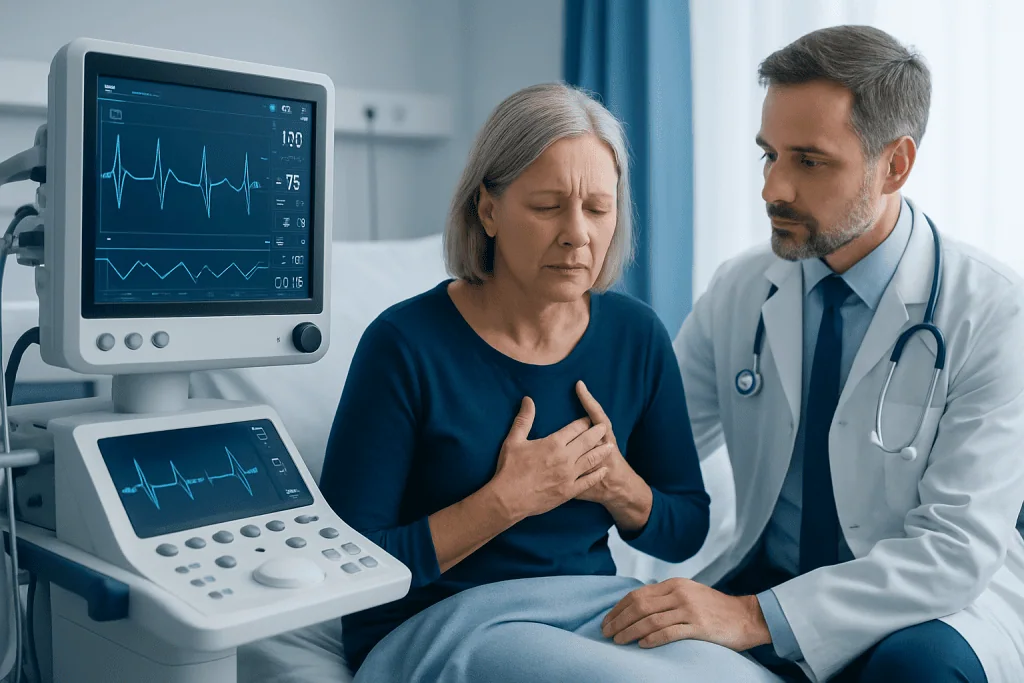
The most common symptom is chest discomfort. People often describe it as pressure, squeezing, heaviness, tightness, or pain in the center or left side of the chest. The discomfort may last more than a few minutes or may come and go.
Symptoms can also include shortness of breath, cold sweat, nausea, lightheadedness, unusual fatigue, or pain that spreads to the arm, shoulder, back, neck, or jaw. Some people feel a sense of indigestion or burning rather than sharp pain. Symptoms may begin during activity or at rest.
Not every heart attack feels the same. Women, older adults, and people with diabetes may be more likely to have milder or less typical symptoms, such as fatigue, breathlessness, nausea, or discomfort in the back or jaw. Because symptoms can be subtle, it is important not to ignore them.
- Chest pressure, tightness, or pain
- Shortness of breath
- Pain in the arm, jaw, neck, shoulder, or back
- Sweating, nausea, or vomiting
- Dizziness or faint feeling
- Sudden unusual fatigue
Causes and Risk Factors
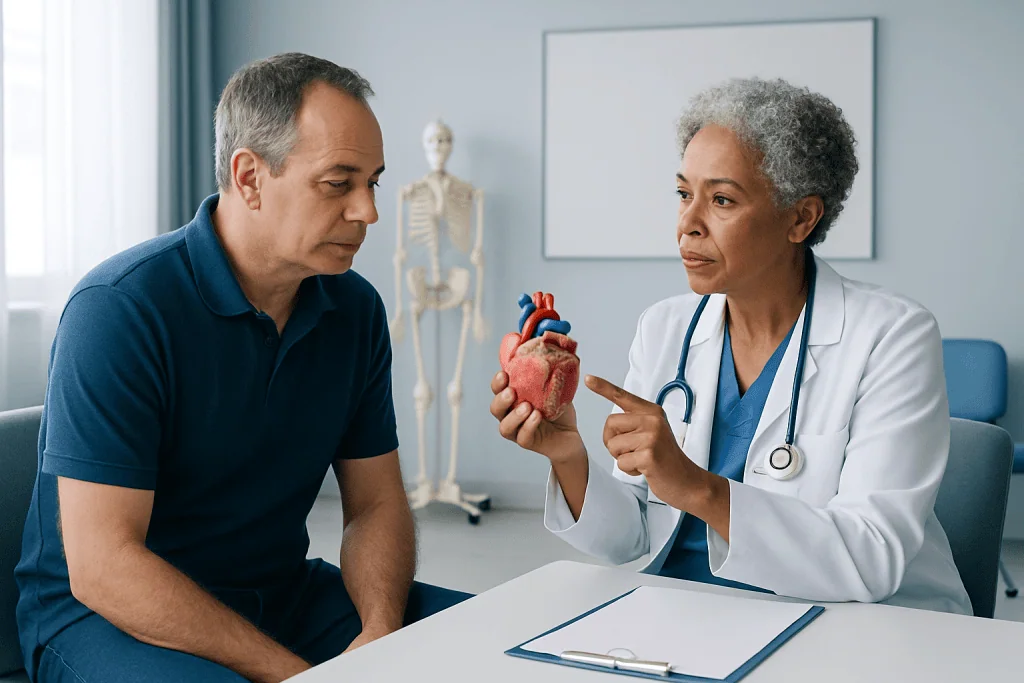
The usual cause of a heart attack is a blockage in a coronary artery. This often develops from atherosclerosis, a process in which cholesterol-rich plaque builds up in the arteries. When a plaque breaks open, the body may form a clot at that spot, blocking blood flow to the heart muscle.
Less common causes include severe spasm of a coronary artery, a tear in the artery wall, or reduced oxygen supply during serious illness. Some people experience a heart attack even without severe narrowing visible beforehand, which is one reason symptoms should always be taken seriously.
Several factors increase risk. These include smoking, high blood pressure, high cholesterol, diabetes, obesity, physical inactivity, chronic stress, increasing age, and a family history of early heart disease. Conditions linked to blocked heart arteries, such as coronary artery disease, are especially important because they raise the likelihood of future events if not managed carefully.
How a Heart Attack Is Diagnosed
Doctors diagnose a heart attack using symptoms, a physical examination, and urgent tests. One of the first tests is an electrocardiogram, or ECG, which records the heart’s electrical activity and can show patterns suggesting reduced blood flow or ongoing damage.
Blood tests are also essential. These look for cardiac biomarkers, especially troponin, which can rise when heart muscle cells are injured. Repeated blood tests over several hours may be needed because levels can change over time.
Imaging and other procedures may help confirm the diagnosis and guide treatment. An echocardiogram can show how well the heart is pumping and whether one area is not moving normally. Coronary angiography can identify the blocked artery directly and is often performed when urgent treatment is needed. In some cases, doctors may also evaluate related rhythm problems such as arrhythmia during assessment and monitoring.
Treatment Options
Immediate treatment focuses on restoring blood flow as quickly as possible. In the emergency setting, doctors may give oxygen if needed, pain relief, blood-thinning medicines, and drugs that reduce clotting or ease strain on the heart. The exact treatment depends on the type of heart attack and the person’s overall condition.
One of the most effective emergency treatments is a procedure to open the blocked artery. This is commonly done with angioplasty and stent placement, in which a small balloon widens the artery and a stent helps keep it open. Some patients may instead receive clot-dissolving medicine if a procedure cannot be performed quickly.
If several arteries are severely narrowed or the blockage pattern is complex, surgery may be recommended. Coronary artery bypass grafting (CABG) creates a new pathway for blood to flow around blocked arteries. After emergency care, ongoing treatment often includes medicines to prevent another event, lower cholesterol, control blood pressure, and support heart function. In selected situations, doctors may also consider cardiac rehabilitation to help patients recover safely through supervised exercise, education, and risk-factor management.
Recovery, Prevention, and Self-care
Recovery after a heart attack continues long after hospital discharge. Many people need a combination of medicines, follow-up visits, and lifestyle changes to protect the heart. Taking prescribed treatment consistently is important, even when symptoms have improved.
Prevention focuses on reducing strain on the heart and lowering the chance of another blockage. Helpful steps include stopping smoking, eating a heart-healthy diet, staying physically active as advised by a doctor, managing stress, maintaining a healthy weight, and getting enough sleep. Blood pressure, cholesterol, and blood sugar should be checked and treated when needed.
Cardiac rehabilitation can be an important part of recovery. It helps people return to activity gradually and learn practical ways to reduce risk. Near the end of the care journey, some patients may seek support from experienced centers; Acibadem International’s multidisciplinary specialists and JCI-accredited hospitals diagnose and treat heart attack and related cardiovascular conditions for international patients.
When to Seek Emergency Care
Anyone with symptoms that could be a heart attack should seek emergency medical help immediately. It is safer to be checked urgently than to wait and hope symptoms pass. Quick treatment can save heart muscle and may save life.
Emergency care is especially important if chest discomfort lasts more than a few minutes, returns after resting, or occurs with shortness of breath, sweating, faintness, or pain spreading to the arm or jaw. People should not drive themselves if they feel very unwell; calling local emergency services is usually the safest option.
Even if symptoms seem mild or unusual, they should not be ignored, especially in people with heart disease risk factors. A doctor can determine whether the problem is a heart attack, angina, or another condition that needs treatment.
Frequently asked questions
What is the difference between a heart attack and cardiac arrest?
A heart attack happens when blood flow to part of the heart muscle is blocked. Cardiac arrest happens when the heart suddenly stops beating effectively, often because of a serious rhythm problem. A heart attack can sometimes lead to cardiac arrest, but they are not the same event.
Can a heart attack happen without severe chest pain?
Yes. Some people have mild chest discomfort, unusual fatigue, nausea, shortness of breath, or pain in the jaw, back, or arm instead of severe chest pain. This can be more common in women, older adults, and people with diabetes.
How long do heart attack symptoms last?
Symptoms often last more than a few minutes and may come and go. However, even brief symptoms can be important if they are new, intense, or associated with breathlessness, sweating, or faintness. Any possible heart attack symptoms should be treated as an emergency.
Can someone recover fully after a heart attack?
Many people recover well, especially when treatment is started quickly. Recovery depends on how much heart muscle was affected, how soon the blocked artery was reopened, and how well risk factors are managed afterward. Ongoing follow-up and lifestyle changes are an important part of long-term health.
What should a person do if they think they are having a heart attack?
They should call emergency medical services right away and follow local emergency instructions. It is best not to drive themselves if symptoms are significant or they feel faint. Fast medical care gives the best chance of limiting heart damage.
Can heart attacks be prevented?
Not all heart attacks can be prevented, but risk can often be lowered substantially. Avoiding smoking, controlling blood pressure and cholesterol, staying active, managing diabetes, and following a heart-healthy diet all help protect the heart. Regular medical care is important for people with risk factors or known heart disease.
References
- World Health Organization
- American Heart Association
- National Heart, Lung, and Blood Institute
- European Society of Cardiology
- Centers for Disease Control and Prevention
This article is for general information only and is not a substitute for professional medical advice. Please consult a qualified doctor about your individual situation.
Heart care in Turkey — expert evaluation and treatment
JCI-accredited · board-certified surgeons · reply within 24h
Add us as a Preferred Source to see more of our trusted health content across Google Search, AI Overviews and Discover.
Check your numbers in seconds
BMI, calories, due date, blood pressure and 30+ more clinical calculators — free, instant, doctor-reviewed ranges.

More from the Health Library



Related Specialists

Prof. Dr. Orhan Demircan
General Surgery
Dr. Sezgi Güllü Erciyestepe
Gynecology & Obstetrics
Gizem Gürzoğlu
Physical Medicine & Rehabilitation
Dr. Rıza Dündar
Otorhinolaryngology