What Is an Oncologist? Roles, Training, and Subspecialties
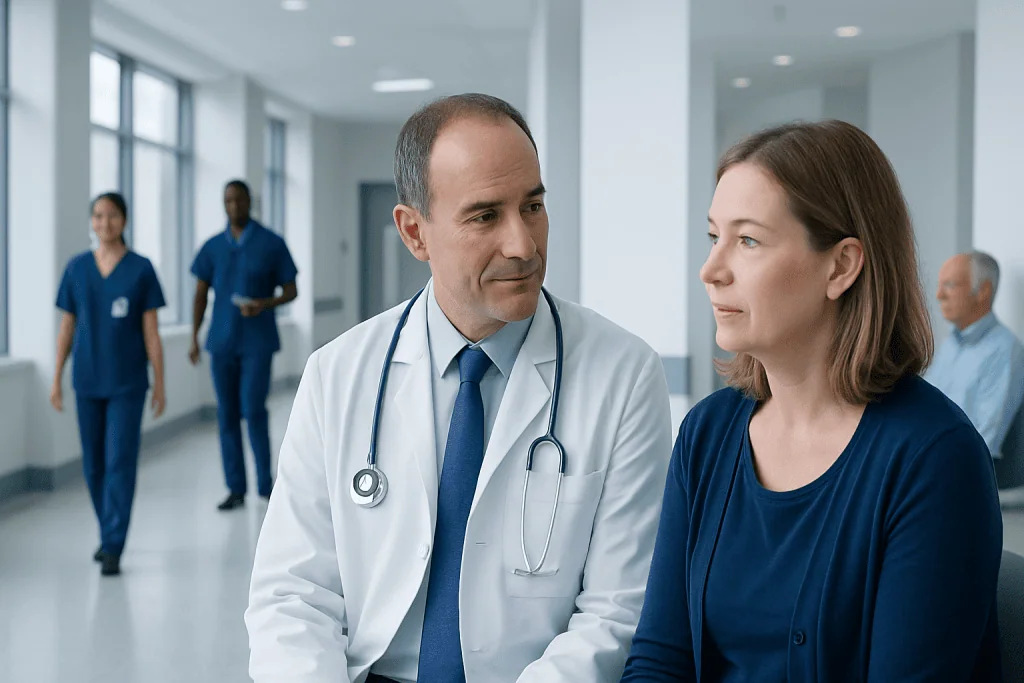
An oncologist is a cancer specialist who helps diagnose, stage, treat, and monitor cancer. There are several types of oncologists, including medical, surgical, and radiation oncologists.
Key Takeaways
- An oncologist is a cancer specialist who helps diagnose, stage, treat, and monitor cancer.
- There are several types of oncologists, including medical, surgical, and radiation oncologists.
- Oncologists usually work closely with pathologists, radiologists, nurses, and other specialists.
- Training in oncology is extensive and includes medical school, residency, and advanced specialty training.
- Cancer care often includes not only treatment but also symptom management, follow-up, and survivorship care.
An oncologist is a doctor who specializes in the diagnosis, treatment, and long-term care of people with cancer. This specialist often works as part of a multidisciplinary team to create personalized treatment plans and support patients before, during, and after treatment.
Overview: What an Oncologist Does
An oncologist is a physician with specialized training in cancer care. This doctor helps diagnose cancer, explains what the diagnosis means, recommends treatment options, and monitors how a person responds over time. In many cases, the oncologist also coordinates care among different specialists so treatment is organized and patient-centered.
Cancer treatment can involve several steps, including imaging, biopsy, laboratory testing, staging, treatment planning, and follow-up. Because cancer affects each person differently, oncologists use detailed medical information to build a plan based on the type of cancer, its stage, the person’s general health, and treatment goals. They also help patients understand expected benefits, possible side effects, and practical next steps.
Modern oncology is team-based. A patient may meet more than one oncologist during care, depending on whether treatment includes medicines, surgery, radiation therapy, or a combination of these. Supportive care specialists, nurses, dietitians, psychologists, and rehabilitation professionals may also be involved to help manage symptoms and maintain quality of life.
Types of Oncologists and Their Roles
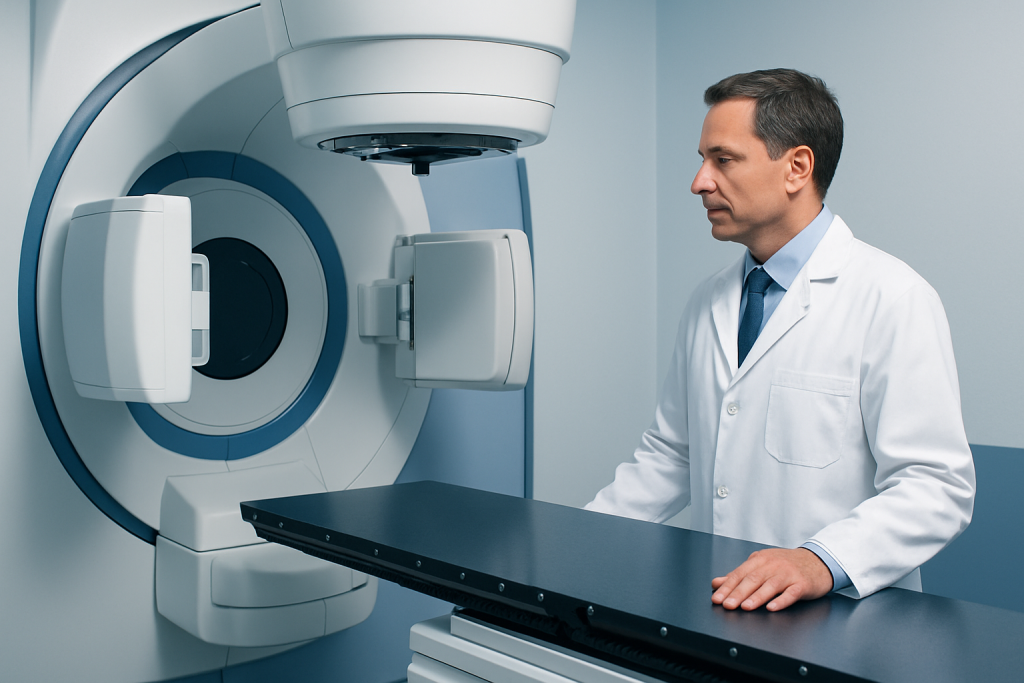
There is no single kind of oncologist. The term describes several cancer specialists with different roles in diagnosis and treatment. The three main types are medical oncologists, surgical oncologists, and radiation oncologists.
A medical oncologist treats cancer using medicines such as chemotherapy, immunotherapy, targeted therapy, hormone therapy, or other systemic treatments. This specialist often serves as the main doctor coordinating overall cancer care, especially when treatment involves medicines given over time. A surgical oncologist focuses on procedures used to diagnose or remove tumors, while a radiation oncologist plans and oversees treatment that uses carefully targeted radiation to destroy cancer cells.
Some patients need care from all three specialists. For example, treatment might begin with surgery, continue with chemotherapy or other medication, and include radiation therapy to reduce the risk of recurrence. Other subspecialists may also be involved, such as gynecologic oncologists, pediatric oncologists, hematologist-oncologists for blood cancers, neuro-oncologists, breast oncologists, and palliative care physicians.
- Medical oncologist: manages medicine-based cancer treatment and follow-up
- Surgical oncologist: performs biopsies and cancer surgery
- Radiation oncologist: plans and supervises radiation treatment
- Hematologist-oncologist: treats blood cancers such as leukemia, lymphoma, and myeloma
- Pediatric oncologist: cares for children and adolescents with cancer
Training and Qualifications

Becoming an oncologist requires many years of education and supervised clinical training. First, a doctor completes medical school. After that, the physician enters residency training in a related field such as internal medicine, surgery, radiation oncology, pediatrics, or obstetrics and gynecology, depending on the future subspecialty.
Most oncologists then complete fellowship training focused specifically on cancer care. During this period, they learn how to diagnose and stage cancers, choose treatments, manage side effects, interpret pathology and imaging reports, and communicate complex information clearly and compassionately. They also gain experience in clinical research, multidisciplinary planning, and long-term survivorship care.
Many oncologists obtain board certification in their specialty or subspecialty, which shows they have met recognized professional standards. Even after training is complete, ongoing education is essential. Cancer care changes quickly as new therapies, biomarkers, imaging techniques, and treatment pathways continue to develop.
How Oncologists Diagnose and Plan Cancer Care
Oncologists use a combination of clinical evaluation, imaging, pathology, and laboratory testing to understand a cancer fully. Diagnosis often begins after symptoms, screening tests, or imaging suggest an abnormality. A biopsy is commonly needed to confirm whether a growth is cancerous and to identify the exact cancer type.
Once cancer is confirmed, the oncologist helps determine its stage. Staging describes how large the tumor is, whether lymph nodes are involved, and whether the disease has spread to other parts of the body. This step is important because treatment recommendations depend heavily on stage, tumor biology, and the person’s overall health.
Treatment planning is usually discussed in detail with the patient and often reviewed by a multidisciplinary tumor board. Depending on the diagnosis, the team may recommend surgery, medicine-based therapy, radiation therapy, or combinations of these approaches. In some situations, advanced testing of tumor markers or genetics helps guide more personalized treatment, especially for conditions such as breast cancer or lung cancer.
Common Treatments an Oncologist May Oversee
Oncologists guide many different cancer treatments, and not every patient needs the same approach. Some cancers are treated with one main therapy, while others need combined treatment. The goals may include curing the cancer, shrinking it before surgery, lowering the chance of recurrence, slowing disease progression, or relieving symptoms.
Medicine-based treatment may include chemotherapy, targeted therapy, hormone therapy, immunotherapy, or combinations chosen according to the cancer type and test results. Some patients may also be evaluated for immunotherapy when appropriate. If a tumor can be removed safely, surgery may be an important part of care; in selected cases, cancer surgery is used for diagnosis, staging, or treatment.
Oncologists also help manage side effects and treatment-related symptoms, such as fatigue, nausea, pain, appetite changes, infection risk, and emotional stress. Supportive care is a core part of oncology, not a separate issue. The aim is to help patients tolerate treatment as well as possible and maintain daily functioning and comfort throughout care.
Subspecialties Within Oncology
Oncology includes many subspecialties because cancers can arise in different organs and age groups and may behave in very different ways. Some oncologists focus on a particular treatment method, while others focus on a certain type of cancer or patient population. This helps ensure that care is tailored to the specific condition.
Examples include breast oncology, thoracic oncology, gastrointestinal oncology, genitourinary oncology, gynecologic oncology, pediatric oncology, neuro-oncology, and hematologic oncology. A hematologist-oncologist may care for blood cancers such as leukemia, while a gynecologic oncologist manages cancers of the ovaries, uterus, cervix, and related organs. Some surgical specialists also focus on narrow areas such as breast surgery or liver and pancreatic tumors.
Subspecialization is helpful because cancer care often depends on detailed knowledge of tumor biology, imaging patterns, surgical techniques, radiation planning, and rapidly changing treatment options. Even when one oncologist leads care, collaboration with other subspecialists is common and often beneficial.
When to See an Oncologist and What to Expect at the First Visit
People usually see an oncologist after a referral from a primary care doctor, surgeon, radiologist, or another specialist. A referral may happen when a test suggests cancer, when a biopsy confirms a diagnosis, or when treatment options need to be discussed after surgery. In some cases, patients seek a second opinion to better understand their diagnosis and choices.
At the first visit, the oncologist typically reviews medical records, pathology results, imaging, medications, and any symptoms the patient is experiencing. The discussion often covers the cancer type, stage, possible treatments, expected timelines, and likely side effects. Patients are usually encouraged to bring questions and, if helpful, a family member or friend for support.
It can be useful to seek prompt medical review for warning signs such as an unexplained lump, unusual bleeding, unexplained weight loss, persistent pain, a lasting cough, or ongoing fatigue, especially if symptoms do not improve. These symptoms do not always mean cancer, but they should not be ignored. Near the end of the care journey, some patients may also choose centers such as Acibadem International, where multidisciplinary specialists in JCI-accredited hospitals diagnose and treat cancer for international patients.
Frequently asked questions
Is an oncologist the same as a cancer doctor?
Yes. An oncologist is a doctor who specializes in diagnosing and treating cancer. Depending on the situation, this may include medicine-based treatment, surgery, radiation therapy, follow-up care, and symptom management.
Do all people with cancer see more than one oncologist?
Not always, but many do. Because cancer treatment can involve medicines, surgery, and radiation, patients may meet different specialists who work together as a team.
What is the difference between a medical oncologist and a hematologist-oncologist?
A medical oncologist broadly treats cancer with systemic therapies such as chemotherapy, targeted therapy, hormone therapy, or immunotherapy. A hematologist-oncologist has additional focus on blood disorders and blood cancers such as leukemia, lymphoma, and myeloma.
Can an oncologist diagnose cancer without a biopsy?
In many cases, a biopsy is needed to confirm a cancer diagnosis and identify the exact type. Imaging and blood tests can strongly suggest cancer, but tissue testing is often essential for accurate diagnosis and treatment planning.
What should a patient bring to the first oncology appointment?
It is helpful to bring previous test results, imaging reports, pathology reports, a list of medications, and details of past medical conditions. Writing down questions in advance can also make the visit easier and more productive.
Do oncologists only treat advanced cancer?
No. Oncologists care for cancers at all stages, including very early cancers found through screening. They may also help with prevention strategies in high-risk individuals, treatment after surgery, and long-term follow-up after recovery.
References
- World Health Organization
- National Cancer Institute
- American Society of Clinical Oncology
- European Society for Medical Oncology
- Centers for Disease Control and Prevention
This article is for general information only and is not a substitute for professional medical advice. Please consult a qualified doctor about your individual situation.
Oncology care in Turkey — second opinion and treatment plan
JCI-accredited · board-certified surgeons · reply within 24h
Add us as a Preferred Source to see more of our trusted health content across Google Search, AI Overviews and Discover.

Medical Oncology Department
Medical treatment of cancer with chemotherapy, immunotherapy and targeted therapies under a multidisciplinary tumor board.
60 specialists in this unitMore from the Health Library
Related Specialists

Dr. Azad Bairamovi
Inpatient Clinic Physicians Clinical Service
Prof. Dr. Alp Yentür
Anesthesiology
Hakan Sazak
Physical Medicine & Rehabilitation
Prof. Dr. Mert Akan
Anesthesiology