What Is an Oncologist? When to See a Cancer Doctor

An oncologist is a cancer specialist who helps diagnose, stage, treat, and monitor cancer. There are different types of oncologists, including medical, surgical, and radiation oncologists.
Key Takeaways
- An oncologist is a cancer specialist who helps diagnose, stage, treat, and monitor cancer.
- There are different types of oncologists, including medical, surgical, and radiation oncologists.
- People may see an oncologist after an abnormal test, a biopsy result, ongoing concerning symptoms, or a referral from another doctor.
- Cancer care is usually team-based and may involve imaging specialists, pathologists, surgeons, nurses, and supportive care experts.
- Early evaluation can help clarify a diagnosis and allow treatment planning to begin promptly if needed.
An oncologist is a doctor who specializes in diagnosing, treating, and monitoring cancer. Understanding what oncologists do and when to see one can help patients feel more prepared, informed, and supported during cancer care.
Overview: What Is an Oncologist?
An oncologist is a doctor who specializes in cancer. This doctor helps diagnose cancer, determine how advanced it is, explain treatment choices, and follow a person’s progress over time. Oncologists also help monitor for side effects, response to treatment, and possible recurrence after treatment has ended.
The word “oncologist” is often used broadly, but cancer care usually involves more than one specialist. A person may meet a medical oncologist, a surgical oncologist, and a radiation oncologist, depending on the type of cancer and the treatment plan. Many patients also work with radiologists, pathologists, oncology nurses, nutrition experts, and palliative care teams.
Because cancer is a complex group of diseases rather than a single illness, oncologists often focus on certain areas. Some specialize in breast, lung, blood, gastrointestinal, gynecologic, or childhood cancers. This focused expertise can help make treatment planning more precise and tailored to the individual.
What Does an Oncologist Do?
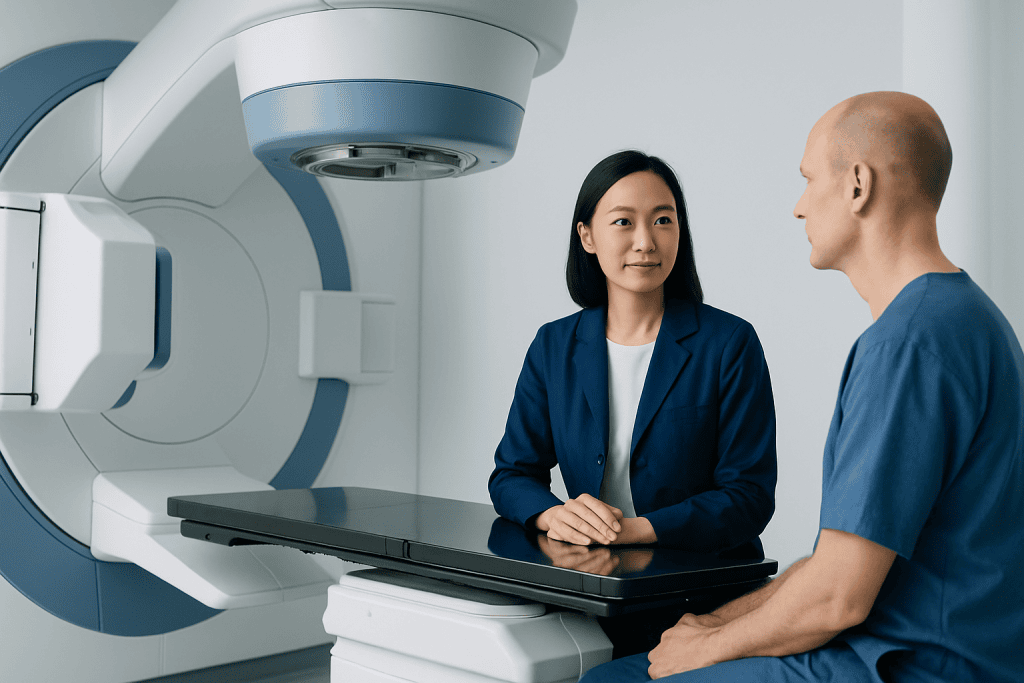
An oncologist’s role starts with careful evaluation. This may include reviewing symptoms, family history, imaging results, laboratory tests, and biopsy findings. The oncologist then helps determine whether cancer is present, what type it is, and whether it has spread. This process is called staging, and it is important because treatment decisions often depend on it.
After diagnosis and staging, the oncologist discusses treatment goals and options. Depending on the cancer, treatment may involve medicines, surgery, radiation therapy, targeted therapy, immunotherapy, or a combination of approaches. The oncologist explains potential benefits, risks, side effects, and expected follow-up so the patient can take part in informed decisions.
Oncologists also provide ongoing care during and after treatment. They monitor how well treatment is working, manage side effects such as fatigue or nausea, and arrange follow-up tests. Long-term follow-up may include surveillance scans, blood tests, symptom review, and support for physical and emotional recovery.
- Medical oncologist: treats cancer with medicines such as chemotherapy, hormone therapy, targeted therapy, or immunotherapy.
- Surgical oncologist: removes tumors and may perform biopsies or cancer-related operations.
- Radiation oncologist: treats cancer using carefully planned radiation therapy.
- Hematologist-oncologist: specializes in blood cancers such as leukemia, lymphoma, and myeloma.
When to See an Oncologist
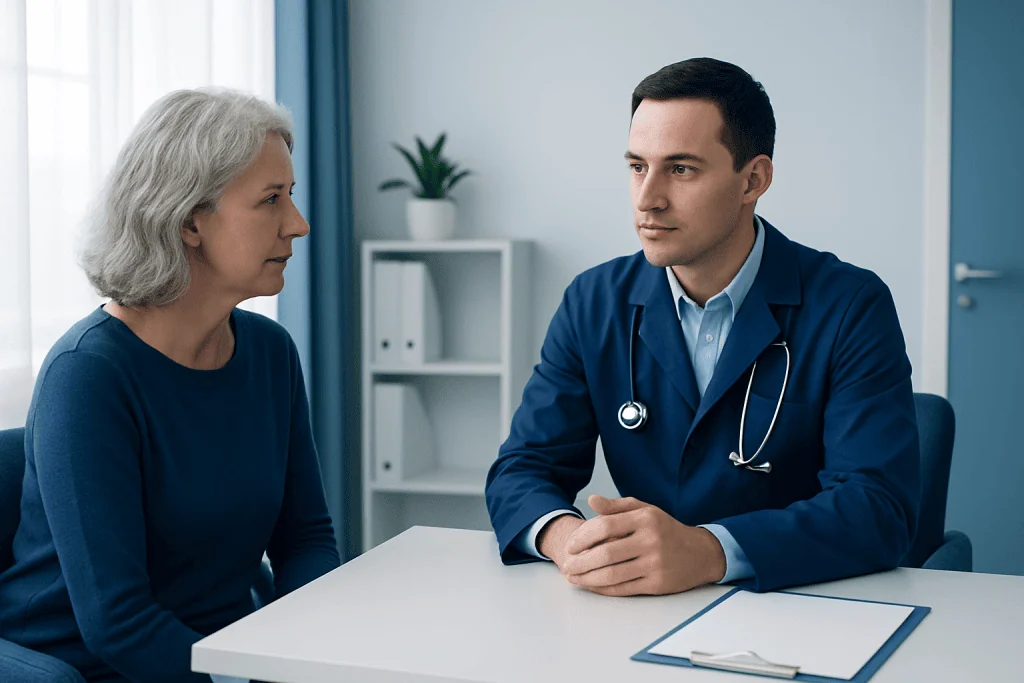
Most people do not make a first appointment with an oncologist on their own. A primary care doctor, gynecologist, surgeon, or another specialist often refers them after concerning symptoms, an abnormal imaging test, or a biopsy result. Seeing an oncologist does not always mean a person has cancer, but it does mean that expert evaluation is needed.
Common reasons for referral include a suspicious lump, unexplained weight loss, persistent fatigue, abnormal bleeding, a changing mole, ongoing pain without a clear cause, or test results that suggest a tumor. An oncologist may also be involved when a screening test such as a mammogram, colonoscopy, Pap test, or CT scan shows a finding that needs further evaluation.
In some cases, patients see an oncologist after cancer has already been confirmed. The appointment helps them understand the diagnosis, stage, treatment options, and timeline. It is also appropriate to seek a second opinion, especially when major treatment decisions are being made or when the cancer is rare or complex.
People with a strong family history of cancer or inherited cancer risk may also be referred for counseling and specialist input. While this may not always require treatment, it can guide screening, genetic testing, and prevention plans.
How Oncologists Diagnose and Assess Cancer
Diagnosing cancer usually involves several steps. An oncologist begins by reviewing the person’s medical history and symptoms, then examining prior test results. Imaging studies such as ultrasound, mammography, CT, MRI, or PET scans may help identify suspicious areas and show whether disease may have spread.
A definite cancer diagnosis usually depends on a biopsy. In a biopsy, a sample of tissue or cells is taken and examined by a pathologist under a microscope. The pathology report can identify the exact cancer type and may include molecular or genetic features that help guide treatment. For many cancers, this information is essential for choosing the most appropriate therapy.
Blood tests may also support diagnosis and treatment planning, though they rarely diagnose most cancers on their own. Tests can help assess organ function, detect anemia or infection, and establish a baseline before treatment starts. In some cancers, tumor markers may be useful as part of monitoring.
Staging is another important step. Staging describes the size of the cancer, whether lymph nodes are involved, and whether the disease has spread to other parts of the body. This helps the oncology team estimate prognosis and decide whether treatment should focus on cure, long-term control, or symptom relief.
Treatment Options an Oncologist May Recommend
Cancer treatment is individualized. An oncologist considers the type of cancer, its stage, lab and biopsy findings, a person’s age and overall health, and the patient’s goals and preferences. Some cancers are treated with one main approach, while others need a combination of therapies delivered over time.
Medical treatments may include chemotherapy, hormone therapy, targeted therapy, or immunotherapy. These medicines can be used before surgery, after surgery, instead of surgery in some situations, or for advanced cancer. Patients may hear about chemotherapy, immunotherapy, or other systemic treatments that travel through the body to reach cancer cells.
Some cancers are best managed with local treatment. This may include surgery to remove a tumor or radiation therapy to target cancer in a specific area. In many cases, specialists work together to decide the safest sequence and combination. A patient with a new breast cancer diagnosis, for example, may be treated by both surgical and medical oncology teams.
Supportive care is also part of treatment. This includes help with pain, nausea, appetite changes, emotional stress, sleep problems, and rehabilitation needs. The aim is not only to treat the cancer but also to maintain quality of life throughout care. For some patients, clinical trials may also be discussed if appropriate and available.
Preparing for the First Oncology Appointment
A first oncology visit can feel overwhelming, but preparation can make it easier. Patients are often encouraged to bring previous test results, imaging reports, pathology reports, medication lists, and a summary of their symptoms. Having these records available helps the oncologist review the situation more quickly and accurately.
It can also help to bring a family member or trusted friend. Another person can take notes, help remember questions, and provide emotional support. Many patients find it useful to write down concerns in advance, including questions about diagnosis, treatment choices, side effects, work, travel, fertility, or how treatment may affect daily life.
During the visit, the oncologist may explain what is known, what still needs to be clarified, and what tests are needed next. Sometimes treatment can begin quickly, while in other cases more scans, biopsies, or specialist consultations are needed before a final plan is made. Both approaches can be appropriate, depending on the situation.
- What type of cancer is suspected or confirmed?
- What stage is it, or what tests are needed to stage it?
- What treatment options are available, and what is the goal of each one?
- What side effects are common, and how are they managed?
- Should genetic testing, fertility counseling, or a second opinion be considered?
Prevention, Screening, and Self-Care
Not every cancer can be prevented, but healthy habits and recommended screening can lower risk and improve early detection. Screening aims to find cancer before symptoms begin, when treatment may be simpler and more effective. Depending on age, sex, and personal risk, this may include mammograms, cervical screening, colon cancer screening, skin checks, or lung cancer screening for selected high-risk individuals.
Risk can also be reduced by avoiding tobacco, limiting alcohol, maintaining a healthy weight, staying physically active, protecting the skin from excessive sun exposure, and following vaccination advice such as HPV and hepatitis B vaccination where appropriate. People with inherited risk or a strong family history may need tailored screening plans.
Self-care matters both before and during cancer evaluation. New or persistent symptoms should not be ignored, especially if they continue for weeks or keep returning. Keeping track of changes such as lumps, bleeding, bowel habits, appetite, or unexplained tiredness can help a doctor assess the problem more clearly.
For patients already in treatment, good self-care includes balanced nutrition, rest, physical activity as tolerated, medication adherence, infection precautions when advised, and prompt reporting of new symptoms. When specialist care is needed, Acibadem International’s multidisciplinary oncology specialists at JCI-accredited hospitals provide diagnosis and treatment for international patients, including services such as PET-CT imaging when clinically indicated.
When to See a Doctor Urgently
Many symptoms that lead to oncology referral are not caused by cancer, but some warning signs deserve prompt medical attention. A person should contact a doctor if they notice a new lump, unexplained weight loss, blood in the stool or urine, persistent hoarseness, prolonged fever, unusual bleeding, or a sore that does not heal. Ongoing pain, difficulty swallowing, or a cough that does not improve should also be assessed.
For someone already receiving cancer treatment, urgent review may be needed for high fever, severe shortness of breath, chest pain, confusion, uncontrolled vomiting, dehydration, sudden weakness, or signs of infection. These symptoms may be treatment-related and should not be managed at home without advice.
It is also reasonable to arrange a medical review if symptoms are vague but persistent, especially when they interfere with daily life or continue despite routine care. Early assessment does not mean the worst should be assumed. In many cases, it brings reassurance; if cancer is present, it helps the care team act without unnecessary delay.
Frequently asked questions
Is an oncologist the same as a cancer doctor?
Yes. An oncologist is a doctor who specializes in cancer diagnosis, treatment, and follow-up. Depending on the situation, a person may see a medical, surgical, or radiation oncologist.
Do you only see an oncologist if you already have cancer?
No. Some people are referred to an oncologist because a scan, blood test, or symptom needs further evaluation. The visit may help rule out cancer or clarify what additional testing is needed.
What is the difference between a medical oncologist and a surgical oncologist?
A medical oncologist treats cancer with medicines such as chemotherapy, immunotherapy, hormone therapy, or targeted therapy. A surgical oncologist focuses on operations to remove tumors or obtain tissue for diagnosis.
Should someone get a second opinion from another oncologist?
A second opinion is common and can be helpful, especially for a new diagnosis, a rare cancer, or a major treatment decision. It may confirm the original plan or present additional options, helping the patient feel more confident.
What happens at the first oncology appointment?
The oncologist usually reviews symptoms, medical history, test results, and any biopsy findings. They may recommend more tests, explain the likely diagnosis and stage, and discuss possible treatment paths.
Can an oncologist help even if treatment is not started right away?
Yes. An oncologist can explain the diagnosis, monitor the condition, arrange further tests, and help decide the right timing for treatment. In some situations, careful observation is an appropriate part of care.
References
- World Health Organization
- National Cancer Institute
- American Society of Clinical Oncology
- Centers for Disease Control and Prevention
- European Society for Medical Oncology
This article is for general information only and is not a substitute for professional medical advice. Please consult a qualified doctor about your individual situation.
Oncology care in Turkey — second opinion and treatment plan
JCI-accredited · board-certified surgeons · reply within 24h
Add us as a Preferred Source to see more of our trusted health content across Google Search, AI Overviews and Discover.

Medical Oncology Department
Medical treatment of cancer with chemotherapy, immunotherapy and targeted therapies under a multidisciplinary tumor board.
60 specialists in this unit