What Is Biopsy: Procedure, Recovery and Results
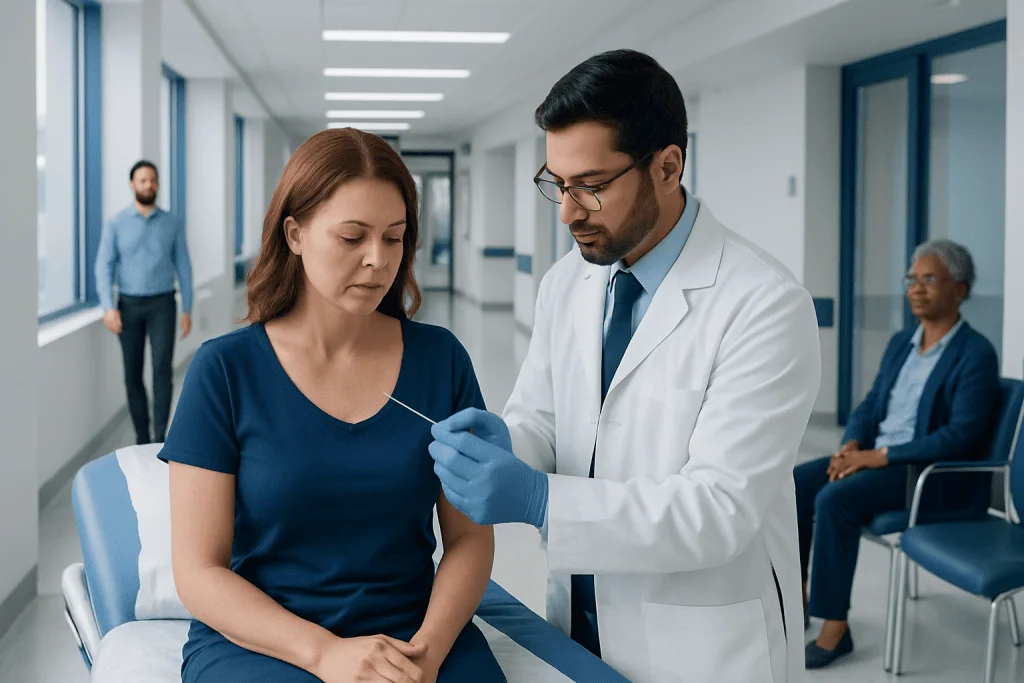
A biopsy examines a tissue or cell sample and can help diagnose cancer, infections, inflammatory conditions, and other health concerns. The method used depends on where the area is located and may involve a needle, skin sample, endoscopy, or surgery.
Key Takeaways
- A biopsy examines a tissue or cell sample and can help diagnose cancer, infections, inflammatory conditions, and other health concerns.
- The method used depends on where the area is located and may involve a needle, skin sample, endoscopy, or surgery.
- Many biopsies are outpatient procedures performed with local anesthetic, sedation, or occasionally general anesthesia.
- Recovery is usually brief, although the expected timeline varies by biopsy type and body area.
- Most biopsy complications are uncommon, but bleeding, infection, pain, and bruising can occur.
- Results may take several days or longer because specialists may need additional laboratory tests.
A biopsy is a medical procedure that collects a small sample of cells, tissue, or fluid for examination in a laboratory. It helps doctors identify the cause of an abnormal finding and guide appropriate care, but a biopsy result alone does not always mean cancer.
What Is a Biopsy?
A biopsy is a procedure in which a doctor removes or collects a small sample of cells, tissue, or fluid so it can be examined under a microscope and, when needed, tested in a laboratory. It is used to clarify what an unusual symptom, lump, imaging finding, skin change, or laboratory result may represent.
Biopsies can help diagnose many conditions, including cancer, infection, autoimmune disease, inflammation, liver or kidney disease, and certain blood disorders. A biopsy is an important diagnostic tool, but it is not automatically a cancer test: many samples show benign, noncancerous changes or conditions that can be treated or monitored.
The sample is interpreted by a pathologist, a doctor trained to diagnose disease from cells and tissues. The biopsy report is considered alongside a person’s symptoms, medical history, physical examination, blood tests, and imaging studies to support an accurate diagnosis.
How a Biopsy Works and Why It May Be Recommended
Doctors may recommend a biopsy when another test identifies an area that needs closer assessment. For example, imaging may show a breast lump, a lung nodule, an enlarged lymph node, or an abnormal area in an organ. A biopsy can determine whether the tissue is normal, inflamed, infected, benign, precancerous, or cancerous.
A biopsy may also be used after a diagnosis is known. In some cases, the sample provides details about the type, grade, or biological features of a disease. For cancers, these findings can help the care team select treatment and may include specialized tests on tumor cells.
The most appropriate approach depends on the location, size, and appearance of the area, as well as a person’s overall health and medicines. Doctors aim to obtain enough representative tissue while using the least invasive safe method. In certain situations, monitoring with repeat imaging rather than immediate biopsy may be appropriate.
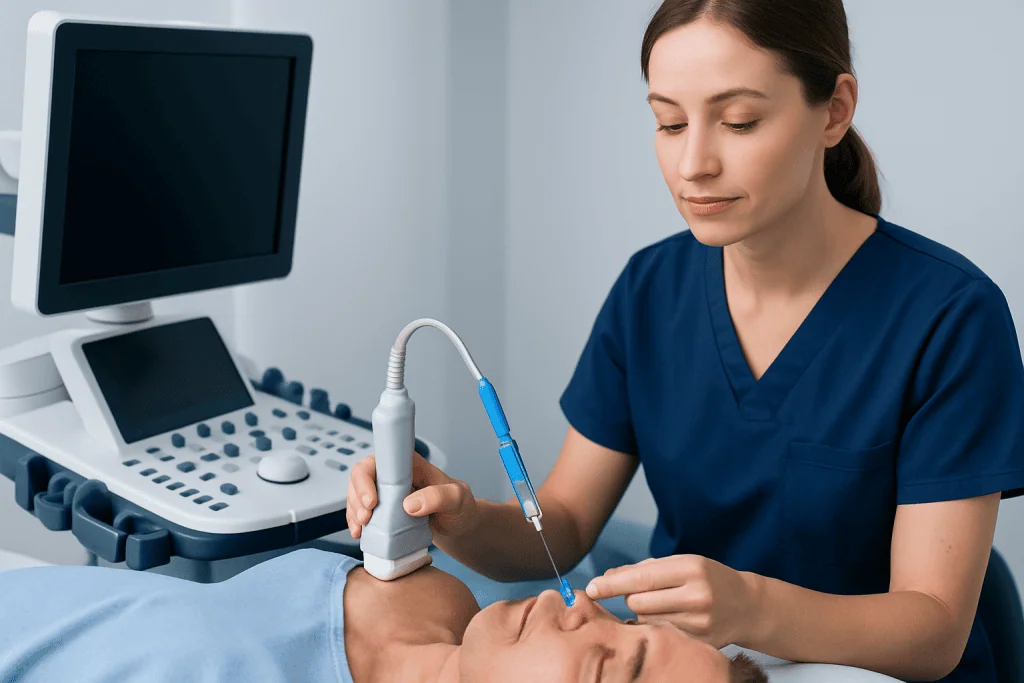
- Needle biopsy: A thin or hollow needle removes cells or small tissue cores, often with ultrasound, CT, MRI, or mammography guidance.
- Skin biopsy: A small area of skin is shaved, punched, or surgically removed for assessment.
- Endoscopic biopsy: Small instruments collect tissue through a flexible scope used to view the digestive tract, airways, bladder, or other internal areas.
- Surgical biopsy: A surgeon removes part or all of an abnormal area when a larger sample is needed.
Who May Need a Biopsy and How to Prepare

A biopsy may be considered for people with unexplained symptoms, a persistent or changing lump, abnormal bleeding, a suspicious skin lesion, enlarged lymph nodes, or an unexpected result on imaging or screening. The decision is individualized. Doctors consider whether the expected information from the sample is likely to change diagnosis, treatment, or follow-up.
Before the procedure, the healthcare team reviews medical conditions, allergies, previous reactions to anesthesia, and all medicines and supplements. Blood thinners, antiplatelet medicines, diabetes treatments, and some supplements may need special planning. A person should not stop prescribed medicines on their own; the clinician performing the biopsy should provide specific instructions.
Preparation varies by biopsy type. Some simple skin or needle biopsies need little preparation. Others may require fasting, blood tests, bowel preparation, a responsible adult to provide transportation after sedation, or temporary adjustments to medications. Patients should ask what type of anesthesia or sedation is planned, how long the visit may take, and when they can return to usual activities.
What Happens During a Biopsy Procedure
Most biopsies follow a similar sequence. The clinician confirms the planned site and procedure, explains the steps, and checks consent. The skin or access area is cleaned carefully. Local anesthetic is commonly used to numb the area, so there may be a brief sting followed by pressure rather than sharp pain.
For image-guided procedures, ultrasound, CT, MRI, or X-ray-based imaging helps guide the needle precisely to the target. During an endoscopic biopsy, a flexible viewing instrument is gently passed through a natural opening, such as the mouth or rectum, and small instruments collect tissue. Surgical biopsies may be done under local anesthesia, sedation, or general anesthesia depending on the site and extent of surgery.
Several samples may be taken because different parts of an abnormal area can vary. The tissue is placed in a container and sent to pathology. Afterward, pressure, a small dressing, stitches, surgical glue, or adhesive strips may be used. The procedure often takes minutes to an hour, although time in the clinic or hospital may be longer because of preparation and monitoring.
When a tissue sample is needed to investigate a possible tumor or another complex finding, biopsy services may involve coordination between radiology, pathology, surgery, gastroenterology, pulmonology, dermatology, or oncology specialists.
Biopsy Recovery Timeline, Benefits and Possible Risks
Recovery depends on the location and technique used. After a minor skin or needle biopsy, many people can go home the same day and resume light activity within 24 hours. Mild tenderness, bruising, swelling, or a small amount of bleeding may occur for a few days. A deeper organ biopsy, endoscopic procedure with sedation, or surgical biopsy may require more rest and a longer recovery period.
The healthcare team provides aftercare instructions for the specific procedure. These may include keeping the dressing clean and dry, avoiding strenuous exercise or heavy lifting for a short time, using approved pain relief, and watching the site for changes. If sedation or anesthesia was used, patients may need someone else to take them home and should avoid driving, alcohol, and important decisions until the effects have fully worn off.
The key benefit of a biopsy is that it can provide information that imaging and blood tests cannot always supply. This can prevent unnecessary treatment, confirm a condition early, identify the most suitable next steps, and help doctors explain the outlook more clearly.
Complications are uncommon but can include bleeding, infection, pain, bruising, damage to nearby structures, a reaction to anesthesia, or an inadequate sample that requires repeat testing. The risk differs substantially by biopsy site. The care team explains the relevant risks before the procedure and takes precautions to reduce them.
Understanding Biopsy Results
Biopsy results are commonly available within several days, but the timing can vary. Some samples need special stains, molecular testing, cultures for infection, consultation with another pathologist, or comparison with imaging. These additional steps can lengthen the reporting process but may provide more precise information.
A pathology report may describe normal tissue, benign changes, inflammation, infection, precancerous changes, or cancer. If cancer is found, the report may provide information such as the cancer type, grade, receptor status, or genetic and molecular features. Not every report contains all of these details, as the useful tests differ by tissue type and clinical question.
A doctor should discuss the result in context. An abnormal result does not always mean a serious illness, and a benign result may still require follow-up if the imaging appearance or symptoms remain concerning. Occasionally, a sample is too small or does not match the imaging finding, and another biopsy or further evaluation may be advised.
For people diagnosed with cancer, biopsy findings often guide referral and further planning with cancer care specialists. Treatment decisions may include additional imaging, surgery, systemic therapy, radiation therapy, active monitoring, or a combination of approaches depending on the diagnosis.
When to Seek Medical Care
Patients should contact the healthcare team promptly after a biopsy if bleeding does not stop with gentle pressure, pain is increasing rather than improving, fever develops, the biopsy area becomes increasingly red or swollen, pus-like drainage appears, or there is a new rash or signs of an allergic reaction. The instructions given after the procedure should always take priority because warning signs can differ by biopsy location.
Urgent medical assessment is important for severe or sudden symptoms, such as trouble breathing, chest pain, fainting, confusion, severe abdominal pain, heavy bleeding, or rapidly worsening swelling. These symptoms may have causes unrelated to the biopsy but should not be ignored.
Before a planned biopsy, patients should also seek medical advice if they become unwell, develop a new infection, learn they are pregnant, or have questions about blood-thinning medicines and preparation. Clear communication helps the team determine whether the procedure should proceed as scheduled or be adjusted for safety.
Acibadem International’s multidisciplinary specialists and JCI-accredited hospitals diagnose and treat conditions that may require biopsy evaluation for international patients, with care planning based on the individual findings and clinical needs.
Frequently asked questions
Is a biopsy painful?
Many biopsies are performed using local anesthetic, which numbs the area. A person may feel a brief sting from the numbing medicine, along with pressure or pulling during the procedure. Some tenderness or bruising afterward is common and usually temporary.
Does a biopsy mean cancer?
No. A biopsy is used to investigate many types of abnormalities, including infection, inflammation, autoimmune conditions, and benign growths. It is performed because it can provide more definite information than symptoms or imaging alone.
How long do biopsy results take?
Many routine biopsy results are available within several days, but timing varies by the tissue type and tests required. Samples needing special stains, cultures, or molecular testing can take longer. The healthcare team can explain the expected timeline for the individual procedure.
Can a biopsy spread cancer?
For most cancers and biopsy methods, the risk of cancer cells spreading because of a biopsy is considered very low. Biopsies are standard diagnostic procedures used worldwide because the benefit of obtaining an accurate diagnosis generally outweighs this rare concern. The doctor can discuss the specific biopsy approach and risks for the affected area.
What should a person avoid after a biopsy?
The answer depends on the biopsy site and whether sedation was used. Patients are often asked to avoid strenuous activity, heavy lifting, or getting the site wet for a short period, while those receiving sedation should avoid driving until cleared. They should follow the procedure-specific instructions provided by their healthcare team.
What happens if a biopsy result is inconclusive?
An inconclusive result can occur when the sample is too small, does not contain enough of the target tissue, or needs more specialized testing. The doctor may recommend repeat biopsy, additional imaging, laboratory tests, or monitoring. This does not by itself confirm a serious diagnosis.
References
- National Cancer Institute
- American Cancer Society
- MedlinePlus
- Mayo Clinic
- College of American Pathologists
This article is for general information only and is not a substitute for professional medical advice. Please consult a qualified doctor about your individual situation.
Oncology care in Turkey — second opinion and treatment plan
JCI-accredited · board-certified surgeons · reply within 24h
Add us as a Preferred Source to see more of our trusted health content across Google Search, AI Overviews and Discover.

More from the Health Library


Related Specialists

Prof. Dr. İsmet Tamer
Check Up & Wellness Center
Dr. Ekin Sayer
Acibadem Life Clinical Service
Assoc. Prof. Dr. Emel Kabakoğlu Ünsür
Pediatrics
Prof. Dr. Muzaffer Çetingüç
Psychiatry