What Is Geriatric Neurology? Care for Memory, Thinking, and Balance Problems

Geriatric neurology addresses neurological conditions that are common or more complex in later life. Common concerns include memory loss, confusion, tremor, dizziness, walking changes, falls, and stroke-related symptoms.
Key Takeaways
- Geriatric neurology addresses neurological conditions that are common or more complex in later life.
- Common concerns include memory loss, confusion, tremor, dizziness, walking changes, falls, and stroke-related symptoms.
- Assessment often includes a detailed history, medication review, cognitive testing, neurological examination, and selected imaging or lab tests.
- Many symptoms have treatable or manageable causes, including medication side effects, vitamin deficiencies, sleep problems, and vascular disease.
- Care usually combines medical treatment, rehabilitation, safety planning, and support for families and caregivers.
Geriatric neurology is a medical specialty focused on brain, spinal cord, nerve, and muscle conditions that affect older adults. It helps evaluate changes in memory, thinking, movement, balance, sleep, and daily function so care can be tailored to the person’s health, goals, and quality of life.
Overview: What geriatric neurology means
Geriatric neurology is the branch of neurology that cares for older adults with disorders of the brain, spinal cord, nerves, and muscles. It focuses on symptoms that can affect independence and daily life, such as forgetfulness, slowed thinking, tremor, weakness, unsteady walking, dizziness, sleep changes, and falls. Because aging often occurs alongside other medical conditions, this field looks at the whole person rather than one symptom in isolation.
Many neurological symptoms in later life are not simply a normal part of aging. While mild slowing in recall may happen with age, significant memory loss, confusion, repeated falls, or a sudden change in speech or strength should be evaluated. A geriatric neurologist works to understand whether symptoms are related to a neurodegenerative condition, blood vessel disease, medication effects, infection, metabolic problems, sleep disorders, or another treatable cause.
The goal of care is not only diagnosis. It also includes protecting safety, preserving function, reducing symptoms, and supporting quality of life. This may involve rehabilitation, home safety strategies, caregiver education, and coordination with specialists in internal medicine, psychiatry, rehabilitation, and other areas.
Common symptoms and concerns in older adults
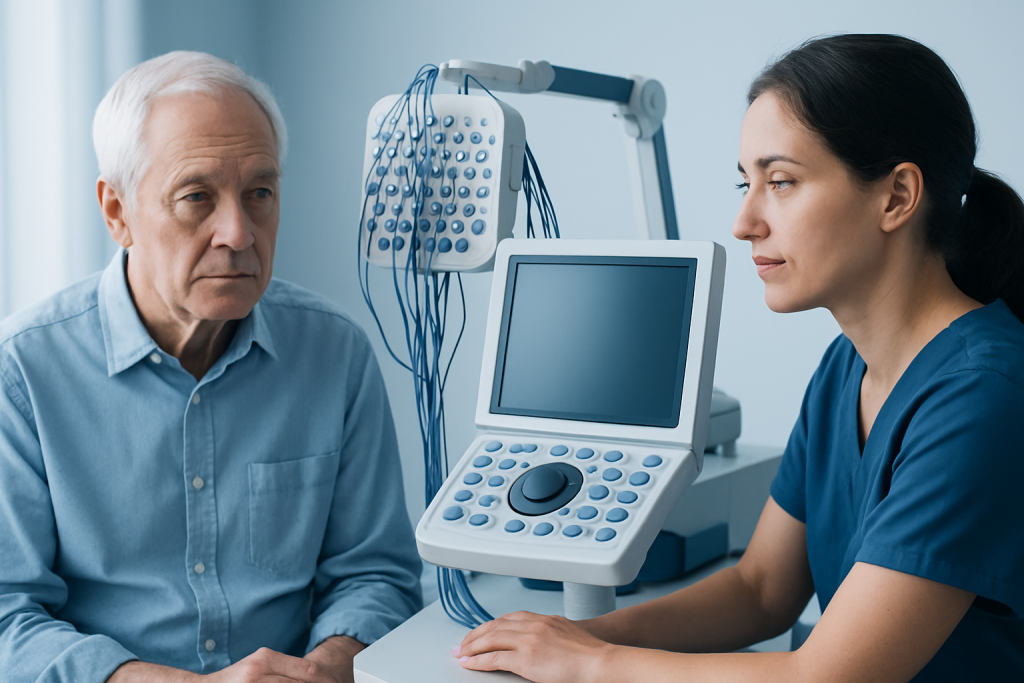
People are often referred to geriatric neurology because they or their family notice changes in memory, attention, language, problem-solving, or behavior. These may appear as repeating questions, getting lost in familiar places, trouble following conversations, forgetting appointments, or difficulty managing finances or medicines. A specialist can help distinguish mild age-related changes from more significant cognitive impairment.
Movement and balance symptoms are another common reason for evaluation. These may include tremor, stiffness, slowed movement, shuffling steps, poor coordination, dizziness, and fear of falling. Numbness in the feet, muscle weakness, and inner ear problems can also affect walking and stability, so a careful assessment is important.
Other neurological concerns in older adults include headaches, neuropathy, sleep disturbances, seizures, stroke after-effects, and episodes of confusion or loss of awareness. Symptoms may develop gradually or appear suddenly. Sudden weakness, facial drooping, severe confusion, or speech difficulty need urgent medical attention because they can be signs of a stroke or another emergency.
- Memory loss or confusion
- Tremor, stiffness, or slowed movement
- Unsteady walking, falls, or dizziness
- Numbness, tingling, or weakness
- Changes in mood, sleep, or behavior
- Speech, swallowing, or coordination problems
Conditions treated in geriatric neurology

Geriatric neurologists care for a wide range of conditions that become more common with age. These include dementia syndromes such as Alzheimer’s disease and vascular cognitive impairment, as well as movement disorders including Parkinson’s disease and atypical parkinsonian syndromes. They also evaluate stroke and its long-term effects, neuropathy, essential tremor, <a href="https://acibademinternational.com/diseases/normal-pressure-hydrocephalus/”>normal pressure hydrocephalus, and gait disorders.
Not all memory or balance problems are caused by progressive neurological disease. Reversible or partly reversible problems can include medication side effects, dehydration, thyroid disease, vitamin B12 deficiency, sleep apnea, depression, infections, and hearing or vision loss. Recognizing these factors is one of the most valuable parts of specialist assessment.
In some cases, patients may benefit from further condition-specific care, such as evaluation for Parkinson’s disease or assessment of symptoms related to Alzheimer’s disease. When blood vessel disease is suspected, the neurologist may also investigate prior silent strokes or mini-strokes that can affect cognition, gait, and mood over time.
Causes and risk factors
Neurological problems in later life can result from several interacting factors. Natural aging affects the brain and nervous system, but chronic conditions such as high blood pressure, diabetes, high cholesterol, heart disease, and sleep disorders can further influence memory, movement, and balance. Reduced physical activity, poor nutrition, alcohol misuse, and smoking may also contribute.
Risk factors vary depending on the condition. A family history may raise the likelihood of some neurodegenerative diseases, while stroke-related cognitive changes are more closely tied to vascular health. Repeated falls may be linked to poor vision, hearing loss, foot problems, sedating medicines, neuropathy, arthritis, or muscle weakness rather than one single neurological disease.
Medication burden is especially important in older adults. Some drugs can cause sleepiness, confusion, dizziness, or low blood pressure, which may lead to falls or worsening memory. Because older adults often take several prescriptions and over-the-counter products, a full medication review is a central part of geriatric neurology care.
How diagnosis is made
Diagnosis begins with a detailed conversation about symptoms, when they started, how they have changed, and how they affect daily activities. Input from a family member or caregiver is often helpful, especially when changes have been gradual. The doctor usually asks about mood, sleep, bladder function, falls, swallowing, and the ability to manage tasks such as cooking, driving, or taking medicines correctly.
A neurological examination checks strength, reflexes, sensation, coordination, gait, balance, speech, and eye movements. Cognitive screening or more detailed neuropsychological testing may be used to assess memory, attention, language, and executive function. The aim is to create a clear picture of which abilities are affected and which are preserved.
Tests are chosen based on symptoms. These may include blood tests to look for vitamin deficiencies, thyroid problems, infection, or metabolic causes; brain imaging such as MRI scanning or CT; and sometimes sleep studies, nerve testing, or vascular imaging. If seizures or episodes of altered awareness are suspected, EEG testing may be recommended. In selected cases, assessment may involve specialists in neurology care and rehabilitation to better understand function and treatment needs.
The purpose of testing is not simply to assign a label. It is to identify treatable causes, estimate future needs, and guide a practical care plan that supports safety and independence as much as possible.
Treatment options and long-term care
Treatment depends on the diagnosis and the person’s overall health, goals, and living situation. Some conditions are treated with medication to improve symptoms or slow progression in selected cases. Others are managed by addressing risk factors, stopping or changing medicines that worsen symptoms, treating sleep or mood problems, and improving hydration and nutrition.
Rehabilitation is often a key part of care. Physical therapy can help with gait, balance, strength, and fall prevention. Occupational therapy can support dressing, bathing, home organization, and energy conservation. Speech and language therapy may help with communication, swallowing, and some aspects of cognitive function. For stroke recovery or mobility changes, a personalized physical therapy and rehabilitation plan may improve confidence and daily ability.
Long-term care also includes practical planning. This may involve reviewing driving safety, organizing medications, reducing trip hazards at home, using mobility aids, and discussing advance care preferences. Family members and caregivers often need education and support as symptoms change over time. Follow-up is important because neurological conditions can evolve, and treatment plans may need adjustment.
Near the end of the care journey, some families also benefit from coordinated multidisciplinary support. Acibadem International’s multidisciplinary specialists and JCI-accredited hospitals diagnose and treat neurological conditions in older adults for international patients, with care plans tailored to individual needs.
Prevention, brain health, and self-care
Not every neurological condition can be prevented, but many steps can support brain and nerve health. Managing blood pressure, blood sugar, and cholesterol helps reduce vascular injury to the brain. Regular physical activity, balanced nutrition, good sleep, and treatment of hearing or vision problems can also support function and quality of life in later years.
Mental and social activity matter as well. Reading, conversation, learning new skills, and staying socially connected may help maintain cognitive engagement. People should also bring a current medication list to appointments and ask whether any drug could be contributing to dizziness, sleepiness, or confusion.
Fall prevention is a major part of self-care for older adults with balance or movement problems. Helpful measures may include supportive footwear, handrails, better lighting, removing loose rugs, and strength and balance exercises recommended by a clinician. Self-care should not replace medical evaluation when symptoms are new, progressive, or affecting daily life.
When to see a doctor
A doctor should assess ongoing memory loss, repeated falls, tremor, weakness, numbness, or a noticeable change in walking, speech, or behavior. Evaluation is also important if an older adult becomes less able to manage medicines, finances, meals, or personal care. Family members often notice subtle changes first, and early assessment can reveal treatable causes.
Urgent medical attention is needed for sudden confusion, one-sided weakness, facial drooping, severe headache, new seizures, loss of consciousness, or sudden difficulty speaking or understanding speech. These may be signs of stroke or another emergency where prompt treatment matters. New swallowing problems with choking, unexplained weight loss, or rapidly worsening balance also deserve timely review.
Seeking help early can be reassuring even when symptoms turn out to be mild or manageable. A geriatric neurology evaluation can clarify what is happening, what to expect, and which steps may best protect independence, comfort, and safety.
Frequently asked questions
What does a geriatric neurologist treat?
A geriatric neurologist treats brain, nerve, spinal cord, and muscle conditions in older adults. Common reasons for referral include memory loss, confusion, tremor, balance problems, falls, stroke effects, neuropathy, and changes in walking or daily function.
Is memory loss always a sign of dementia?
No. Memory problems can be caused by many issues, including medication side effects, depression, sleep disorders, thyroid disease, vitamin deficiencies, hearing loss, or infection. A proper evaluation helps determine whether changes are age-related, reversible, or part of a condition such as dementia.
When should balance problems in an older adult be checked?
Balance problems should be checked if they are new, getting worse, causing falls, or making a person avoid normal activities. Walking changes can have neurological, inner ear, vision, medication-related, or musculoskeletal causes, so assessment is often worthwhile.
What tests are usually done in geriatric neurology?
Testing often starts with a medical history, medication review, neurological examination, and cognitive screening. Depending on symptoms, a doctor may also order blood tests, brain imaging, nerve studies, or other assessments to look for treatable causes.
Can treatment help even if a neurological condition cannot be cured?
Yes. Many treatments focus on reducing symptoms, improving mobility, lowering fall risk, and supporting daily independence. Rehabilitation, home safety changes, caregiver education, and management of other health conditions can make a meaningful difference.
How can families support an older adult with memory or movement changes?
Families can help by observing symptoms, attending appointments, keeping an updated medication list, and supporting routines for meals, exercise, and sleep. It is also helpful to make the home safer, watch for changes in daily function, and ask the medical team about community resources or therapy services.
References
- World Health Organization
- National Institute on Aging
- National Institute of Neurological Disorders and Stroke
- Alzheimer's Association
- American Academy of Neurology
This article is for general information only and is not a substitute for professional medical advice. Please consult a qualified doctor about your individual situation.
Geriatric Neurology in Turkey — costs, top hospitals & a free quote
JCI-accredited · board-certified surgeons · reply within 24h
Add us as a Preferred Source to see more of our trusted health content across Google Search, AI Overviews and Discover.
Check your numbers in seconds
BMI, calories, due date, blood pressure and 30+ more clinical calculators — free, instant, doctor-reviewed ranges.

Neurology
Diagnosis and treatment of disorders of the brain, spinal cord, nerves and muscles.
51 specialists in this unit