What Is ICU? Causes, Explanations, and Next Steps

The ICU is designed for patients who need intensive monitoring or advanced organ support. Being admitted to the ICU does not always mean the condition is permanent or untreatable.
Key Takeaways
- The ICU is designed for patients who need intensive monitoring or advanced organ support.
- Being admitted to the ICU does not always mean the condition is permanent or untreatable.
- Common reasons for ICU care include severe infection, breathing failure, heart problems, major surgery, or serious injury.
- ICU teams use continuous monitoring, frequent assessments, and specialized treatments to stabilize patients.
- Family members can usually expect regular updates, though the exact plan depends on the patient’s condition and hospital policies.
The ICU, or intensive care unit, is a specialized hospital area for people who need very close monitoring, rapid treatment, or support for vital body functions. Many ICU stays are temporary and carefully managed, with a team focused on stabilizing the patient and guiding the next steps of care.
Overview: what is ICU?
The ICU, or intensive care unit, is a part of the hospital where people receive continuous observation and advanced medical support when they are too unwell for a regular ward. In simple terms, it is the area for patients who need closer attention because their breathing, heart function, blood pressure, brain function, or other vital systems may change quickly. ICU care is often temporary and is designed to help the body recover through a critical phase.
Many people worry that ICU admission always means the worst. In reality, ICU care is often a precaution as much as a response. Some patients are admitted after major surgery so the team can monitor them closely, while others need short-term support for conditions such as pneumonia, severe dehydration, bleeding, or complications from chronic illness. The goal is to stabilize the patient, treat the underlying cause, and move them to a standard hospital unit when it is safe.
The ICU is staffed by doctors, nurses, and other specialists with training in critical care. Patients may be connected to monitors, oxygen, intravenous medications, or machines that support breathing or circulation. Although the environment can look overwhelming, each device has a specific purpose: to measure body functions accurately, deliver treatment quickly, and detect any sudden changes as early as possible.
Why someone may need ICU care
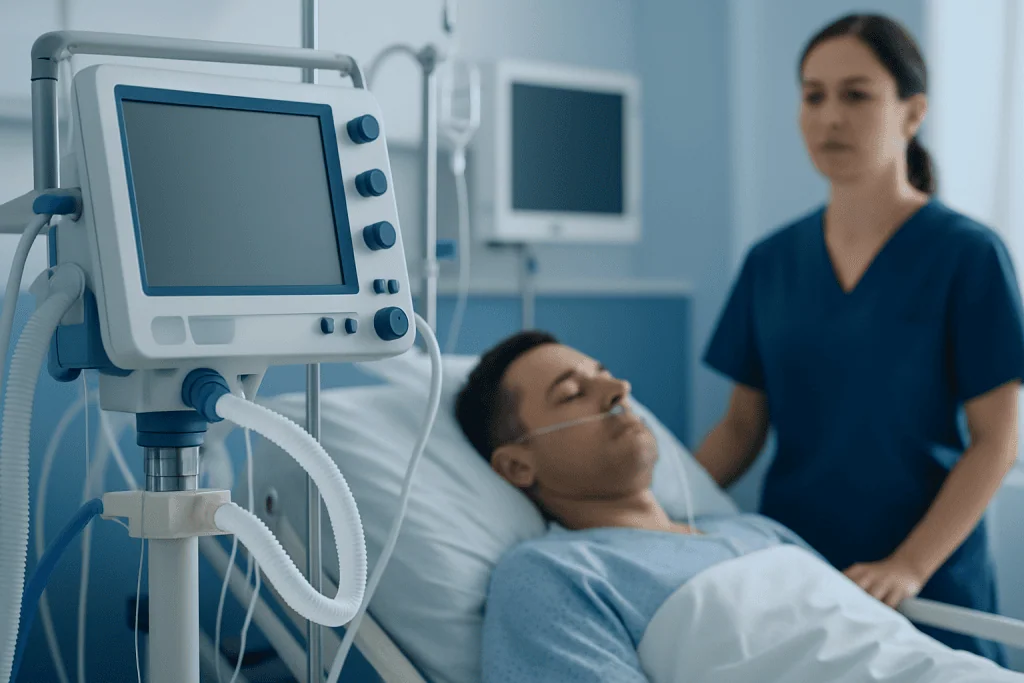
A person may be admitted to the ICU when they are seriously ill, have had a major operation, or need advanced support that cannot be safely provided elsewhere in the hospital. The decision is based on medical need rather than a single diagnosis. Doctors consider how stable the patient is, whether vital organs are under strain, and how likely sudden changes are in the next hours or days.
Common reasons for ICU admission include severe infections such as sepsis, breathing failure from serious lung disease, major trauma, stroke, heart attack, dangerous heart rhythm problems, uncontrolled bleeding, severe allergic reactions, or complications after surgery. Some people with chronic conditions may also require ICU care during a sudden worsening, such as advanced heart failure or pneumonia causing low oxygen levels.
ICU care may also be needed when doctors must watch a patient very closely after a complex procedure. For example, someone may need intensive monitoring after major surgery, while another patient may require machines to help the lungs or medicines to support blood pressure. In some cases, the ICU stay is short and preventive; in others, it is part of treatment for a more serious illness.
- Severe infection or sepsis
- Breathing problems or respiratory failure
- Heart attack, shock, or unstable blood pressure
- Stroke, seizures, or reduced consciousness
- Major surgery or serious injury
- Severe complications of chronic disease
What happens in the ICU

ICU care centers on close observation, rapid decision-making, and support for the body’s vital functions. Patients are checked frequently, often with continuous heart, oxygen, and blood pressure monitoring. Nurses usually care for fewer patients than on a regular ward, which allows more frequent assessments and quicker responses to changes.
Treatments in the ICU vary widely depending on the condition. Some patients need extra oxygen only, while others may need a ventilator to support breathing, intravenous medicines to raise blood pressure, fluids, blood products, antibiotics, or treatment to support kidney function. After complex operations, patients may remain in the ICU so the team can respond immediately if problems develop. If surgery is part of the treatment plan, care may connect naturally with general surgery or cardiovascular surgery services.
The ICU team often includes intensive care doctors, bedside nurses, respiratory therapists, pharmacists, physiotherapists, and specialists from cardiology, neurology, infectious diseases, surgery, and other fields. They review test results, examine the patient, adjust medicines, and decide when support can be reduced. As the patient becomes more stable, the team plans transfer to a step-down unit or general ward for ongoing recovery.
Common equipment and monitoring in intensive care
The ICU can seem unfamiliar because of the amount of equipment around the bed. However, these tools are there to protect the patient. Bedside monitors track heart rate, blood pressure, breathing rate, oxygen level, and sometimes temperature continuously. Alarms help staff react quickly if a reading changes outside a safe range.
Other equipment may include intravenous lines for fluids and medicines, urinary catheters to measure fluid output, feeding tubes for nutrition, and breathing support devices ranging from a simple oxygen mask to a mechanical ventilator. Some patients also need special monitoring of pressure inside blood vessels, temporary dialysis, or medication pumps that deliver treatment very precisely.
Doctors choose these devices based on the patient’s needs, and many are removed as soon as they are no longer necessary. Families often find it helpful to know that the presence of more equipment does not always mean a person is getting worse. Sometimes it reflects careful monitoring after surgery or during treatment for a condition that is expected to improve.
How doctors assess the cause and decide next steps
ICU care is not only about support; it is also about finding and treating the reason a person became critically unwell. Doctors begin with the patient’s symptoms, medical history, medicines, and a physical examination. They then use tests to understand which organ systems are affected and how severe the problem is.
Common investigations include blood tests, blood gas analysis, electrocardiography, chest X-ray, ultrasound, CT, MRI, cultures for infection, and sometimes echocardiography or bronchoscopy. If a patient has breathing problems, the team may work closely with chest diseases specialists. If imaging or other findings suggest a surgical problem, surgeons may be involved early to determine whether an urgent procedure is needed.
Next steps depend on the diagnosis and how the patient responds to treatment. Some people improve within hours and can leave the ICU quickly. Others need several days of organ support and a gradual reduction in treatment. Throughout this process, the team reassesses regularly, balances the benefits and burdens of interventions, and updates the care plan as the patient’s condition changes.
Recovery, family concerns, and what to expect after ICU
Recovery after ICU varies. Some patients return to normal activities relatively quickly, while others need time to rebuild strength, appetite, sleep patterns, and concentration. Recovery depends on the original illness, age, overall health, time spent in bed, and whether there were complications. Even after the immediate crisis has passed, the body and mind may need support.
Families often want to know what improvement looks like. Typical signs include more stable blood pressure, better oxygen levels, reduced need for medicines or machines, increased alertness, and the ability to move from intensive monitoring to a standard ward. Doctors may begin reducing sedation, testing how well the patient breathes without support, and starting rehabilitation early when possible.
It is also normal for patients and loved ones to feel stressed, tired, or confused by the ICU experience. Clear communication with the medical team can help. Before discharge from the ICU or hospital, families may be advised about medicines, follow-up appointments, physical rehabilitation, nutrition, and warning signs that should prompt urgent review. Acibadem International’s multidisciplinary specialists and JCI-accredited hospitals diagnose and treat critically ill patients and support international families through evaluation, intensive care, and recovery planning.
When to seek medical care
Most people do not need ICU care, and many serious conditions can be treated before they reach that stage. Still, urgent medical attention is important if a person develops trouble breathing, chest pain, bluish lips, severe confusion, fainting, a seizure, heavy bleeding, signs of stroke, very low urine output, or a sudden inability to stay awake. These symptoms can point to a medical emergency that may require rapid hospital assessment.
It is also important to seek prompt care for high fever with worsening weakness, severe dehydration, rapidly spreading infection, severe allergic reaction, or sudden deterioration after surgery or an existing illness. Early treatment can sometimes prevent ICU admission by addressing the problem before vital organs are affected. If there is concern that someone is becoming critically unwell, emergency services should be contacted without delay.
For patients already in the hospital, doctors may move them to the ICU if monitoring shows that their condition is becoming unstable. This decision is made to provide safer, more specialized care. A transfer to the ICU is not a failure of treatment; it is often the most appropriate next step when closer observation or advanced support is needed.
Frequently asked questions
Does being in the ICU mean a person is dying?
No. The ICU is a place for close monitoring and advanced treatment when someone needs more support than a regular hospital ward can provide. Many patients improve and leave the ICU once their condition becomes stable.
What is the difference between the ICU and a regular hospital room?
The ICU has more continuous monitoring, a higher level of nursing attention, and access to advanced treatments such as breathing support or blood pressure medicines. A regular room is for patients who are stable enough not to need that level of observation.
Can family members visit a patient in the ICU?
In many hospitals, yes, but visiting rules vary depending on the patient’s condition, infection precautions, and hospital policy. The care team can explain the safest and most appropriate way for loved ones to stay involved.
How long do people usually stay in the ICU?
The length of stay depends on the reason for admission and how quickly the person responds to treatment. Some patients stay less than a day after surgery, while others may need several days or longer for serious illness or organ support.
What kinds of doctors work in the ICU?
ICU care is usually led by critical care specialists and supported by nurses, respiratory therapists, pharmacists, and doctors from other specialties such as cardiology, neurology, infectious diseases, or surgery. This team approach helps address both the immediate problem and the underlying cause.
What happens after a patient leaves the ICU?
Most patients move to a step-down unit or regular ward once they no longer need intensive monitoring. Recovery may continue with rehabilitation, medicines, follow-up testing, and treatment of the condition that led to ICU admission.
References
- Society of Critical Care Medicine
- National Institutes of Health
- Centers for Disease Control and Prevention
- American Thoracic Society
- MedlinePlus
This article is for general information only and is not a substitute for professional medical advice. Please consult a qualified doctor about your individual situation.
Explore treatments in Turkey — costs, top hospitals & a free quote
JCI-accredited · board-certified surgeons · reply within 24h
Add us as a Preferred Source to see more of our trusted health content across Google Search, AI Overviews and Discover.
Check your numbers in seconds
BMI, calories, due date, blood pressure and 30+ more clinical calculators — free, instant, doctor-reviewed ranges.

More from the Health Library



Related Specialists

Dr. Fatih Kaya
General Surgery
Assoc. Prof. Dr. Nuri Peker
Gynecology & Obstetrics
Prof. Dr. Andaç Salman
Dermatology
Dr. Münir Ali Bilgehan
Urology