What Is Mash? A Doctor-Reviewed Answer

MASH stands for metabolic dysfunction-associated steatohepatitis, a more serious form of fatty liver disease. Many people have no symptoms, so MASH is often found after abnormal liver tests or imaging.
Key Takeaways
- MASH stands for metabolic dysfunction-associated steatohepatitis, a more serious form of fatty liver disease.
- Many people have no symptoms, so MASH is often found after abnormal liver tests or imaging.
- Risk factors include obesity, type 2 diabetes, high cholesterol, high triglycerides, and metabolic syndrome.
- Doctors diagnose MASH with a medical history, blood tests, liver imaging, and sometimes liver biopsy.
- Treatment focuses on weight loss, regular exercise, control of blood sugar and cholesterol, and monitoring for liver damage.
- Medical care is important if there are signs of liver scarring, jaundice, swelling, or persistent fatigue.
MASH is a liver condition in which fat builds up in the liver and is accompanied by inflammation and liver cell injury. It is often silent at first, but early diagnosis and treatment can help prevent scarring and support long-term liver health.
Overview: What Is MASH?
MASH stands for metabolic dysfunction-associated steatohepatitis. It is a liver disease in which extra fat builds up in the liver and is combined with inflammation and liver cell injury. In simple terms, it is a more active and potentially more harmful form of fatty liver disease.
Many people with early fatty liver changes feel well, and that can be reassuring. However, when fat buildup progresses to MASH, the liver may slowly develop scarring over time. This does not mean serious damage will happen in everyone, but it is why MASH deserves medical attention even when symptoms are mild or absent.
MASH is closely linked to metabolic health. It is more common in people with excess weight around the waist, type 2 diabetes, insulin resistance, high blood pressure, or abnormal cholesterol and triglyceride levels. Doctors may also discuss related conditions such as fatty liver disease when explaining where MASH fits on the spectrum.
The name MASH is newer than older terms many people may still hear. It replaces the term nonalcoholic steatohepatitis in many settings, reflecting that the condition is strongly related to metabolic dysfunction rather than alcohol use. A doctor can explain which term appears in test results and what it means for the individual patient.
Symptoms and Early Warning Signs
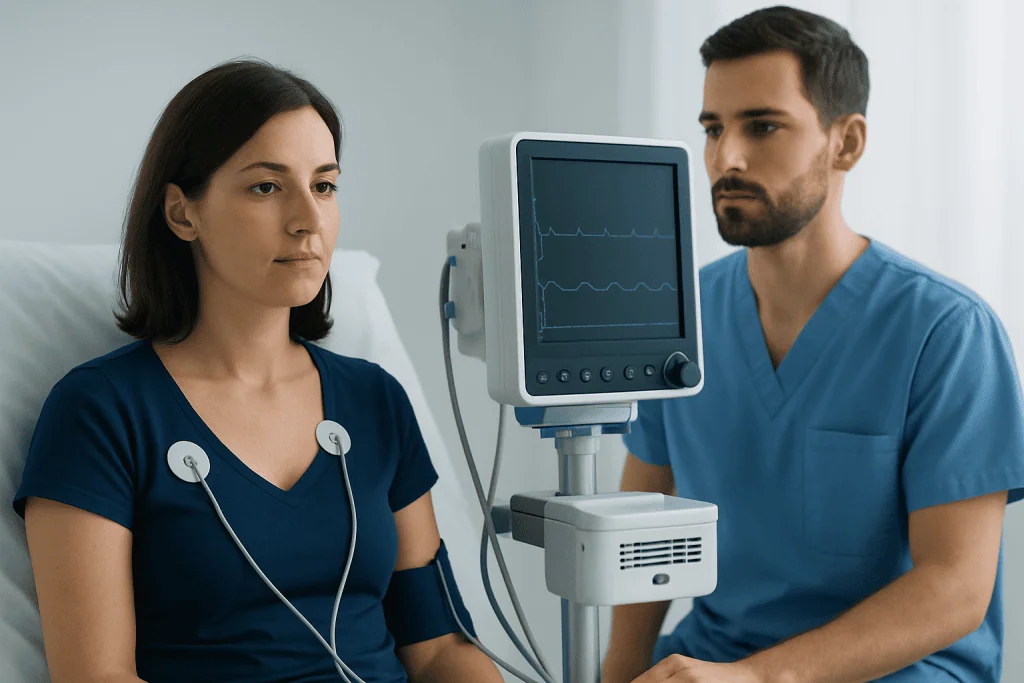
One reason people ask, “what is MASH?” is that it often causes no clear symptoms at first. Many people learn they may have liver inflammation after routine blood work shows elevated liver enzymes or an ultrasound finds fat in the liver. This can happen even when a person feels completely well.
When symptoms do occur, they are often vague and can be easy to overlook. A person may notice tiredness, reduced energy, a feeling of fullness or discomfort in the upper right abdomen, or general malaise. These symptoms are not specific to MASH, so they need medical interpretation in context.
As liver scarring becomes more advanced, more noticeable signs may appear. These can include swelling in the abdomen or legs, yellowing of the skin or eyes, easy bruising, persistent itching, or mental fogginess. These are not typical early features, but they are important warning signs that should prompt medical review.
- Often no symptoms in early stages
- Possible fatigue or low energy
- Upper right abdominal discomfort
- Abnormal liver blood tests found incidentally
- Later red flags may suggest advanced liver disease
What Causes MASH and Who Is at Risk?

MASH develops when liver fat is accompanied by inflammation and injury to liver cells. The exact process is complex, but it is strongly associated with insulin resistance and problems in the way the body handles fats and sugars. Over time, this metabolic stress can trigger ongoing liver damage and scarring.
The people at highest risk are those with metabolic syndrome or its components. This includes central obesity, type 2 diabetes, prediabetes, high blood pressure, low HDL cholesterol, and high triglycerides. A person does not need to have all of these factors to develop MASH, but the risk increases as these conditions cluster together.
Other contributors may include sleep apnea, polycystic ovary syndrome, sedentary lifestyle, and some genetic predispositions. MASH can also occur in people who are not obese, so body weight alone does not tell the whole story. A doctor may evaluate the broader picture of metabolic health rather than focusing on a single measurement.
Alcohol can also affect the liver, but MASH specifically refers to a metabolically driven process. Doctors usually ask about alcohol use, medicines, supplements, and viral hepatitis risk because several liver conditions can look similar at first. In some cases, they may also assess for related concerns such as liver cancer if advanced cirrhosis is suspected, although this is not part of routine early diagnosis.
How Doctors Diagnose MASH
The diagnosis usually starts with a careful medical history and physical examination. A doctor asks about symptoms, weight changes, diabetes, cholesterol, blood pressure, medications, alcohol intake, and family history. Because MASH can be silent, doctors often identify it while investigating abnormal liver enzymes or imaging done for another reason.
Blood tests are commonly used to look for liver inflammation and to rule out other causes of liver disease. These may include liver enzymes, bilirubin, clotting measures, blood sugar tests, cholesterol tests, and screening for viral or autoimmune liver conditions when appropriate. Blood tests alone cannot always confirm MASH, but they are an important first step.
Imaging tests can help show fat in the liver and estimate stiffness that may suggest fibrosis, or scarring. Ultrasound is often used first, while elastography and advanced MRI-based techniques can provide more detail about fat and fibrosis. In some situations, a doctor may recommend MRI scanning or ultrasound as part of the assessment.
A liver biopsy is sometimes needed when the diagnosis is uncertain or when knowing the degree of inflammation and scarring will change treatment decisions. Not everyone needs a biopsy. Doctors increasingly use a stepwise approach that combines blood-based fibrosis scores and imaging to identify who is most likely to benefit from specialist evaluation.
Treatment Options for MASH
The main goals of treatment are to reduce liver fat, calm inflammation, prevent progression to fibrosis or cirrhosis, and address the metabolic conditions driving the disease. For many people, treatment starts with sustainable lifestyle changes rather than a single medicine. Even modest weight reduction can improve liver health.
Regular physical activity, a balanced eating pattern, and gradual weight loss are the foundation of care. Doctors often recommend reducing highly processed foods, sugary drinks, and excess saturated fat while emphasizing vegetables, whole grains, lean protein, and healthy fats. The best plan is usually one that can be maintained long term.
Managing associated conditions is equally important. Good control of type 2 diabetes, cholesterol, triglycerides, and blood pressure can reduce overall risk and may improve liver outcomes. Some people may need medication prescribed by their doctor, and in selected cases people with severe obesity may be evaluated for bariatric surgery as part of broader metabolic treatment.
If advanced scarring or cirrhosis develops, care may include monitoring for complications and regular follow-up with a liver specialist. In rare, severe cases of end-stage liver failure, transplantation can be discussed, including referral for liver transplant evaluation when appropriate. Treatment decisions are individualized, so follow-up with a qualified doctor is important.
Prevention and Self-Care
Preventing MASH focuses on protecting metabolic health. Reaching and maintaining a healthy weight, staying physically active, and having routine checks for blood sugar, blood pressure, and cholesterol can lower risk. Prevention is especially important for people with diabetes or a family history of fatty liver disease.
Nutrition changes do not need to be extreme to be helpful. Eating regular meals, limiting sugary beverages, reducing portion sizes when needed, and choosing minimally processed foods are practical steps. Some people find that structured support from a physician or dietitian makes long-term changes easier to sustain.
Self-care also includes avoiding unnecessary strain on the liver. A person should ask a clinician before using supplements or herbal products marketed for “liver cleansing,” because some can worsen liver injury. Alcohol intake should be discussed honestly with a doctor, since even when MASH is metabolically driven, alcohol may add extra stress to the liver.
Ongoing monitoring matters because MASH can change over time. Follow-up blood tests or imaging may be recommended to track liver health and fibrosis risk. Near the end of the care pathway, some international patients choose assessment at centers such as Acibadem International, where multidisciplinary specialists in JCI-accredited hospitals diagnose and treat liver and metabolic conditions.
When to Seek Medical Care
It is reasonable to seek medical advice if routine blood tests show abnormal liver enzymes, imaging reveals fatty liver, or there is persistent fatigue or upper abdominal discomfort. These findings do not always mean MASH is present, but they do justify evaluation. Early review can help identify whether simple steatosis, MASH, or another liver condition is involved.
Prompt medical attention is especially important if symptoms suggest more advanced liver disease. Warning signs include yellowing of the eyes or skin, swelling of the legs or abdomen, easy bruising or bleeding, confusion, severe weakness, or unexplained weight loss. These symptoms need assessment by a qualified clinician without delay.
People with type 2 diabetes, obesity, high triglycerides, or metabolic syndrome may benefit from asking a doctor whether liver screening is appropriate, even if they feel well. A clinician can decide whether blood tests, fibrosis scoring, or imaging are needed. The aim is not to cause alarm, but to detect liver injury early enough for treatment to be more effective.
Frequently asked questions
What is MASH in simple terms?
MASH is a liver disease in which fat builds up in the liver and causes inflammation and injury to liver cells. It is considered a more serious form of fatty liver disease because it can lead to scarring over time.
Is MASH the same as fatty liver?
Not exactly. Fatty liver is a broader term that means excess fat is present in the liver, while MASH means that fat is also causing inflammation and cell damage. Not everyone with fatty liver has MASH.
Can MASH cause symptoms?
Yes, but many people have no symptoms early on. When symptoms do happen, they may include fatigue, low energy, or discomfort in the upper right side of the abdomen.
How is MASH diagnosed?
Doctors usually combine a medical history, physical exam, blood tests, and liver imaging. In some cases, a liver biopsy is needed to confirm inflammation and measure how much scarring is present.
Can MASH be reversed?
In many people, liver fat and inflammation can improve with weight loss, exercise, and careful management of diabetes and cholesterol. The amount of improvement depends on how advanced the disease is and whether significant scarring has already developed.
Who is most likely to develop MASH?
People with obesity, type 2 diabetes, insulin resistance, high blood pressure, or abnormal cholesterol and triglycerides are at higher risk. It can also occur in people without obesity, so risk assessment should be individualized.
References
- American Association for the Study of Liver Diseases
- National Institute of Diabetes and Digestive and Kidney Diseases
- European Association for the Study of the Liver
- American Liver Foundation
- World Health Organization
This article is for general information only and is not a substitute for professional medical advice. Please consult a qualified doctor about your individual situation.
Explore treatments in Turkey — costs, top hospitals & a free quote
JCI-accredited · board-certified surgeons · reply within 24h
Add us as a Preferred Source to see more of our trusted health content across Google Search, AI Overviews and Discover.
Check your numbers in seconds
BMI, calories, due date, blood pressure and 30+ more clinical calculators — free, instant, doctor-reviewed ranges.

More from the Health Library



Related Specialists

Prof. Dr. Ahmet Onur Odabaşı
Ear Nose & Throat
Prof. Dr. Mustafa Seyhan
Orthopedic Surgery & Traumatology
Prof. Dr. Orhan Çınar
Emergency Service
Asst. Prof. Dr. Ceren Meriç Özgündüz
Psychiatry