What Is Nails Made Out of? Causes, Explanations, and Next Steps

Nails are made primarily of keratin, a tough protective protein. The visible nail plate is produced by cells in the nail matrix under the skin.
Key Takeaways
- Nails are made primarily of keratin, a tough protective protein.
- The visible nail plate is produced by cells in the nail matrix under the skin.
- Many nail changes are harmless, especially after trauma, frequent wet work, or aging.
- Color, thickness, pitting, or separation from the nail bed can sometimes signal infection or skin disease.
- A doctor may examine the nails, review medical history, and sometimes order tests such as fungal studies or blood work.
- Medical review is important for painful, rapidly changing, bleeding, darkly pigmented, or infected nails.
Nails are mostly made of keratin, a strong protein also found in hair and the outer layer of skin. Most nail changes are harmless and related to dryness, aging, or minor trauma, but some patterns can point to infection, skin disease, nutrient deficiency, or an underlying medical condition.
Overview: what nails are made of
What is nails made out of? Human nails are made mostly of keratin, a hard, fibrous protein. Keratin helps form a protective covering over the tips of the fingers and toes, making it easier to grasp small objects, scratch, and shield the sensitive tissue underneath.
The part most people call the nail is the nail plate. It looks solid, but it is actually built from tightly packed layers of dead keratin-filled cells. These cells are produced in the nail matrix, the growth area hidden under the skin at the base of the nail. As new cells form, older cells are pushed forward and harden into the visible nail.
Nails also include the nail bed beneath the plate, the cuticle that helps seal and protect the base of the nail, and the surrounding nail folds. Although nails themselves are not living tissue, the structures that create and support them are alive and can be affected by health conditions, injury, and inflammation.
How nails grow and why they look the way they do
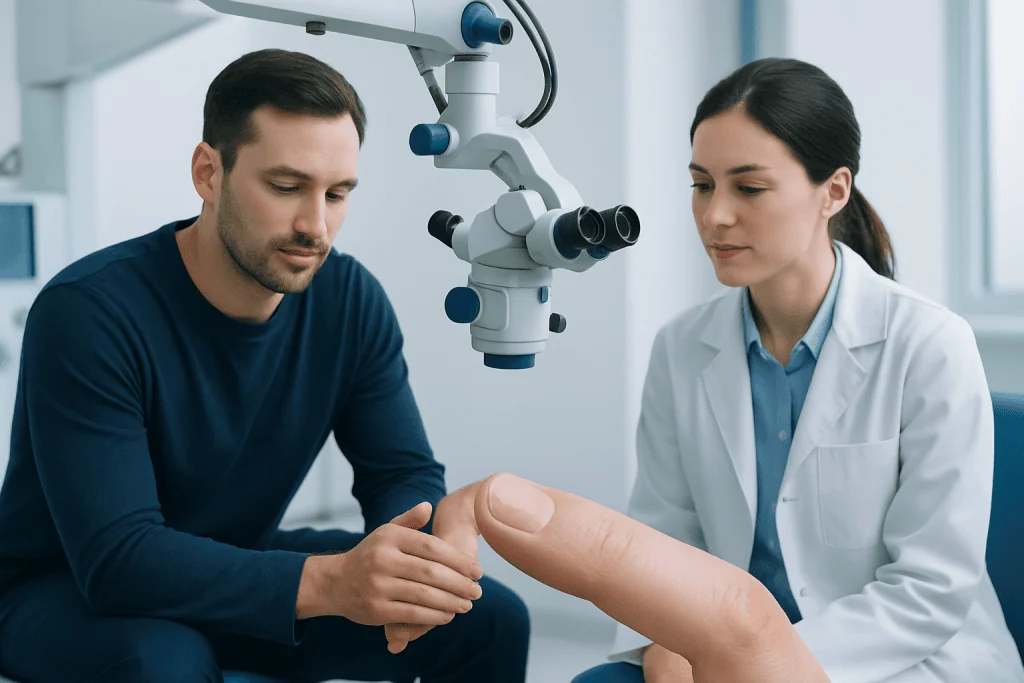
Nail growth begins in the matrix. New cells made there gradually flatten, fill with keratin, lose their nuclei, and become part of the nail plate. This process is what makes nails firm rather than soft like skin. Fingernails usually grow faster than toenails, and growth may slow with age, poor circulation, illness, or nutritional problems.
The healthy nail plate is usually smooth, slightly curved, and translucent. Its pink appearance mostly comes from blood vessels in the nail bed beneath it. A pale half-moon shape near the base, called the lunula, may be easier to see on some nails than others and is usually a normal variation.
Thickness, strength, and shine depend on genetics, age, hydration, repeated handwashing, chemical exposure, and minor trauma. Nails can become brittle or split if they dry out often. They can also show temporary lines or ridges after stress to the body, such as fever or physical illness, because nail growth records events over time.
- Keratin: provides hardness and protection
- Matrix: produces the nail plate
- Nail bed: supports the plate and contributes color
- Cuticle and folds: help protect against germs and irritation
Common harmless reasons nails change

Most nail changes are not dangerous. Everyday causes include frequent exposure to water, detergents, nail cosmetics, and repetitive minor injury from typing, sports, or tight shoes. These can lead to peeling, splitting, ridges, white marks, or temporary tenderness.
Aging is another common reason nails change. Over time, nails may become more brittle, thicker, duller, or more ridged. This does not always mean there is a disease. Seasonal dryness, repeated hand sanitizer use, and removing cuticles can also weaken the nail surface and surrounding skin.
Small white spots usually come from minor trauma to the matrix rather than a calcium deficiency. Horizontal grooves may appear weeks after a significant physical stressor. Toenails often thicken because of pressure and friction. Even when changes are harmless, gentle nail care can improve comfort and appearance.
However, not every nail problem is cosmetic. If changes are persistent, painful, spreading, or associated with skin rash, swelling, or discharge, a medical assessment can help rule out infection, inflammation, or an underlying disorder.
When nail changes may signal a medical issue
Nails can sometimes reflect skin disorders, infections, circulation problems, or systemic illness. For example, fungal infection may cause thickening, yellowing, brittleness, and debris under the nail. This can overlap with nail fungus, which is a common reason nails become distorted or crumbly, especially in the toes.
Inflammatory skin conditions can also affect the nails. Pitting, separation of the nail from the nail bed, or rough, irregular surfaces may be seen with psoriasis. Eczema, chronic dermatitis, and inflammation around the nail fold may change how nails grow as well.
Some nail findings prompt closer evaluation because they are less likely to be harmless. These include a new dark streak, persistent nail lifting, a very painful ingrown edge, recurrent infection, clubbing of the fingertips, marked spoon-shaped nails, or sudden widespread nail changes after illness. Rarely, nail abnormalities can be linked to anemia, thyroid disease, autoimmune conditions, liver disease, kidney disease, or other internal problems.
Nails should be viewed as one clue, not a diagnosis by themselves. A doctor considers the whole picture, including symptoms, skin changes, medications, lifestyle, and medical history, before deciding whether a nail finding is simply a local issue or a sign of something broader.
Red flags and when to seek medical care
Many nail concerns can be watched at home at first, especially if they follow obvious trauma or dryness. Still, certain symptoms deserve prompt medical attention. Pain, swelling, pus, bleeding, worsening redness, or fever may suggest infection or significant inflammation around the nail.
Medical review is also important for a dark brown or black streak that is new, enlarging, irregular, or spreading onto the surrounding skin; a nail that becomes loose without clear injury; or a persistent sore under or around the nail. Rapid change in one nail is often more concerning than slow change in several nails.
People with diabetes, poor circulation, immune suppression, or repeated ingrown toenails should not ignore nail problems. Early treatment may reduce discomfort and help prevent complications. A clinician may coordinate care with dermatology care if the pattern suggests a skin or nail disorder, or with endocrinology evaluation when hormone or metabolic conditions may be contributing.
How doctors evaluate nail problems
Assessment usually starts with a careful history and examination. The doctor may ask when the change began, whether it affects fingernails or toenails, what nail products are used, whether there has been trauma, and whether there are symptoms such as itching, rash, joint pain, fatigue, or circulation problems.
During the exam, the clinician looks at color, thickness, shape, attachment to the nail bed, surrounding skin, and signs of infection or inflammation. Because nails grow slowly, they can provide a timeline: a mark near the tip is older than one near the base. Examination of the skin, scalp, and joints may also help if psoriasis, eczema, or autoimmune disease is suspected.
Tests are not needed for every nail change. When infection is possible, the doctor may take nail clippings or scrapings for fungal testing. If an underlying medical condition is suspected, blood tests may be used to check for anemia, thyroid disease, nutrient issues, inflammation, or glucose problems. Imaging or biopsy is reserved for selected cases, such as a suspicious pigmented band or a growth under the nail.
This stepwise approach helps avoid unnecessary treatment. Since nail appearance alone can be misleading, confirmation is especially useful before starting long courses of antifungal therapy or more advanced care through check-up and diagnostic services.
Treatment, self-care, and prevention
Treatment depends on the cause rather than the appearance alone. Dry, brittle nails often improve with reducing wet work, wearing gloves for cleaning, avoiding harsh removers, and applying moisturizer to the nails and cuticles after washing. Trimming nails straight across and not cutting cuticles can lower the risk of irritation and infection.
If a fungal infection is confirmed, treatment may include topical or oral antifungal medicine, depending on how many nails are involved and how severe the changes are. Inflammatory causes such as psoriasis or eczema may be treated with medicines aimed at the skin and nail unit. Painful ingrown nails, chronic inflammation, or nail deformities may need procedural treatment from a specialist.
General habits that support nail health include a balanced diet, avoiding smoking, managing chronic conditions, and protecting the hands and feet from repeated trauma. Nail supplements are not routinely needed for everyone, and claims about “nail detox” or miracle hardeners are often not evidence-based. It is best to discuss persistent brittleness or thinning with a qualified clinician before starting supplements.
For international patients seeking assessment of persistent nail or skin symptoms, Acibadem International offers multidisciplinary evaluation in JCI-accredited hospitals. When a nail problem appears linked to broader skin disease or chronic inflammation, coordinated care may include specialist dermatology assessment and, if needed, support from other medical teams.
Frequently asked questions
Are nails made of bone or calcium?
No. Nails are not made of bone. They are made mostly of keratin, a tough protein, although minerals and overall nutrition can still influence how healthy nails look and feel.
Why do nails look pink if they are made of dead cells?
The nail plate itself is made of dead, hardened cells and is partly transparent. The pink color usually comes from the blood vessels in the living nail bed underneath.
Can nail changes mean a vitamin deficiency?
Sometimes, but not always. Brittle, spoon-shaped, or slow-growing nails can be associated with nutrient deficiencies such as iron deficiency, yet dryness, aging, trauma, and cosmetics are much more common explanations. A doctor can help decide whether testing is appropriate.
Do white spots on nails mean low calcium?
Usually not. Small white spots are most often caused by minor injury to the nail matrix. They typically grow out with the nail over time.
How can a person keep nails healthy?
Helpful steps include keeping nails clean and dry, moisturizing after washing, avoiding harsh chemicals, not picking at cuticles, and wearing well-fitting shoes. Repeated trauma and frequent wet work are common causes of brittle or damaged nails.
When should a dark line in a nail be checked?
A new or changing dark streak, especially one that is irregular, widening, or extending onto the nearby skin, should be evaluated by a doctor. While many causes are benign, this pattern needs professional assessment to rule out serious conditions.
This article is for general information only and is not a substitute for professional medical advice. Please consult a qualified doctor about your individual situation.
Hair transplant in Turkey — costs, graft counts & a free assessment
JCI-accredited · board-certified surgeons · reply within 24h
Add us as a Preferred Source to see more of our trusted health content across Google Search, AI Overviews and Discover.

Dermatology Specialists at Acibadem





More from the Health Library

Numbing on Face: Common Causes, Related Conditions, and When to See a Doctor

Is Berberine Bad for Kidneys? Causes, Explanations, and Next Steps

Hypertension Symptoms Explained: Common Triggers and Red Flags

Knuckle Pain Explained: Common Triggers and Red Flags

How to Unclog Ears? Here Is What the Evidence Says