What Is Neuropsychology and When Is It Helpful?
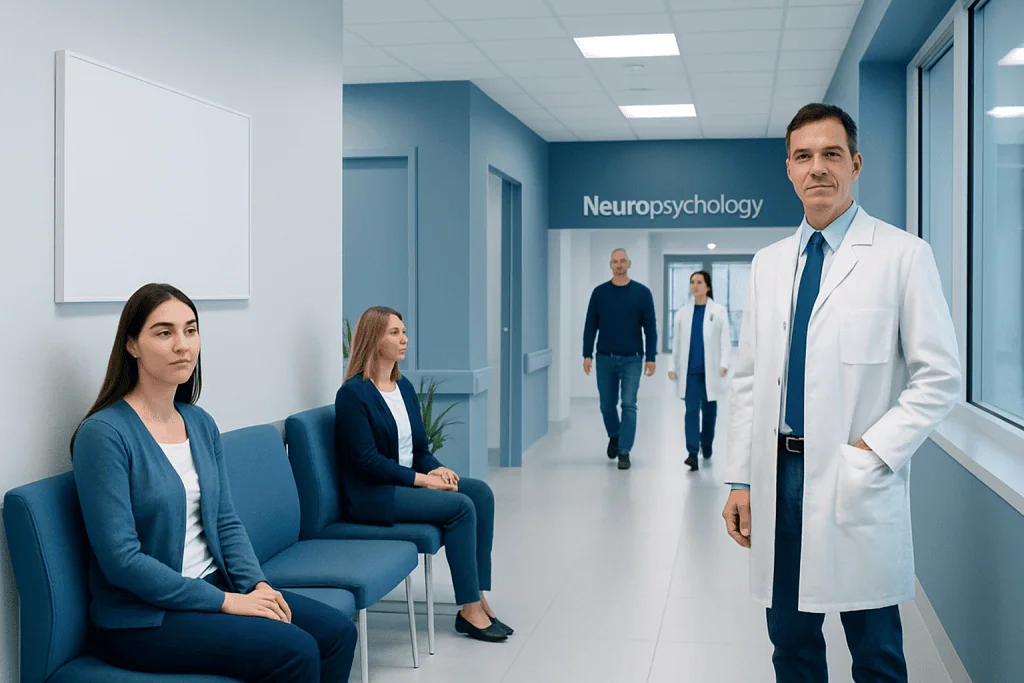
Neuropsychology studies the relationship between brain function, thinking, emotions, and behavior. A neuropsychological assessment can help explain memory, attention, language, and problem-solving difficulties.
Key Takeaways
- Neuropsychology studies the relationship between brain function, thinking, emotions, and behavior.
- A neuropsychological assessment can help explain memory, attention, language, and problem-solving difficulties.
- Testing is useful in many conditions, including stroke, epilepsy, brain injury, dementia, learning disorders, and some mental health concerns.
- Results can support diagnosis, treatment planning, school or workplace accommodations, and rehabilitation.
- Neuropsychological testing is noninvasive and usually involves interviews, paper-and-pencil tasks, and computer-based activities.
- People should seek medical advice if changes in memory, concentration, language, or behavior begin affecting daily life.
Neuropsychology is a medical specialty that looks at how the brain influences thinking, memory, attention, emotions, and behavior. It is often helpful when a person has changes in cognitive function or daily abilities and needs a clearer explanation and care plan.
Overview
Neuropsychology is a branch of clinical science that examines how the brain affects thinking, learning, memory, attention, language, emotions, and behavior. It helps doctors understand how changes in brain function may appear in everyday life, such as difficulty following conversations, managing tasks, remembering appointments, or controlling emotions. Rather than looking only at a scan or a lab result, neuropsychology focuses on how a person is functioning in real life.
A neuropsychologist is a specialist trained to assess cognitive and behavioral changes. This professional uses structured interviews and standardized tests to understand strengths and weaknesses in different areas of brain function. The goal is not simply to label a problem, but to build a practical picture that can guide diagnosis, treatment, rehabilitation, and support at home, school, or work.
Neuropsychology can be helpful for children, adults, and older adults. It is commonly used when there are concerns about memory loss, attention problems, slower thinking, language difficulty, learning challenges, personality change, or reduced independence after a neurological illness or injury. It may also help clarify whether symptoms are more likely related to a brain condition, emotional stress, sleep problems, medication effects, or a combination of factors.
When Neuropsychology Is Helpful
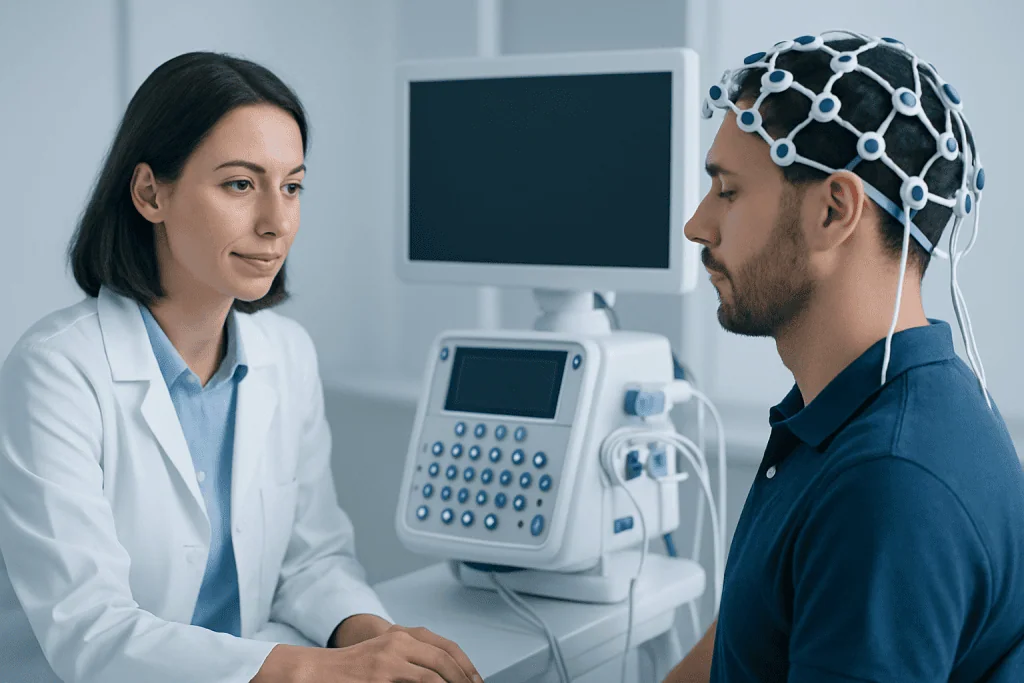
Neuropsychology is helpful when there is a change in cognitive function that is difficult to explain or measure through routine conversation alone. Many people know that “something feels different,” but it may be hard to describe exactly what has changed. Formal testing can identify patterns that suggest problems with memory, attention, processing speed, visual skills, language, planning, or self-control.
Doctors may recommend neuropsychological assessment after a stroke, traumatic brain injury, brain infection, epilepsy, brain surgery, or exposure to conditions that affect the nervous system. It is also frequently used when evaluating possible dementia, mild cognitive impairment, developmental disorders, learning difficulties, or concentration problems. In some cases, it helps distinguish normal aging from a more significant decline.
Testing can also be useful in mental health care. Depression, anxiety, chronic stress, sleep disorders, and some medications can affect concentration and memory. Neuropsychology does not replace psychiatric or neurological care, but it can add detail and help explain how symptoms affect daily functioning. This can support a more tailored treatment plan.
In practical terms, neuropsychology often helps answer questions such as:
- Is memory loss more than expected for age?
- Has a concussion affected school or work performance?
- Are attention problems linked to ADHD, anxiety, sleep loss, or another cause?
- What kind of rehabilitation or accommodation would be most useful?
- Is a person safe to return to driving, work, or independent living?
What a Neuropsychological Assessment Involves

A neuropsychological assessment usually begins with a detailed interview. The neuropsychologist asks about current symptoms, medical history, medications, education, work, sleep, mood, and daily functioning. Family members or caregivers may also be asked for information, especially if memory or insight is affected. This background is important because test results are interpreted in the context of the whole person.
The next step is formal testing. Depending on the reason for referral, tests may measure attention, concentration, learning, memory, language, problem-solving, visual-spatial skills, processing speed, mood, and executive function. Some tasks involve speaking, listening, reading, writing, drawing, or remembering information. Others may be completed on paper or on a computer. The process is noninvasive, but it does require focus and can take several hours.
Assessment results are compared with what is expected for a person of a similar age and educational background. Neuropsychologists look for patterns rather than judging one score in isolation. A person may perform well in some areas and have clear difficulty in others. That pattern can help point toward specific neurological or psychological explanations.
After testing, the specialist prepares a report and discusses the findings. This often includes a summary of strengths, areas of concern, likely causes, and practical recommendations. These recommendations may support medical treatment, rehabilitation planning, school accommodations, psychological support, work adjustments, or follow-up with another specialist.
Symptoms and Concerns That May Prompt Testing
Many different symptoms can lead to a neuropsychology referral. Memory complaints are among the most common, but they are not the only reason. A person may have trouble staying focused, finding the right words, organizing tasks, making decisions, understanding information, or controlling impulses. Children may struggle with learning, reading, behavior regulation, or developmental milestones.
Behavioral and emotional changes can also be important clues. Family members may notice increased irritability, apathy, poor judgment, mood swings, reduced social awareness, or changes in personality. These symptoms do not always mean a serious brain disorder, but they deserve attention when they are new, persistent, or disruptive.
Physical conditions that affect the brain may lead to these concerns. Examples include concussion, stroke, seizures, multiple sclerosis, Parkinson’s disease, infections, autoimmune disorders, or neurodegenerative conditions. Neuropsychology can help describe how much these conditions are affecting everyday function and what support may be helpful.
A referral may be especially useful if symptoms are affecting school performance, work duties, relationships, driving, medication management, or independent living. Early evaluation can provide clarity and help families and care teams make informed decisions.
How Results Help With Diagnosis and Care
Neuropsychological findings are often used together with neurological examination, brain imaging, blood tests, and other medical information. In some cases, test results support a diagnosis by showing a pattern that fits a known condition. In others, they help rule out certain possibilities or show that symptoms may be related to mood, sleep, pain, fatigue, or medication effects rather than a progressive neurological disease.
These results are also valuable for treatment planning. A clear understanding of cognitive strengths and weaknesses can guide therapy choices and realistic goals. For example, a person with strong verbal skills but weak visual memory may benefit from spoken reminders and structured note-taking. Someone with slowed processing speed may need extra time for school or work tasks.
Neuropsychology is also widely used in rehabilitation. After a brain injury or neurological illness, recovery may involve occupational therapy, speech and language therapy, physical therapy, psychological support, and specialist medical care. Assessment helps target the most affected abilities and track improvement over time. When appropriate, doctors may combine this with neurological rehabilitation or other supportive therapies.
In older adults, neuropsychological testing can help monitor change over time. This is particularly useful when doctors are evaluating mild cognitive impairment or suspected dementia. Repeating certain tests later may show whether symptoms are stable, improving, or progressing, which can help with planning and follow-up.
Conditions Commonly Evaluated in Neuropsychology
Neuropsychology can support care across a wide range of neurological and developmental conditions. In adults, common reasons for referral include traumatic brain injury, concussion, epilepsy, stroke, brain tumors, neurodegenerative disorders, sleep-related cognitive complaints, and attention or memory difficulties. In children and adolescents, referrals may involve ADHD, autism spectrum disorder, learning disorders, developmental delays, or the cognitive effects of medical treatment.
It can also be useful before and after certain neurological treatments. For example, doctors may request baseline cognitive testing before epilepsy surgery or brain tumor treatment and repeat testing later to measure change. This can help care teams balance symptom control with quality of life and daily functioning.
Some people are referred because a diagnosis is uncertain. For instance, memory problems may raise concern for Alzheimer’s disease, but the actual cause might be depression, poor sleep, anxiety, medication effects, or another medical issue. Similarly, attention and executive function problems may resemble ADHD but stem from stress, concussion, or another neurological condition. Neuropsychology helps sort through these overlapping possibilities.
When needed, testing may be combined with other evaluations such as brain MRI or specialist neurology review. This team approach can provide a fuller understanding of both brain structure and day-to-day function.
Preparing for Testing and What to Expect Afterward
Good preparation can make neuropsychological testing more accurate and comfortable. People are usually advised to sleep as well as possible the night before, eat regular meals, bring glasses or hearing aids if needed, and take medications as instructed by their doctor unless told otherwise. It is also helpful to bring a list of medications, past medical records if available, and examples of the concerns that prompted the referral.
During testing, short breaks are often provided. The process is designed to measure true ability, not to “pass” or “fail.” Some tasks may feel easy and others difficult, which is normal. Neuropsychologists use this range of performance to understand how different brain systems are working.
After the assessment, the person usually receives feedback and recommendations in clear language. These may include medical follow-up, counseling, sleep evaluation, academic support, cognitive strategies, family education, or rehabilitation exercises. Recommendations are individualized because the same diagnosis can affect people in very different ways.
For international patients who need coordinated neurological evaluation, Acibadem International’s multidisciplinary specialists and JCI-accredited hospitals provide diagnosis and treatment planning for complex cognitive and neurological concerns. The most important next step is to discuss symptoms with a qualified doctor, who can decide whether neuropsychological assessment is appropriate.
When to See a Doctor
A medical review is appropriate when changes in memory, concentration, language, behavior, or problem-solving persist or begin to affect daily life. This is especially important if symptoms are getting worse, interfering with school or work, causing safety concerns, or appearing after a head injury, stroke, seizure, or serious illness.
Urgent medical attention is needed for sudden confusion, new weakness, trouble speaking, severe headache, seizure, loss of consciousness, or abrupt personality change. These symptoms may signal a neurological emergency and should not wait for routine testing.
Even when symptoms are mild, early assessment can be helpful. It may reassure a person that changes are related to stress, sleep, or another treatable factor, or it may identify a problem at a stage when support can begin sooner. A doctor can determine whether referral to a neurologist, psychiatrist, psychologist, or neuropsychologist is the best next step.
Frequently asked questions
What is the difference between neuropsychology and psychology?
Psychology is a broad field that studies behavior, emotions, and mental processes. Neuropsychology is a specialized area that focuses on how brain function affects thinking, behavior, and daily abilities, often using standardized cognitive testing.
Does neuropsychological testing diagnose dementia?
Neuropsychological testing can strongly support the evaluation of dementia by showing patterns of cognitive strengths and weaknesses. However, diagnosis is usually based on the full clinical picture, including medical history, examination, and sometimes imaging or laboratory tests.
How long does a neuropsychological assessment take?
The length varies depending on the reason for referral and the number of tests needed. Some assessments last a couple of hours, while more detailed evaluations may take most of a day with breaks.
Is neuropsychological testing only for older adults?
No. Neuropsychology can be helpful at any age, including for children with learning or developmental concerns, adults recovering from brain injury, and older adults with memory changes.
Can anxiety or depression affect test results?
Yes. Mood disorders, stress, poor sleep, fatigue, and pain can affect concentration, memory, and processing speed. That is why neuropsychologists interpret results in the context of medical and emotional health rather than looking at scores alone.
Do people need brain imaging before seeing a neuropsychologist?
Not always. Neuropsychological assessment can be useful with or without prior imaging, depending on the clinical question. If needed, the treating doctor may recommend MRI, CT, or other tests as part of the broader evaluation.
References
- World Health Organization
- National Institute of Neurological Disorders and Stroke
- American Psychological Association
- National Institute on Aging
This article is for general information only and is not a substitute for professional medical advice. Please consult a qualified doctor about your individual situation.
Neuropsychology in Turkey — costs, top hospitals & a free quote
JCI-accredited · board-certified surgeons · reply within 24h
Add us as a Preferred Source to see more of our trusted health content across Google Search, AI Overviews and Discover.

More from the Health Library



Related Specialists

Prof. Dr. Gökhan Aydemir
Pediatrics
Prof. Dr. Şükrü Yazar
Aesthetic Plastic & Reconstructive Surgery
Assoc. Prof. Dr. Mehmet Altiparmak
Aesthetic Plastic & Reconstructive Surgery
Assoc. Prof. Dr. Tekin Kerem Ülkü
Orthopedic Surgery & Traumatology