What Is Orthopedics? Understanding Bone, Joint, and Muscle Care

Orthopedics treats the musculoskeletal system, including bones, joints, muscles, tendons, ligaments, and the spine. Orthopedic specialists care for both sudden injuries and long-term conditions such as arthritis, back problems, and sports injuries.
Key Takeaways
- Orthopedics treats the musculoskeletal system, including bones, joints, muscles, tendons, ligaments, and the spine.
- Orthopedic specialists care for both sudden injuries and long-term conditions such as arthritis, back problems, and sports injuries.
- Treatment often begins with non-surgical options like physical therapy, exercise, medication, and supportive devices.
- Imaging tests and physical examination are central to diagnosis, and surgery is usually considered when conservative care is not enough.
- Early evaluation can help reduce pain, restore movement, and prevent complications.
Orthopedics is the area of medicine focused on the bones, joints, muscles, tendons, ligaments, and spine. It helps people of all ages manage injuries, chronic pain, movement problems, and degenerative conditions through diagnosis, rehabilitation, medication, and when needed, surgery.
Overview: what orthopedics means
Orthopedics is the medical specialty that focuses on the musculoskeletal system. This includes the bones, joints, muscles, tendons, ligaments, cartilage, and spine that support the body and make movement possible. Orthopedic care helps people maintain mobility, reduce pain, recover from injury, and improve daily function.
Orthopedic doctors, often called orthopedic specialists or orthopedic surgeons, diagnose and treat a wide range of conditions. Some patients need help after a fracture, sports injury, or fall. Others seek care for ongoing problems such as joint stiffness, back pain, tendon injuries, or age-related wear and tear. Treatment is not always surgical; in fact, many orthopedic problems improve with exercise programs, medication, bracing, or rehabilitation.
Orthopedics often overlaps with other fields, including sports medicine, physical medicine and rehabilitation, rheumatology, neurology, and pain management. Because movement depends on many body structures working together, care may involve a team approach. The goal is usually the same: to help the person move more comfortably, safely, and confidently.
What parts of the body and conditions are treated in orthopedics?
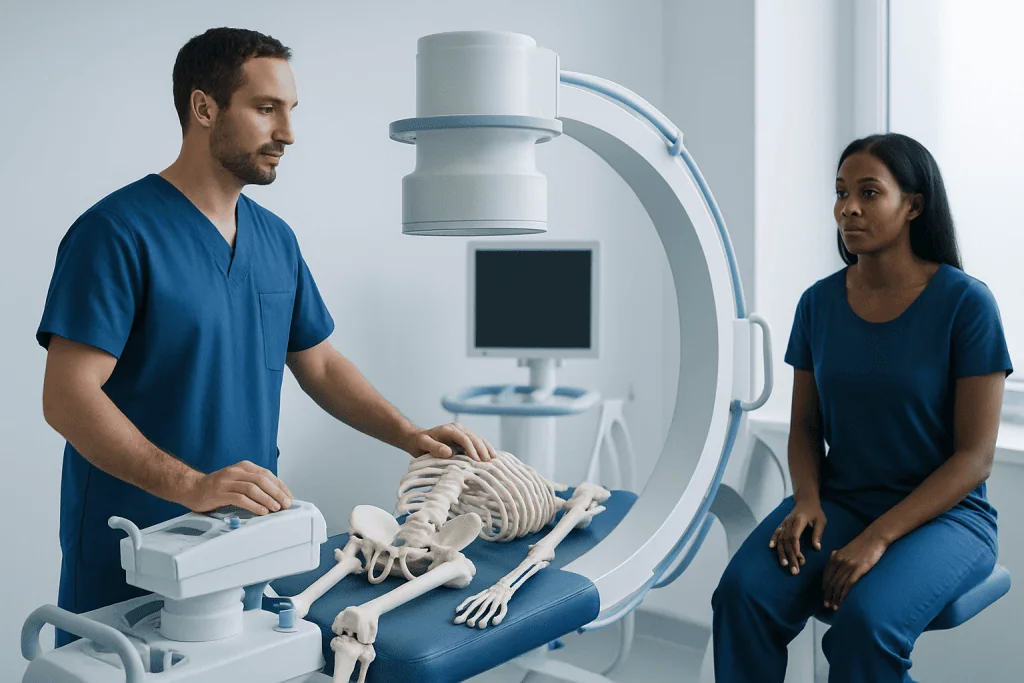
Orthopedics covers nearly every part of the musculoskeletal system. Specialists may treat the shoulder, elbow, wrist, hand, hip, knee, ankle, foot, and spine, as well as muscles and soft tissues throughout the body. Pediatric orthopedics focuses on growing bones and developmental issues in children, while some surgeons concentrate on sports injuries, hand surgery, trauma, or joint replacement.
Common orthopedic conditions include fractures, sprains, ligament tears, tendon injuries, dislocations, cartilage damage, and overuse injuries. Orthopedics also manages chronic disorders such as osteoarthritis, spinal disc problems, deformities, and osteoporosis-related fractures. Examples include osteoarthritis, scoliosis, and a herniated disc when these affect comfort, alignment, and function.
Not every ache or pain means a serious orthopedic disease. Temporary soreness after exercise, mild strains, or stiffness from inactivity may improve with rest and self-care. However, persistent symptoms, repeated injuries, or difficulty using a limb or joint may be signs that professional evaluation is needed.
Symptoms that may need orthopedic evaluation
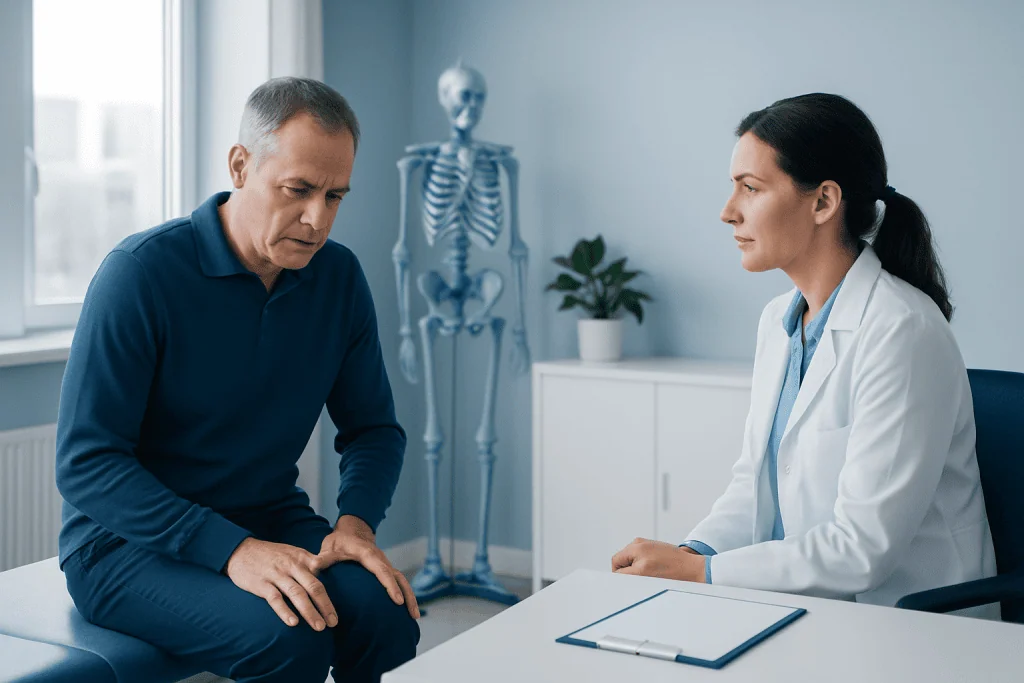
People often visit an orthopedic specialist because of pain, swelling, stiffness, weakness, or limited movement. Symptoms may appear suddenly after trauma, such as a fall or sports injury, or develop gradually over time. Some problems mainly affect activity, while others can interfere with walking, sleeping, dressing, working, or climbing stairs.
Common symptoms include joint pain, back or neck pain, instability, clicking or locking of a joint, muscle weakness, numbness related to nerve pressure, and visible deformity. Swelling that does not improve, pain that returns repeatedly, or symptoms that make the person avoid normal movement can all suggest an underlying orthopedic issue.
A doctor may recommend evaluation if symptoms last more than a few days, keep coming back, or worsen over time. Urgent assessment is especially important after a major injury, if there is a suspected fracture or dislocation, or when the person cannot bear weight on a limb. A careful examination can help determine whether the problem is in the bone, joint, soft tissue, or nearby nerve structures.
Causes and risk factors
Orthopedic problems can happen for many reasons. Acute injuries may result from sports, exercise, traffic accidents, workplace incidents, or falls. Repetitive stress can also damage muscles, tendons, and joints over time, especially when movements are repeated without enough rest or when technique and body mechanics are poor.
Age is another important factor. As people get older, cartilage can wear down, bones may become more fragile, and muscles may lose strength if they are not regularly used. Previous injuries can increase the chance of later joint problems, and some conditions are linked to inherited traits, body alignment, or congenital differences present from birth.
Other risk factors include obesity, low physical activity, weak core or muscle support, poor posture, smoking, and certain medical conditions that affect bone health or inflammation. Occupational demands, such as heavy lifting or prolonged standing, can also contribute. While not all risks can be removed, many can be reduced with conditioning, weight management, safe movement habits, and early treatment when symptoms begin.
How orthopedic specialists diagnose problems
Diagnosis usually begins with a detailed medical history and physical examination. The doctor asks when symptoms started, what makes them better or worse, whether there was an injury, and how the issue affects daily life. During the examination, they may assess posture, joint alignment, range of motion, strength, balance, tenderness, swelling, and stability.
Imaging tests are often helpful in orthopedics. X-rays can show fractures, arthritis changes, deformities, and joint alignment. Ultrasound may be used for some soft tissue problems, while MRI gives detailed images of ligaments, tendons, cartilage, discs, and other structures. CT scans can be useful in complex fractures or when detailed bone anatomy is needed.
In some cases, additional tests such as bone density studies, blood tests, or nerve studies may be recommended. These can help identify whether symptoms are related to inflammation, infection, low bone strength, or nerve compression rather than a simple strain. The aim is to make an accurate diagnosis so that treatment can be matched to the person’s needs, activity level, and overall health.
Treatment options in orthopedic care
Many orthopedic conditions improve without surgery. Conservative treatment may include rest, activity modification, ice or heat, pain-relieving or anti-inflammatory medicines, structured exercise, and physical therapy. Braces, splints, shoe inserts, or walking aids may also help protect the affected area while healing takes place and function gradually returns.
Rehabilitation is a central part of orthopedic care. Targeted programs can improve flexibility, muscle strength, joint stability, posture, and balance. Injections may be appropriate for some conditions, depending on the diagnosis and the doctor’s judgment. When used thoughtfully, non-surgical treatment can reduce pain and help many people return to work, sports, or daily activities.
Surgery may be considered when symptoms are severe, structural damage is significant, or non-surgical care has not brought enough relief. Common procedures include fracture fixation, ligament repair, arthroscopic surgery, spine procedures, and knee replacement or hip replacement for advanced joint damage. Some people may also need physical therapy and rehabilitation after treatment to regain movement and strength.
The best treatment plan depends on the exact condition, age, lifestyle, general health, and personal goals of the patient. Orthopedic care is usually individualized, with careful discussion of expected benefits, possible risks, recovery time, and alternatives. A shared decision-making approach can help patients feel informed and supported throughout treatment.
Prevention and self-care for musculoskeletal health
Not every orthopedic problem can be prevented, but healthy habits can lower risk and support long-term mobility. Regular exercise helps strengthen muscles, improve balance, and protect joints. A good routine often includes aerobic activity, strength training, flexibility work, and exercises that support posture and core stability.
Using proper technique during sports, lifting, and repetitive tasks is also important. Supportive footwear, gradual training progression, warm-up before activity, and rest between intense sessions can help reduce overuse injuries. For people who spend long hours sitting, improving workstation setup and taking movement breaks may ease strain on the back, neck, and shoulders.
Bone health matters as well. A balanced diet with enough calcium, vitamin D, and protein supports healthy bones and muscles, while avoiding smoking can benefit healing and circulation. Managing body weight may reduce stress on weight-bearing joints such as the hips and knees. If pain keeps returning despite self-care, it is wise to seek medical advice rather than simply pushing through it.
When to see a doctor
A medical review is a good idea when pain, swelling, weakness, or limited movement lasts longer than expected or begins to interfere with daily activities. People should also seek care if they notice repeated joint instability, reduced ability to exercise, worsening back pain, or symptoms that disturb sleep. Early evaluation can help prevent a small problem from becoming a larger one.
Urgent care may be needed after a significant injury, especially if there is severe pain, visible deformity, sudden inability to move a limb, numbness, or inability to bear weight. Fever with joint redness and swelling also deserves prompt medical attention, as it may suggest infection or another condition needing quick assessment. When in doubt, a clinician can advise whether the situation is urgent.
Orthopedic care is often most effective when it is timely and personalized. A specialist can explain the cause of symptoms, outline realistic treatment options, and guide recovery. For international patients, Acibadem International’s multidisciplinary specialists and JCI-accredited hospitals provide diagnosis and treatment for a wide range of orthopedic conditions.
Frequently asked questions
What does orthopedics treat?
Orthopedics treats conditions affecting bones, joints, muscles, tendons, ligaments, cartilage, and the spine. This includes fractures, sports injuries, arthritis, back problems, tendon disorders, and movement limitations.
Is orthopedics only about surgery?
No. Many orthopedic problems are treated without surgery using physical therapy, exercise, medications, braces, activity changes, and other supportive measures. Surgery is usually considered when conservative treatment is not enough or when the injury is severe.
When should someone see an orthopedic specialist?
A person should consider orthopedic evaluation if pain, swelling, stiffness, or weakness does not improve, keeps returning, or limits daily activities. Immediate assessment may be needed after a serious injury, suspected fracture, dislocation, or sudden inability to walk or use a limb.
What tests are commonly used in orthopedics?
Orthopedic specialists often begin with a medical history and physical examination. Depending on the problem, they may order X-rays, MRI, CT scans, ultrasound, bone density tests, or sometimes blood tests and nerve studies.
Can orthopedic conditions be prevented?
Some can be reduced through regular exercise, good posture, safe sports technique, healthy body weight, and strong muscles that support the joints. While not all conditions are preventable, early attention to symptoms and injury prevention habits can lower risk.
What is the difference between orthopedics and rheumatology?
Orthopedics focuses mainly on the structure and function of bones, joints, muscles, and related tissues, including injuries and mechanical problems. Rheumatology mainly treats inflammatory and autoimmune diseases that affect joints and connective tissues, although the two specialties may overlap.
References
- American Academy of Orthopaedic Surgeons
- National Institute of Arthritis and Musculoskeletal and Skin Diseases
- National Health Service
- Mayo Clinic
- World Health Organization
This article is for general information only and is not a substitute for professional medical advice. Please consult a qualified doctor about your individual situation.
Joint and spine care in Turkey — expert assessment & treatment
JCI-accredited · board-certified surgeons · reply within 24h
Add us as a Preferred Source to see more of our trusted health content across Google Search, AI Overviews and Discover.

Orthopedics & Spine
Care for bones, joints and the musculoskeletal system, including joint replacement, sports injuries and trauma.
125 specialists in this unit