What Is Orthopedics? Understanding the Field and When to See a Specialist

Orthopedics covers injuries, wear-and-tear conditions, deformities, and many causes of bone, joint, muscle, and spine pain. Orthopedic specialists may use physical examination, imaging tests, and sometimes laboratory tests to find the cause of symptoms.
Key Takeaways
- Orthopedics covers injuries, wear-and-tear conditions, deformities, and many causes of bone, joint, muscle, and spine pain.
- Orthopedic specialists may use physical examination, imaging tests, and sometimes laboratory tests to find the cause of symptoms.
- Treatment often begins with non-surgical options such as rest, medication, physical therapy, braces, or injections.
- Surgery may be recommended when symptoms are severe, function is limited, or conservative treatment does not help enough.
- Persistent pain, swelling, weakness, stiffness, or trouble walking are common reasons to see an orthopedic specialist.
Orthopedics is the branch of medicine focused on the musculoskeletal system, including bones, joints, muscles, tendons, ligaments, and the spine. An orthopedic specialist helps diagnose, treat, and prevent problems that affect movement, comfort, and daily function.
Overview: What Is Orthopedics?
Orthopedics is the medical specialty that focuses on the musculoskeletal system. This includes the bones, joints, muscles, tendons, ligaments, cartilage, and spine. These structures work together to support the body, protect organs, allow movement, and help people perform everyday activities such as walking, lifting, sitting, and exercising.
An orthopedic specialist, also called an orthopedist or orthopedic surgeon, is trained to diagnose and manage conditions affecting movement and physical function. Despite the name, orthopedic surgeons do much more than surgery. In many cases, they help patients using non-surgical treatments such as activity modification, physical therapy, splints, braces, medications, or guided injections.
Orthopedics covers a wide range of concerns, from sports injuries and fractures to arthritis, back pain, tendon problems, joint instability, and age-related wear and tear. Some orthopedists focus on a particular area, such as the knee, hip, shoulder, hand, foot and ankle, spine, trauma, sports medicine, or pediatric orthopedics.
What Conditions Do Orthopedic Specialists Treat?
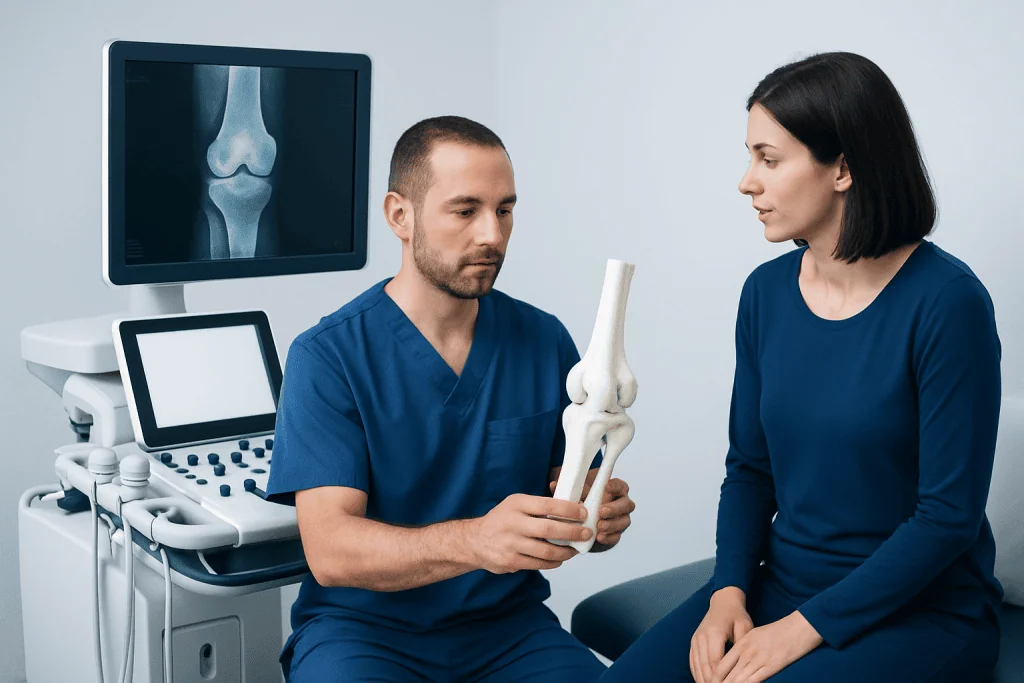
Orthopedic specialists treat both sudden injuries and long-term conditions. Sudden injuries can include broken bones, dislocations, sprains, ligament tears, muscle strains, and tendon injuries. Long-term conditions may involve gradual cartilage damage, inflammation, overuse injuries, posture-related pain, or degenerative diseases that become more common with age.
Common orthopedic problems include osteoarthritis, tendonitis, bursitis, rotator cuff injuries, meniscus tears, scoliosis, herniated discs, sciatica, osteoporosis-related fractures, and conditions such as carpal tunnel syndrome. Sports-related injuries and repetitive strain problems are also frequently seen, especially in people who run, lift weights, play tennis, or perform the same workplace motions every day.
Children can also need orthopedic care. Pediatric orthopedics may address limb alignment issues, walking abnormalities, growth-related bone problems, fractures, or congenital conditions. In older adults, orthopedic care often focuses on arthritis, balance-related injuries, reduced bone strength, and maintaining mobility and independence.
- Fractures and dislocations
- Joint pain and stiffness
- Back and neck problems
- Sports and overuse injuries
- Tendon, ligament, and cartilage injuries
- Bone weakness and age-related mobility problems
Symptoms That May Need Orthopedic Evaluation
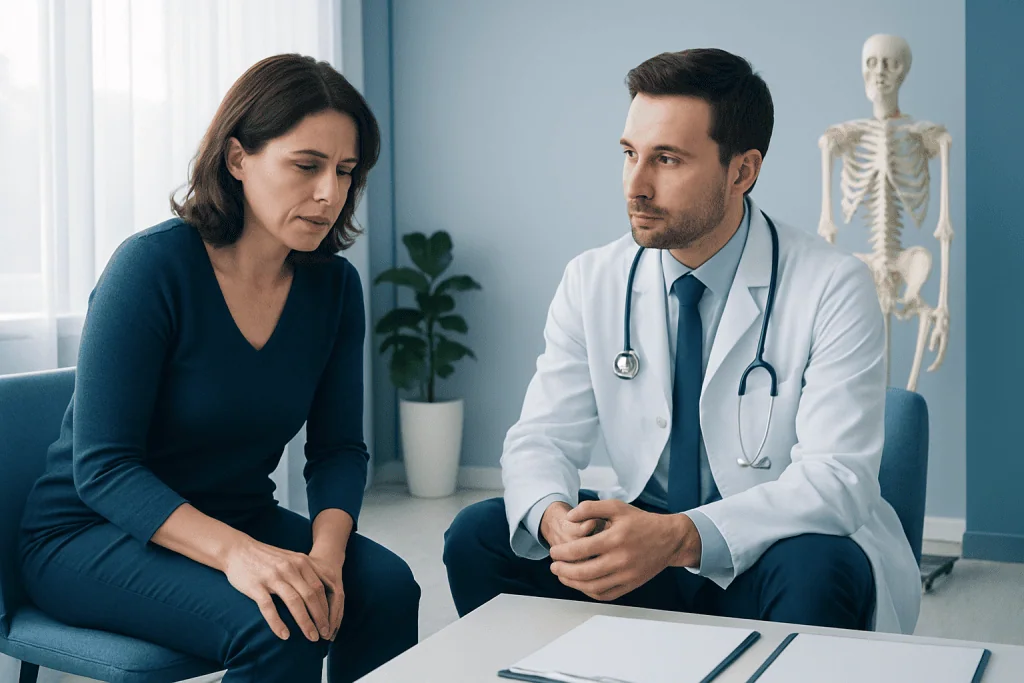
Many people think orthopedic care is only for major injuries, but a specialist can also help with ongoing symptoms that do not improve. Common signs include pain in a joint or limb, swelling, stiffness, weakness, reduced range of motion, numbness related to nerve pressure, or difficulty doing usual activities. Symptoms may develop suddenly after an accident or slowly over weeks or months.
Some people notice pain only during movement, while others feel discomfort even at rest or at night. A knee that gives way, a shoulder that feels unstable, a wrist that becomes numb, or a back problem that limits walking can all point to a musculoskeletal issue. If symptoms interfere with work, exercise, sleep, or personal care, orthopedic assessment may be helpful.
Not every ache requires specialist care, especially if it improves with short-term rest. However, repeated injuries, persistent swelling, visible deformity, or pain that keeps returning deserve attention. Early evaluation can sometimes prevent a minor problem from becoming a more complex one.
Causes and Risk Factors for Orthopedic Problems
Orthopedic conditions can develop for many reasons. Trauma is a common cause, including falls, sports collisions, road accidents, or twisting injuries. Overuse is another major factor. Repeating the same movement over time can strain tendons, irritate joints, and lead to inflammation or tissue breakdown. Poor lifting technique, weak supporting muscles, and sudden increases in training can also contribute.
Age is an important risk factor because cartilage, discs, and bone density naturally change over time. This can increase the risk of osteoarthritis, spinal degeneration, tendon tears, and fractures. Body weight may also affect the load on weight-bearing joints such as the knees, hips, and lower back. In some cases, genetics, congenital differences, inflammatory diseases, or previous injuries raise the risk as well.
Lifestyle and general health matter too. Smoking can slow tissue healing, while inactivity may weaken muscles that stabilize the joints. On the other hand, very intense physical activity without proper recovery can raise injury risk. The goal is usually balanced movement, good conditioning, and early attention to warning signs before pain becomes severe.
How Orthopedic Specialists Diagnose a Problem
Diagnosis usually begins with a detailed medical history and physical examination. The specialist asks when symptoms started, whether there was an injury, which movements make them worse, and how the problem affects daily life. During the exam, they may check posture, gait, swelling, tenderness, strength, flexibility, joint stability, and range of motion.
Imaging tests are often used to confirm a diagnosis or assess severity. X-rays help show fractures, joint alignment, and signs of arthritis. Magnetic resonance imaging may be used when soft tissues such as ligaments, cartilage, tendons, or discs need closer evaluation. Ultrasound can also help assess certain tendon and joint problems, while computed tomography may be used in selected bone injuries or surgical planning.
Sometimes additional tests are needed. Blood tests may help if an inflammatory or infectious cause is suspected. Nerve studies can be useful in symptoms such as tingling, numbness, or weakness. The main aim is to identify the exact source of pain or dysfunction, because effective treatment depends on an accurate diagnosis.
Treatment Options in Orthopedics
Orthopedic treatment depends on the condition, its severity, the patient’s age, activity level, and personal goals. In many cases, treatment begins conservatively. This may include rest from aggravating activities, ice or heat, short-term pain relief medicines as advised by a doctor, physical therapy, supportive braces, shoe inserts, or gradual strengthening and stretching programs. Some patients benefit from guided joint or soft-tissue injections.
Rehabilitation is a key part of recovery. Physical therapy can improve muscle balance, posture, joint stability, and movement patterns. For chronic pain or recovery after injury, a structured physical therapy and rehabilitation program may help restore function and reduce the chance of repeat injury. Orthopedic care often works best when it combines symptom relief with long-term strengthening and prevention.
When non-surgical treatments do not provide enough improvement, surgery may be recommended. Examples include fracture fixation, tendon or ligament repair, arthroscopy, spinal procedures, and joint replacement. For severe joint damage, a doctor may discuss options such as knee replacement or hip replacement. Less invasive procedures may also be possible in selected cases, depending on the diagnosis and the patient’s overall health.
Orthopedic specialists usually aim to choose the least invasive treatment that can safely improve pain, mobility, and quality of life. Decisions are individualized, and patients are typically guided through expected benefits, possible risks, recovery time, and alternatives before a treatment plan is made.
Prevention, Self-Care, and Protecting Joint Health
Not all orthopedic problems can be prevented, but many can be reduced through healthy habits. Regular exercise helps keep muscles strong and supports the joints. A balanced routine often includes aerobic activity, strength training, flexibility work, and balance exercises. Good posture, proper footwear, and safe body mechanics during lifting or sports also lower strain on the musculoskeletal system.
Weight management can reduce pressure on the knees, hips, and spine. Gradually increasing exercise intensity, warming up before activity, and taking rest days can help prevent overuse injuries. People who work at desks may benefit from an ergonomic setup, while those with physically demanding jobs may need technique training and supportive equipment.
Self-care can help with mild symptoms, especially after minor strain. Resting the affected area briefly, applying ice during early swelling, and avoiding activities that worsen pain may be enough for some people. However, if symptoms continue, getting medical advice is important. Ignoring ongoing pain can sometimes lead to more damage or a longer recovery.
When to See a Specialist
It is reasonable to see an orthopedic specialist if pain, swelling, stiffness, or weakness lasts more than a few days to weeks, returns repeatedly, or limits normal activity. Medical attention is especially important after a serious fall, sports injury, or accident, or if there is visible deformity, inability to bear weight, or a joint that feels unstable. Numbness, progressive weakness, or loss of function also deserve timely evaluation.
People with known arthritis, osteoporosis, or previous orthopedic injuries may benefit from specialist follow-up if symptoms change or worsen. Early care can sometimes prevent complications, improve comfort, and support a faster return to everyday life. If emergency symptoms are present, such as severe pain after trauma, sudden inability to move a limb, or suspected fracture, urgent care should not be delayed.
For international patients who need evaluation or treatment, Acibadem International offers orthopedic care through multidisciplinary specialists at JCI-accredited hospitals. Depending on the diagnosis, care may include imaging, rehabilitation, sports injury management, or procedures such as arthroscopy when appropriate.
Frequently asked questions
What does orthopedics treat?
Orthopedics treats conditions affecting bones, joints, muscles, tendons, ligaments, cartilage, and the spine. This includes injuries such as fractures and sprains as well as longer-term problems like arthritis, back pain, and tendon disorders.
Is an orthopedic specialist only for surgery?
No. Orthopedic specialists often begin with non-surgical care such as physical therapy, braces, activity changes, medications, or injections. Surgery is usually considered when symptoms are severe or conservative treatment does not help enough.
When should someone see an orthopedic doctor for joint pain?
A person should consider seeing an orthopedic doctor if joint pain lasts, keeps coming back, causes swelling or stiffness, or limits walking, exercise, sleep, or daily tasks. It is also wise to seek care after an injury or if the joint feels unstable.
What tests might an orthopedic specialist order?
The specialist may use a physical exam along with imaging tests such as X-rays, MRI, ultrasound, or CT scans. In some situations, blood tests or nerve studies are also helpful to rule out inflammation, infection, or nerve compression.
Can orthopedic problems improve without surgery?
Yes, many orthopedic conditions improve with non-surgical treatment. Rest, guided exercise, physical therapy, weight management, supportive devices, and pain-relief strategies can be very effective, depending on the diagnosis.
What is the difference between acute injury and overuse injury?
An acute injury happens suddenly, such as from a fall, twist, or collision. An overuse injury develops gradually from repeated stress on a bone, joint, muscle, or tendon over time.
References
- American Academy of Orthopaedic Surgeons
- National Institute of Arthritis and Musculoskeletal and Skin Diseases
- MedlinePlus
- National Health Service
- World Health Organization
This article is for general information only and is not a substitute for professional medical advice. Please consult a qualified doctor about your individual situation.
Joint and spine care in Turkey — expert assessment & treatment
JCI-accredited · board-certified surgeons · reply within 24h
Add us as a Preferred Source to see more of our trusted health content across Google Search, AI Overviews and Discover.

Orthopedics & Spine
Care for bones, joints and the musculoskeletal system, including joint replacement, sports injuries and trauma.
125 specialists in this unit