

What Is Orthopedics? What Orthopedic Doctors Do

Orthopedics deals with bones, joints, muscles, tendons, ligaments, and the spine. Orthopedic doctors diagnose and treat injuries, wear-and-tear conditions, deformities, and some sports-related problems.
Key Takeaways
- Orthopedics deals with bones, joints, muscles, tendons, ligaments, and the spine.
- Orthopedic doctors diagnose and treat injuries, wear-and-tear conditions, deformities, and some sports-related problems.
- Treatment may include exercise, medication, braces, injections, rehabilitation, or surgery when needed.
- Many orthopedic problems improve with early assessment, guided self-care, and physical therapy.
- People should seek medical advice for persistent pain, swelling, weakness, deformity, or trouble walking or using a limb.
Orthopedics is the medical specialty that cares for the body's musculoskeletal system, including bones, joints, muscles, ligaments, tendons, and the spine. Orthopedic doctors help people recover from injuries, manage chronic conditions, reduce pain, and improve movement and quality of life.
Overview of Orthopedics
Orthopedics is the branch of medicine focused on the musculoskeletal system. This system includes bones, joints, muscles, tendons, ligaments, cartilage, and the spine. Together, these structures support the body, protect organs, and allow movement, balance, and physical function in daily life.
An orthopedic doctor, also called an orthopedist or orthopedic specialist, is trained to diagnose, treat, prevent, and rehabilitate problems affecting movement and structure. Some orthopedic doctors care for all types of musculoskeletal issues, while others develop expertise in areas such as the hip, knee, hand, shoulder, foot and ankle, spine, trauma, or sports injuries.
Orthopedic care is not limited to surgery. In fact, many people are treated successfully with non-surgical options such as rest, physical therapy, activity changes, braces, injections, and pain management strategies. Surgery is considered when symptoms are severe, function is limited, or other treatments have not provided enough relief.
What Orthopedic Doctors Do
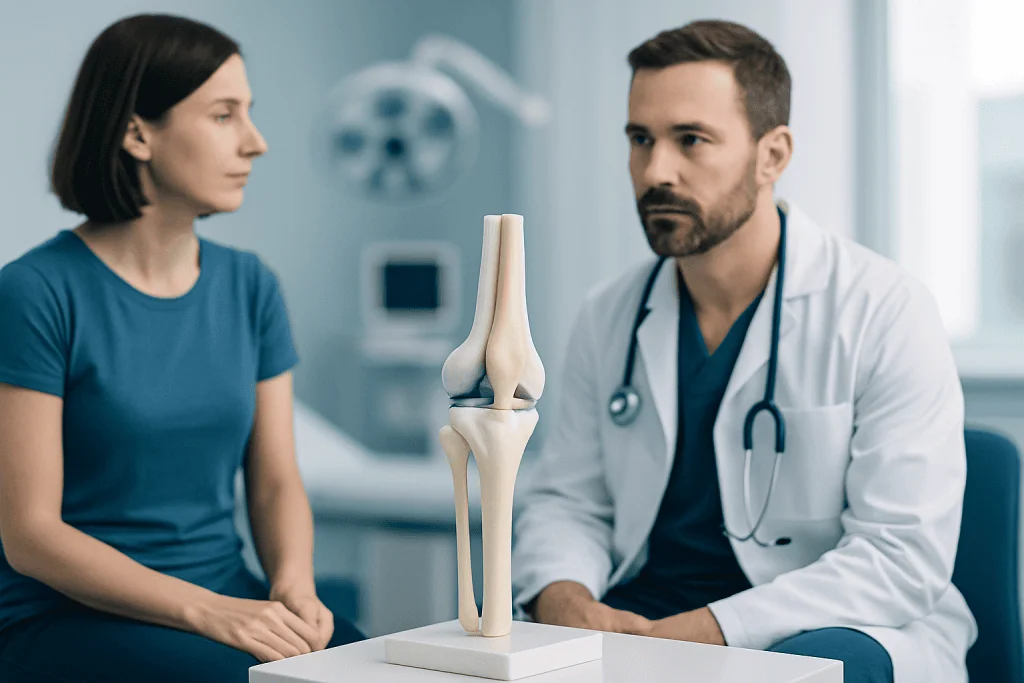
Orthopedic doctors assess symptoms such as joint pain, back pain, stiffness, swelling, weakness, numbness related to movement problems, reduced range of motion, and difficulty walking or using an arm or hand. They take a medical history, perform a physical examination, and decide whether imaging or other tests are needed.
They treat a wide range of conditions and injuries. These include fractures, sprains, ligament tears, tendon injuries, arthritis, spine disorders, sports injuries, overuse problems, congenital bone or joint conditions, and age-related wear and tear. They may also help patients recover after accidents or operations and work closely with rehabilitation specialists.
Orthopedic care often involves a team approach. Depending on the person’s needs, an orthopedic doctor may coordinate with physical therapists, pain specialists, radiologists, neurologists, rheumatologists, and primary care doctors. The goal is usually to reduce pain, restore function, improve mobility, and help the person return safely to work, sport, and daily activities.
Common Conditions Seen in Orthopedics
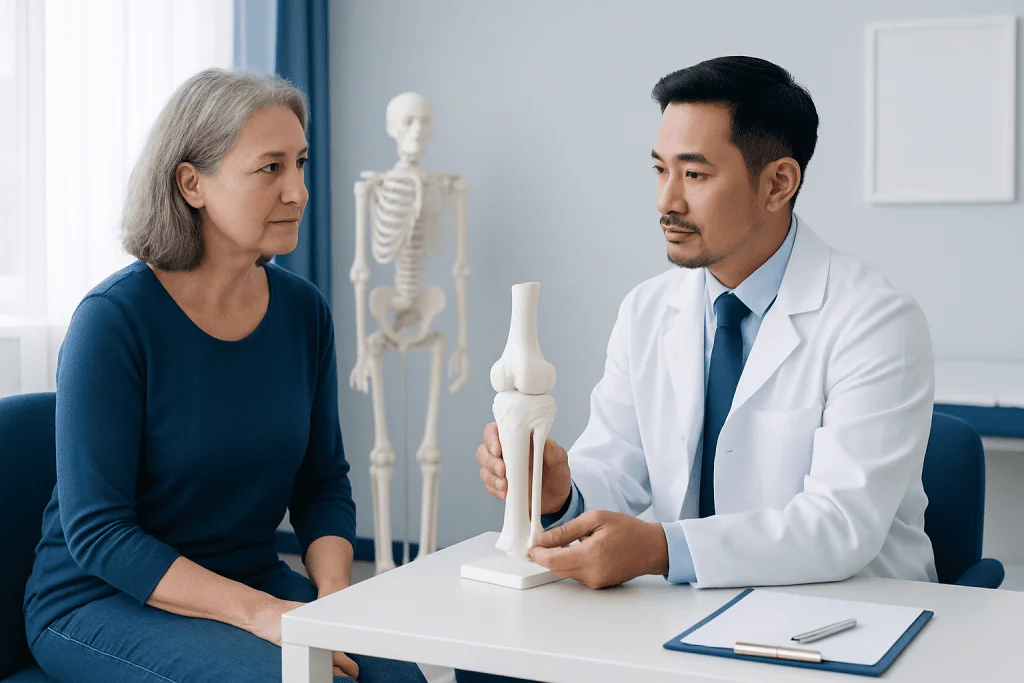
Orthopedic specialists care for both sudden injuries and long-term conditions. A sudden injury may happen during a fall, road accident, exercise session, or sports activity. Long-term problems can develop gradually from aging, repetitive movement, poor posture, previous injury, or conditions that affect bone and joint health.
Common examples include:
- Bone fractures and dislocations
- Sprains, strains, and tendon injuries
- Knee, shoulder, hip, wrist, and ankle problems
- Osteoarthritis and other causes of joint damage
- Back pain, neck pain, and certain spine disorders
- Sports injuries such as meniscus tears or rotator cuff problems
- Carpal tunnel syndrome and some hand conditions
- Foot problems such as bunions or tendon pain
Some conditions overlap with other specialties. For example, an orthopedic doctor may help evaluate scoliosis or age-related joint degeneration such as osteoarthritis. If symptoms involve both the spine and nerves, care may also involve specialists in rehabilitation or neurology.
Symptoms That May Need Orthopedic Evaluation
Many people benefit from orthopedic assessment when pain or movement problems do not improve with simple home care. Typical symptoms include ongoing joint pain, back pain, swelling, tenderness, stiffness in the morning or after activity, and reduced ability to bend, lift, walk, or climb stairs. Clicking or instability in a joint may also suggest damage to supporting structures such as ligaments or cartilage.
Weakness, limping, loss of balance, or difficulty using the hand can also point to a musculoskeletal problem. Some people notice symptoms only during exercise, while others have pain at rest or at night. A visible deformity, sudden inability to bear weight, or pain after an injury needs prompt medical attention.
Children and older adults may show symptoms differently. A child might avoid sports or complain of leg pain, while an older adult may gradually become less mobile due to joint disease or a spinal condition. Because many orthopedic conditions become easier to manage when evaluated early, persistent symptoms should not be ignored.
How Orthopedic Problems Are Diagnosed
Diagnosis usually begins with a careful conversation about symptoms, daily activity, past injuries, work demands, and general health. During the physical examination, the orthopedic doctor may assess posture, gait, joint movement, muscle strength, tenderness, swelling, flexibility, and stability. These findings often provide important clues about the source of pain or loss of function.
Imaging tests are commonly used when needed. X-rays help show bones, fractures, alignment, and signs of arthritis. MRI scans can show soft tissues such as cartilage, ligaments, tendons, discs, and muscles. Ultrasound may be useful for some tendon or joint problems, and CT scans can help in more complex bone injuries or surgical planning.
In certain cases, blood tests or nerve studies may be recommended to rule out infection, inflammation, metabolic bone disease, or nerve compression. The aim is to identify the cause of symptoms accurately so treatment can be tailored to the individual rather than simply masking pain.
Orthopedic Treatment Options
Treatment depends on the condition, its severity, the person’s age and activity level, and how much daily life is affected. Many orthopedic problems can be managed without surgery. Common non-surgical treatments include temporary rest, ice or heat, structured physical therapy, stretching and strengthening exercises, supportive braces or splints, footwear changes, and medicines that reduce pain and inflammation.
Some patients may benefit from injections into or around a joint, depending on the diagnosis. Rehabilitation is an important part of care because it helps restore movement, strength, coordination, and confidence. For sports injuries or repetitive strain, treatment often includes a gradual return-to-activity plan to lower the risk of re-injury.
When non-surgical treatment is not enough, surgery may be recommended. Procedures range from fracture repair and tendon reconstruction to minimally invasive arthroscopy and joint replacement. Examples include knee replacement for advanced joint damage, hip replacement for severe hip arthritis, or arthroscopic surgery to evaluate and treat certain joint problems. The orthopedic doctor explains the expected benefits, possible risks, and recovery process before making a plan.
Prevention, Self-care, and Recovery
Not every orthopedic condition can be prevented, but healthy habits can lower the risk of injury and slow some wear-and-tear problems. Regular exercise that includes strength, flexibility, balance, and aerobic activity helps support joints and muscles. Good posture, proper lifting technique, suitable footwear, and sport-specific conditioning can also reduce strain on the body.
Weight management is another important part of joint health, especially for the knees, hips, and spine. People who do repetitive tasks at work or in sport may need ergonomic adjustments, rest breaks, and coaching on movement mechanics. After an injury, following a structured recovery plan is often the safest way to regain function fully.
Recovery times vary. A mild sprain may improve within weeks, while fractures or surgery may require a longer period of rehabilitation. Stopping treatment too early can delay healing, so regular follow-up is helpful. Near the end of care, some people also benefit from education on how to prevent future flare-ups or repeat injuries.
When to See a Doctor
It is sensible to seek medical advice if pain lasts more than a few days, keeps returning, or interferes with work, exercise, sleep, or daily activities. Swelling, stiffness, numbness, weakness, repeated joint instability, or reduced movement are also reasons to arrange an assessment. Early care may make treatment simpler and help protect long-term mobility.
Urgent medical attention is important after a major injury, a suspected fracture or dislocation, a visible deformity, severe swelling, inability to bear weight, or sudden loss of function in an arm or leg. A fever with a painful, hot, swollen joint also needs prompt evaluation, as this can signal infection or another serious problem.
People with complex or ongoing musculoskeletal symptoms may benefit from specialist assessment in a center with orthopedic imaging, rehabilitation, and surgical services if needed. Acibadem International’s multidisciplinary specialists and JCI-accredited hospitals diagnose and treat orthopedic conditions for international patients, with care plans based on the individual’s symptoms, goals, and overall health.
Frequently asked questions
What is orthopedics in simple terms?
Orthopedics is the medical specialty that looks after bones, joints, muscles, ligaments, tendons, and the spine. It helps people with injuries, pain, movement problems, and conditions that affect how the body supports and moves.
What does an orthopedic doctor treat?
An orthopedic doctor treats fractures, sports injuries, arthritis, back and neck problems, tendon and ligament injuries, and many joint conditions. They may also help with recovery after trauma or surgery and guide rehabilitation.
Do all orthopedic problems need surgery?
No. Many orthopedic conditions improve with non-surgical care such as rest, physical therapy, braces, exercise programs, and medicines for pain or inflammation. Surgery is usually considered only when symptoms are severe or other treatments have not worked well enough.
When should someone see an orthopedic specialist?
A person should consider seeing an orthopedic specialist if pain, swelling, stiffness, or weakness does not improve, keeps returning, or limits daily activity. It is especially important to seek care after an injury, if there is a deformity, or if walking or using a limb becomes difficult.
What tests do orthopedic doctors use?
Orthopedic doctors often begin with a physical examination and a review of symptoms and activity levels. If needed, they may request tests such as X-rays, MRI, CT, ultrasound, blood tests, or nerve studies to better understand the problem.
What is the difference between orthopedics and physiotherapy?
Orthopedics is a medical specialty led by doctors who diagnose conditions and provide full treatment plans, including medication, injections, and surgery when needed. Physiotherapy focuses on exercise, movement, function, and rehabilitation, and it is often an important part of orthopedic treatment.
References
- American Academy of Orthopaedic Surgeons
- National Institute of Arthritis and Musculoskeletal and Skin Diseases
- National Health Service
- MedlinePlus
- World Health Organization
This article is for general information only and is not a substitute for professional medical advice. Please consult a qualified doctor about your individual situation.
Joint and spine care in Turkey — expert assessment & treatment
JCI-accredited · board-certified surgeons · reply within 24h
Add us as a Preferred Source to see more of our trusted health content across Google Search, AI Overviews and Discover.

Orthopedics & Spine
Care for bones, joints and the musculoskeletal system, including joint replacement, sports injuries and trauma.
125 specialists in this unitMore from the Health Library


Related Specialists

Prof. Dr. Ömer Fatih Ölmez
Medical Oncology
Dr. İrem Buse Karakum
Emergency Service
Dr. Parvana Mikailova
Clinical Laboratory
Dr. Burçak Bozdemir Aral
Dermatology