What NAMI Does: Support, Education, and When to Use Community Mental Health Services

NAMI provides education, peer-led support, advocacy, and help navigating mental health resources. NAMI does not replace medical care, diagnosis, psychotherapy, or emergency treatment.
Key Takeaways
- NAMI provides education, peer-led support, advocacy, and help navigating mental health resources.
- NAMI does not replace medical care, diagnosis, psychotherapy, or emergency treatment.
- Community mental health services can provide assessment, counseling, medication management, crisis care, and case coordination.
- A person may benefit from both NAMI support and professional mental health treatment at the same time.
- Urgent symptoms such as suicidal thoughts, severe confusion, or immediate safety concerns require emergency or crisis services.
NAMI is a nonprofit organization that helps people affected by mental health conditions through education, peer support, advocacy, and community resources. Understanding what NAMI does—and when to use community mental health services—can help individuals and families find the right kind of support at the right time.
Overview: What NAMI Does
NAMI, the National Alliance on Mental Illness, is a nonprofit organization focused on improving the lives of people affected by mental health conditions. It is widely known for providing free education programs, peer support, family support, public awareness, and advocacy. For many people, NAMI can be a practical starting point when they are trying to understand symptoms, support a loved one, or find local mental health resources.
NAMI is not a hospital, clinic, or therapy practice. It does not diagnose mental health conditions or prescribe treatment. Instead, it helps people learn about mental health, connect with others who have shared experiences, and better understand how to access professional care in their community.
This distinction is important. Some people need information, emotional support, and guidance navigating the system. Others need direct clinical services such as psychiatric assessment, counseling, medication management, or crisis intervention. In many cases, both types of support are helpful together.
Community mental health services are the broader network of local mental health care programs that may include clinics, counselors, psychiatrists, social workers, crisis teams, rehabilitation programs, and case managers. Knowing when to turn to NAMI and when to seek community mental health services can make care more timely and more effective.
How NAMI Supports Individuals and Families
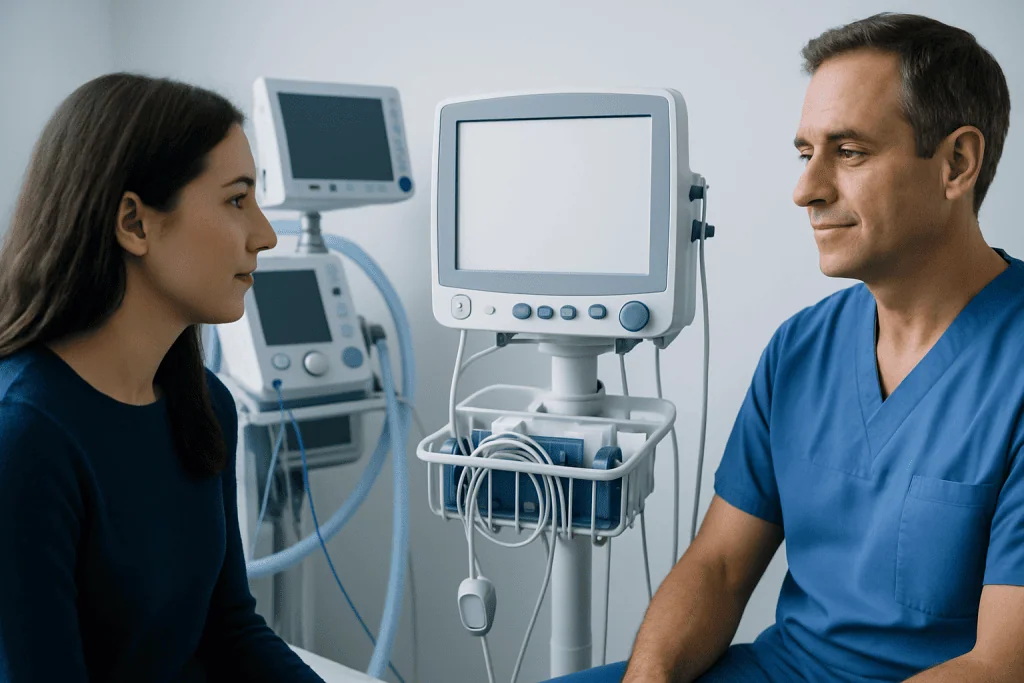
NAMI supports people in several ways. One of its best-known roles is education. Educational classes and informational materials can help individuals and families understand common mental health conditions, treatment approaches, recovery, communication strategies, and the effect of symptoms on daily life. This can reduce confusion and make it easier to ask informed questions during medical appointments.
Peer support is another central part of NAMI’s work. Support groups led by people with lived experience can offer understanding, validation, and practical coping ideas. Family members and caregivers may also find dedicated groups helpful, especially when they are learning how to respond to mood changes, social withdrawal, anxiety, or the stress of caring for a loved one.
NAMI also advocates for better access to care, less stigma, and stronger mental health policies. For some people, that advocacy work matters because mental health challenges are not only personal or medical; they can also affect school, work, housing, and relationships. NAMI often helps people feel less alone while they learn how systems such as insurance, disability support, or community referrals work.
In addition, local NAMI affiliates may provide helpline guidance, program referrals, and community events. While services vary by location, many people use NAMI as a trusted source of orientation when they do not know where to begin.
When NAMI May Be Most Helpful

NAMI may be especially helpful in the early stages of concern, when a person or family is trying to make sense of emotional or behavioral changes. For example, someone may notice ongoing sadness, high anxiety, panic, sleep disruption, irritability, trouble concentrating, or changes in functioning but feel unsure whether formal care is needed. In these situations, education and support can be an important first step.
It can also be helpful after a diagnosis, when people often need clear explanations, emotional support, and guidance on how to talk with employers, schools, or family members. NAMI resources can complement professional care for people living with conditions such as depression, anxiety disorders, or other ongoing mental health concerns.
Families may benefit from NAMI when they are coping with uncertainty, stress, or communication difficulties at home. Support groups can help caregivers understand boundaries, encourage treatment without confrontation, and recognize warning signs that should prompt medical attention. This can be valuable even when the person affected is already seeing a clinician.
NAMI may also help people who feel isolated or stigmatized. Hearing from others with lived experience can strengthen hope and encourage ongoing treatment engagement. However, if symptoms are significantly affecting safety, judgment, or daily functioning, community mental health services are usually the more appropriate next step.
When to Use Community Mental Health Services
Community mental health services are appropriate when a person needs direct evaluation or treatment. This includes situations where symptoms are persistent, worsening, or interfering with work, school, relationships, sleep, appetite, self-care, or the ability to manage everyday responsibilities. These services are delivered by trained professionals such as psychiatrists, psychologists, counselors, nurses, and social workers.
A person may need community mental health services if they have symptoms such as ongoing low mood, severe anxiety, panic attacks, intrusive thoughts, major changes in energy, episodes of unusual agitation, hallucinations, suspiciousness, self-neglect, or substance use that is worsening mental health. Professional assessment can clarify whether symptoms are related to stress, trauma, a mental health condition, a medical illness, or more than one factor.
Community services can include outpatient therapy, psychiatric consultation, medication management, crisis intervention, rehabilitation programs, and coordinated care planning. Depending on need, a person might be referred for psychiatric evaluation and care or psychological counseling and therapy as part of a broader treatment plan.
These services are also important when there are barriers beyond symptoms alone, such as unstable housing, difficulty attending appointments, financial stress, family conflict, or repeated hospital visits. In such cases, case managers or community teams may help coordinate support across health, social, and practical needs.
What Community Mental Health Care May Include
Community mental health care is often designed to meet people where they are, with services ranging from preventive support to more intensive treatment. The exact options depend on the local health system, but they commonly include assessment, diagnosis, individual therapy, family therapy, medication review, social support, and crisis planning. Some programs serve children and adolescents, while others focus on adults or older adults.
Treatment plans are usually individualized. A person with mild to moderate symptoms may benefit from psychotherapy, coping skills training, and regular follow-up. Someone with more complex needs may require psychiatric care, family involvement, rehabilitation services, or support for coexisting substance use. Where appropriate, treatment may include approaches linked to adult psychiatry or psychotherapy delivered in outpatient settings.
Many community programs also focus on recovery and functioning, not only symptom reduction. This may involve support for returning to school or work, improving social skills, managing stress, keeping medical appointments, or maintaining stable daily routines. Family education is often part of care because a supportive environment can improve consistency and follow-through.
Importantly, community mental health services do not have to be used only in severe situations. Early professional support can help prevent symptoms from becoming harder to manage. For many people, timely care improves quality of life and reduces disruption to daily activities.
How to Decide Between Peer Support and Professional Care
Peer support and professional care serve different but complementary roles. Peer support can provide understanding, reduce loneliness, and offer practical day-to-day coping ideas from people with lived experience. Professional care is needed when symptoms require diagnosis, treatment planning, therapy, medication decisions, or close monitoring.
A useful question is whether the person mainly needs guidance and connection, or whether they also need clinical care. If someone is functioning fairly well but feels confused, stressed, or isolated, NAMI support may be a helpful first step. If symptoms are persistent, intense, or disruptive, an appointment with a qualified mental health professional is usually more appropriate.
It is common to use both. A person might receive therapy or psychiatric treatment while also attending a NAMI support group or educational class. Families may do the same: they can learn communication and coping strategies through NAMI while their loved one receives treatment through community services.
When choosing services, it can help to consider symptom severity, duration, safety, daily functioning, and access to local resources. If there is uncertainty, a primary care doctor or mental health professional can help determine the best next step. Near the end of the care journey, some people also seek specialist evaluation in hospital-based settings; Acibadem International’s multidisciplinary specialists and JCI-accredited hospitals diagnose and treat mental health conditions for international patients.
Urgent Situations and When to Seek Immediate Help
Some mental health situations require urgent attention and should not wait for a support group, educational program, or routine appointment. Immediate help is needed if a person is at risk of harming themselves or others, has suicidal thoughts with intent or a plan, is unable to care for basic needs, shows severe confusion, or experiences marked changes in behavior that raise safety concerns.
Emergency evaluation is also important when there are signs of psychosis, extreme agitation, intoxication with dangerous behavior, severe withdrawal symptoms, or sudden mental status changes that could be related to a medical problem. In these situations, the safest action is to contact local emergency services, a crisis line, or go to the nearest emergency department, depending on the country and local system.
Families can prepare in advance by keeping a list of emergency contacts, current medications, allergies, past diagnoses, and the names of treating clinicians. A simple crisis plan may help loved ones know what to do, whom to call, and which warning signs mean that urgent care is necessary.
Even outside emergencies, it is wise to seek prompt professional advice if symptoms are escalating quickly, treatment does not seem to be helping, or the person stops eating, sleeping, attending school or work, or taking essential medicines. Early reassessment can prevent a crisis and improve safety.
Frequently asked questions
Is NAMI the same as a mental health clinic?
No. NAMI is a nonprofit organization that provides education, peer support, advocacy, and help finding resources. It does not replace a clinic, psychiatrist, psychologist, therapist, or emergency service.
Can someone use NAMI and professional treatment at the same time?
Yes. Many people benefit from both kinds of support. NAMI can offer connection and education, while clinicians provide diagnosis, therapy, medication management, and monitoring.
When should a person choose community mental health services instead of peer support alone?
Community mental health services are usually the better choice when symptoms are ongoing, worsening, or affecting daily life. They are also important when there are safety concerns, severe distress, confusion, psychotic symptoms, or problems with self-care.
Does NAMI help family members and caregivers too?
Yes. Family members often use NAMI for education, support groups, and practical advice on communication and coping. This can help caregivers support their loved one while also protecting their own well-being.
What kinds of professionals work in community mental health services?
Teams may include psychiatrists, psychologists, counselors, psychiatric nurses, social workers, and case managers. Depending on the setting, services may also involve occupational therapists, substance use specialists, and crisis teams.
What should a person do in a mental health crisis?
If there is immediate danger, suicidal intent, severe confusion, or inability to stay safe, urgent help is needed right away. Contact local emergency services, a crisis line, or go to the nearest emergency department based on the local system.
References
- National Alliance on Mental Illness
- World Health Organization
- National Institute of Mental Health
- Substance Abuse and Mental Health Services Administration
- American Psychiatric Association
This article is for general information only and is not a substitute for professional medical advice. Please consult a qualified doctor about your individual situation.
Explore treatments in Turkey — costs, top hospitals & a free quote
JCI-accredited · board-certified surgeons · reply within 24h
Add us as a Preferred Source to see more of our trusted health content across Google Search, AI Overviews and Discover.