What to Expect at Your First Oncology Appointment
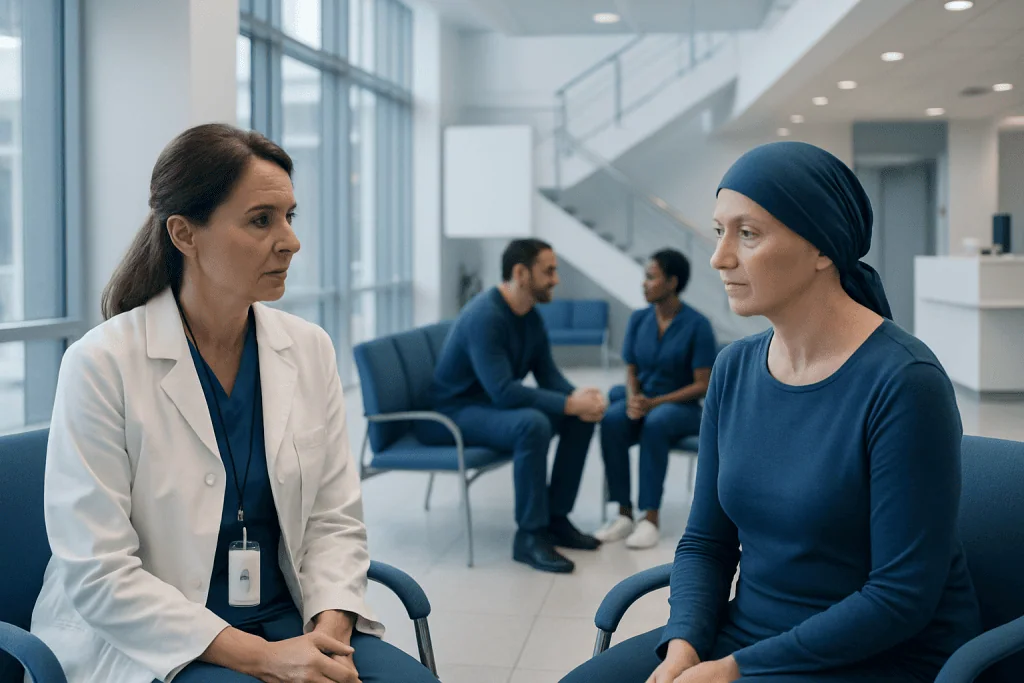
The first oncology appointment usually includes a review of medical history, symptoms, scans, biopsy results, and possible treatment plans. Patients often benefit from bringing records, a medication list, insurance or identification documents, and a trusted family member or friend.
Key Takeaways
- The first oncology appointment usually includes a review of medical history, symptoms, scans, biopsy results, and possible treatment plans.
- Patients often benefit from bringing records, a medication list, insurance or identification documents, and a trusted family member or friend.
- It is normal if treatment decisions are not finalized at the first visit, especially when more tests or pathology review are needed.
- Preparing questions in advance can help patients better understand diagnosis, goals of care, side effects, and next steps.
- Emotional support, practical planning, and clear communication are important parts of cancer care from the very first appointment.
A first oncology appointment is designed to help the patient understand the diagnosis, review test results, and discuss treatment options in a clear, structured way. Knowing what usually happens can make the visit feel more manageable and help patients prepare useful questions.
Overview: the purpose of a first oncology appointment
A first oncology appointment is usually the first detailed meeting with a doctor who specializes in cancer care. The main goal is to understand the diagnosis as clearly as possible, review available test results, and begin planning the next steps. This visit may follow an abnormal scan, a biopsy result, a surgery, or a referral from another doctor.
For many patients, this appointment can feel overwhelming. That is understandable. The discussion often includes unfamiliar medical terms, several possible treatments, and questions about timing. Even so, the first visit is not a test the patient must “pass.” It is an opportunity to gather reliable information and start building a care plan with the medical team.
In some cases, the oncologist can explain the diagnosis and recommend treatment at the same appointment. In other cases, more information may still be needed, such as an additional scan, blood tests, or a second review of pathology slides. This does not necessarily mean something is wrong; it often reflects the importance of making decisions based on the most complete and accurate information available.
How to prepare before the visit
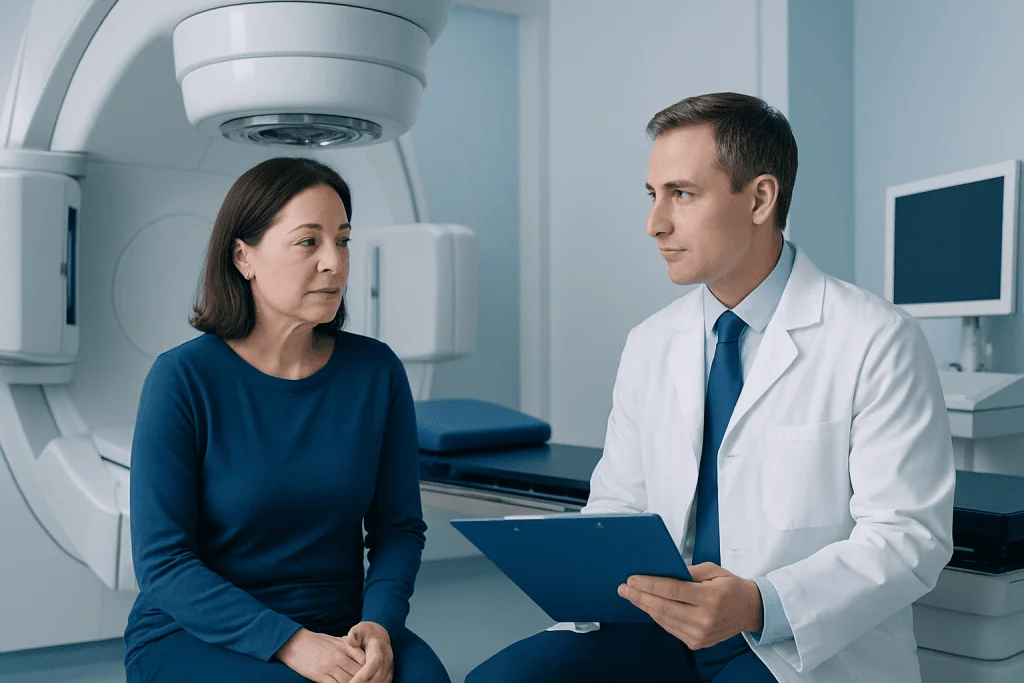
Good preparation can make the appointment more productive and less stressful. If possible, patients should gather important medical records before the visit. These may include pathology reports, imaging reports, scan discs, blood test results, discharge notes, and records from previous doctors. Bringing a written timeline of symptoms, past procedures, and major medical events can also help the oncologist understand the situation more quickly.
It is also helpful to bring a list of all medicines, vitamins, supplements, and allergies. This should include prescription drugs, over-the-counter medicines, and any herbal products. If the patient has a history of chronic conditions such as diabetes, heart disease, kidney disease, or autoimmune illness, that information is important because it may affect testing or treatment choices.
Many people find it useful to bring a partner, family member, or close friend. A second person can help listen, take notes, and remember key points. Patients may also want to prepare a written list of questions in advance, because important concerns can be easy to forget during an emotional visit.
- Bring identification, referral papers, and any insurance or payment documents if needed.
- Carry copies of pathology reports, imaging reports, and scan discs whenever possible.
- Write down current symptoms, concerns, and any changes in appetite, weight, pain, or energy.
- Prepare a list of questions about diagnosis, treatment options, side effects, and timing.
What usually happens during the appointment
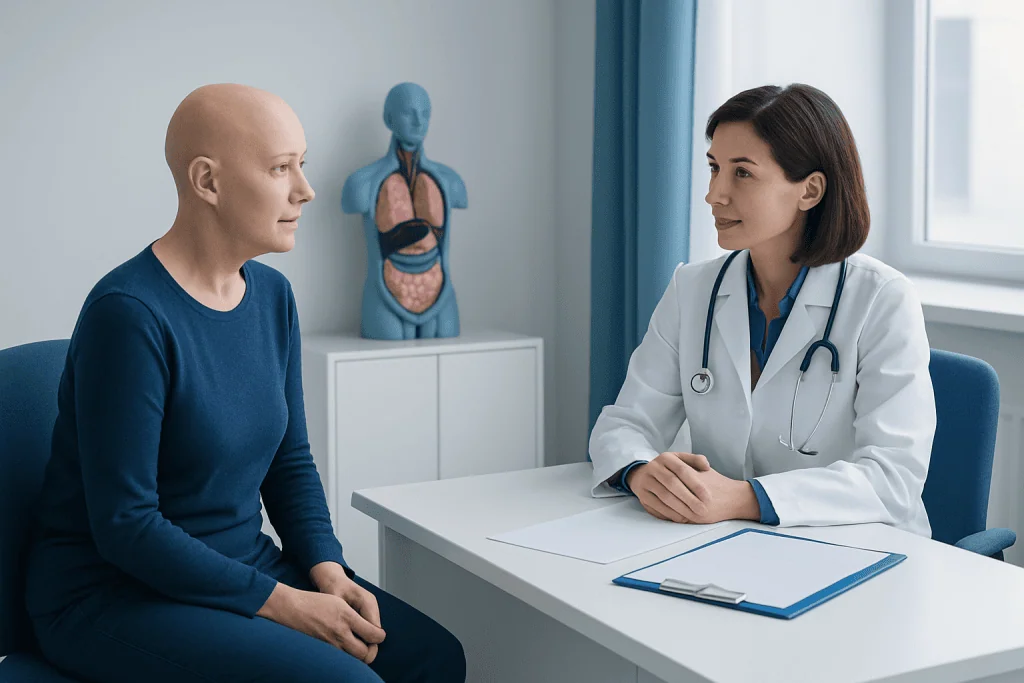
The visit often begins with a detailed conversation about the patient’s medical history. The oncologist may ask when symptoms started, what tests have already been done, whether there is a family history of cancer, and how the patient has been feeling day to day. There may also be questions about smoking, alcohol use, occupational exposures, previous illnesses, fertility concerns, and general health. These questions help create a full picture of the patient’s needs.
A physical examination may follow, depending on the type of cancer or reason for referral. The oncologist then usually reviews available results in detail. This may include biopsy findings, blood work, CT, MRI, PET, ultrasound, or other imaging. If the diagnosis has been confirmed, the doctor may explain the cancer type, where it started, whether there is evidence of spread, and what this means for staging and treatment planning.
The appointment usually ends with a discussion of next steps. These might include more tests, referral to another specialist, discussion at a multidisciplinary tumor board, or planning treatment. In some situations, the doctor may explain options such as chemotherapy, radiation therapy, or cancer surgery depending on the diagnosis. The care plan may involve one treatment or a combination of approaches over time.
Questions the oncologist may answer
One of the most important parts of a first oncology appointment is the chance to ask direct questions. Patients do not need to know medical language to do this. Clear, simple questions are often the most useful. The oncologist can usually explain what type of cancer is suspected or confirmed, what stage is known so far, and whether more tests are needed before treatment decisions are finalized.
Patients commonly ask about the goal of treatment, how soon treatment should begin, what side effects may happen, and how treatment may affect everyday life. Other common topics include work, travel, exercise, fertility, sexual health, diet, and pain control. Patients may also ask whether a case should be reviewed by a surgeon, radiation oncologist, pathologist, or genetic counselor.
Some questions that can be useful include:
- What exactly do the biopsy and scan results show?
- Do we know the stage, or are more tests needed?
- What are the main treatment options, and what is the goal of each one?
- What side effects are common, and how are they managed?
- How urgent is treatment, and what happens next?
- Should I consider a second opinion?
Understanding tests, staging, and treatment planning
Cancer care often depends on precise information. For that reason, the first oncology appointment may include discussion of additional tests before treatment begins. These can include blood tests, repeat imaging, molecular or genetic testing of the tumor, or review of biopsy samples by an expert pathologist. In some cancers, doctors also need to understand whether nearby lymph nodes or other organs are involved.
Staging is the process of describing how much cancer is present and where it is located. This helps guide treatment choices and gives a shared language for the care team. However, patients should know that staging is not always complete at the first appointment. It may become clearer only after imaging, surgery, or specialized testing is finished.
Treatment planning is often individualized. Depending on the cancer type, the team may recommend surgery first, medicine first, radiation first, or a combination. Some patients may need targeted therapy or immunotherapy based on tumor features. Others may be referred for treatment of a specific cancer type, such as breast cancer or lung cancer, where care pathways can differ significantly.
Emotional reactions and practical concerns
It is common for patients to feel anxious, numb, confused, or emotionally tired during and after the first appointment. A possible or confirmed cancer diagnosis can affect not only the patient but also family members and caregivers. These reactions are normal and do not mean a person is coping badly. Many people need time to process the information before they feel ready to make decisions.
Practical concerns often come up very early. Patients may wonder how treatment will affect work, childcare, travel, daily routines, and finances. They may also worry about transportation, support at home, or how to manage symptoms between visits. Oncology teams are used to discussing these issues and may connect patients with nurses, social workers, psychologists, dietitians, or other support services.
Writing down instructions after the visit can be especially helpful. Some patients keep a folder or digital file with reports, appointment dates, medication lists, and questions for future visits. This kind of organization can make the treatment journey feel more manageable and help the patient stay informed and involved in care decisions.
After the appointment: next steps and follow-up
After a first oncology appointment, the next steps depend on how much information is already available. Some patients leave with a clear treatment plan and a date for the next visit. Others may need additional testing before final decisions are made. It is often helpful for patients to ask who will contact them with results, how long it may take, and whom to call if new symptoms or urgent questions arise.
Follow-up may involve blood tests, new imaging, referral to another specialist, or a meeting with a multidisciplinary team. In many cases, the treatment plan is shaped by several experts working together. This can include medical oncologists, surgeons, radiation oncologists, radiologists, pathologists, and supportive care professionals.
If a patient feels uncertain after the visit, asking for clarification is appropriate. A second opinion may also be helpful for complex diagnoses or major treatment decisions. Near the start of care, some patients also explore treatment at specialized centers. Acibadem International’s multidisciplinary specialists and JCI-accredited hospitals diagnose and treat cancer for international patients, with care plans tailored to the individual diagnosis and overall health.
When to contact the medical team before the next visit
Patients should contact the medical team promptly if symptoms worsen or if new concerns develop while waiting for the next step. This can include increasing pain, difficulty breathing, uncontrolled vomiting, dehydration, bleeding, confusion, fainting, fever, or a sudden decline in general condition. The oncology team can advise whether the patient should be seen urgently, speak to a nurse, or go to emergency care.
It is also reasonable to call if there is confusion about instructions, missing test appointments, medication questions, or uncertainty about who is coordinating care. Clear communication is an important part of safe treatment planning. Patients should never feel that they are bothering the team by asking for clarification.
Even when the first appointment raises many questions, most patients move forward step by step. Reliable information, practical preparation, and open conversation with the care team can make the process easier to navigate and help the patient feel more supported from the beginning.
Frequently asked questions
How long does a first oncology appointment usually take?
The length can vary depending on the complexity of the case and how many test results are available. Many first visits are longer than routine appointments because they involve detailed discussion, review of records, and planning for next steps.
Should someone come with the patient to the first oncology appointment?
Many patients find it helpful to bring a trusted family member or friend. A second person can provide emotional support, take notes, and help remember important information discussed during the visit.
Will treatment start at the first oncology appointment?
Not always. Some patients begin treatment planning quickly, but others need more tests, pathology review, or input from other specialists before the best treatment approach is clear.
What documents should a patient bring to the appointment?
Useful items include pathology reports, imaging reports, scan discs, blood test results, referral notes, and a list of medicines and allergies. Identification and any required insurance or administrative documents are also often needed.
Is it normal to feel overwhelmed after the appointment?
Yes, this is very common. A first oncology appointment often includes a lot of information, and patients may need time to process what they have heard before feeling ready to make decisions or ask more questions.
Can a patient ask for a second opinion after the first oncology visit?
Yes. Seeking a second opinion is common in cancer care, especially when the diagnosis is complex or when there are several treatment options. It can help patients feel more confident about the plan.
References
- National Cancer Institute
- American Society of Clinical Oncology
- National Comprehensive Cancer Network
- World Health Organization
- European Society for Medical Oncology
This article is for general information only and is not a substitute for professional medical advice. Please consult a qualified doctor about your individual situation.
Oncology care in Turkey — second opinion and treatment plan
JCI-accredited · board-certified surgeons · reply within 24h
Add us as a Preferred Source to see more of our trusted health content across Google Search, AI Overviews and Discover.

Medical Oncology Department
Medical treatment of cancer with chemotherapy, immunotherapy and targeted therapies under a multidisciplinary tumor board.
60 specialists in this unit