When Is IVF a Good Option for Tubal Infertility?

Tubal infertility happens when the fallopian tubes cannot transport egg, sperm, or embryo properly. IVF can be effective because fertilization occurs outside the body, bypassing damaged or blocked tubes.
Key Takeaways
- Tubal infertility happens when the fallopian tubes cannot transport egg, sperm, or embryo properly.
- IVF can be effective because fertilization occurs outside the body, bypassing damaged or blocked tubes.
- IVF is often preferred for severe tubal damage, hydrosalpinx, prior ectopic pregnancy, or failed tubal surgery.
- Evaluation usually includes imaging of the tubes, ovarian reserve testing, and semen analysis for the male partner.
- Some people may need treatment for hydrosalpinx or other pelvic conditions before IVF.
- A fertility specialist can help compare IVF with tubal surgery based on personal goals and medical findings.
IVF for tubal infertility is commonly recommended when the fallopian tubes are blocked, severely damaged, or missing, because IVF bypasses the tubes entirely. The best approach depends on a woman’s age, ovarian reserve, sperm factors, prior pregnancy history, and whether tubal repair is likely to help.
Overview: Understanding Tubal Infertility and IVF
Tubal infertility refers to difficulty becoming pregnant because one or both fallopian tubes are blocked, scarred, damaged, or absent. The fallopian tubes play an essential role in natural conception: they allow the egg and sperm to meet and then carry the early embryo toward the uterus. When this pathway is disrupted, pregnancy may be difficult or impossible without treatment.
IVF for tubal infertility is often a strong option because it bypasses the tubes. In in vitro fertilization, eggs are collected from the ovaries and fertilized with sperm in a laboratory. The resulting embryo is then placed directly into the uterus, so the fallopian tubes do not need to function for fertilization to occur.
Not every person with tubal infertility needs IVF immediately. In some cases, tubal surgery may be considered, especially when damage is limited and the woman is younger. However, when tubes are severely damaged, filled with fluid, or have already caused serious complications such as ectopic pregnancy, IVF is often the more practical and effective path.
Symptoms and Signs of Tubal Factor Infertility

Many women with tubal infertility have no obvious symptoms. Often, the first sign is difficulty getting pregnant after regular unprotected intercourse for a period of time. Because blocked or damaged tubes may not cause daily discomfort, the problem is sometimes discovered only during a fertility evaluation.
When symptoms do occur, they may relate to the underlying cause rather than the tubes themselves. For example, a history of pelvic pain, painful periods, pain during intercourse, or previous pelvic infection may suggest a condition that has affected the tubes. Prior appendicitis, abdominal surgery, or sexually transmitted infections can also raise suspicion for scarring.
Some women have a known history that increases concern for tubal damage, such as previous pelvic inflammatory disease, a prior ectopic pregnancy, or surgery involving the pelvis or tubes. These details can help a fertility specialist decide how quickly to investigate the fallopian tubes and whether IVF for tubal infertility may be more suitable than trying less invasive treatments first.
Common Causes and Risk Factors
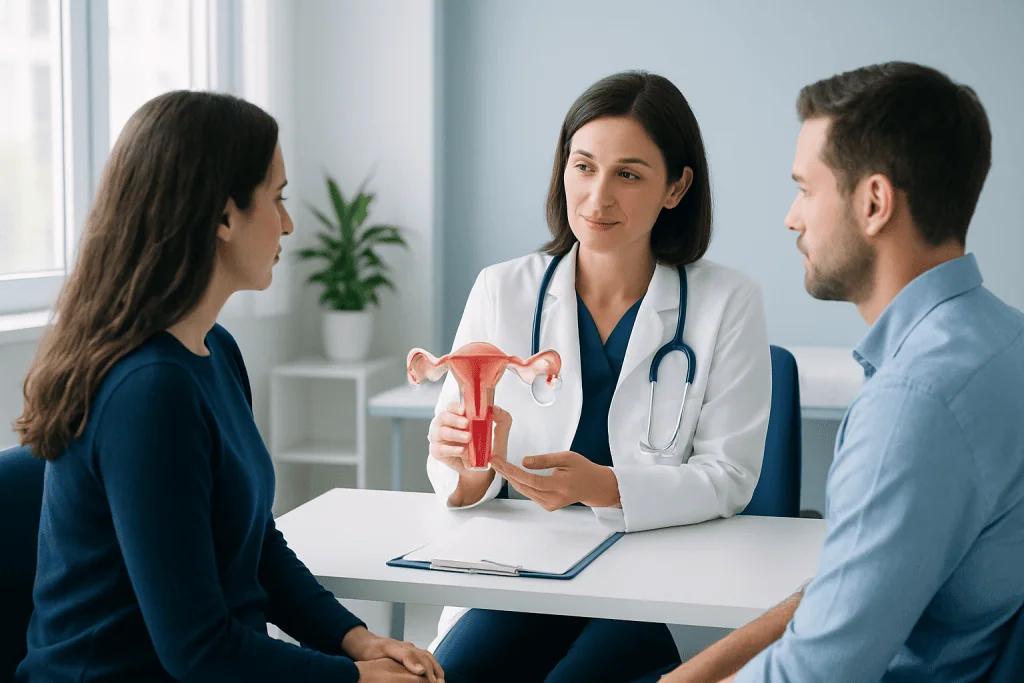
The fallopian tubes can become damaged for several reasons. A common cause is pelvic inflammatory disease, which may result from untreated or past infection and can leave scar tissue even after the infection has resolved. Endometriosis, prior abdominal or pelvic surgery, and previous tubal surgery can also affect tubal structure or movement.
Another important cause is hydrosalpinx, a condition in which a blocked tube fills with fluid. Hydrosalpinx may lower the chance of natural pregnancy and can also reduce IVF success if untreated, because the fluid may interfere with embryo implantation in the uterus. In these cases, doctors may recommend removing or sealing the affected tube before IVF.
Risk factors include a history of sexually transmitted infections, prior ectopic pregnancy, pelvic surgery, severe endometriosis, or infertility lasting a long time without a clear explanation. Other reproductive conditions may be found during evaluation as well, such as ovarian cysts or uterine abnormalities, although these do not always cause tubal infertility directly.
It is also important to remember that infertility can involve more than one factor at the same time. A woman may have tubal disease along with reduced ovarian reserve, ovulation problems, or a male-factor issue. This is one reason a complete fertility workup is essential before choosing between surgery, IVF, or another treatment.
How Doctors Diagnose Tubal Infertility
Diagnosis usually begins with a full medical history and physical examination. The fertility specialist will ask about menstrual patterns, past infections, surgeries, pregnancies, miscarriages, pelvic pain, and any previous fertility treatment. Since conception depends on both partners, semen analysis for the male partner is also a routine part of the evaluation.
Tests that assess the fallopian tubes often include hysterosalpingography, commonly called HSG. In this imaging test, dye is placed into the uterus and X-rays are used to see whether the dye passes through the tubes. If the tubes appear blocked or abnormal, additional tests such as sonohysterography, pelvic ultrasound, or laparoscopy may be recommended in selected cases.
Doctors also evaluate other factors that affect the chance of success with IVF for tubal infertility. These may include ovarian reserve blood tests, hormone testing, and ultrasound to count follicles in the ovaries. The uterus may also be assessed to look for polyps, fibroids, adhesions, or a structural issue such as a uterine septum if implantation problems are suspected.
After gathering these findings, the specialist can explain whether the tubes are mildly affected, severely damaged, or unlikely to be repaired successfully. This is a key step in deciding whether to proceed with IVF treatment or discuss other fertility options.
When IVF Is a Good Option for Tubal Infertility
IVF is often a good option when both tubes are blocked, when the tubes are severely scarred, or when the tubes have been removed. In these situations, natural fertilization is very difficult because egg and sperm cannot meet in the usual way. Since IVF bypasses the tubes, it can offer a clearer route to pregnancy than repeated attempts at natural conception.
IVF may also be preferred when tubal repair surgery is unlikely to work well or may take valuable time. This is especially relevant for women of advanced reproductive age or those with reduced ovarian reserve, because waiting for surgery and recovery could further lower the chance of pregnancy. If male-factor infertility is present too, IVF can address multiple issues at once and may be combined with ICSI when needed.
Another common reason to choose IVF is hydrosalpinx or a history of ectopic pregnancy. Damaged tubes can increase the risk that an embryo implants outside the uterus, which can be dangerous and cannot continue as a normal pregnancy. When the tube has already caused complications or is known to be severely abnormal, IVF often becomes the safer and more effective fertility strategy after appropriate evaluation.
IVF is also considered when previous tubal surgery has failed, when scar tissue is extensive, or when infertility has lasted for a long time. For many couples, IVF offers more predictability than surgery because the process can begin without relying on the tubes to recover normal function. A specialist in female infertility can help compare the likely benefits, time involved, and possible risks of each approach.
Treatment Options Beyond IVF and How IVF Is Planned
Although IVF is often central in tubal infertility care, it is not the only option. In carefully selected cases, tubal surgery may be considered to remove scar tissue, reopen a blocked tube, or reverse a previous tubal ligation. Surgery may be more reasonable when damage is limited, the woman is younger, and there are no significant additional fertility factors.
However, surgery does not always restore normal tubal function, and even if the tube opens, it may not work normally afterward. Some women may still face reduced fertility or a higher risk of ectopic pregnancy. For this reason, doctors compare the expected outcome of surgery with the expected outcome of IVF before making a recommendation.
When IVF is chosen, the treatment plan is tailored to the individual couple. Doctors assess ovarian reserve, sperm quality, uterine health, and whether any pelvic condition should be treated first. If hydrosalpinx is present, the affected tube is often managed before treatment to improve the environment for embryo implantation.
For some couples, discussion may also include broader infertility treatment options and how the reproductive organs work together within the reproductive system. This helps patients understand why IVF is used, what the steps involve, and how the plan is adapted to their medical history and goals.
Self-Care, Emotional Support, and Preparing for Treatment
Tubal infertility is not caused by anything a person did wrong, and learning that IVF may be needed can bring many emotions. People commonly feel grief, uncertainty, frustration, or pressure about time and decisions. Clear information and supportive counseling can make the process feel more manageable.
Healthy habits cannot reopen blocked tubes, but they can support general reproductive health and treatment readiness. It is helpful to avoid smoking, limit alcohol, maintain a healthy weight if possible, follow a balanced diet, and discuss any medicines or supplements with a doctor. Managing chronic medical conditions and keeping vaccinations up to date are also important before pregnancy.
Practical preparation matters as well. Many couples benefit from writing down questions before appointments, asking about the purpose of each test, and discussing timelines honestly with the care team. It may also help to ask whether surgery, IVF, or another approach offers the best balance of time, safety, and expected success in the specific situation.
Near the treatment stage, some patients choose care at centers that offer coordinated fertility evaluation, imaging, laboratory services, and specialist support in one place. Acibadem International’s multidisciplinary specialists and JCI-accredited hospitals diagnose and treat this condition for international patients.
When to See a Doctor
A woman should consider seeing a fertility specialist if pregnancy has not occurred after 12 months of regular unprotected intercourse, or after 6 months if she is 35 or older. Earlier evaluation is also reasonable if there is a known history of pelvic inflammatory disease, ectopic pregnancy, endometriosis, pelvic surgery, or tubal ligation reversal.
Medical review should not be delayed when there are symptoms such as significant pelvic pain, unusual discharge, fever, or concerns about past infection. These problems may point to an underlying pelvic condition that needs attention. A doctor can help identify whether the issue involves the tubes, ovulation, the uterus, sperm factors, or several causes together.
Urgent medical care is needed for severe one-sided pelvic pain, fainting, heavy bleeding, or a positive pregnancy test with pain or bleeding, because these may suggest an ectopic pregnancy. Prompt evaluation can protect health and guide the safest next steps for future fertility.
Frequently asked questions
Can IVF work if both fallopian tubes are blocked?
Yes. IVF is specifically useful in this situation because fertilization happens outside the body, so the sperm and egg do not need to meet inside the tubes. The embryo is then placed into the uterus, bypassing the blocked tubes.
Is IVF always better than tubal surgery?
Not always. The best option depends on age, the extent of tubal damage, ovarian reserve, sperm factors, and whether there is hydrosalpinx or a past ectopic pregnancy. A fertility specialist compares the likely benefits, risks, and time involved with each approach.
What is hydrosalpinx, and why does it matter before IVF?
Hydrosalpinx is a fallopian tube that is blocked and filled with fluid. This fluid may reduce the chance of embryo implantation and lower IVF success. Doctors often recommend treating the affected tube before IVF.
Can someone still get pregnant naturally with one blocked tube?
Sometimes, yes, especially if the other tube is open and healthy and ovulation is normal. However, the chance of pregnancy depends on the cause of the blockage and whether other fertility factors are present. A medical evaluation can help clarify the likelihood of natural conception.
Does tubal infertility cause symptoms?
Often it does not. Many women learn about tubal infertility only after trying to conceive without success. When symptoms are present, they are usually related to the underlying cause, such as pelvic infection, endometriosis, or previous surgery.
How do doctors test whether the fallopian tubes are blocked?
A common test is hysterosalpingography, or HSG, which uses dye and X-ray imaging to see whether the tubes are open. Ultrasound-based tests or laparoscopy may also be used in selected cases. These tests are usually combined with ovarian reserve testing and semen analysis.
References
- World Health Organization
- American Society for Reproductive Medicine
- American College of Obstetricians and Gynecologists
- Centers for Disease Control and Prevention
- National Institute for Health and Care Excellence
This article is for general information only and is not a substitute for professional medical advice. Please consult a qualified doctor about your individual situation.
Infertility in Turkey — costs, top hospitals & a free quote
JCI-accredited · board-certified surgeons · reply within 24h
Add us as a Preferred Source to see more of our trusted health content across Google Search, AI Overviews and Discover.
Check your numbers in seconds
BMI, calories, due date, blood pressure and 30+ more clinical calculators — free, instant, doctor-reviewed ranges.

IVF & Reproductive Health
Assisted reproduction and fertility treatments tailored to each couple.
Related Treatments
Related Conditions
More from the Health Library



Related Specialists

Prof. Dr. Bülent Tıraş
Gynecology & Obstetrics
Prof. Dr. Mete Güngör
Gynecology & Obstetrics
Prof. Dr. Faruk Suat Dede
Gynecology & Obstetrics
Prof. Dr. Tansu Küçük
Gynecology & Obstetrics