When to Go to Urgent Care for Eye Problems
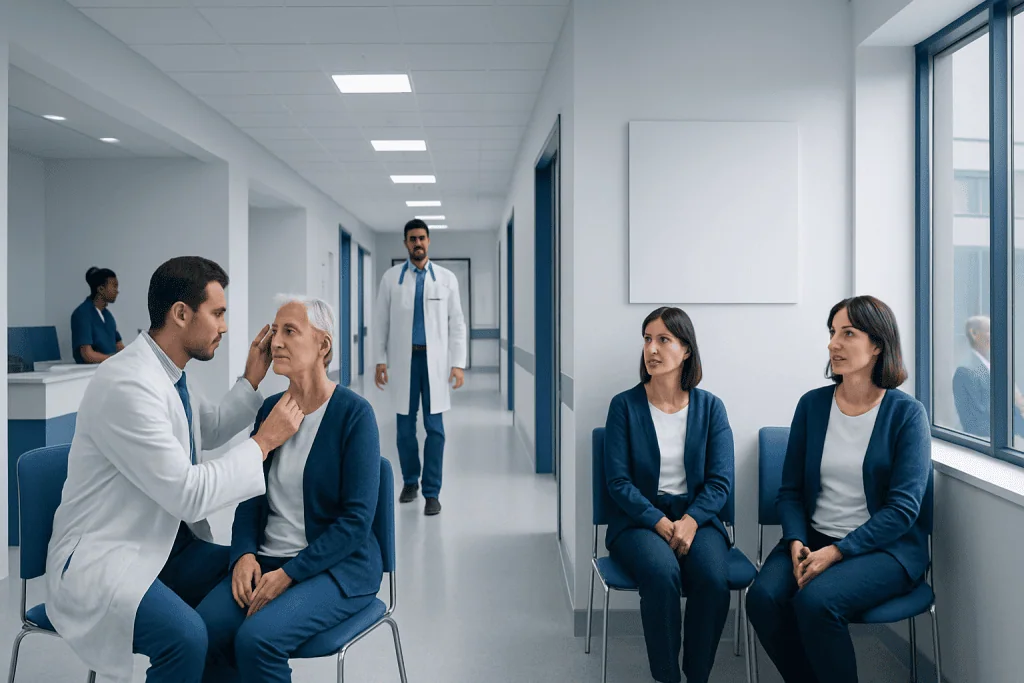
Urgent care can help with many eye problems such as redness, irritation, discharge, styes, and mild infections. Sudden vision loss, severe eye pain, chemical exposure, or major trauma should be treated as emergencies.
Key Takeaways
- Urgent care can help with many eye problems such as redness, irritation, discharge, styes, and mild infections.
- Sudden vision loss, severe eye pain, chemical exposure, or major trauma should be treated as emergencies.
- Contact lens wearers should seek prompt evaluation for painful red eyes because infections can worsen quickly.
- Children, people with diabetes, and anyone with worsening symptoms may need same-day medical advice.
- If vision changes are sudden or accompanied by headache, weakness, or facial drooping, emergency assessment is important.
Many eye symptoms can be safely assessed in urgent care, but some need immediate emergency attention. Knowing the difference can help a person protect vision, get prompt treatment, and avoid unnecessary delays.
Overview
Eye problems are common, and many are minor and temporary. Irritation from dryness, allergies, a small stye, or mild conjunctivitis may improve with simple care. Even so, the eyes are delicate, and some symptoms can signal a more serious condition that should not wait.
Urgent care is often a good option for eye redness, mild pain, discharge, itching, or swelling that develops suddenly but is not causing major vision loss. Many urgent care clinics can examine the eye, check vision, look for signs of infection, and decide whether a person needs specialist care. This can be helpful when a regular eye clinic or primary care office is not immediately available.
However, urgent care is not the right place for every eye problem. Severe trauma, sudden blindness, chemical burns, or symptoms suggesting a stroke or retinal emergency need emergency department evaluation right away. Understanding which symptoms are urgent and which are emergent can support faster, safer treatment.
Eye Problems That Often Can Be Seen in Urgent Care
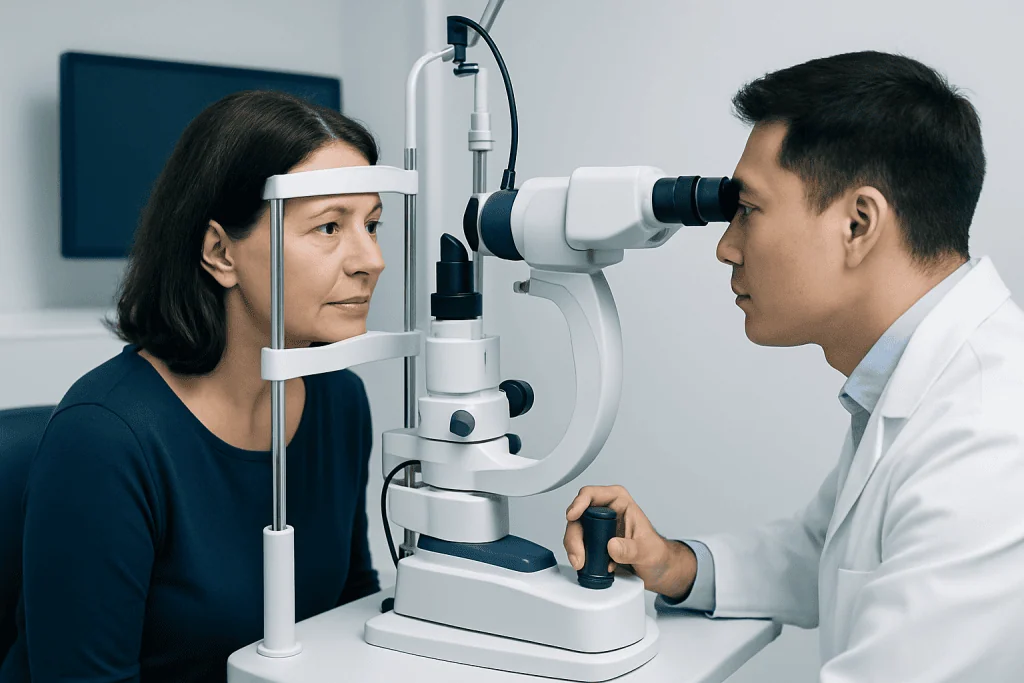
Urgent care may be appropriate when symptoms are uncomfortable but not rapidly threatening vision. Examples include mild to moderate eye redness, itching, watery eyes, crusting or discharge, eyelid swelling, a stye, or the feeling that something small is in the eye. People with seasonal allergies may also develop itchy, red eyes that can usually be assessed outside the emergency department.
Some infections and inflammations can also be evaluated in urgent care, especially if symptoms are limited to redness, discharge, irritation, and mild discomfort. Common conditions include pink eye, eyelid infections, and blocked tear drainage. In some cases, clinicians may recommend treatment for conjunctivitis or evaluation for a blocked tear duct if symptoms fit.
Urgent care can also be useful for a small bump on the eyelid, such as a stye or chalazion, especially if it becomes tender, swollen, or persistent. If needed, a person may later be referred for specialist assessment of a chalazion. The same applies to mild eye irritation related to contact lens use, provided there is no severe pain, light sensitivity, or vision loss.
- Red, itchy, or watery eyes
- Mild eye discharge or crusting
- Eyelid swelling, stye, or small eyelid lump
- Minor irritation after dust or wind exposure
- Mild discomfort from contact lenses
- A small subconjunctival hemorrhage without pain or vision change
Signs an Eye Problem May Be an Emergency
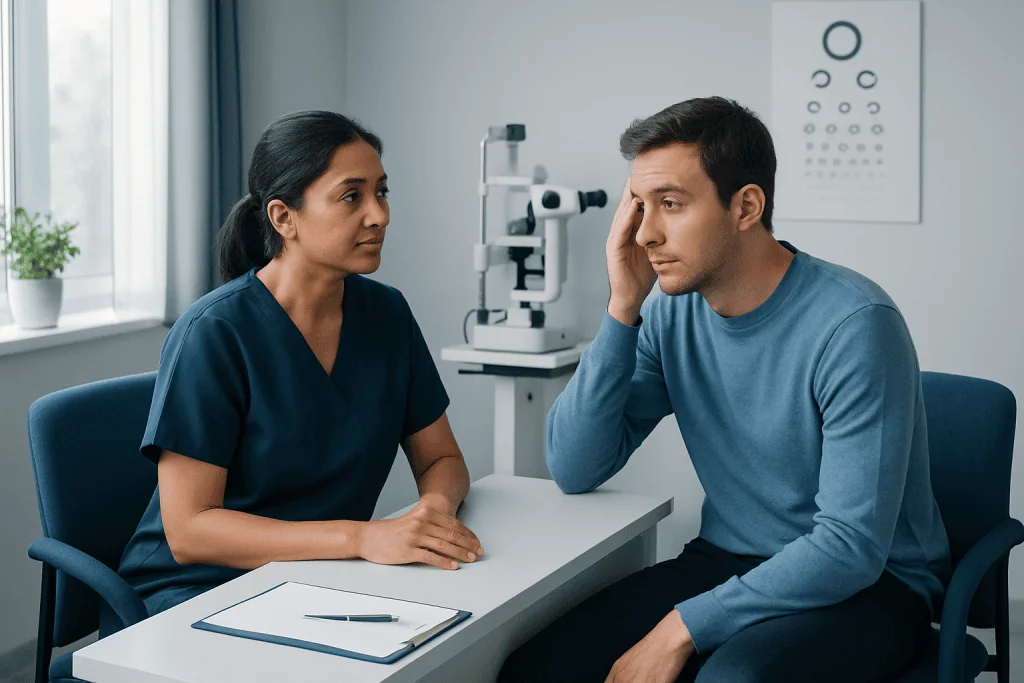
Some symptoms should never be delayed. Sudden vision loss in one or both eyes is an emergency, even if it lasts only a few minutes. New flashes of light, a sudden shower of floaters, or a dark curtain over part of the vision can suggest a retinal problem and should be assessed immediately. Severe eye pain, especially with nausea, vomiting, or halos around lights, also needs urgent emergency evaluation.
Eye trauma can be especially serious. A forceful hit to the eye, a cut near the eye, a suspected object embedded in the eye, or an eye injury from metal, glass, or high-speed tools should be treated in the emergency department. Chemical splashes are another emergency. The eye should be rinsed immediately with clean water while arranging urgent medical care.
Neurologic symptoms are also important. If eye symptoms come with drooping of the face, weakness, trouble speaking, severe headache, or double vision that starts suddenly, emergency care is necessary. These can point to conditions affecting the brain, nerves, or blood vessels and may require specialist evaluation such as neuro-ophthalmology.
- Sudden vision loss or major decrease in vision
- Severe eye pain or pain with marked light sensitivity
- Chemical splash or burn
- Penetrating injury or major blunt trauma
- New flashes, many floaters, or a curtain over vision
- Sudden double vision or eye symptoms with stroke-like signs
Common Causes and Risk Factors
Eye symptoms can develop for many reasons. Common causes include viral or bacterial infections, allergies, dry eye, contact lens irritation, clogged oil glands in the eyelids, and minor corneal scratches. Even everyday factors such as smoke, dust, cosmetics, prolonged screen time, or poor contact lens hygiene may trigger redness and discomfort.
Certain people have a higher risk of more serious problems. Contact lens wearers are more prone to corneal infections, especially if lenses are worn overnight or cleaned improperly. People with diabetes may have vision changes from blood sugar fluctuations or eye disease and should not ignore new symptoms. Conditions such as diabetic retinopathy can affect sight and may require specialist follow-up.
Older adults may be more vulnerable to glaucoma, retinal problems, or changes related to cataracts and macular disease. Individuals with autoimmune disease, recent eye surgery, or weakened immunity may also need more prompt assessment if redness, pain, or vision changes appear. In children, eye discharge, injury, or swelling should be taken seriously because young children may not describe symptoms clearly.
How Eye Problems Are Diagnosed
Evaluation usually begins with a brief history. A clinician may ask when symptoms started, whether one or both eyes are involved, if there is pain or discharge, and whether vision has changed. It is helpful to mention contact lens use, recent illness, allergies, injuries, chemical exposure, and any previous eye conditions.
A basic eye examination often includes checking visual acuity, looking at the pupils, examining the eyelids and eye surface, and assessing eye movements. Fluorescein dye may be used to identify scratches on the cornea or other surface damage. In some settings, pressure inside the eye may also be measured if glaucoma is a concern.
If the cause is not clear or there are signs of a more complex condition, referral to an ophthalmologist may be needed. More specialized assessment may include slit-lamp examination, retinal imaging, or tests such as eye angiography when blood vessel problems in the retina are suspected. Prompt referral is especially important when symptoms involve vision loss, the retina, the optic nerve, or possible internal eye inflammation.
Treatment Options and What to Expect
Treatment depends on the cause. Allergic eye symptoms may improve with avoiding triggers, cool compresses, and doctor-recommended eye drops. Mild bacterial infections may be treated with prescribed drops or ointment, while viral conjunctivitis is often managed with supportive care and hygiene measures. A stye or chalazion may respond to warm compresses and eyelid care.
For a scratched cornea or contact lens irritation, a clinician may advise stopping lens wear and using medication if needed. It is important not to use leftover eye drops or steroid drops without medical advice, as these can worsen some infections. Painful red eyes in contact lens users deserve special attention because corneal infections can progress quickly and may need specialist care, including cornea and external eye disease evaluation in selected cases.
More serious conditions need targeted treatment from an ophthalmologist or emergency team. This may include treatment for glaucoma, retinal tears, uveitis, severe infection, or trauma. Near the end of the care pathway, some patients may be referred to eye specialists at centers such as Acibadem International, where multidisciplinary teams in JCI-accredited hospitals diagnose and treat eye conditions for international patients.
Prevention and Self-Care
Good eye hygiene can prevent many common problems. Hands should be washed before touching the eyes or applying drops. Contact lenses should be cleaned and stored exactly as directed, and they should never be shared. Eye makeup should be removed regularly and replaced when old to reduce contamination.
Protective eyewear matters during sports, home repairs, gardening, and work with tools or chemicals. Sunglasses can reduce irritation from wind and ultraviolet light. For screen-related discomfort, regular breaks and blinking more often may ease dryness. Lubricating drops recommended by a clinician can also help some people.
Self-care is useful only for mild symptoms. A person should avoid rubbing the eye, trying to remove embedded objects, or patching an injured eye unless told to do so by a clinician. Home remedies should not replace medical assessment if pain, light sensitivity, discharge, or vision changes are worsening.
- Wash hands before touching the eyes
- Use contact lenses safely and stop wearing them if the eye becomes red or painful
- Wear protective eyewear for risky activities
- Do not use someone else’s eye drops or expired products
- Seek prompt care if symptoms are not improving within a day or two
When to See a Doctor
A same-day medical visit is sensible when an eye is red, painful, swollen, producing discharge, or unusually sensitive to light. Persistent symptoms, recurrent problems, or irritation that does not improve with basic care should also be checked. People who wear contact lenses should be especially cautious and seek prompt care if the eye becomes painful or vision turns blurry.
Emergency care is the better choice if there is sudden vision loss, significant trauma, a chemical injury, severe pain, or symptoms of retinal detachment such as flashes and floaters with a shadow in vision. Children, older adults, and people with diabetes or immune system problems should have a lower threshold for seeking help. When in doubt, calling an eye doctor, urgent care clinic, or emergency service can help a person choose the safest next step.
It can be helpful to bring glasses, contact lens information, a list of medications, and details about when symptoms began. These details may speed diagnosis and treatment. Prompt evaluation is reassuring in many cases and can be vision-saving in the small number of eye problems that are more serious.
Frequently asked questions
Can urgent care treat pink eye?
Yes, urgent care can often evaluate and treat pink eye, especially when symptoms include redness, discharge, and irritation. The clinician can help determine whether it is more likely viral, bacterial, or allergic and advise on treatment and hygiene.
Should a person go to urgent care for a red eye after wearing contact lenses?
A painful or very red eye in a contact lens wearer should be assessed promptly, because corneal infections can become serious quickly. If there is severe pain, strong light sensitivity, or reduced vision, emergency or specialist eye care may be more appropriate.
What eye symptoms should go to the emergency room instead of urgent care?
Sudden vision loss, severe eye pain, chemical exposure, major trauma, and new flashes or many floaters with a shadow over vision should be treated as emergencies. These symptoms can point to conditions that may threaten vision if care is delayed.
Is blurred vision always an emergency?
Not always, but sudden or marked blurred vision needs prompt medical attention. Mild blurring from dryness or irritation may be less urgent, but if it starts suddenly, affects one eye, or comes with pain, headache, or neurologic symptoms, emergency evaluation is important.
Can a person wait to see if an eye injury gets better on its own?
It is not a good idea to wait after a significant eye injury. Even injuries that look minor can involve the cornea or deeper structures, so medical assessment is recommended if there is pain, light sensitivity, tearing, or any change in vision.
What should someone do after a chemical gets into the eye?
The eye should be rinsed immediately with clean water or saline for several minutes while arranging urgent emergency care. Contact lenses should be removed if possible, but the priority is flushing the eye quickly and thoroughly.
References
- American Academy of Ophthalmology
- National Eye Institute
- American Optometric Association
- Mayo Clinic
- National Health Service
This article is for general information only and is not a substitute for professional medical advice. Please consult a qualified doctor about your individual situation.
Explore treatments in Turkey — costs, top hospitals & a free quote
JCI-accredited · board-certified surgeons · reply within 24h
Add us as a Preferred Source to see more of our trusted health content across Google Search, AI Overviews and Discover.