When to See a Doctor for Headaches: Warning Signs You Should Not Ignore

A sudden, extremely severe headache needs urgent medical evaluation. Headaches with weakness, confusion, vision loss, seizures, or trouble speaking are medical emergencies.
Key Takeaways
- A sudden, extremely severe headache needs urgent medical evaluation.
- Headaches with weakness, confusion, vision loss, seizures, or trouble speaking are medical emergencies.
- Fever, stiff neck, head injury, pregnancy, or a new headache after age 50 are important warning signs.
- Frequent or changing headaches should be assessed, even if they are not emergencies.
- A doctor can help identify the cause and recommend safe, effective treatment.
Most headaches are not dangerous, but some need prompt medical attention. Recognizing headache warning signs can help a person know when home care is reasonable and when a doctor or emergency evaluation is important.
Overview: Which Headaches Need Medical Attention?
Headaches are very common and are often caused by primary headache disorders such as tension-type headache or migraine. These headaches can be painful and disruptive, but they are not usually signs of a dangerous illness. In many cases, rest, hydration, regular meals, sleep, and appropriate over-the-counter medicine can help.
Still, some headaches are different. A headache may be a warning sign when it starts suddenly, feels unusually severe, comes with neurologic symptoms, or appears alongside fever, neck stiffness, or a recent head injury. A person may also need medical advice if headaches become more frequent, more intense, or different from their usual pattern.
Knowing when to see a doctor for headaches is important because early evaluation can identify serious causes and help prevent complications. It can also lead to better control of recurring headaches that affect work, school, sleep, or quality of life.
Common Headache Symptoms That Are Usually Not Emergencies
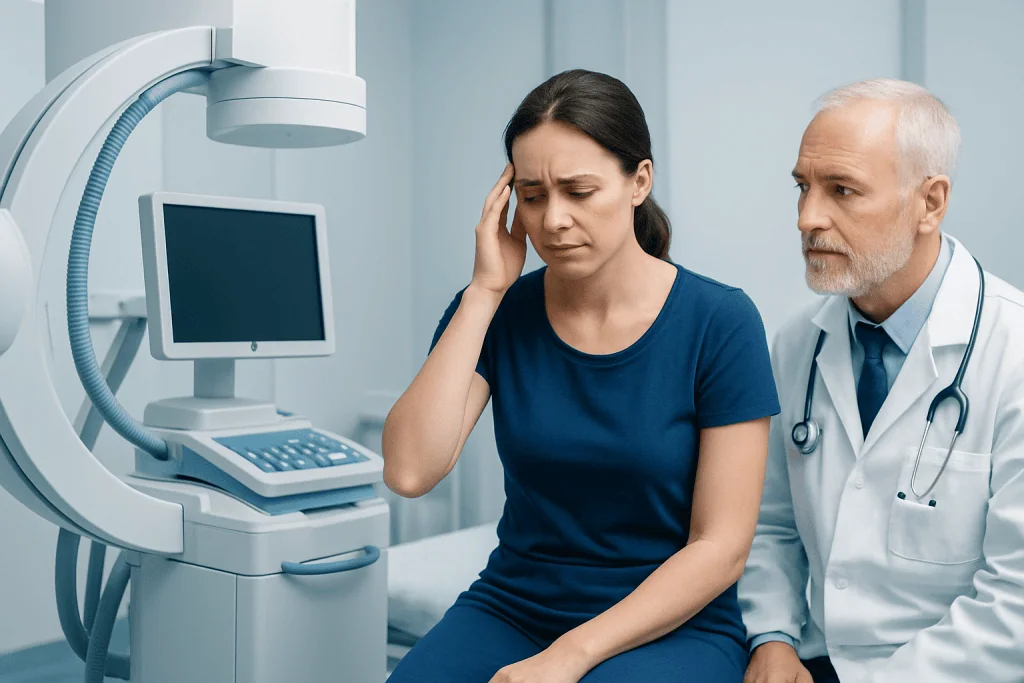
Many headaches are uncomfortable but not urgent. Tension-type headaches often cause a dull, pressing, or tightening sensation on both sides of the head. Migraines may cause throbbing pain, nausea, sensitivity to light or sound, and sometimes visual symptoms called aura. These conditions can still require medical care if they are frequent or severe, but they are not automatically emergencies.
A non-emergency headache often improves gradually with rest, fluids, food, sleep, and routine pain relief. It may be related to stress, muscle tension, missed meals, dehydration, eye strain, alcohol, or poor sleep. Some people can identify familiar triggers and learn ways to reduce them over time.
Even so, a headache that seems typical should be reassessed if it begins to change. A familiar migraine that becomes much stronger than usual, lasts much longer, or comes with new neurologic symptoms deserves prompt medical attention.
Warning Signs You Should Not Ignore

Certain headache symptoms should be taken seriously. A sudden headache that reaches maximum intensity within seconds to minutes is sometimes called a thunderclap headache. This type of pain needs emergency evaluation because it can be linked to bleeding around the brain or other dangerous conditions.
A headache also needs urgent attention if it happens with any of the following:
- Weakness, numbness, facial drooping, confusion, or trouble speaking
- Loss of vision, double vision, or other sudden visual changes
- Seizure, fainting, severe drowsiness, or loss of consciousness
- Fever, stiff neck, rash, or sensitivity to light with worsening illness
- A severe headache after a head injury, fall, or accident
- New headache during pregnancy or after delivery
- New headache in a person with cancer, immune suppression, or blood clotting problems
Other red flags are less dramatic but still important. These include a new headache after age 50, a headache that worsens over days or weeks, pain triggered by coughing or straining, or headache that wakes a person from sleep. Persistent vomiting, scalp tenderness, or jaw pain while chewing should also be assessed by a doctor.
If a person is unsure whether symptoms are serious, it is safest to seek medical advice. It is better to be evaluated and reassured than to ignore a potentially important warning sign.
Possible Causes of a Serious Headache
Most headaches are primary headaches, meaning the headache itself is the main problem. However, serious headaches can be secondary headaches, which happen because of another medical condition. Doctors look carefully for these causes when warning signs are present.
Possible serious causes include bleeding in or around the brain, stroke, meningitis, encephalitis, very high blood pressure, head injury, and inflammation of the arteries in older adults. Problems involving the eyes, sinuses, or pressure inside the skull may also lead to headache. In some cases, certain medicines or withdrawal from caffeine or other substances can contribute.
Doctors also ask about a person’s medical history because risk factors matter. Pregnancy, cancer, a weakened immune system, recent infection, use of blood thinners, and a history of blood clots can change how a headache is evaluated. A clinician may also consider whether a person has a known history of migraine or another recurring headache disorder, while still checking carefully for signs that suggest something new.
How Doctors Diagnose Concerning Headaches
Diagnosis starts with a detailed history. A doctor usually asks when the headache began, how quickly it came on, where the pain is located, what it feels like, how long it lasts, and whether anything makes it better or worse. They also ask about fever, trauma, nausea, vision changes, weakness, recent illness, pregnancy, medication use, and family history.
A physical and neurologic examination is an important next step. This may include checking blood pressure, temperature, strength, reflexes, balance, eye movements, neck stiffness, and mental status. In many people with typical recurrent headaches and no warning signs, this may be enough to guide treatment.
When red flags are present, further tests may be needed. Depending on the situation, a doctor may recommend blood tests, eye examination, or imaging such as MRI or CT scan to look for bleeding, stroke, tumor, infection, or other structural causes. In selected cases, a lumbar puncture may be needed to check for infection or bleeding that imaging may not fully explain.
Quick evaluation matters most when symptoms are sudden or neurologic. If there is concern about stroke-like symptoms or bleeding, emergency assessment helps doctors act without delay.
Treatment Options and What to Expect
Treatment depends on the cause. For common primary headaches, care may include rest, hydration, trigger management, and acute medicines to reduce pain or nausea. If headaches happen often, a doctor may discuss preventive treatment, lifestyle strategies, and headache tracking to identify patterns.
Secondary headaches are treated by addressing the underlying problem. This may mean treatment for infection, blood pressure control, care after head trauma, or specialized neurologic treatment. In emergency situations, treatment may need to begin in the hospital while the cause is being confirmed.
People who have recurrent severe headaches, disabling migraine, or headaches that are difficult to control may benefit from specialist care in neurology. If a structural brain problem is found, neurosurgery may be part of the treatment plan. Near the end of the care journey, some patients seek ongoing support from centers such as Acibadem International, where multidisciplinary specialists in JCI-accredited hospitals diagnose and treat headache-related conditions for international patients.
It is important not to overuse pain medicine. Taking headache-relief medicines too often can sometimes lead to medication-overuse headache, where headaches become more frequent and harder to control. A doctor can advise on safe use and better long-term strategies.
Prevention, Self-care, and Headache Tracking
Healthy habits can reduce many common headaches. Helpful steps include staying hydrated, eating regular meals, getting consistent sleep, limiting excess alcohol, reducing stress, and taking breaks from screens or repetitive neck strain. For some people, caffeine may help in small amounts, while for others too much caffeine or sudden withdrawal can trigger headaches.
Keeping a headache diary is often useful. A person can note when headaches happen, how severe they are, any associated symptoms, what was eaten or drunk, sleep quality, stress level, menstrual cycle timing, and medicines used. This information can help a doctor identify migraine, tension-type headache, medication overuse, or trigger patterns.
Self-care should never replace urgent evaluation when warning signs are present. Home measures are most appropriate for a familiar, mild-to-moderate headache without red flags. If symptoms are unusual, worsening, or accompanied by neurologic changes, professional care is the safer choice.
When to See a Doctor and When to Go to the Emergency Room
A routine medical appointment is appropriate when headaches are frequent, interfere with daily life, or are changing over time. A person should also see a doctor if headaches no longer respond to usual treatment, occur more than expected, or lead to repeated missed work, school, or family activities. Medical review is also wise for new headaches in older adults, people with chronic illnesses, or anyone concerned about overuse of pain medicines.
Urgent or emergency care is needed for a sudden severe headache, a headache with weakness or speech difficulty, seizure, fainting, confusion, fever with stiff neck, or severe headache after trauma. Emergency evaluation is also important for headache during pregnancy or after childbirth, or when a person has a history of cancer, significant immune suppression, or use of blood thinners.
If a person is uncertain, contacting a healthcare professional promptly can help guide the next step. Headaches are common, but the right evaluation at the right time can bring reassurance, symptom relief, and early treatment when it matters most.
Frequently asked questions
How do I know if a headache is serious?
A headache is more concerning if it starts suddenly and severely, feels different from usual, or comes with symptoms such as weakness, confusion, vision changes, fever, stiff neck, or seizure. A severe headache after a head injury also needs prompt medical attention.
Should I go to the emergency room for a sudden severe headache?
Yes. A sudden, very intense headache that reaches peak severity quickly should be treated as an emergency. It can sometimes be linked to bleeding around the brain or another urgent condition.
When should frequent headaches be evaluated by a doctor?
A doctor visit is a good idea if headaches are becoming more frequent, more painful, or harder to control. Evaluation is also important if headaches interfere with sleep, work, school, or everyday activities.
Can a migraine still need urgent medical care?
Yes. Even a person with known migraine should seek urgent help if the headache is much worse than usual or if there are new symptoms such as weakness, trouble speaking, fainting, or a major change in vision. A familiar diagnosis should not prevent checking for a new problem.
What tests might a doctor order for headaches?
The doctor may begin with a history and neurologic exam. If warning signs are present, tests can include blood work, eye examination, CT scan, MRI, or sometimes a lumbar puncture, depending on the suspected cause.
Are headaches during pregnancy a warning sign?
They can be. Some headaches in pregnancy are harmless, but a new, severe, or unusual headache during pregnancy or after delivery should be assessed promptly. It may be related to blood pressure changes or other conditions that need treatment.
References
- World Health Organization
- National Institute of Neurological Disorders and Stroke
- American Migraine Foundation
- Mayo Clinic
- National Health Service
This article is for general information only and is not a substitute for professional medical advice. Please consult a qualified doctor about your individual situation.
Explore treatments in Turkey — costs, top hospitals & a free quote
JCI-accredited · board-certified surgeons · reply within 24h
Add us as a Preferred Source to see more of our trusted health content across Google Search, AI Overviews and Discover.
Check your numbers in seconds
BMI, calories, due date, blood pressure and 30+ more clinical calculators — free, instant, doctor-reviewed ranges.