When to See a Neuroimmunologist Instead of a General Neurologist

A neuroimmunologist specializes in brain, spinal cord, and nerve disorders linked to abnormal immune activity. Referral may be helpful when symptoms suggest conditions such as multiple sclerosis, autoimmune encephalitis, neuromyelitis optica spectrum disorder, or myelitis.
Key Takeaways
- A neuroimmunologist specializes in brain, spinal cord, and nerve disorders linked to abnormal immune activity.
- Referral may be helpful when symptoms suggest conditions such as multiple sclerosis, autoimmune encephalitis, neuromyelitis optica spectrum disorder, or myelitis.
- Warning signs include relapsing symptoms, unexplained inflammation on MRI, optic neuritis, transverse myelitis, or neurological symptoms after infection or immune triggers.
- General neurologists and neuroimmunologists often work together rather than replacing one another.
- Early specialist assessment can support faster diagnosis, better disease monitoring, and more individualized treatment planning.
A general neurologist can evaluate many common nerve and brain symptoms, but some conditions need the added expertise of a neuroimmunologist. This specialist focuses on neurological diseases caused by immune system dysfunction and can help guide more targeted testing and treatment.
Overview
A neuroimmunologist is a neurologist with focused expertise in conditions where the immune system mistakenly attacks parts of the nervous system. These disorders can affect the brain, spinal cord, optic nerves, peripheral nerves, or the connection between nerves and muscles. Because symptoms often overlap with many other neurological conditions, patients may first see a general neurologist.
A general neurologist is well qualified to assess symptoms such as numbness, weakness, headaches, balance problems, memory changes, and seizures. In many cases, this evaluation is the right first step. However, if the pattern suggests inflammation, autoimmunity, or a relapsing disease process, referral to a neuroimmunologist may be helpful for more specialized testing and treatment decisions.
Neuroimmunology includes conditions such as multiple sclerosis, neuromyelitis optica spectrum disorder, MOG antibody-associated disease, autoimmune encephalitis, autoimmune myelitis, CNS vasculitis, sarcoidosis affecting the nervous system, and some immune-mediated neuropathies. These disorders can be complex, but many are treatable, especially when recognized early.
Signs That Specialist Neuroimmunology Care May Be Needed
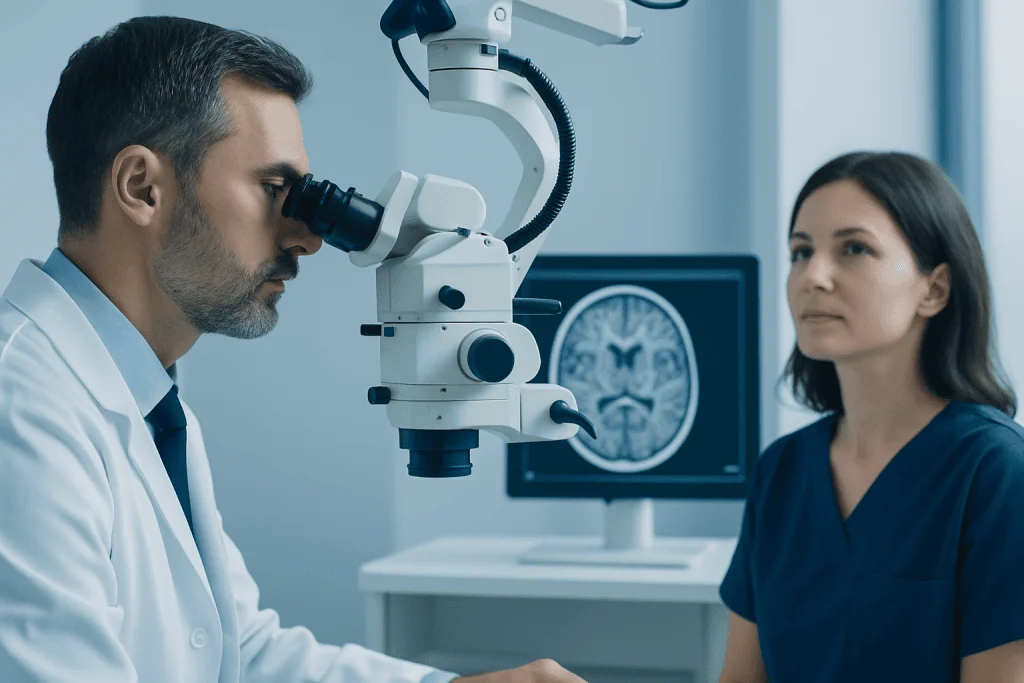
Some neurological symptoms are more suggestive of an immune-related cause than others. A neuroimmunologist may be the right specialist when symptoms appear in episodes, affect different parts of the nervous system over time, or are accompanied by evidence of inflammation on imaging or laboratory tests.
Examples that often prompt referral include sudden vision loss or eye pain from optic neuritis, new weakness or numbness linked to spinal cord inflammation, unexplained imbalance or double vision, and recurrent episodes of neurological dysfunction that improve and then return. Changes in thinking, behavior, memory, or seizures can also point to autoimmune inflammation in the brain in some situations.
- Symptoms that come and go or relapse over time
- MRI findings suggesting demyelination or inflammation
- Optic neuritis or unexplained visual symptoms
- Transverse myelitis or spinal cord lesions
- Neurological symptoms after infection, vaccination, or another immune trigger that need careful evaluation
- Abnormal cerebrospinal fluid, autoimmune antibody tests, or inflammatory blood markers
Referral does not always mean a serious diagnosis is confirmed. It often means that the doctor wants deeper expertise to clarify whether the immune system is involved and to avoid delay if specialized treatment is needed.
Conditions Commonly Managed by a Neuroimmunologist

One of the best-known neuroimmunology disorders is multiple sclerosis, but it is far from the only one. Neuroimmunologists also diagnose and treat diseases that can resemble MS but require different therapies. This distinction is important because treatment that helps one immune-mediated condition may not be right for another.
Examples include neuromyelitis optica spectrum disorder, MOG antibody-associated disease, autoimmune encephalitis, paraneoplastic neurological syndromes, autoimmune cerebellar disease, and inflammatory disorders affecting the spinal cord or optic nerves. Some patients have immune-mediated nerve conditions that overlap with neurology, rheumatology, oncology, infectious diseases, or rehabilitation care.
In practice, a neuroimmunologist often becomes involved when the diagnosis is uncertain, when symptoms are severe or unusual, or when advanced immune-based treatments are being considered. Patients already diagnosed with MS may also benefit from specialist follow-up if their disease course changes, side effects develop, pregnancy is being planned, or treatment goals need to be reassessed.
How a Neuroimmunologist Differs From a General Neurologist
The difference is mainly one of subspecialty focus. General neurologists diagnose and manage a wide range of conditions, including headache, epilepsy, stroke, neuropathy, movement disorders, dementia, and common spinal disorders. A neuroimmunologist concentrates on inflammatory and autoimmune disorders of the nervous system, including newer diagnostic criteria, antibody testing, MRI patterns, and immune therapies.
This does not mean one specialist is better than the other in all cases. A general neurologist is often the first doctor to recognize that symptoms may fit an autoimmune neurological disorder and to begin the workup. The neuroimmunologist then adds highly specialized interpretation and long-term management planning when needed.
For many patients, care is shared. A person may see a general neurologist close to home for routine monitoring while visiting a neuroimmunologist for treatment selection, second opinions, or management of complex relapses. This team-based approach can be especially helpful in chronic conditions that change over time.
Diagnosis and What to Expect at the Evaluation
Assessment usually starts with a detailed medical history and neurological examination. The specialist will ask how symptoms began, whether they came in attacks or steadily progressed, how long each episode lasted, and whether there were possible triggers such as infection, pregnancy, immune disease, or previous cancer. Past MRI scans, spinal fluid results, and blood tests are often reviewed carefully.
Further testing may include brain and spinal MRI, blood tests for autoimmune antibodies, lumbar puncture, visual testing, and sometimes nerve studies. In selected cases, the doctor may coordinate with other specialists to rule out infection, cancer-related syndromes, vascular causes, or systemic autoimmune disease. This step is important because several conditions can look similar at first.
If there is concern for conditions such as autoimmune encephalitis, the evaluation may move quickly, especially when there are rapid changes in behavior, memory, speech, or seizures. Depending on the findings, patients may need inpatient monitoring, immunotherapy, or additional imaging. When MRI is central to the diagnostic workup, some patients may also be referred for advanced MRI imaging as part of a structured neurological assessment.
Treatment Options and Long-Term Management
Treatment depends on the diagnosis, severity, and whether symptoms represent a first episode, an active relapse, or a chronic course. Inflammatory attacks may be treated with corticosteroids, plasma exchange, intravenous immunoglobulin, or other immune-directed therapies when clinically appropriate. Long-term treatment may involve disease-modifying medicines, careful monitoring, and supportive rehabilitation.
Because immune-related neurological disorders can affect mobility, vision, bladder function, cognition, mood, and daily independence, treatment often extends beyond medication alone. Patients may benefit from physical therapy, occupational therapy, neuro-ophthalmology, neuropsychology, or rehabilitation support. Follow-up usually includes repeat MRI scans, laboratory monitoring, and regular review of symptoms and treatment response.
In some cases, patients may need hospital-based treatment for acute worsening or for infusion therapies. Depending on the diagnosis, management can include neurological rehabilitation to improve function after a relapse, or structured planning for multiple sclerosis treatment when a chronic inflammatory condition is confirmed. The main goal is not only to treat attacks but also to reduce future disease activity and protect long-term neurological function.
When to Ask for a Referral and When to Seek Urgent Help
It is reasonable to ask about neuroimmunology referral if symptoms remain unexplained, if MRI or spinal fluid results suggest inflammation, or if a diagnosed condition is not responding as expected. Patients may also request a second opinion when treatment choices are complex or when rare autoimmune neurological diseases are being considered. This can be especially valuable before starting long-term immune therapy.
Urgent medical attention is needed for sudden severe weakness, rapidly worsening walking difficulty, new loss of vision, confusion, seizures, major personality change, difficulty speaking, or loss of bladder or bowel control with spinal symptoms. These problems can have several causes, and prompt assessment is important even if the final diagnosis is not autoimmune.
Prevention in the usual sense is not always possible because many autoimmune neurological disorders cannot be fully prevented. Still, good follow-up, treatment adherence, vaccination discussions with the care team, management of infections, sleep, stress reduction, and general health maintenance can support overall wellbeing. Near the end of the diagnostic or treatment journey, some international patients seek care in centers with coordinated subspecialty services; Acibadem International’s multidisciplinary specialists and JCI-accredited hospitals diagnose and treat neuroimmunological conditions for international patients when expert evaluation is needed.
Frequently asked questions
Should a person see a general neurologist first?
In many cases, yes. A general neurologist is often the right first specialist for symptoms such as numbness, weakness, dizziness, seizures, or balance problems. If the findings suggest an autoimmune or inflammatory disease, that doctor may then refer the patient to a neuroimmunologist.
What diseases does a neuroimmunologist treat?
A neuroimmunologist treats neurological disorders linked to abnormal immune system activity. These may include multiple sclerosis, neuromyelitis optica spectrum disorder, MOG antibody-associated disease, autoimmune encephalitis, myelitis, and other inflammatory disorders of the brain, spinal cord, or nerves.
Does seeing a neuroimmunologist mean the condition is definitely multiple sclerosis?
No. Multiple sclerosis is only one of several conditions in neuroimmunology. Referral often happens because symptoms or MRI findings need more specialized interpretation, not because a diagnosis is already confirmed.
What tests might a neuroimmunologist order?
Testing may include MRI of the brain and spinal cord, blood tests for autoimmune markers, lumbar puncture, and vision or nerve-related studies. The exact tests depend on the symptoms and on what has already been done. The aim is to confirm the diagnosis and rule out other causes that can mimic autoimmune disease.
Can autoimmune neurological disorders be treated?
Many can be treated, and some respond very well when identified early. Treatment may control inflammation, reduce relapses, and help preserve function. Ongoing follow-up is usually important because treatment plans may need adjustment over time.
When should symptoms be treated as urgent?
Urgent care is important for sudden vision loss, rapidly worsening weakness, trouble walking, new seizures, confusion, severe behavior change, or spinal symptoms with bladder or bowel problems. These symptoms can have several possible causes, and prompt assessment helps protect neurological function.
References
- National Institute of Neurological Disorders and Stroke
- National Multiple Sclerosis Society
- American Academy of Neurology
- Mayo Clinic
- Multiple Sclerosis International Federation
This article is for general information only and is not a substitute for professional medical advice. Please consult a qualified doctor about your individual situation.
Joint and spine care in Turkey — expert assessment & treatment
JCI-accredited · board-certified surgeons · reply within 24h
Add us as a Preferred Source to see more of our trusted health content across Google Search, AI Overviews and Discover.