When to See a Neuropsychiatrist: Diagnosis, Tests, and What to Expect

A neuropsychiatrist focuses on symptoms involving both brain health and mental health. Referral may be helpful for memory changes, personality changes, confusion, seizures with behavioral symptoms, or mood symptoms linked to a neurological illness.
Key Takeaways
- A neuropsychiatrist focuses on symptoms involving both brain health and mental health.
- Referral may be helpful for memory changes, personality changes, confusion, seizures with behavioral symptoms, or mood symptoms linked to a neurological illness.
- Assessment often includes a detailed history, neurological and mental status examination, and selected tests such as brain imaging or neuropsychological testing.
- Treatment depends on the cause and may combine medication, psychotherapy, rehabilitation, and care from multiple specialists.
- Urgent medical attention is important for sudden confusion, new seizures, stroke-like symptoms, or suicidal thoughts.
A neuropsychiatrist is a specialist who assesses symptoms at the intersection of brain function, behavior, mood, and thinking. Seeing one may help when emotional or cognitive changes could be related to a neurological condition, psychiatric condition, or both.
Overview: What a Neuropsychiatrist Does
A neuropsychiatrist is a doctor who works where neurology and psychiatry meet. This specialist evaluates symptoms that may involve both the brain and mental health, such as memory loss, personality change, confusion, hallucinations, mood changes after a neurological illness, or behavioral symptoms related to epilepsy, dementia, stroke, brain injury, or autoimmune disease. The goal is to understand whether symptoms are primarily neurological, psychiatric, or a combination of both.
Neuropsychiatry can be especially helpful when symptoms do not fit neatly into one category. For example, depression may appear after a stroke, anxiety may worsen in Parkinson’s disease, or seizures may be mistaken for panic attacks. In other cases, a person may have cognitive difficulties, agitation, or sleep changes that require careful assessment of brain function, medications, and emotional wellbeing.
This type of care is usually collaborative. A neuropsychiatrist may work alongside neurologists, psychiatrists, psychologists, neuroradiologists, sleep specialists, rehabilitation teams, and primary care physicians. This team approach can help build a clearer diagnosis and a treatment plan that addresses the whole person, not only one symptom.
When to See a Neuropsychiatrist
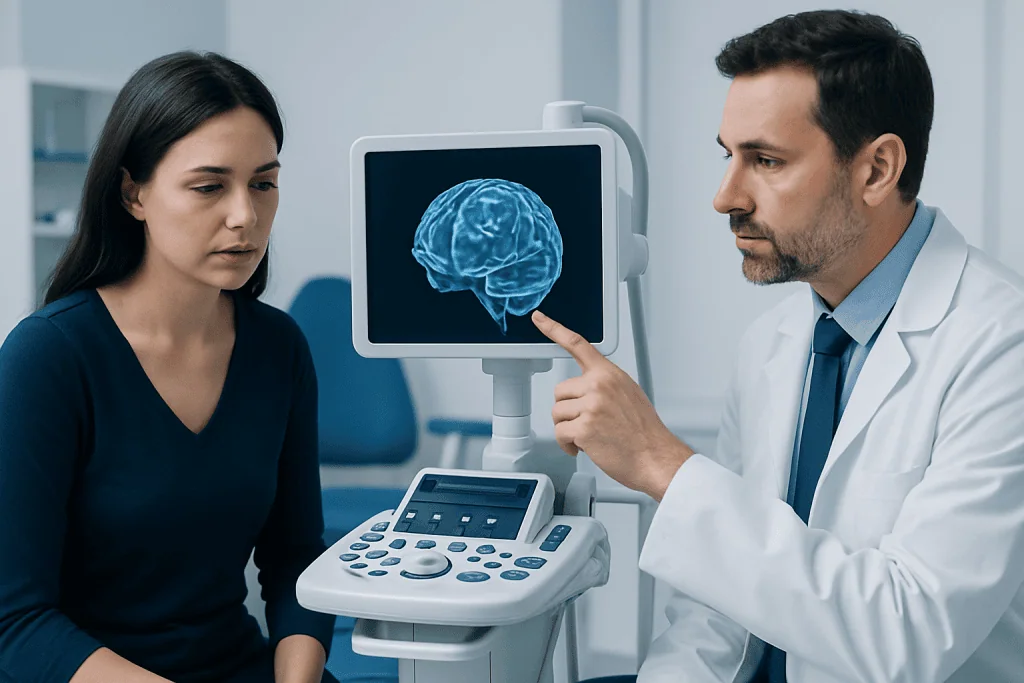
A referral to a neuropsychiatrist may be useful when a person has changes in mood, behavior, or thinking that could be related to a medical condition affecting the brain. Examples include memory decline, new irritability or disinhibition, confusion, unexplained fatigue with cognitive slowing, visual or auditory hallucinations, reduced concentration, or major personality changes. These symptoms are not always caused by a neuropsychiatric disorder, but they deserve proper assessment.
People are also commonly referred after a diagnosed neurological condition begins to affect mental health or daily functioning. This may happen after stroke, concussion, epilepsy, multiple sclerosis, Parkinson’s disease, dementia, brain infection, brain tumor, or chronic headache disorders. Some individuals are seen because treatment has not worked as expected, or because it is unclear whether symptoms are caused by the condition itself, medication side effects, or a separate mental health disorder.
In children, adults, and older adults, family members often notice the first signs. They may observe worsening judgment, unusual fearfulness, social withdrawal, impulsive behavior, neglect of self-care, or sleep-wake reversal. Seeking expert evaluation early can help identify reversible causes and support safer, more effective care.
- Memory or attention problems that interfere with work, school, or daily tasks
- Behavioral changes after head injury, infection, or neurological illness
- Depression, anxiety, or psychosis occurring with seizures or movement symptoms
- Confusion, agitation, or personality changes with no clear explanation
- Concerns about dementia, delirium, or cognitive decline
Conditions a Neuropsychiatrist May Evaluate

Neuropsychiatrists assess a wide range of conditions. Some are neurological illnesses with psychiatric or cognitive symptoms, such as Parkinson's disease, epilepsy, stroke, traumatic brain injury, encephalitis, or dementia. Others are psychiatric conditions that need careful medical evaluation because symptoms overlap with neurological disease, including severe mood disorders, psychosis, functional neurological symptoms, or dissociative states.
They may also evaluate problems related to sleep, attention, executive function, and behavior. For instance, a person with repeated nighttime confusion may need assessment for seizures, sleep disorders, medication effects, or neurodegenerative disease. Someone with sudden apathy or loss of social awareness may need screening for frontal lobe disorders rather than being treated only for depression.
Another important area is medication-related symptoms. Some drugs used for pain, sleep, seizures, or movement disorders can affect mood, alertness, and cognition. A neuropsychiatrist considers the timing of symptoms, the person’s full medical history, and any underlying psychiatric or neurological diagnoses before deciding what further testing or treatment may be needed.
Diagnosis and Tests: What the Evaluation May Include
The first appointment usually begins with a detailed conversation about symptoms, their onset, and how they affect daily life. The doctor may ask about memory, concentration, language, sleep, appetite, mood, stress, substance use, recent infections, injuries, and family history. When possible, a family member or caregiver may be invited to share observations, especially if the patient has confusion or memory difficulty.
The clinical examination commonly includes both a mental status assessment and a neurological examination. The doctor may check orientation, attention, speech, insight, mood, thought process, and perception, while also examining movement, coordination, reflexes, sensation, and gait. These findings can help determine whether symptoms suggest a psychiatric illness, a neurological disorder, or both.
Additional tests depend on the person’s symptoms. Blood tests may be used to look for metabolic, hormonal, vitamin, infectious, or inflammatory causes of cognitive or behavioral change. Brain imaging such as MRI scanning may be recommended to assess structural changes, inflammation, stroke, tumors, or other abnormalities. In some cases, an EEG helps evaluate seizures or episodes of altered awareness, and detailed neuropsychological testing can measure memory, language, attention, and executive function more precisely.
Not every patient needs every test. Good diagnosis is based on selecting the most appropriate studies for the situation. The aim is to avoid missing a treatable medical cause while also recognizing emotional and psychiatric factors that may need support.
What to Expect After Diagnosis
Once the evaluation is complete, the neuropsychiatrist explains the findings in clear terms and outlines the likely diagnosis or diagnoses. Sometimes the answer is straightforward, such as depression after stroke or cognitive symptoms related to epilepsy. In other cases, the diagnosis may remain provisional until further observation, test results, or specialist input is available.
Treatment is individualized. It may include medication to manage mood symptoms, anxiety, psychosis, attention problems, sleep disturbance, or seizures. Psychotherapy or counseling may be recommended to help with coping, adjustment, behavior change, or caregiver stress. If a neurological illness is contributing, treatment may also focus on the underlying brain condition and on reducing medication side effects.
Some people benefit from rehabilitation services such as speech therapy, occupational therapy, or cognitive rehabilitation. Others may need support with safety planning, driving, work adjustments, or school accommodations. Follow-up visits are often important because symptoms can change over time, especially in conditions that fluctuate or progress gradually.
Self-care, Family Support, and Coordinated Treatment
Daily habits can make a meaningful difference alongside medical treatment. Regular sleep, physical activity suited to the person’s abilities, balanced nutrition, medication adherence, and a structured routine may help support brain health and emotional stability. Avoiding alcohol misuse and discussing all over-the-counter or herbal products with a clinician is also important, as these may affect cognition or interact with treatment.
Family members and caregivers often play a central role. Keeping a written record of symptoms, triggers, episodes of confusion, sleep patterns, and medication changes can be helpful for appointments. It may also be useful to note whether symptoms are sudden or gradual, constant or episodic, and whether they worsen at certain times of day.
Because neuropsychiatric symptoms can affect relationships and independence, practical support matters. This may include reminders for medication, assistance with appointments, supervision during high-risk periods, or modifications at home to improve safety. For international patients who need specialist assessment, Acibadem International’s multidisciplinary teams and JCI-accredited hospitals provide diagnosis and treatment across neurology, psychiatry, imaging, and rehabilitation services.
When to Seek Prompt Medical Attention
Some symptoms need urgent evaluation rather than a routine appointment. Sudden confusion, new weakness, trouble speaking, facial drooping, severe headache, fainting, or a new seizure can signal a medical emergency. A rapid change in consciousness, high fever with altered behavior, or confusion after a head injury also requires immediate care.
Urgent help is also important if a person becomes severely agitated, cannot care for basic needs, has rapidly worsening hallucinations or paranoia, or appears at risk of harming themselves or others. Suicidal thoughts should always be taken seriously. In these situations, seeking emergency medical attention is the safest step.
Even when symptoms are not an emergency, it is wise to arrange medical review if they are persistent, progressive, or affecting work, school, driving, relationships, or self-care. Early assessment can improve clarity, reduce distress, and help guide appropriate treatment before problems become more disruptive.
Frequently asked questions
What is the difference between a neurologist, psychiatrist, and neuropsychiatrist?
A neurologist focuses on disorders of the brain, spinal cord, nerves, and muscles. A psychiatrist focuses on mental health conditions such as depression, anxiety, bipolar disorder, and psychosis. A neuropsychiatrist evaluates symptoms that overlap both areas, especially when behavior, mood, thinking, and brain disease may be connected.
Does seeing a neuropsychiatrist mean symptoms are serious?
Not necessarily. Many referrals are made simply because symptoms are complex or do not clearly fit one specialty. The purpose is to understand the cause and create a treatment plan, including identifying any reversible problems.
What tests might a neuropsychiatrist order?
Testing depends on the symptoms and medical history. Common options include blood tests, brain imaging, EEG, cognitive screening, and full neuropsychological assessment. Not everyone needs extensive testing, and the evaluation is usually tailored to the individual.
Can a neuropsychiatrist treat anxiety or depression?
Yes, especially when anxiety or depression occurs together with a neurological disorder or cognitive symptoms. Treatment may include medication, psychotherapy, lifestyle strategies, and coordination with neurology or primary care. The exact plan depends on the diagnosis and the person's overall health.
Should a family member attend the appointment?
Often, yes. A relative or caregiver can provide helpful details about memory changes, behavior, sleep, and day-to-day functioning. This can be especially useful when the patient has confusion, poor recall, or limited insight into symptoms.
How should someone prepare for the first visit?
It helps to bring a medication list, prior test results, and a timeline of symptoms. Patients may also prepare notes about mood changes, memory issues, sleep patterns, seizures, injuries, or recent illnesses. If available, observations from family members can add important context.
References
- World Health Organization
- National Institute of Mental Health
- National Institute of Neurological Disorders and Stroke
- American Psychiatric Association
- American Academy of Neurology
This article is for general information only and is not a substitute for professional medical advice. Please consult a qualified doctor about your individual situation.
Explore treatments in Turkey — costs, top hospitals & a free quote
JCI-accredited · board-certified surgeons · reply within 24h
Add us as a Preferred Source to see more of our trusted health content across Google Search, AI Overviews and Discover.

More from the Health Library



Related Specialists

Dr. Ahmet Sabir Duhaır
Emergency Service
Dyt. Edagül Kopuz
Nutrition & Diet
Pdg. Ayşe Günsay
Podiatry & Foot Health
Prof. Dr. Göksel Dikmen
Orthopedic Surgery & Traumatology