When to See an Eye Doctor: Early Symptoms You Should Not Ignore

Sudden vision loss, severe eye pain, flashes of light, or a curtain-like shadow need urgent medical evaluation. Persistent redness, discharge, light sensitivity, or blurred vision should be assessed if they do not improve quickly.
Key Takeaways
- Sudden vision loss, severe eye pain, flashes of light, or a curtain-like shadow need urgent medical evaluation.
- Persistent redness, discharge, light sensitivity, or blurred vision should be assessed if they do not improve quickly.
- People with diabetes, high blood pressure, glaucoma risk, or a history of eye disease may need earlier assessment for new symptoms.
- Regular eye exams remain important even without symptoms because some eye diseases develop silently.
- Early diagnosis often makes treatment simpler and can help prevent permanent vision problems.
Many eye symptoms are minor and temporary, but some can point to conditions that need prompt medical attention. Knowing which warning signs should not be ignored can help protect vision and support earlier, more effective treatment.
Overview: why early eye symptoms matter
The eyes can be affected by a wide range of problems, from simple irritation and dryness to infections, injuries, and diseases that threaten vision. Because symptoms sometimes begin subtly, it is common for people to wait and hope the problem will pass. In many cases it does, but certain warning signs should not be ignored because delayed care may allow damage to progress.
Some eye conditions develop quickly, such as corneal injury, infection, retinal problems, or a sudden rise in eye pressure. Others are slower and may cause only mild blurring, difficulty seeing at night, or gradual loss of side vision. The challenge is that a symptom that seems small at first can occasionally be the first clue to a more serious issue.
Learning when to see an eye doctor does not mean assuming the worst. It simply means recognizing changes that deserve professional assessment. A timely examination can bring reassurance when the cause is minor and can also help preserve vision when treatment is needed.
Symptoms that should not be ignored
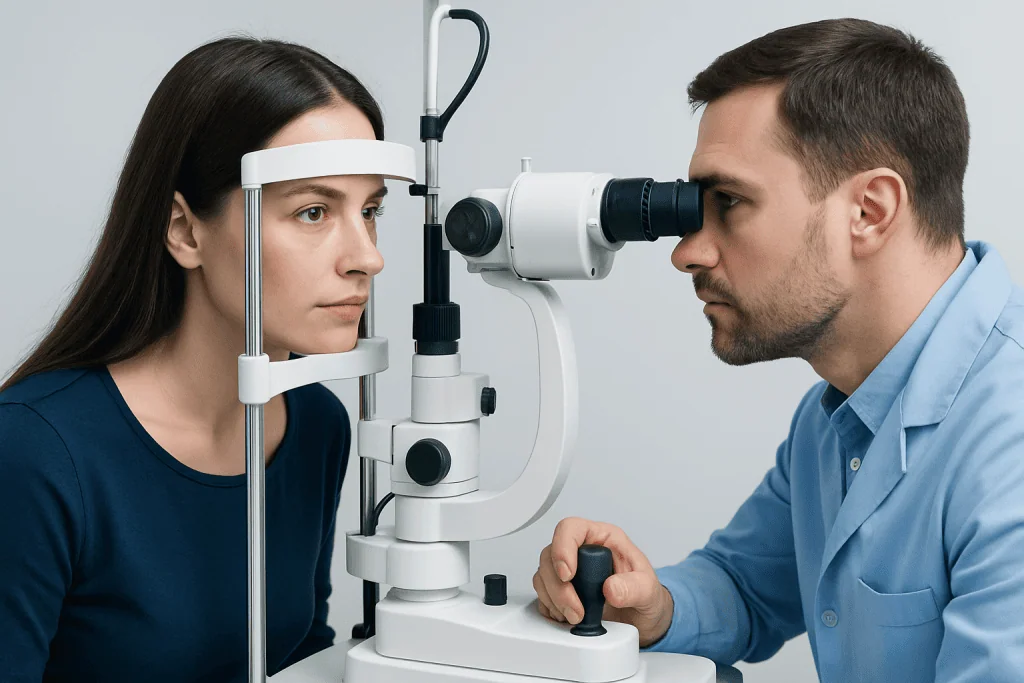
Several symptoms deserve prompt attention, especially if they appear suddenly or are getting worse. Sudden loss of vision in one or both eyes is always urgent. This includes complete loss, a dark area in the field of vision, or a curtain-like shadow. New flashes of light, a sudden shower of floaters, or distorted vision may also point to a retinal problem that should be evaluated quickly.
Eye pain is another important sign. Mild surface irritation may come from dryness, allergy, or a foreign body, but moderate to severe pain, pain with nausea, or pain along with blurred vision can signal a more serious condition. Persistent redness, swelling around the eye, significant sensitivity to light, or thick discharge are also reasons to seek care.
Other symptoms that should not be overlooked include:
- Double vision
- Blurred vision that does not clear
- Halos around lights
- New trouble focusing
- One pupil looking different from the other
- Eye symptoms after an injury or chemical exposure
- Headache with visual changes
Children may not always describe vision symptoms clearly. Squinting, covering one eye, sitting very close to screens, frequent eye rubbing, unusual head tilting, or complaints of headaches may all suggest a need for an eye assessment.
What these symptoms can mean

Eye symptoms can have many possible causes, and not all are emergencies. Redness and irritation may come from dry eye, allergy, blepharitis, or conjunctivitis. Blurred vision can happen with changing glasses prescriptions, fatigue, dry eyes, or common age-related changes. However, the same symptoms can also be linked to corneal infection, inflammation inside the eye, glaucoma, or retinal disease.
Flashes, floaters, or a shadow in the vision may occur when the gel inside the eye changes with age, but they can also be signs of a retinal tear or retinal detachment. Severe pain, halos, and sudden blurred vision can occur with glaucoma, especially when eye pressure rises quickly. Central blurring or distortion may be related to macular disease, while progressive cloudiness can be associated with cataracts.
General health conditions can also affect the eyes. Diabetes and high blood pressure may damage small blood vessels in the retina, sometimes before a person notices any symptoms. Autoimmune conditions, migraine, neurological disorders, and infections can all cause visual changes as well. This is one reason new or unexplained eye symptoms are best assessed by a qualified doctor rather than self-diagnosed.
Risk factors that make eye symptoms more important
Anyone can develop an eye problem, but some people should be especially careful about new symptoms. Adults over 40 may be at higher risk of age-related eye disease. People with diabetes, high blood pressure, autoimmune conditions, thyroid disease, or a family history of glaucoma or retinal disease may also need closer monitoring.
Contact lens wear can increase the risk of corneal irritation and infection, particularly if lenses are worn too long, cleaned improperly, or used while swimming or sleeping. People who spend many hours on digital screens often experience dryness, eye strain, and blurred vision, which may be uncomfortable but can also mask another condition if symptoms persist.
Other risk factors include smoking, previous eye surgery, prior eye trauma, and regular use of certain medications that may affect the eyes. Occupational exposure matters too. People who work with chemicals, metal, wood, or high-speed tools should take eye injuries seriously, even when discomfort seems mild at first.
How an eye doctor evaluates symptoms
An eye examination usually begins with a detailed history. The doctor may ask when the symptom started, whether it came on suddenly or gradually, whether one or both eyes are affected, and whether there is pain, discharge, headache, trauma, or sensitivity to light. Information about general health conditions, medications, and contact lens use is also important.
The examination often includes a vision test, assessment of eye movements, pupil reactions, and measurement of eye pressure. The doctor may use a slit lamp microscope to examine the eyelids, cornea, conjunctiva, iris, and lens. Dilating eye drops may be used to examine the retina and optic nerve more fully, especially if flashes, floaters, or vision loss are present.
Additional tests may be recommended depending on the findings. These can include imaging of the retina or optic nerve, visual field testing, corneal staining, or scans that help assess deeper eye structures. If symptoms suggest a structural problem, treatment may involve medical therapy, laser procedures, or surgery such as vitrectomy or cataract surgery. The main goal is to identify the cause early and guide the most appropriate care.
Treatment options and what to expect
Treatment depends entirely on the cause of the symptom. Dry eye may improve with lubricating drops, lifestyle changes, and management of screen habits or environmental triggers. Allergic symptoms may respond to avoiding triggers and using doctor-recommended medications. Eye infections may require prescription drops or other targeted treatment, and contact lenses usually need to be stopped until the eye has healed.
More urgent conditions need faster intervention. High eye pressure, corneal injury, inflammation, or retinal tears may require same-day treatment to reduce the risk of lasting damage. Structural conditions such as advanced lens clouding or certain retinal disorders may be treated with procedures including smart lenses in selected lens cases or retinal surgery when appropriate.
Follow-up is often just as important as the initial visit. Some problems improve quickly but still need monitoring to confirm healing and ensure that vision returns to baseline. If symptoms change or worsen during treatment, the patient should contact the eye doctor promptly rather than waiting for the next scheduled appointment.
Prevention and self-care for everyday eye health
Not every eye problem can be prevented, but simple habits can reduce risk. Regular eye exams are important because some common diseases, including glaucoma and diabetic eye disease, may develop without early symptoms. For many adults, check-up frequency depends on age, personal risk, and existing eye conditions.
Everyday self-care also matters. Good contact lens hygiene, screen breaks, adequate lighting, hydration, and protective eyewear during sports or hazardous work can help prevent irritation and injury. People with diabetes or high blood pressure benefit from keeping these conditions well managed, as this supports eye health as well as general health.
It is also wise to avoid rubbing the eyes and to use eye drops carefully. Redness-reducing drops may temporarily whiten the eye but do not treat the underlying cause. If symptoms persist, keep coming back, or affect vision, professional advice is the safest approach. Near the end of the care journey, some patients may choose specialized centers; Acibadem International’s multidisciplinary specialists in JCI-accredited hospitals diagnose and treat eye conditions for international patients.
When to seek urgent care
Urgent or emergency assessment is important if there is sudden vision loss, severe eye pain, a sudden increase in floaters, flashes of light, a curtain-like shadow, double vision, significant injury, or chemical exposure. Immediate care is also needed for marked swelling around the eye, severe light sensitivity, or redness with worsening vision. These symptoms may not always indicate a serious condition, but they should be treated as time-sensitive until evaluated.
If a chemical gets into the eye, the first step is to rinse the eye with clean water immediately and continuously, then seek urgent medical help. If there has been trauma, especially with metal, glass, or high-speed impact, the eye should not be rubbed or pressed. In such situations, a person should avoid driving if vision is affected and seek help from emergency services or another adult.
For symptoms that are not severe but still concerning, arranging a prompt appointment with an eye doctor is usually the best next step. Early assessment often leads to quicker relief, clearer answers, and better protection of long-term vision.
Frequently asked questions
Is blurred vision always an emergency?
Not always. Blurred vision can result from dry eyes, eye strain, or a need for updated glasses, but sudden or persistent blurring should be checked, especially if it affects one eye, comes with pain, or appears with flashes or floaters.
Are flashes and floaters normal with age?
Some floaters become more common with age and may be harmless. However, a sudden increase in floaters, new flashes of light, or a shadow in the vision can be a warning sign of a retinal tear or detachment and should be assessed urgently.
When should red eyes be seen by a doctor?
A mildly irritated red eye may improve on its own, especially if caused by dryness or allergy. Redness should be checked if it is painful, affects vision, produces significant discharge, comes with light sensitivity, or does not improve within a short time.
Should someone see an eye doctor after an eye injury even if symptoms seem mild?
Yes, especially if the injury involved chemicals, metal, glass, sports impact, or ongoing discomfort. Some injuries damage the cornea or deeper eye structures without causing severe pain right away, so timely evaluation is important.
How often should adults have routine eye exams?
The right schedule depends on age, vision needs, and personal risk factors. People with diabetes, family history of eye disease, previous eye problems, or changing vision may need exams more often than adults at lower risk.
Can headaches be related to eye problems?
Yes. Eyestrain, changes in prescription, light sensitivity, and some eye diseases can contribute to headaches, though headaches may also come from non-eye causes. If headache occurs with visual changes, nausea, or eye pain, prompt medical advice is important.
References
- American Academy of Ophthalmology
- National Eye Institute
- Centers for Disease Control and Prevention
- World Health Organization
This article is for general information only and is not a substitute for professional medical advice. Please consult a qualified doctor about your individual situation.
Explore treatments in Turkey — costs, top hospitals & a free quote
JCI-accredited · board-certified surgeons · reply within 24h
Add us as a Preferred Source to see more of our trusted health content across Google Search, AI Overviews and Discover.
Check your numbers in seconds
BMI, calories, due date, blood pressure and 30+ more clinical calculators — free, instant, doctor-reviewed ranges.

More from the Health Library



Related Specialists

Dr. İlker Alver
Neurosurgery
Dr. İletişim | 444 55 44
Rheumatology
Dr. Davit Çukran
Internal Medicine
Asst. Prof. Dr. Kemal Ünal
Gastrointestinal Oncology Unit Clinical Service