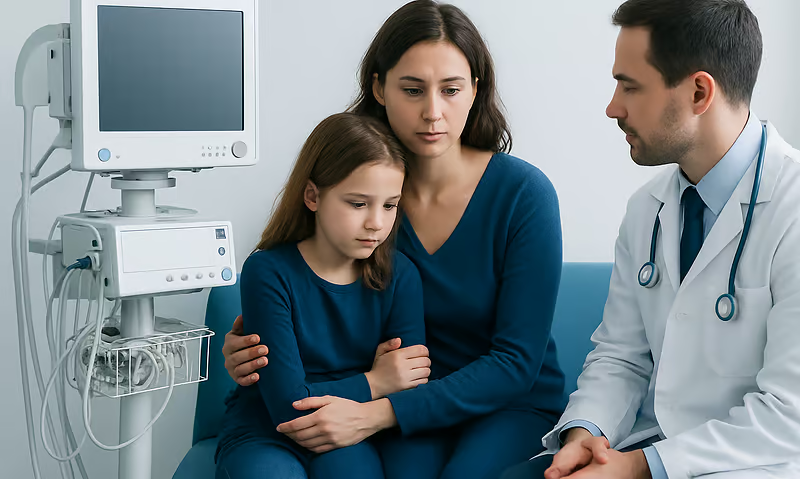
When to Seek a Second Opinion for a Child’s Diagnosis

A second opinion can confirm a diagnosis, suggest alternatives, or clarify treatment choices. Parents often seek another opinion when symptoms do not improve, the diagnosis is unclear, or treatment is complex.
Key Takeaways
- A second opinion can confirm a diagnosis, suggest alternatives, or clarify treatment choices.
- Parents often seek another opinion when symptoms do not improve, the diagnosis is unclear, or treatment is complex.
- Getting a second opinion is common in pediatric care and can support better shared decision-making.
- Bringing test results, symptom notes, and questions helps the consultation go more smoothly.
- Urgent symptoms still need prompt medical attention and should not be delayed while arranging another opinion.
A second opinion for a child's diagnosis can be a helpful, routine step when parents want more clarity, confidence, or treatment guidance. It does not mean distrust; in many cases, it helps families better understand the diagnosis and choose the most appropriate next steps.
Overview
A second opinion for a child’s diagnosis means asking another qualified doctor to review a child’s symptoms, medical history, test results, and treatment plan. This is a common and reasonable part of healthcare. Families may want reassurance that the diagnosis is correct, a clearer explanation of what it means, or guidance on whether the recommended treatment is the best option.
Children can develop illnesses that are straightforward to diagnose, but some conditions are more complex. Symptoms may overlap across different illnesses, and children may not always be able to describe what they feel in detail. For these reasons, another expert perspective can be valuable, especially if the condition is rare, long-lasting, or affecting everyday life.
Seeking another medical opinion does not usually reflect a lack of trust in the first doctor. In many situations, clinicians themselves welcome a second review, particularly when a diagnosis is uncertain or treatment choices are significant. The main goal is to help parents make informed decisions with confidence and to support the child’s health and well-being.
When a Second Opinion May Be Helpful
There are several situations in which a second opinion may be especially useful. One common reason is uncertainty. If parents feel they do not fully understand the diagnosis, why certain tests are needed, or what the treatment is expected to do, another consultation can provide clearer explanations and help fill in gaps.
It may also be worth seeking another opinion if the child’s symptoms are not improving, are getting worse, or do not seem to match the diagnosis given. Sometimes the first diagnosis is correct but the treatment plan needs adjustment. In other cases, another doctor may consider additional possibilities that deserve further evaluation.
A second opinion is often sensible when major decisions are involved, such as surgery, long-term medication, invasive testing, or treatment for a chronic or serious illness. It can also help if a child has been diagnosed with a rare condition, multiple conditions, or a problem that requires care from several specialists.
- The diagnosis is unclear or has changed more than once.
- Symptoms continue despite treatment.
- The recommended treatment is complex, high-risk, or long term.
- Parents want to understand alternatives, benefits, and possible side effects.
- The condition may affect growth, development, learning, or quality of life.
Signs Parents Should Not Ignore
Parents know their child’s usual behavior, energy, sleep, and appetite better than anyone. If something continues to feel wrong even after an appointment, that concern is worth paying attention to. Persistent pain, repeated fevers, unexplained weight loss, ongoing fatigue, breathing difficulties, changes in walking or coordination, and developmental regression are examples of issues that may justify further review.
Another reason to reconsider a diagnosis is if symptoms are broad or recurring and no clear cause has been identified. Some children have health concerns that appear in cycles, affect more than one body system, or trigger repeated visits without a lasting answer. In such cases, a second opinion may help organize the pattern and guide the next steps in testing or referral.
Parents may also benefit from another opinion if they feel rushed, unheard, or uncertain after the first consultation. Good communication is an important part of pediatric care. Families should feel able to ask questions, understand the reasoning behind medical decisions, and know what warning signs to watch for at home.
If a child has urgent symptoms such as severe trouble breathing, dehydration, confusion, seizures, chest pain, severe allergic reactions, or a sudden change in consciousness, emergency care should be sought immediately. A second opinion can wait until the child is stable and urgent needs have been addressed.
How Doctors Review a Child's Diagnosis
During a second-opinion visit, the doctor usually begins by taking a full history. This includes the child’s symptoms, when they started, what makes them better or worse, past illnesses, medications, allergies, family history, and any previous hospital visits. A careful history can be very important, because new details sometimes change the direction of the evaluation.
The doctor may then review the physical examination findings and any available test results, such as blood tests, imaging, pathology reports, or specialist assessments. In some cases, the second doctor agrees with the original diagnosis and treatment plan. In others, they may suggest further tests, a different interpretation of findings, or referral to another pediatric specialist.
Not every second opinion results in a new diagnosis. Often, its value lies in confirming that the current plan is appropriate and helping families understand why. That reassurance can make it easier to move forward with treatment, especially when decisions involve close monitoring, procedures, or long-term follow-up.
If the concern involves an organ system or a complex condition, the second opinion may come from a pediatric subspecialist such as a neurologist, cardiologist, gastroenterologist, endocrinologist, or oncologist. Multidisciplinary review can be especially helpful when symptoms affect several areas of health at the same time.
Preparing for a Second Opinion Appointment
Preparation can help families get the most from the visit. It is useful to bring or send copies of the child’s medical records, growth charts, vaccination history, medication list, lab reports, imaging results, and discharge summaries. If imaging was performed, the actual images as well as the written report may be requested.
Parents may also find it helpful to keep a symptom diary. Notes about when symptoms happen, how long they last, possible triggers, and how the child behaves before and after episodes can provide valuable clues. Photos or videos can sometimes help illustrate symptoms that are not always present during the appointment, such as unusual movements, rashes, or breathing changes.
Writing down questions in advance can make the consultation more focused. Common questions include: What is the most likely diagnosis? Are there other possibilities? Are more tests needed? What are the risks and benefits of treatment? What happens if treatment is delayed or changed? How should the child be monitored over time?
Families should also ask how the second opinion will be shared with the original doctor. Coordinated communication between clinicians can reduce duplication, improve continuity, and help ensure the child receives consistent advice.
What Happens After a Second Opinion
After the second opinion, there are several possible outcomes. The new doctor may confirm the original diagnosis and support the same treatment plan. This can provide reassurance and strengthen trust in the next steps. Alternatively, the second doctor may suggest a modified treatment approach, recommend further evaluation, or identify a different diagnosis.
If the opinions differ, parents may need help comparing the reasons behind each recommendation. It can be useful to ask both doctors to explain how they reached their conclusions, what evidence supports their advice, and what the expected benefits and risks are. Sometimes a follow-up discussion or multidisciplinary review can help resolve differences.
In many cases, the family continues care with the original doctor after receiving added clarity. In other situations, they may choose to transfer care to the second doctor or a specialized center, especially if the child needs ongoing management for a complex condition. The best choice is usually the one that offers appropriate expertise, clear communication, and practical continuity of care.
Near the end of this process, some families may benefit from evaluation in a pediatric center with access to several specialties and advanced diagnostics. Acibadem International’s multidisciplinary specialists and JCI-accredited hospitals diagnose and treat children with complex conditions for international patients when further assessment is needed.
Supporting the Child and Family
A second opinion is not only a medical step; it is also an emotional one. Parents may feel worry, guilt, confusion, or pressure when trying to make the right decision for a child. Reassurance, clear information, and enough time to ask questions can make the process less stressful. It may help to remember that asking for more clarity is a thoughtful and responsible part of care.
Children may also feel anxious, especially if they have had repeated appointments, blood tests, or scans. Using age-appropriate language, explaining what will happen, and allowing the child to ask questions can reduce fear. Older children and teenagers often benefit from being included in discussions about their health in a way that matches their level of understanding.
Families can support decision-making by focusing on a few key points: what the diagnosis means, what treatment options are available, what should be watched at home, and when follow-up is needed. If the child has a chronic condition, a written care plan may be useful for home, school, and other caregivers.
It is also important to continue routine care while seeking more answers. Follow prescribed treatments unless a doctor advises otherwise, attend scheduled follow-ups, and seek urgent help if warning signs appear. A second opinion should add clarity and safety, not delay necessary care.
When to See a Doctor Promptly
Parents should arrange a medical review promptly if a child has symptoms that are persistent, unusual, or interfering with daily life, even if they seem mild at first. This includes repeated vomiting, ongoing diarrhea, recurring fever, unexplained bruising, new headaches, night waking due to pain, persistent cough, poor growth, or noticeable changes in mood, behavior, or school performance.
A prompt review is also important if a diagnosis has been made but the child is not improving as expected, develops new symptoms, or experiences side effects from treatment. The same applies if recommended tests have not explained the problem and the child remains unwell.
Emergency care is needed right away for severe breathing problems, blue lips, dehydration, fainting, seizures, severe allergic reactions, signs of meningitis, major injury, uncontrolled bleeding, or sudden weakness. In these situations, urgent treatment comes first. Once the child is stable, families can discuss whether a second opinion would still be helpful for the diagnosis or ongoing care.
Frequently asked questions
Is it normal to ask for a second opinion for a child?
Yes. A second opinion is a routine part of healthcare and can be especially helpful when a diagnosis is unclear or treatment decisions are significant. It can confirm the current plan or provide new information that helps families feel more confident.
Does seeking a second opinion mean parents do not trust the first doctor?
Not necessarily. Many parents seek another opinion simply to better understand the diagnosis, hear about alternatives, or confirm the safest next steps. In many cases, doctors understand and support this process.
When should parents seek a second opinion quickly?
Parents may want a prompt second opinion if symptoms are worsening, the child is not improving with treatment, or the diagnosis may involve surgery, long-term medication, or a serious condition. However, urgent or emergency symptoms should be treated immediately and not delayed for another consultation.
What should parents bring to a second-opinion appointment?
It helps to bring medical records, test results, imaging reports, a current medication list, and notes about symptoms. A written list of questions can also make the visit more productive and ensure important concerns are addressed.
Can a second opinion change the diagnosis?
Sometimes it can, but not always. A second doctor may confirm the original diagnosis, refine it, suggest another possibility, or recommend more testing before reaching a conclusion. Even when the diagnosis stays the same, the visit may still provide valuable clarity.
Will seeking a second opinion delay treatment?
It should not delay urgent care. For non-emergency concerns, a second opinion can often be arranged while routine care continues. Parents should follow the current doctor’s advice unless a new doctor recommends a change.
References
- American Academy of Pediatrics
- Centers for Disease Control and Prevention
- National Institutes of Health
- NHS
- World Health Organization
This article is for general information only and is not a substitute for professional medical advice. Please consult a qualified doctor about your individual situation.
Explore treatments in Turkey — costs, top hospitals & a free quote
JCI-accredited · board-certified surgeons · reply within 24h
Add us as a Preferred Source to see more of our trusted health content across Google Search, AI Overviews and Discover.