When to Seek a Second Opinion for a Suspected Neurodegenerative Disease

A second opinion is often helpful when symptoms are complex, changing, or not fully explained. Many neurological conditions can mimic neurodegenerative disease, so careful reassessment matters.
Key Takeaways
- A second opinion is often helpful when symptoms are complex, changing, or not fully explained.
- Many neurological conditions can mimic neurodegenerative disease, so careful reassessment matters.
- Bringing records, scans, medication lists, and symptom notes can make a second opinion more useful.
- A second opinion can confirm the current plan or suggest different tests, treatments, or supportive care.
- Seeking another expert view is a normal part of medical decision-making and does not replace ongoing care.
A second opinion can be an important part of care when a neurodegenerative disease is suspected. It may help confirm a diagnosis, rule out similar conditions, and give patients and families more confidence in the next steps.
Overview
A suspected neurodegenerative disease can be difficult to process. These conditions affect the brain, spinal cord, or nerves over time and may cause changes in memory, thinking, movement, speech, balance, behavior, or daily functioning. Because symptoms can overlap with other neurological, metabolic, psychiatric, or medication-related problems, diagnosis is not always straightforward.
A second opinion means asking another qualified specialist to review the history, examination findings, test results, and treatment plan. In neurology, this can be especially valuable because some conditions develop gradually and may look similar in the early stages. A fresh expert review may confirm the original diagnosis, identify another possible explanation, or refine the treatment approach.
Seeking another opinion should not be seen as distrust. It is a practical and common step, particularly when the diagnosis will have a major long-term impact on treatment, independence, work, driving, or family planning. For many patients and caregivers, a second opinion brings clarity and reassurance even when the initial diagnosis remains unchanged.
Why a second opinion may be helpful
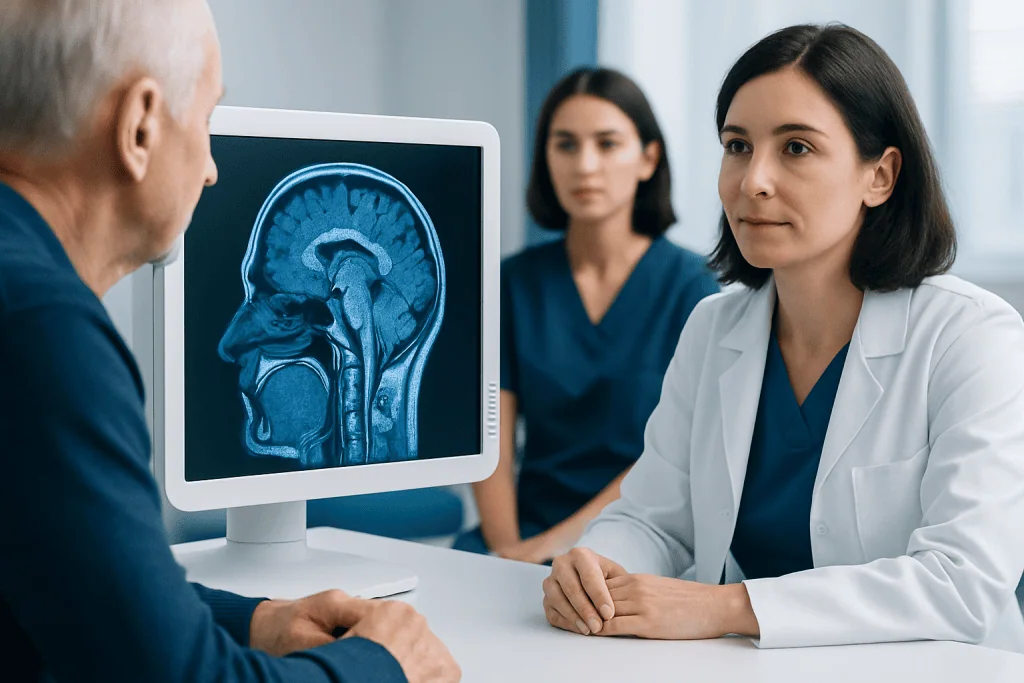
Neurodegenerative diseases include a wide range of conditions, such as Alzheimer’s disease, Parkinson’s disease, frontotemporal dementia, multiple system atrophy, amyotrophic lateral sclerosis, and other disorders that affect the nervous system over time. Early symptoms can be subtle, and several different conditions may cause similar complaints. For example, memory problems may be linked to sleep disorders, depression, vitamin deficiency, thyroid disease, medication effects, or stroke-related changes rather than a primary degenerative illness.
A second opinion may help answer important questions: Is the diagnosis correct? Is the subtype clear? Are there additional tests that could be useful? Are current symptoms best explained by one condition or several? In some cases, specialist reassessment by a movement disorders neurologist, cognitive neurologist, behavioral neurologist, or neuromuscular expert can provide a more precise diagnosis.
It can also help with treatment planning. Some therapies are symptom-focused, while others involve rehabilitation, speech therapy, nutrition support, mental health care, or advanced care planning. When the diagnosis is uncertain, patients may benefit from a center with access to detailed neurological exams, MRI scanning, neuropsychological testing, or other specialized assessments.
Signs that it may be time to seek another expert view

There is no single rule, but some situations make a second opinion especially worthwhile. One is when symptoms do not fit neatly into the original diagnosis. Another is when the condition seems to change faster or differently than expected, or when treatment does not seem to help in the way it should.
Patients and families may also consider a second opinion if test results are unclear, if different doctors have offered different explanations, or if the diagnosis was made without a specialist evaluation. This can be important in disorders such as Parkinson’s disease or Alzheimer’s disease, where early features may overlap with other conditions.
- Symptoms are unusual, rapidly changing, or difficult to explain.
- The diagnosis is based on limited testing or remains uncertain.
- There are major decisions ahead about medication, surgery, rehabilitation, work, or long-term care.
- Side effects from treatment are significant or the response is poor.
- The patient or family does not fully understand the diagnosis or prognosis.
- A rare disease is suspected, or a specific subspecialist has not yet been involved.
It is also reasonable to seek another opinion simply for peace of mind. When patients feel informed and confident, they are often better able to make decisions and participate in ongoing care.
What a specialist will review
A meaningful second opinion usually starts with a thorough review of the full medical picture. The specialist will ask when symptoms began, how they have changed, what daily problems they cause, and whether there is any family history of neurological disease. A timeline from the patient and caregiver can be very helpful, especially if memory or communication has been affected.
The doctor will often review the neurological examination in detail and may repeat parts of it. Depending on the symptoms, this may include assessment of memory, language, behavior, coordination, reflexes, gait, tremor, muscle strength, swallowing, eye movements, or sensory changes. This hands-on evaluation can reveal patterns that point toward one diagnosis and away from another.
Existing records are important. These may include clinic notes, hospital discharge summaries, blood tests, prior diagnoses, medication history, and imaging reports. If needed, the specialist may also recommend reviewing original scans rather than relying only on written reports, especially after a detailed neurological evaluation has raised new questions.
Tests that may be repeated or added
Not every patient needs more testing, but in some situations additional studies can improve accuracy. Brain imaging, blood tests, and cognitive or movement assessments are commonly reviewed. In selected cases, further tests may be advised to exclude treatable causes or to better define the disease pattern.
For example, a second-opinion specialist may suggest updated brain MRI if the previous scan was done long ago, if image quality was limited, or if the findings need expert neurological review. Blood work may be repeated to check for thyroid problems, vitamin deficiency, inflammation, infection, or other conditions that can mimic neurodegenerative disease. Depending on the case, sleep studies, genetic counseling, spinal fluid testing, or nerve and muscle studies may also be discussed.
Cognitive testing can be especially useful when changes in memory, language, planning, or behavior are the main concern. Formal neuropsychological assessment may help distinguish patterns seen in dementias from those caused by anxiety, depression, poor sleep, or other medical problems. The goal is not to order more tests than necessary, but to make sure the diagnosis is as accurate and complete as possible.
How to prepare for a second opinion
Good preparation can make the consultation more productive. Patients should try to gather copies of recent scans, reports, blood test results, referral letters, hospital records, and a complete medication list that includes supplements. If available, it is also helpful to bring notes about when symptoms started, how they progressed, and which problems are most disruptive in everyday life.
A family member or caregiver can provide useful observations, especially if the person being evaluated has difficulty recalling events or describing changes. Writing down questions in advance may reduce stress and help make sure important topics are covered. Common questions include whether the diagnosis is certain, what else it could be, which symptoms need urgent attention, and what treatment options are reasonable now.
Patients should also tell the specialist what they hope to gain from the visit. Some want diagnostic confirmation, while others want guidance about rehabilitation, work ability, driving, future planning, or participation in clinical research. Being clear about these goals helps the doctor tailor the discussion and recommendations.
What happens after the second opinion
After reviewing the case, the second specialist may agree completely with the original diagnosis and treatment plan. This can still be very valuable because it increases confidence and may provide clearer explanations about what to expect. In other situations, the specialist may narrow the diagnosis, suggest alternatives, recommend monitoring over time, or advise further testing before reaching a firm conclusion.
Treatment recommendations may also change. The plan could include medication adjustments, physical therapy, occupational therapy, speech and swallowing support, mental health care, nutrition advice, or social work guidance. For patients with movement or balance symptoms, assessment for movement disorders expertise may be appropriate when the picture is complex.
It is usually best for the patient to continue coordinated care with the original doctor unless a transfer is needed or preferred. Good communication between clinicians can support continuity and help avoid duplicated tests or conflicting advice. Near the end of this process, some patients choose care at specialized centers; Acibadem International’s multidisciplinary specialists and JCI-accredited hospitals diagnose and treat neurological conditions for international patients.
When to seek urgent medical attention
A second opinion is usually planned and non-emergency, but some neurological symptoms need prompt medical assessment rather than a routine appointment. Sudden weakness, facial drooping, severe confusion, loss of consciousness, a new seizure, sudden vision loss, or an abrupt inability to speak may signal a medical emergency. These symptoms should be evaluated immediately.
Urgent assessment is also important if a person with suspected neurodegenerative disease develops rapidly worsening confusion, dehydration, repeated falls, aspiration concerns, new severe headaches, fever with confusion, or marked behavior changes that create a safety risk. Problems such as infection, medication reactions, or stroke can worsen neurological symptoms and may need immediate treatment.
Even outside emergencies, patients should contact their doctor sooner if swallowing becomes difficult, weight loss is significant, mobility declines quickly, or hallucinations, severe sleep problems, or caregiver burnout become prominent. Early support can improve safety, comfort, and quality of life.
Frequently asked questions
Is it normal to ask for a second opinion after a possible neurodegenerative diagnosis?
Yes. A second opinion is a common and reasonable step when symptoms are complex or the diagnosis may affect long-term treatment and daily life. Many patients and families feel more confident after another specialist reviews the case.
Can a second opinion change the diagnosis?
Sometimes. Some conditions that look like neurodegenerative disease may instead be caused by medication effects, sleep problems, vitamin deficiency, depression, stroke-related changes, or other treatable issues. In other cases, the second opinion confirms the original diagnosis but clarifies the subtype or stage.
Which specialist should give the second opinion?
That depends on the main symptoms. A general neurologist may be appropriate, but many patients benefit from a subspecialist such as a movement disorders neurologist, cognitive neurologist, behavioral neurologist, or neuromuscular specialist. The best choice is usually guided by whether memory, behavior, gait, tremor, weakness, or speech changes are most prominent.
Will I need to repeat all of my tests?
Not always. Many second-opinion consultations rely heavily on reviewing existing records, scans, and examination findings. However, some tests may need to be repeated or updated if earlier results were incomplete, outdated, or difficult to interpret.
What should I bring to a second-opinion appointment?
It helps to bring medical notes, imaging discs and reports, lab results, a medication list, and a written timeline of symptoms. If possible, a family member or caregiver should attend as well, especially when memory, speech, or insight has changed.
Does seeking a second opinion mean I should stop seeing my current doctor?
Usually no. A second opinion is often used to add expertise, confirm the plan, or answer unresolved questions while ongoing care continues with the original clinician. Good communication between doctors can support smoother, safer follow-up.
References
- World Health Organization
- National Institute on Aging
- National Institute of Neurological Disorders and Stroke
- Alzheimer's Association
- Parkinson's Foundation
This article is for general information only and is not a substitute for professional medical advice. Please consult a qualified doctor about your individual situation.
Joint and spine care in Turkey — expert assessment & treatment
JCI-accredited · board-certified surgeons · reply within 24h
Add us as a Preferred Source to see more of our trusted health content across Google Search, AI Overviews and Discover.