When Vivid Dreams, Sleep Paralysis, or Hallucinations Need Evaluation

Occasional vivid dreams, sleep paralysis, and sleep-related hallucinations are common and are not always a sign of serious illness. Episodes that are frequent, frightening, or linked to daytime sleepiness may suggest narcolepsy, disrupted sleep, medication effects, or other sleep conditions.
Key Takeaways
- Occasional vivid dreams, sleep paralysis, and sleep-related hallucinations are common and are not always a sign of serious illness.
- Episodes that are frequent, frightening, or linked to daytime sleepiness may suggest narcolepsy, disrupted sleep, medication effects, or other sleep conditions.
- Evaluation often includes a careful sleep history, medication review, sleep diary, and sometimes overnight sleep testing.
- Improving sleep habits and treating any underlying disorder can often reduce symptoms significantly.
- Urgent medical review is important if symptoms involve unsafe behaviors, breathing problems during sleep, confusion, or sudden muscle weakness with emotions.
Vivid dreams, brief paralysis when falling asleep or waking, and sleep-related hallucinations can happen in healthy people. When they become frequent, distressing, or occur with daytime sleepiness, they may point to an underlying sleep disorder that should be assessed by a qualified clinician.
Overview
Vivid dreams, sleep paralysis, and sleep-related hallucinations can feel intensely real. Many people experience one or more of these at some point, especially during stress, sleep deprivation, irregular sleep schedules, or after changes in medication. In many cases, they are brief and harmless.
These experiences often happen around transitions into or out of sleep. Sleep paralysis is a temporary inability to move or speak while falling asleep or waking up. Hypnagogic hallucinations occur as a person is falling asleep, and hypnopompic hallucinations happen on waking. Vivid dreams usually occur during rapid eye movement (REM) sleep, when dreaming is most active.
Although isolated episodes are common, recurring symptoms can sometimes be part of an underlying sleep disorder. Examples include narcolepsy, circadian rhythm disruption, obstructive sleep apnea, or other sleep disorders. A medical evaluation helps distinguish normal variations of sleep from symptoms that need treatment.
Symptoms and What They May Feel Like
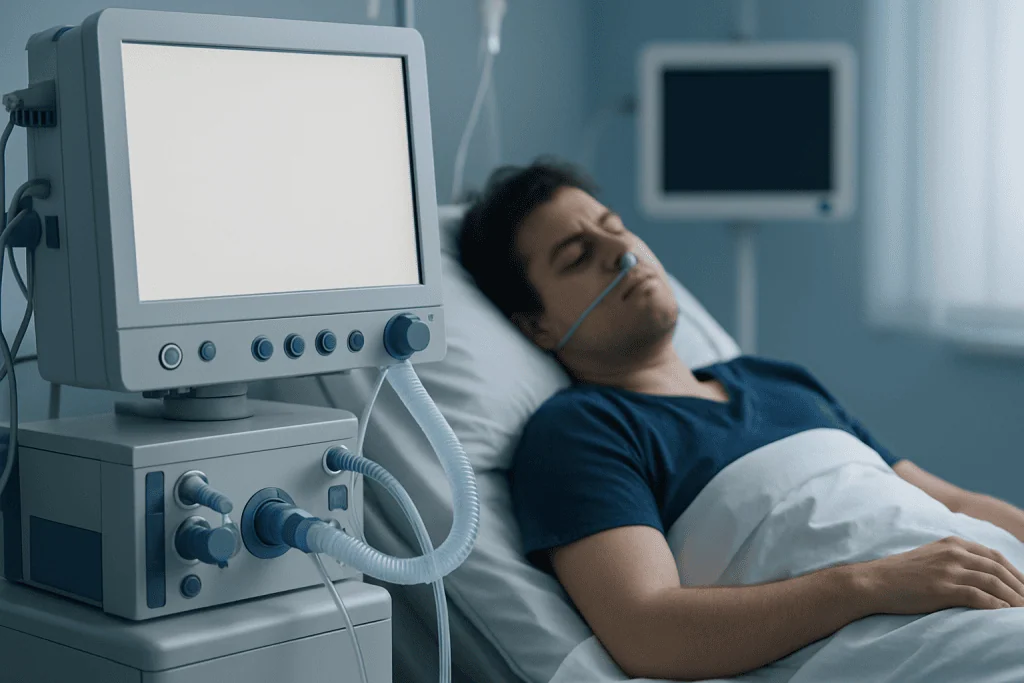
Vivid dreams are dreams that are unusually detailed, emotional, or memorable. They may be pleasant, strange, or frightening. Some people wake feeling confused for a few moments because the dream seemed so lifelike. Nightmares are a form of vivid dream that cause fear or distress and may disrupt sleep.
Sleep paralysis usually lasts seconds to a few minutes. During an episode, the person is awake or becoming awake but cannot move their body normally. Breathing continues, but it may feel difficult to take a deep breath, which can make the episode more frightening. Some people also feel pressure on the chest or a sense that someone is in the room.
Sleep-related hallucinations can involve seeing shapes or people, hearing voices or sounds, or feeling touch or movement. These experiences can be very realistic, but they are not the same as hallucinations that occur during full wakefulness from psychiatric or neurologic illness. In sleep medicine, their timing around sleep transitions is an important clue.
- Symptoms are more concerning when they happen often or cause major anxiety.
- Excessive daytime sleepiness raises concern for disorders such as narcolepsy.
- Snoring, witnessed pauses in breathing, or unrefreshing sleep may suggest sleep apnea.
- Acting out dreams, falling from bed, or injuring oneself or a bed partner needs prompt assessment.
Common Causes and Risk Factors

The most common trigger for these symptoms is disrupted or insufficient sleep. Staying up late, shift work, jet lag, frequent awakenings, and irregular bedtimes can all interfere with REM sleep and increase the chance of vivid dreaming or sleep paralysis. Emotional stress, anxiety, and major life changes can also make sleep more fragmented and intense.
Some medications and substances may contribute. Antidepressants, stimulant medications, sedatives, alcohol, cannabis, and sudden withdrawal from certain medicines can change sleep architecture and dreaming. A clinician will often review all prescription drugs, over-the-counter products, and supplements during evaluation.
Underlying sleep disorders are another important possibility. Narcolepsy can cause excessive daytime sleepiness, sleep paralysis, vivid dreams, and hallucinations around sleep onset or awakening. Obstructive sleep apnea can fragment sleep and increase disturbing dreams or nighttime awakenings. In some adults, dream-enactment behavior may point toward REM sleep behavior disorder, which is different from sleep paralysis because the person moves during dreams instead of being unable to move.
Less often, similar complaints may overlap with mental health conditions, seizure disorders, migraine phenomena, or medication side effects. Because of this, recurring episodes should not be self-diagnosed. A careful clinical assessment helps determine whether symptoms are part of sleep physiology, a primary sleep disorder, or another medical issue.
When Evaluation Is Recommended
Medical evaluation is reasonable when these events are recurrent, distressing, or affecting daytime life. A person should consider professional assessment if they are afraid to sleep, missing work or school because of fatigue, or noticing concentration and memory problems. Episodes that begin suddenly after a medication change also deserve review.
Certain combinations of symptoms are especially important. Daytime sleep attacks, irresistible naps, and sudden loss of muscle tone triggered by laughter or emotion can suggest narcolepsy with cataplexy. Loud snoring, witnessed breathing pauses, morning headaches, and dry mouth may suggest sleep apnea. Behaviors such as shouting, punching, or falling out of bed raise concern for REM sleep behavior disorder and possible injury risk.
Evaluation is also important when episodes seem unusual for typical sleep-related experiences. Hallucinations that occur in full daytime wakefulness, new confusion, weakness, fainting, seizures, severe headaches, or major mood changes need broader medical assessment. In children, older adults, pregnant individuals, and people with neurologic or psychiatric conditions, a lower threshold for seeking advice is appropriate.
How Doctors Diagnose the Cause
Diagnosis starts with a detailed history. The clinician will ask what happens during the episodes, when they occur, how long they last, how often they happen, and whether there is daytime sleepiness, snoring, dream enactment, or emotional triggers. Sleep schedules, recent stress, caffeine and alcohol use, and medication changes are also important.
A sleep diary can be very helpful, especially if symptoms come and go. Some people are asked to track bedtimes, wake times, naps, and episodes for one to two weeks. Information from a bed partner or family member may also clarify whether there are movements, breathing pauses, or unusual behaviors during sleep.
When a sleep disorder is suspected, doctors may recommend an overnight sleep study to monitor breathing, brain activity, body movements, and sleep stages. If narcolepsy is being evaluated, a specialist may also arrange further sleep testing after the overnight study, such as daytime nap testing. In selected cases, neurologic, psychiatric, or medication-related causes may need parallel assessment.
Treatment Options
Treatment depends on the underlying cause. If symptoms are related to sleep deprivation, stress, or an irregular schedule, improving sleep habits may be enough to reduce or stop episodes. Medication review is also important, since adjusting a contributing drug under medical supervision may help. Reassurance alone can be powerful when the symptoms are isolated and the person understands that the episodes are temporary and not dangerous.
When a specific sleep disorder is found, targeted treatment is often effective. For example, sleep apnea may be managed with lifestyle changes, positional strategies, or sleep apnea treatment. Narcolepsy management may include planned naps, behavioral strategies, and medicines prescribed by a sleep specialist. If dream-enactment behavior is present, steps to protect the sleep environment are essential while the cause is being evaluated.
People whose symptoms are linked to anxiety, trauma, or frequent nightmares may benefit from psychological support as well as sleep-focused care. Approaches such as cognitive behavioral therapy for insomnia or nightmare-focused therapies can be useful in selected cases. If advanced evaluation is needed, multidisciplinary teams can coordinate neurology, sleep medicine, psychiatry, and respiratory assessment. Acibadem International’s multidisciplinary specialists in JCI-accredited hospitals diagnose and treat sleep-related conditions for international patients when this level of care is needed.
Self-care, Prevention, and When to See a Doctor Urgently
Good sleep habits can reduce many sleep-transition symptoms. Helpful steps include keeping a regular sleep schedule, allowing enough time for sleep, limiting alcohol close to bedtime, avoiding sleep deprivation, and managing stress. A cool, quiet, dark bedroom and a consistent wind-down routine may also improve sleep quality. For some people, sleeping on the side rather than the back may reduce sleep disruption.
If sleep paralysis occurs, it may help to remember that the episode is temporary and will pass. Trying to stay calm, focusing on slow breathing, and concentrating on moving a small muscle such as a finger can make the event feel more manageable. Learning about the condition often reduces fear and anticipatory anxiety.
A doctor should be consulted if symptoms happen repeatedly, are worsening, or are associated with significant daytime sleepiness. Prompt evaluation is especially important if there is unsafe behavior during sleep, injury, pauses in breathing, fainting, seizures, cataplexy-like weakness, or hallucinations outside the sleep-wake transition. People who need specialized assessment may be referred for neurology consultation or dedicated sleep medicine evaluation.
Frequently asked questions
Are vivid dreams always a sign of a sleep disorder?
No. Vivid dreams can happen in healthy people, especially during stress, sleep deprivation, fever, pregnancy, or after changes in routine or medication. They become more worth evaluating when they are frequent, disturbing, or occur along with daytime sleepiness or other sleep symptoms.
Is sleep paralysis dangerous?
Sleep paralysis itself is usually not physically dangerous, even though it can feel very frightening. The main concern is whether repeated episodes are linked to poor sleep, narcolepsy, or another condition that should be identified and treated.
What is the difference between sleep-related hallucinations and psychiatric hallucinations?
Sleep-related hallucinations usually occur while falling asleep or waking up and are tied to transitions between sleep and wakefulness. Hallucinations during full daytime wakefulness, especially with confusion or mood or thought changes, need broader medical and mental health assessment.
Can sleep apnea cause vivid dreams or hallucination-like experiences?
Yes, fragmented sleep from sleep apnea can contribute to vivid dreams, nighttime awakenings, and unusual perceptions around waking. If snoring, gasping, witnessed breathing pauses, or morning fatigue are also present, a sleep evaluation is a good idea.
When should narcolepsy be suspected?
Narcolepsy should be considered when vivid dreams, sleep paralysis, or sleep-related hallucinations occur with excessive daytime sleepiness. Sudden episodes of muscle weakness triggered by laughter or strong emotion are an especially important clue and should be discussed with a sleep specialist promptly.
How are these symptoms usually tested?
Doctors often begin with a detailed history, sleep diary, and review of medications, habits, and mental health factors. If needed, they may arrange an overnight sleep study and sometimes additional daytime testing to look for narcolepsy or other sleep disorders.
References
- American Academy of Sleep Medicine
- National Institute of Neurological Disorders and Stroke
- National Heart, Lung, and Blood Institute
- Mayo Clinic
- Cleveland Clinic
This article is for general information only and is not a substitute for professional medical advice. Please consult a qualified doctor about your individual situation.
Explore treatments in Turkey — costs, top hospitals & a free quote
JCI-accredited · board-certified surgeons · reply within 24h
Add us as a Preferred Source to see more of our trusted health content across Google Search, AI Overviews and Discover.

More from the Health Library



Related Specialists

Asst. Prof. Dr. Alper Özdilek
Otorhinolaryngology
Prof. Dr. Mehmet Serdar Binnet
Orthopedic Surgery & Traumatology
Dr. Mehmet Can Şahin
Inpatient Clinic Physicians Clinical Service
Prof. Dr. Uğur Işık
Pediatric Neurology