Who Is a Good Candidate for Neuromodulation Therapy?

Neuromodulation therapy is not a single treatment; it includes several procedures used for different conditions. Good candidates often have persistent symptoms despite medicines, physical therapy, or other standard care.
Key Takeaways
- Neuromodulation therapy is not a single treatment; it includes several procedures used for different conditions.
- Good candidates often have persistent symptoms despite medicines, physical therapy, or other standard care.
- Careful diagnosis, realistic goals, and specialist assessment are essential before treatment.
- A trial period may be used for some types of neuromodulation to see whether symptoms improve.
- Benefits, risks, and long-term follow-up should be discussed in detail with a qualified doctor.
Neuromodulation therapy uses targeted electrical stimulation to change how nerves or brain circuits send signals. A good candidate is usually someone with symptoms that have not improved enough with standard treatment and who has been carefully evaluated by a specialist team.
Overview of neuromodulation therapy
Neuromodulation therapy refers to treatments that use carefully controlled electrical stimulation to change the activity of nerves, the spinal cord, or specific areas of the brain. The aim is not to remove the nervous system problem itself, but to reduce symptoms by changing how signals are processed. Depending on the condition, this may help lessen pain, improve movement, reduce muscle spasms, or support better function.
Several procedures fall under the term neuromodulation. Common examples include spinal cord stimulation for some forms of chronic pain, deep brain stimulation for selected movement disorders, and peripheral nerve stimulation for certain nerve-related symptoms. Because these treatments work in different parts of the nervous system, the right option depends very much on the diagnosis and the person’s overall health.
Neuromodulation is usually considered after more conservative treatment has already been tried. For many people, that means medicines, rehabilitation, lifestyle changes, psychological support, injections, or other procedures have not provided enough relief or have caused side effects. In that setting, neuromodulation may become part of a broader treatment plan rather than a stand-alone solution.
Who may be a good candidate
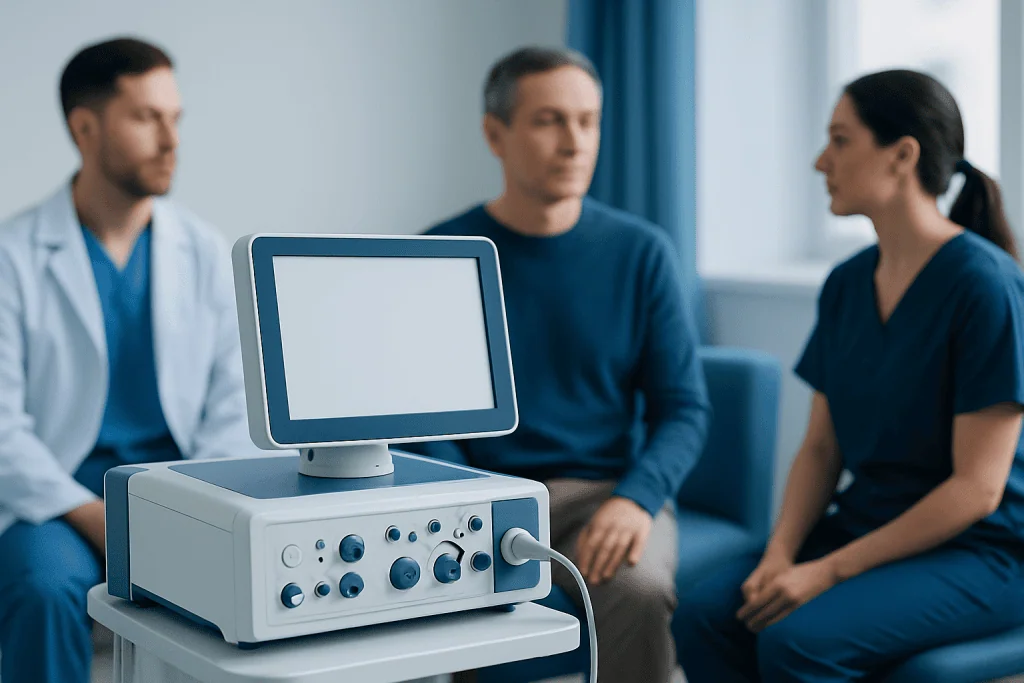
A good candidate for neuromodulation therapy is usually someone with symptoms that are significantly affecting daily life and have not improved enough with standard care. The person should have a clear diagnosis, a treatment goal that can be measured, and a condition for which neuromodulation has an established role. These goals may include reducing pain, improving walking, lessening tremor, or improving quality of life.
Doctors also look for signs that the symptoms are likely to respond to targeted stimulation. For example, some people with persistent nerve pain after surgery may be considered for spinal cord stimulation, while selected patients with Parkinson-related movement symptoms may be evaluated for deep brain stimulation. In some cases, peripheral nerve stimulation or other techniques may be discussed if symptoms are more localized.
Being a good candidate also involves practical and personal factors. The patient needs to understand the purpose of treatment, possible limitations, and the need for follow-up visits. They should be able to take part in evaluations, report symptom changes accurately, and follow instructions before and after the procedure. Realistic expectations are especially important, since neuromodulation often aims to improve symptoms rather than cure the underlying condition.
Conditions commonly considered for neuromodulation

Neuromodulation can be used in several medical areas, but the best-known uses are in chronic pain and movement disorders. In pain medicine, it may be considered for certain types of long-lasting nerve pain, pain after spine surgery, complex regional pain syndrome, or selected cases of painful diabetic neuropathy. Not every type of pain responds in the same way, so matching the right technique to the right pain pattern is essential.
In neurology and neurosurgery, deep brain stimulation may help selected people with conditions such as Parkinson’s disease, essential tremor, or dystonia when medicines no longer control symptoms well enough or cause troublesome side effects. These patients often undergo detailed motor, cognitive, and imaging assessments before a decision is made. The goal is to identify those most likely to benefit while minimizing unnecessary risk.
Other forms of neuromodulation may be used for specific bladder, bowel, headache, or nerve-related conditions in carefully chosen patients. However, suitability depends on current clinical evidence, the severity of symptoms, and whether simpler treatment options have been exhausted. A specialist will decide whether neuromodulation is supported for that individual situation.
- Chronic neuropathic pain
- Failed back surgery syndrome or persistent spine-related pain
- Complex regional pain syndrome
- Parkinson-related motor fluctuations or tremor
- Essential tremor and some dystonia cases
How doctors assess candidacy
Assessment begins with confirming the diagnosis and reviewing what treatments have already been tried. Doctors usually ask how long symptoms have been present, what makes them better or worse, how they affect sleep and daily activities, and whether previous medicines or procedures helped. Imaging, nerve studies, movement assessments, or other tests may be needed depending on the condition.
A multidisciplinary review is often helpful because candidacy is rarely based on one factor alone. Pain specialists, neurologists, neurosurgeons, rehabilitation experts, psychologists, and anesthesiologists may all contribute. The team looks at symptom type, overall health, emotional well-being, medication use, and whether the treatment goals are realistic and clearly defined.
For some pain-related procedures, a temporary trial may be offered before a permanent device is implanted. This allows the patient and doctor to see whether the stimulation meaningfully reduces symptoms and improves function. In movement disorders, candidacy may depend more on a detailed specialist evaluation, including how symptoms respond to medication and whether there are issues such as significant cognitive decline that could affect safety or outcomes.
When neuromodulation may not be the right choice
Neuromodulation is not suitable for everyone. A person may not be a good candidate if the diagnosis is unclear, if symptoms are likely to improve with simpler treatment, or if the main problem is a condition that stimulation is not known to help. Some people are better served by further rehabilitation, medication adjustment, psychological support, or treatment of the underlying disorder first.
General health also matters. Active infection, uncontrolled bleeding risk, severe medical instability, or inability to undergo the procedure safely may delay or rule out treatment. In certain cases, serious untreated mental health conditions, difficulty managing follow-up care, or unrealistic expectations can also make neuromodulation a poor fit until these issues are addressed.
For brain-based procedures, doctors pay close attention to memory, thinking, balance, and psychiatric symptoms because these can influence both benefit and safety. The decision is individual. Not being a candidate for one type of neuromodulation does not always mean there are no other options; it may simply mean that a different treatment pathway is more appropriate at that time.
Benefits, limitations, and possible risks
For the right patient, neuromodulation can offer meaningful symptom relief and improve function. Some people experience less pain, better sleep, improved mobility, or a reduced need for certain medications. In movement disorders, carefully selected patients may notice better control of tremor or fluctuations that interfere with daily activities. These improvements can support independence and quality of life.
At the same time, neuromodulation has limits. It does not guarantee complete symptom relief, and the amount of improvement can vary from person to person. Devices may need adjustment over time, and some patients continue to need medicines or other treatments as part of a combined care plan. Long-term follow-up is an important part of success.
Possible risks depend on the procedure but may include infection, bleeding, discomfort at the device site, lead movement, hardware problems, or stimulation-related side effects. Brain procedures carry additional considerations because of the area being treated. A doctor should explain the expected benefits and possible complications clearly so the patient can make an informed decision.
What to expect before and after treatment
Preparation usually includes education about the procedure, device, recovery, and follow-up schedule. The medical team may review medications, arrange imaging, or request a preoperative assessment. Some patients also benefit from setting simple treatment goals in advance, such as walking farther, sleeping better, or reducing episodes of severe pain. These goals help measure whether treatment is truly helpful.
After the procedure, the device often needs programming and fine-tuning. This is a normal part of neuromodulation therapy, since settings may need adjustment to balance symptom relief and side effects. Recovery time depends on the type of procedure, but most patients are advised to follow activity restrictions for a period and attend regular follow-up visits.
Ongoing care is important because symptoms can change over time. The best results usually come when neuromodulation is combined with broader management such as rehabilitation, exercise guidance, medication review, and supportive care. Near the end of the treatment journey, some international patients may choose evaluation at centers such as Acibadem International, where multidisciplinary specialists in JCI-accredited hospitals diagnose and treat conditions that may be considered for neuromodulation, including Parkinson disease and related neurological disorders.
When to speak with a specialist
It may be time to ask about neuromodulation if symptoms remain severe despite appropriate standard treatment, especially when they interfere with work, sleep, mobility, or self-care. A specialist can review whether the diagnosis is correct, whether enough noninvasive options have been tried, and whether a neuromodulation approach is supported for that condition. Early expert review can also prevent delays caused by trying treatments that are unlikely to help.
People with chronic pain should seek assessment if the pain appears nerve-related, lasts for months, and continues despite medicines or rehabilitation. People with movement symptoms should speak with a neurologist if tremor, stiffness, or motor fluctuations are limiting daily life even with medical treatment. In either case, worsening symptoms, new neurological changes, or concerns about medication side effects deserve medical attention.
The decision to proceed should be shared and thoughtful. Patients often benefit from bringing a family member to appointments, writing down questions, and discussing goals openly with the care team. A careful specialist consultation is the best way to find out whether neuromodulation therapy is an appropriate next step.
Frequently asked questions
Is neuromodulation therapy only used for chronic pain?
No. Although chronic pain is a common reason for neuromodulation, it is also used for selected movement disorders and some other nerve-related conditions. The right use depends on the exact diagnosis and whether evidence supports that treatment for the individual patient.
How does a doctor decide if someone is a good candidate?
Doctors look at the diagnosis, symptom severity, previous treatments, general health, and expected goals of care. They also consider whether the person is likely to benefit from stimulation and whether they can take part in follow-up and device management.
Does neuromodulation cure the underlying disease?
Usually, no. Neuromodulation is designed to manage symptoms by changing nerve signaling, not to remove the root cause of the condition. Many patients still need medicines, rehabilitation, or other ongoing care.
Is there a trial period before permanent treatment?
For some pain-related neuromodulation procedures, yes. A temporary trial may be used to see whether stimulation meaningfully improves symptoms before a permanent device is placed. Not all types of neuromodulation use a trial in the same way.
What are the main risks of neuromodulation therapy?
Risks vary by procedure but can include infection, bleeding, discomfort, device-related problems, or side effects from stimulation. Brain-based procedures may have additional risks, so a detailed discussion with the treating team is important before making a decision.
Can older adults be good candidates for neuromodulation?
Yes, some older adults can be good candidates if their overall health, diagnosis, and treatment goals fit the procedure. Age alone is usually less important than medical fitness, cognitive status, and the expected balance of benefit and risk.
References
- World Health Organization
- National Institute of Neurological Disorders and Stroke
- National Institute for Health and Care Excellence
- International Neuromodulation Society
- American Academy of Neurology
This article is for general information only and is not a substitute for professional medical advice. Please consult a qualified doctor about your individual situation.
Neuromodulation in Turkey — costs, top hospitals & a free quote
JCI-accredited · board-certified surgeons · reply within 24h
Add us as a Preferred Source to see more of our trusted health content across Google Search, AI Overviews and Discover.