Wilson’s Disease: Symptoms, Causes, and Treatment Options

Wilson's disease is an inherited disorder of copper metabolism. Copper buildup most often affects the liver, brain, and eyes.
Key Takeaways
- Wilson's disease is an inherited disorder of copper metabolism.
- Copper buildup most often affects the liver, brain, and eyes.
- Symptoms can be liver-related, neurological, psychiatric, or a mix of these.
- Diagnosis usually combines blood, urine, eye, imaging, and sometimes genetic tests.
- Treatment focuses on removing excess copper and preventing it from building up again.
- Early, continuous care can greatly improve long-term outlook.
Wilson's disease is a rare inherited condition in which the body cannot remove extra copper properly, causing it to build up in organs such as the liver and brain. With timely diagnosis and lifelong treatment, many people can manage the condition well and reduce the risk of long-term complications.
Overview
Wilson’s disease is a genetic condition that prevents the body from handling copper normally. Instead of moving excess copper out through bile, the body stores it in tissues. Over time, copper can accumulate in the liver first and then in other organs, especially the brain and eyes.
This condition is present from birth, but symptoms often appear later, usually in childhood, adolescence, or early adulthood. Some people are diagnosed because of abnormal liver tests, while others first notice movement changes, mood symptoms, or trouble with coordination. Because the signs can vary so widely, Wilson’s disease may be missed unless it is actively considered.
The condition is treatable, and that is an important part of the overall outlook. Medicines can help remove excess copper or reduce how much copper the body absorbs. Lifelong follow-up is usually needed, but early treatment can prevent severe organ damage and help many people live active lives.
Symptoms and how Wilson's disease can present
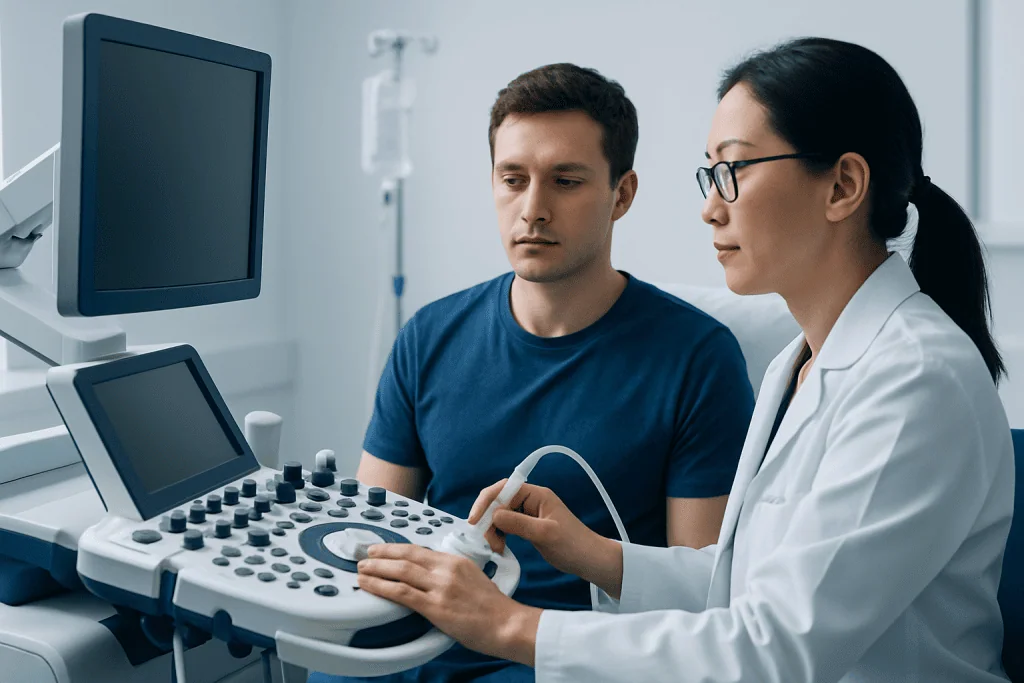
The symptoms of Wilson’s disease depend on which organs are most affected and how much copper has built up. In some people, liver problems are the first sign. In others, the earliest changes involve movement, speech, behavior, or mood. A person may also have very few symptoms at first and be diagnosed only after routine blood tests show liver abnormalities.
Liver-related symptoms may include tiredness, nausea, abdominal discomfort, swelling, jaundice, easy bruising, or signs of hepatitis or cirrhosis. In children and teenagers, liver disease may be the main feature. Some people develop sudden severe liver failure, though many have a slower, more gradual course.
Neurological and psychiatric symptoms can appear when copper affects the brain. These may include tremor, stiffness, poor balance, slurred speech, difficulty swallowing, changes in handwriting, clumsiness, anxiety, depression, irritability, or problems with concentration. Because these symptoms can overlap with other conditions, doctors may also consider related movement disorders such as Parkinson's disease during evaluation.
Another well-known sign is the Kayser-Fleischer ring, a brownish or greenish ring around the cornea caused by copper deposits in the eye. These rings do not usually affect vision and are identified during a slit-lamp eye examination. Not everyone with Wilson’s disease has visible rings, but they are especially common in people with neurological symptoms.
Causes and risk factors

Wilson’s disease is caused by changes in the ATP7B gene. This gene helps the liver package copper into bile so it can be removed from the body. When the gene does not work properly, copper cannot be excreted efficiently and begins to build up.
The condition follows an autosomal recessive inheritance pattern. This means a person usually develops Wilson’s disease only if they inherit one altered gene from each parent. Parents who each carry one altered gene may have no symptoms themselves, but they can pass the condition to their children.
The main risk factor is family history. Brothers, sisters, and children of an affected person may need testing even if they feel well, because early disease can be silent. Screening relatives matters because treatment started before symptoms develop can protect the liver and nervous system.
Wilson’s disease is not caused by diet alone, and it is not contagious. Foods high in copper do not create the condition, though doctors may recommend limiting certain foods in some cases after diagnosis. The core problem is inherited copper handling, not simply copper intake.
How doctors diagnose Wilson's disease
Diagnosing Wilson’s disease usually involves combining several pieces of information rather than relying on a single test. A clinician will review symptoms, medical history, family history, and perform a physical examination. Because the disorder can affect different organs in different ways, evaluation is often multidisciplinary.
Common tests include blood work to assess liver function and ceruloplasmin, a protein involved in copper transport. A 24-hour urine collection may be used to measure copper excretion. An eye examination with a slit lamp can look for Kayser-Fleischer rings. Genetic testing may help confirm the diagnosis, especially in people with a family history.
Some people also need imaging studies or a liver biopsy. Brain imaging may be helpful when neurological symptoms are present, and liver biopsy can measure copper content directly in certain situations. In people with significant liver involvement, doctors may also evaluate complications and discuss whether advanced care such as liver transplant could ever become necessary.
Because Wilson’s disease can resemble other liver, psychiatric, or neurological conditions, accurate diagnosis is important. Specialists may work to distinguish it from other causes of serious liver disease or from more common neurological disorders. Confirming the diagnosis early helps guide treatment before more copper-related injury occurs.
Treatment options and long-term management
Treatment for Wilson’s disease aims to lower the body’s copper burden and prevent it from building up again. The main medical approaches are copper-chelating medicines, which help remove excess copper, and zinc therapy, which reduces copper absorption from the digestive tract. The choice of treatment depends on age, symptoms, organ involvement, and how advanced the disease is.
People with liver-predominant disease, neurological symptoms, or both often need long-term follow-up with regular blood and urine testing. Doctors monitor treatment response, side effects, liver function, and whether copper control is improving. Stopping treatment without medical advice can allow copper to build up again, even if a person feels well.
Dietary guidance may also play a role, especially early in treatment. A doctor or dietitian may recommend limiting foods with very high copper content, such as shellfish, liver, nuts, chocolate, and some mushrooms, depending on the individual’s situation. Drinking water may also be reviewed if copper pipes are a concern.
In severe cases with acute liver failure or end-stage liver disease, transplantation may be considered. Supportive care may also include management of tremor, speech or swallowing issues, and rehabilitation when needed. Depending on symptoms, some patients benefit from coordinated care that may include neurological rehabilitation or support from specialists experienced in movement disorders treatment.
Living with Wilson's disease: self-care and prevention of complications
Wilson’s disease cannot be prevented in someone who has inherited the relevant gene changes, but complications can often be reduced with early diagnosis and consistent treatment. The most important self-care step is taking prescribed medicine exactly as directed and attending regular follow-up appointments. Long-term management is essential, even when symptoms improve.
People living with Wilson’s disease may benefit from a practical routine that includes medication reminders, lab monitoring, and discussion of any new symptoms. Alcohol use may need to be limited or avoided, especially when the liver is affected. A balanced diet, good hydration, and support for mental well-being can also be valuable parts of care.
Families may wish to ask about genetic counseling and screening for close relatives. Testing can identify affected family members before major symptoms appear. This can make a real difference because earlier treatment is associated with better protection of the liver and nervous system.
For international patients who need coordinated evaluation, Acibadem International’s multidisciplinary specialists and JCI-accredited hospitals diagnose and treat Wilson’s disease with input from hepatology, neurology, genetics, and rehabilitation teams when appropriate.
When to seek medical care
A person should seek medical care if they have unexplained liver test abnormalities, jaundice, tremor, new coordination problems, speech changes, or mood and behavior changes that do not have a clear cause. Medical review is also important for children, teenagers, or young adults with hepatitis, enlarged liver, or unexplained neurological symptoms. These signs do not always mean Wilson’s disease, but they do deserve proper assessment.
Urgent medical attention is needed for signs of severe liver problems or acute neurological decline. Warning signs include confusion, marked sleepiness, severe jaundice, vomiting blood, significant abdominal swelling, sudden difficulty walking, or rapid worsening of speech or swallowing. These symptoms need immediate evaluation.
People with a known family history of Wilson’s disease should speak with a qualified doctor even if they feel healthy. Screening can detect the condition before damage becomes advanced. A specialist can explain which tests are appropriate and how often follow-up may be needed.
Frequently asked questions
What is Wilson's disease?
Wilson's disease is an inherited disorder that causes the body to store too much copper instead of removing the extra amount normally. The excess copper can damage the liver, brain, eyes, and other organs over time. It is treatable, especially when found early.
At what age does Wilson's disease usually appear?
The condition is present from birth, but symptoms often develop later, commonly in childhood, adolescence, or early adulthood. Some people are diagnosed much later, especially if symptoms are mild or unusual. The age of onset can vary widely.
Is Wilson's disease curable?
Wilson's disease is generally considered a lifelong condition rather than a one-time illness that goes away completely. However, it can often be managed successfully with ongoing treatment and monitoring. Many people do well when they stay on therapy and receive regular follow-up.
What are the first signs of Wilson's disease?
Early signs may include abnormal liver tests, tiredness, abdominal discomfort, jaundice, tremor, clumsiness, mood changes, or difficulty with speech and coordination. In some people, there are no obvious symptoms at first. Because the presentation varies, medical evaluation is important if the condition is suspected.
How is Wilson's disease diagnosed?
Doctors usually diagnose Wilson's disease using a combination of history, examination, blood tests, urine copper testing, and an eye exam for Kayser-Fleischer rings. Genetic testing and imaging may also help. Sometimes a liver biopsy is used in more complex cases.
What foods should people with Wilson's disease avoid?
A doctor may advise limiting foods very high in copper, especially early in treatment or when copper levels are poorly controlled. Examples can include shellfish, liver, nuts, chocolate, and certain mushrooms. Dietary advice should be individualized, because food changes do not replace medical treatment.
References
- National Institute of Diabetes and Digestive and Kidney Diseases
- National Organization for Rare Disorders
- Merck Manual Professional Edition
- American Association for the Study of Liver Diseases
- GeneReviews
This article is for general information only and is not a substitute for professional medical advice. Please consult a qualified doctor about your individual situation.
Explore treatments in Turkey — costs, top hospitals & a free quote
JCI-accredited · board-certified surgeons · reply within 24h
Add us as a Preferred Source to see more of our trusted health content across Google Search, AI Overviews and Discover.

More from the Health Library



Related Specialists

Mert Vural
Physical Medicine & Rehabilitation
Assoc. Prof. Dr. Şafak Yıldırım Dişli
Medical Oncology
Dr. Mesut Fatih
Orthopedic Surgery & Traumatology
Dr. Uğur Ömer Bayır
Anesthesiology